NASA’s Darkest Hour: The Challenger Disaster

pivot62.com – On the frigid morning of January 28, 1986, the world watched in anticipation as the Space Shuttle Challenger prepared for liftoff at the Kennedy Space Center in Florida. Among the seven astronauts aboard was Christa McAuliffe, a high school teacher from Concord, New Hampshire, who was to become the first private citizen in space, a symbol of the growing accessibility of space exploration to the general public. However, the excitement and hope that filled the air were about to be shattered in a moment that would forever be etched in the annals of space exploration history.

The Space Shuttle Challenger was part of NASA’s Space Shuttle program, which aimed to make space travel routine and cost-effective. The Challenger mission, officially known as STS-51-L, was the 25th flight of the Space Shuttle and was expected to deploy a communications satellite and conduct experiments in Earth’s orbit. But as the shuttle roared into the sky, a catastrophic failure occurred just 73 seconds into the flight.

The disaster was caused by the failure of the O-rings, a critical component of the solid rocket boosters. These O-rings were rubber seals designed to prevent hot gases from leaking out of the booster joints. However, the unusually cold temperatures on the day of the launch caused the O-rings to become brittle and fail to properly seal. As a result, hot gases escaped and burned through the external fuel tank, leading to a massive explosion that broke the shuttle apart and killed all seven crew members.

The Challenger disaster was a stark reminder of the risks involved in space exploration. It was broadcast live on television, with millions of viewers, including students in classrooms across the United States, witnessing the tragedy. The loss of the crew, especially Christa McAuliffe, who was to teach lessons from space, had a profound impact on the public’s perception of space travel and NASA’s reputation for safety and reliability.

In the aftermath of the disaster, President Ronald Reagan established the Rogers Commission, led by former Secretary of State William P. Rogers, to investigate the cause of the accident. The commission’s findings revealed not only the technical failures but also the organizational and cultural issues within NASA that contributed to the disaster. These included a lack of communication between engineers and management, a flawed decision-making process, and an overconfidence in the shuttle’s reliability.

The Challenger disaster led to a significant overhaul of NASA’s safety protocols and management practices. The agency implemented a more rigorous review process for missions and components, and it took steps to foster a culture where concerns about safety could be raised and addressed without fear of retribution.

The Challenger disaster also had a lasting impact on the public’s perception of space exploration. While it initially dampened enthusiasm for space travel, it also highlighted the bravery and sacrifice of astronauts. The disaster served as a poignant reminder of the high stakes involved in pushing the boundaries of human knowledge and exploration.

In the years that followed, NASA continued its mission to explore space, learning from the Challenger disaster to improve safety and reliability. The agency’s resilience was demonstrated by the successful return to flight of the Space Shuttle program and the subsequent achievements in space exploration.

The Challenger disaster remains a somber moment in NASA’s history, a stark reminder of the risks and sacrifices that come with the quest to explore the unknown. The seven astronauts who lost their lives that day—Francis Scobee, Michael Smith, Judith Resnik, Ronald McNair, Ellison Onizuka, Gregory Jarvis, and Christa McAuliffe—are remembered as heroes who embodied the spirit of discovery and adventure that drives humanity to reach for the stars. Their legacy is a testament to the enduring human desire to explore and understand the universe, even in the face of great adversity.

Culinary Arts in the Age of Majesty: The Renaissance of Flavor

pivot62.com – In the grand tapestry of history, few periods have been as illustrious and transformative as the Renaissance. A time of profound cultural rebirth, the Renaissance was not just a revival of art, literature, and science; it was also a golden age for the culinary arts. This era, spanning from the 14th to the 17th century, witnessed a renaissance of flavor, where the culinary world was revolutionized, and the art of cooking was elevated to new heights of majesty and sophistication.

The Dawn of a New Culinary Era

The Renaissance marked a significant shift in culinary practices and attitudes towards food. It was a period of exploration and discovery, both geographically and gastronomically. The spice trade flourished, introducing Europeans to a world of exotic flavors from the East, including cinnamon, nutmeg, and pepper. These spices were not only used for seasoning but also as a display of wealth and status.

The Art of Presentation

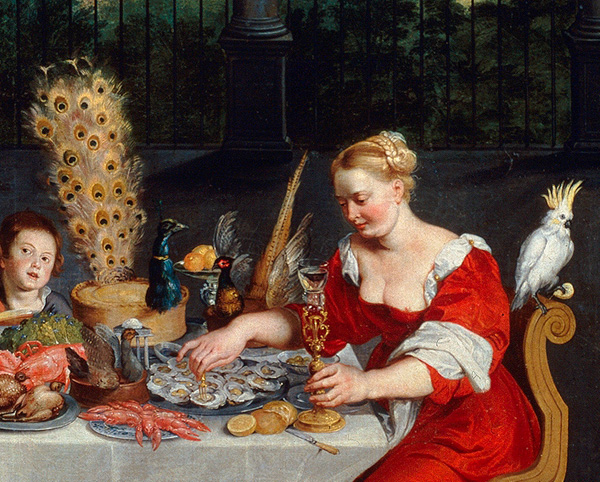
One of the hallmarks of Renaissance cuisine was the emphasis on presentation. Meals were not just about sustenance; they were a feast for the senses, where appearance and creativity played a pivotal role. Elaborate dishes were designed to impress and entertain, with food often sculpted into shapes of animals, mythological creatures, and even architectural structures. This artistry extended to the dining experience itself, with meals becoming elaborate affairs, showcasing the host’s wealth and sophistication.

The Influence of the Printing Press

The invention of the printing press by Johannes Gutenberg in the mid-15th century had a profound impact on the culinary world. For the first time, cookbooks could be mass-produced, making recipes accessible to a wider audience. This democratization of culinary knowledge led to a flourishing of culinary creativity and experimentation. One of the most famous cookbooks of the era, “De Honesta Voluptate et Valetudine” (On Right Pleasure and Good Health) by Bartolomeo Sacchi, known as Platina, was published in 1475 and became a cornerstone of Renaissance cuisine.

The Role of the Court

The courts of Europe were the epicenters of culinary innovation during the Renaissance. Monarchs and nobles competed to host the most lavish banquets, employing the finest chefs to create dishes that were as much a spectacle as they were a meal. The French court, under the reign of Catherine de’ Medici, played a particularly influential role in shaping the culinary landscape of the Renaissance. Catherine’s Italian chefs introduced French cuisine to a variety of new ingredients and cooking techniques, leading to the development of the French haute cuisine that would dominate European culinary trends for centuries to come.

The Legacy of Renaissance Cuisine

The Renaissance of Flavor left an indelible mark on the culinary world. It was a period of experimentation and innovation, where the boundaries of what was possible in the kitchen were pushed further than ever before. The legacy of Renaissance cuisine can be seen in the culinary traditions of Europe and beyond, from the emphasis on presentation and creativity to the use of spices and the development of haute cuisine.

As we continue to explore the rich tapestry of culinary history, the Renaissance stands out as a beacon of creativity and sophistication. It was an age where the culinary arts were elevated to new heights, and the world of flavor was forever transformed. The Renaissance of Flavor is not just a chapter in history; it is a testament to the enduring power of culinary innovation and the universal quest for culinary excellence.

Mars Missions: The Quest for Life and Water

pivot62.com – The quest for life and water on Mars has been a central theme in the exploration of the Red Planet. Mars, our neighboring planet, has long captivated the imagination of scientists and the public alike, with its potential to harbor life or to have once supported life. The search for water, in particular, is crucial because water is essential for life as we know it. Here’s an overview of the Mars missions that have contributed to this quest:

Viking Missions (1975)

The Viking program consisted of two spacecraft, each carrying an orbiter and a lander. The primary mission was to search for biosignatures of life on Mars. The landers performed experiments that sought to detect microbial life, but the results were inconclusive. The orbiters also mapped the surface, revealing features that suggested past water flow.

Mars Pathfinder (1996)

Mars Pathfinder landed the Sojourner rover on Mars in 1997. While not specifically designed to search for life, Pathfinder provided evidence of an ancient flood that reshaped the Martian landscape, further suggesting that water once flowed on the surface.

Mars Exploration Rovers (MER) – Spirit and Opportunity (2003)

The MER mission involved two rovers that landed on opposite sides of Mars. Opportunity discovered strong evidence that the planet was once significantly more wet than it is today, finding sedimentary rocks and minerals that form in the presence of water. Spirit also found evidence of past water activity.

Phoenix Mars Lander (2007)

Phoenix landed in the Martian arctic and directly sampled water ice, confirming the presence of subsurface ice. It also found perchlorate salts, which could affect the habitability of the soil.

Mars Science Laboratory (MSL) – Curiosity Rover (2011)

Curiosity is a car-sized rover designed to assess the habitability of Mars. It has found evidence of ancient lakes and streams, as well as complex organic molecules necessary for life. Curiosity also drilled into a rock and found clay minerals that form in water, suggesting a past environment that could have been habitable.

Mars InSight (2018)

While not directly searching for life, InSight is a stationary lander that studies the Martian surface and interior, providing information that could help determine whether Mars ever had the conditions to support life.

Mars 2020 – Perseverance Rover and Ingenuity Helicopter (2020)

Perseverance is the latest rover to land on Mars, with a primary mission to search for signs of ancient life. It is equipped with advanced instruments to study the Martian climate, geology, and collect samples for future return to Earth. Ingenuity, a small helicopter, demonstrated the ability to fly in the thin Martian atmosphere, opening new possibilities for exploration.

Future Missions

Future missions aim to build on these discoveries, including the return of samples to Earth for detailed analysis and the potential for human exploration. The search for life on Mars continues to be a cornerstone of space exploration, with each mission bringing us closer to understanding whether we are alone in the universe.

The Crucible of Conflict: The World’s Most Dangerous Countries

pivot62.com – In an interconnected world, the concept of danger can be subjective, varying from natural disasters to political instability and crime. However, certain countries have earned a reputation for being particularly perilous due to a combination of factors such as ongoing armed conflicts, high crime rates, and severe political repression. This article delves into the crucible of conflict, exploring some of the world’s most dangerous countries and the complex reasons behind their volatility.

  1. Syria: A Decade of Devastation
    Syria tops the list of the world’s most dangerous countries, embroiled in a brutal civil war since 2011. The conflict has led to hundreds of thousands of deaths, millions of refugees, and widespread destruction. Foreign intervention, sectarian violence, and the rise of extremist groups like ISIS have exacerbated the situation, making Syria a place of immense suffering and danger.
  2. Afghanistan: A Land of Endless War
    Afghanistan has been synonymous with conflict for decades, with the recent withdrawal of U.S. and NATO troops leading to a Taliban takeover. The country has been plagued by terrorism, civil war, and a harsh regime that suppresses human rights. The uncertain future and the potential for further conflict make Afghanistan one of the most perilous places on earth.
  3. Yemen: A Humanitarian Catastrophe
    Yemen is grappling with what the United Nations has called the world’s worst humanitarian crisis. A devastating civil war, compounded by a Saudi-led coalition’s military intervention, has led to widespread famine, disease, and a collapsed healthcare system. The presence of Al-Qaeda and other militant groups adds to the country’s instability and danger.
  4. Iraq: The Scars of War
    Iraq has been ravaged by decades of war, including the 2003 U.S.-led invasion and the subsequent insurgency and rise of ISIS. Although ISIS has been largely defeated, the country still faces significant challenges, including sectarian tensions, political instability, and a weakened infrastructure. The ongoing violence and unrest make Iraq a dangerous destination.
  5. Somalia: The Lawless Land
    Somalia has been without a functioning central government for much of the past three decades, leading to widespread lawlessness. The country is known for piracy, terrorism, and clan-based conflicts. The al-Shabaab militant group continues to carry out attacks, further destabilizing an already fragile nation.
  6. North Korea: The Hermit Kingdom
    North Korea is one of the most isolated and repressive regimes in the world. The government’s human rights abuses, nuclear ambitions, and unpredictable leadership make it a highly dangerous country. The severe restrictions on travel and the threat of detention for foreigners add to the peril.
  7. Venezuela: The Collapse of a Nation
    Venezuela is experiencing a profound economic and political crisis. Hyperinflation, food and medicine shortages, and widespread crime have led to a humanitarian emergency. The government’s authoritarian tactics and the suppression of dissent have contributed to the country’s descent into chaos.
  8. South Sudan: A New Nation in Turmoil
    South Sudan, the world’s youngest country, has been mired in civil war since 2013. The conflict has resulted in massive displacement, famine, and human rights abuses. The fragile peace agreements have failed to bring lasting stability, leaving South Sudan in a state of constant danger.

Conclusion:
The countries listed above are in the crucible of conflict, facing a myriad of challenges that make them particularly dangerous. It is important to understand that these nations are not inherently dangerous; rather, they are caught in complex webs of historical, political, and social issues that have led to their current states. International cooperation, humanitarian aid, and diplomatic efforts are crucial in addressing these crises and helping these nations find paths to peace and stability. As global citizens, we must remain informed and empathetic, recognizing that the dangers faced by these countries do not exist in isolation but have far-reaching implications for the entire world.

Shaping the Future of Shopping Experiences: Consumer Trends

pivot62.com – In the ever-evolving landscape of consumer behavior, trends emerge that not only reflect the changing needs and preferences of shoppers but also dictate the future direction of retail and e-commerce. As we navigate through the digital age, these trends are increasingly influenced by technology, sustainability, convenience, and personalization. Understanding these shifts is crucial for businesses aiming to stay relevant and meet the demands of their customers. This article explores the key consumer trends that are shaping the future of shopping experiences and offers insights into how retailers can adapt to these changes.

  1. Omnichannel Shopping:
    The rise of omnichannel shopping has blurred the lines between online and offline retail. Consumers now expect a seamless shopping experience, whether they are browsing products on their smartphones, visiting a brick-and-mortar store, or interacting with customer service through social media. Retailers must integrate their online and physical presence to provide a consistent and convenient shopping journey.
  2. Personalization and Customer Experience:
    Consumers today crave personalized experiences that cater to their individual tastes and preferences. From personalized product recommendations to tailored marketing messages, shoppers expect brands to understand their needs and deliver a unique shopping experience. Retailers can leverage data analytics and artificial intelligence to gain insights into consumer behavior and tailor their offerings accordingly.
  3. Sustainability and Ethical Consumption:
    Environmental consciousness is on the rise, with consumers increasingly seeking out products and brands that align with their values. Sustainability has become a significant factor in purchasing decisions, driving demand for eco-friendly products and packaging. Retailers must adopt sustainable practices and communicate their commitment to environmental stewardship to resonate with this growing segment of conscious consumers.
  4. Convenience and On-Demand Culture:
    The on-demand economy has conditioned consumers to expect instant gratification. Fast delivery options, easy returns, and 24/7 customer service are no longer nice-to-haves but essential components of the shopping experience. Retailers must optimize their supply chains and logistics to meet these expectations, ensuring that convenience is at the forefront of their service offerings.
  5. Health and Wellness:
    The pandemic has heightened awareness of health and wellness, leading to a surge in demand for products that support a healthy lifestyle. Consumers are now more mindful of what they consume, from organic foods to supplements and wellness gadgets. Retailers can capitalize on this trend by curating a selection of health-conscious products and providing educational content to guide consumers in their wellness journey.
  6. Technology Integration:
    Augmented reality (AR), virtual reality (VR), and artificial intelligence (AI) are transforming the shopping experience by offering immersive and interactive elements. These technologies enable consumers to visualize products in their own space, receive personalized recommendations, and enjoy a more engaging shopping process. Retailers should explore these innovative tools to enhance customer engagement and differentiate themselves in a crowded market.

Conclusion:
The future of shopping experiences is being shaped by a complex interplay of consumer trends that prioritize convenience, personalization, sustainability, and technology. Retailers must be agile and responsive to these changes, continuously innovating to meet the evolving expectations of their customers. By embracing these trends and integrating them into their business models, retailers can ensure a prosperous future, delivering shopping experiences that not only meet but exceed consumer expectations.

Lessons from Childhood: The Playground of Life

pivot62.com – As adults, we often find ourselves caught in the whirlwind of responsibilities, deadlines, and the relentless pursuit of success. In the midst of this adulting marathon, it’s easy to forget the simple joys and profound lessons that childhood playgrounds once taught us. The playground, a microcosm of life, is not just a place for children to frolic; it’s a stage where the early acts of our life’s drama are played out, offering lessons that, if remembered, can guide us through the complexities of adulthood.

1. The Art of Taking Turns

One of the first lessons learned on the playground is the art of taking turns. Whether it was waiting for a swing or lining up for the slide, children quickly understand that patience and fairness are essential. This lesson is equally applicable in adulthood, where patience and the understanding that not everything happens on our schedule are crucial. Life, much like the playground, is about sharing and waiting for our turn, whether it’s in our careers, relationships, or personal growth.

2. The Importance of Teamwork

Playground games often require teamwork, teaching children the value of collaboration and communication. Whether it was a game of tug-of-war or a team sport, success depended on working together towards a common goal. As adults, we find ourselves in similar situations, where teamwork is the key to overcoming challenges and achieving success. The playground reminds us that together, we can accomplish more than we ever could alone.

3. The Joy of Exploration

The playground is a place of exploration and discovery. Children are naturally curious, and the playground offers endless opportunities to climb, swing, and slide, pushing the boundaries of their comfort zones. This spirit of exploration is something that should be carried into adulthood. Life is an adventure, and embracing new experiences, learning, and growth are essential to living a fulfilling life.

4. The Resilience to Bounce Back

Falls and scrapes are inevitable on the playground, but so is the resilience to get back up. Children learn that failure is not the end but a stepping stone to success. They dust themselves off and try again, undeterred by setbacks. As adults, we can draw on this playground lesson to face life’s challenges with resilience and perseverance, understanding that failure is not final and that we always have the strength to rise again.

5. The Value of Imagination

The playground is a canvas for imagination, where a simple structure can become a castle, a spaceship, or a secret hideout. This ability to imagine and create is a powerful tool that should not be underestimated. In adulthood, imagination fuels innovation, creativity, and the ability to dream big. The playground teaches us that with imagination, the possibilities are endless.

6. The Importance of Play

Finally, the playground reminds us of the importance of play. In a world that often values work over play, it’s easy to forget the joy and benefits that come from simply having fun. Play reduces stress, boosts creativity, and fosters social bonds. As adults, we should remember to make time for play, recognizing its importance in maintaining our mental and emotional well-being.

In conclusion, the playground of life offers valuable lessons that can guide us through adulthood. From the art of taking turns to the importance of play, these childhood lessons are the building blocks of a well-lived life. By remembering and applying these lessons, we can navigate the complexities of adulthood with the wisdom, joy, and resilience that the playground once taught us.

Women and Motorcycles: The Mechanics of Empowerment

pivot62.com – The roar of an engine, the freedom of the open road, and the empowerment that comes with mastering a machine that many consider to be the epitome of independence and adventure – these are the experiences that draw women to motorcycles. The world of motorcycling has long been dominated by men, but the landscape is changing as more women embrace the culture, the mechanics, and the empowerment that comes with riding. This article delves into the mechanics of empowerment for women in the motorcycle community, exploring the challenges they face, the freedom they find, and the sisterhood they build.

The Cultural Shift:
For decades, motorcycles were seen as a male domain, with women often relegated to the role of passenger. However, as societal norms evolve, so too does the perception of women riders. Today, women are not only taking the reins but are also becoming active participants in the mechanics and maintenance of their bikes. This shift is not just about breaking down gender barriers; it’s about empowerment, self-reliance, and the joy of mastering a skill that was once considered off-limits.

The Mechanics of Empowerment:
Empowerment through motorcycles begins with understanding the mechanics. Women riders are increasingly taking an interest in the technical aspects of their bikes, from basic maintenance to complex repairs. This hands-on approach not only ensures that they are self-sufficient on the road but also empowers them with knowledge and confidence. Workshops and training courses tailored to women are popping up, providing a supportive environment for learning and growth.

The Freedom of the Open Road:
Riding a motorcycle offers a unique sense of freedom and connection to the environment that is unmatched by other forms of transportation. For women, this freedom can be particularly liberating. It’s a chance to break free from societal expectations and to experience the world on their own terms. The open road becomes a canvas for self-discovery, adventure, and the sheer exhilaration of speed and the elements.

Building a Sisterhood:
As more women take to the roads, a strong sense of community and sisterhood is emerging within the motorcycle culture. Women riders are banding together, forming clubs, and organizing rides that celebrate their shared passion. These groups provide support, encouragement, and a sense of belonging. They also serve as a platform for advocacy, working to make the motorcycle community more inclusive and to promote safety and awareness.

Challenges and Triumphs:
Despite the growing acceptance of women in the motorcycle community, challenges remain. Stereotypes and biases can still create barriers, and women often face questions about their abilities and commitment. However, these challenges are being met with resilience and determination. Women riders are proving that they are just as capable, passionate, and knowledgeable as their male counterparts. Their triumphs are not just personal victories but also strides forward for gender equality in the motorcycling world.

Conclusion:
The mechanics of empowerment for women in the motorcycle community are multifaceted, encompassing technical skills, personal freedom, and the strength of community. As more women embrace the culture and the craft, they are redefining what it means to be a rider. They are not just passengers; they are pilots of their own destinies, forging paths on the open road and breaking down barriers with every mile. The empowerment that comes with mastering a motorcycle is not just about the ride; it’s about the journey of self-discovery, independence, and the unbreakable bonds formed with fellow riders. Women and motorcycles are a powerful combination, and the future of motorcycling looks brighter with them at the forefront.

True Crime Analysis of Psychopathic Killers: The Mind of a Monster

pivot62.com – The human mind is a complex labyrinth, filled with dark corners and shadowy depths that often remain unexplored. In the realm of true crime, there exists a particularly chilling subset of individuals whose minds are not just mysterious but outright terrifying. These are the psychopathic killers, individuals who commit heinous acts of violence with a cold, calculated demeanor that defies our understanding of empathy and morality. This article delves into the psychological underpinnings of these monsters, examining what makes them tick and how their minds differ from the rest of society.

The Psychopath’s Mind:
Psychopathy is a personality disorder characterized by a lack of empathy, shallow emotions, grandiose sense of self-worth, and a propensity to manipulate and exploit others. Psychopathic killers take these traits to an extreme, using their charm and intelligence to lure victims and evade capture. Their minds are often devoid of remorse, allowing them to commit unspeakable acts without the pangs of conscience that would plague a normal person.

The Making of a Monster:
The origins of psychopathy are complex and multifaceted, involving a combination of genetic predisposition and environmental factors. Childhood trauma, abuse, or neglect can contribute to the development of antisocial behaviors. However, not all individuals who experience adversity become psychopaths, suggesting that there is a critical interplay between nature and nurture.

Case Studies:
To understand the mind of a psychopathic killer, it is instructive to examine case studies of notorious figures such as Ted Bundy, Charles Manson, and Jeffrey Dahmer. Each of these individuals displayed a unique blend of psychopathic traits, yet all shared a profound disconnect from the emotional and moral norms that govern society.

Ted Bundy, for example, was a charismatic and intelligent individual who used his likability to lure and murder numerous young women. His ability to maintain a facade of normalcy, even while committing brutal crimes, is a hallmark of psychopathic manipulation.

Charles Manson, on the other hand, was a master manipulator who formed a cult of followers and orchestrated a series of gruesome murders. His charisma and persuasive abilities enabled him to exert control over his disciples, leading them to commit acts of violence in his name.

Jeffrey Dahmer’s case is particularly disturbing, as it involves not just murder but also necrophilia and cannibalism. His detached and methodical approach to killing suggests a profound disconnect from human emotions and a complete disregard for the sanctity of life.

The Psychology of Evil:
The study of psychopathic killers raises profound questions about the nature of evil and the capacity for human cruelty. Psychologists and criminologists have long debated whether these individuals are born or made, with evidence suggesting that both biological and environmental factors play a role.

Treatment and Prevention:
The question of whether psychopathic killers can be rehabilitated is a contentious one. While some argue that therapy and medication can mitigate antisocial behaviors, others believe that the core traits of psychopathy are immutable. Prevention strategies focus on early intervention in at-risk individuals, with the hope of diverting them from a path of violence.

Conclusion:
The mind of a psychopathic killer is a landscape of darkness, where empathy and remorse are absent, and the drive to dominate and destroy reigns supreme. Understanding these individuals requires a multidisciplinary approach, combining insights from psychology, neuroscience, and criminology. While the true nature of evil may always elude us, the study of psychopathic killers offers a glimpse into the abyss, challenging our understanding of humanity and our capacity for both good and unspeakable cruelty.

Balancing Art and Existence: The Writer’s Life

pivot62.com – In the quiet corners of the world, where the hum of daily life fades into the background, writers weave the fabric of existence into stories that resonate with the human experience. The writer’s life is a delicate balance between the art of storytelling and the demands of existence. It is a journey filled with solitude, creativity, and the relentless pursuit of the perfect word.

At the heart of the writer’s existence is the art of writing itself. It is an art form that requires patience, discipline, and an unwavering commitment to the craft. Writers spend countless hours honing their skills, experimenting with language, and exploring the depths of human emotion. They are driven by a desire to create something meaningful, to tell stories that inspire, entertain, and provoke thought.

However, the pursuit of art does not exist in a vacuum. Writers must also navigate the practicalities of life. They must find a balance between the demands of their craft and the need to sustain themselves financially, emotionally, and physically. This balance is often precarious, as the life of a writer can be unpredictable and fraught with challenges.

One of the greatest challenges writers face is the struggle for recognition and financial stability. The path to success in the literary world is often long and arduous, with many writers facing rejection and obscurity before finding their audience. This can lead to feelings of isolation and self-doubt, as writers question the value of their work and their place in the world.

To maintain this balance, writers must cultivate resilience and a strong support system. They must learn to manage their time effectively, carving out space for writing amidst the chaos of life. This often requires sacrifice and a willingness to prioritize their art, even when it means forgoing other opportunities or comforts.

The digital age has both complicated and simplified the writer’s life. On one hand, the internet has opened up new avenues for publication and distribution, allowing writers to reach a global audience with the click of a button. On the other hand, the proliferation of content has made it more difficult for writers to stand out and be heard. Social media and online platforms demand constant engagement, blurring the lines between personal and professional life.

Despite these challenges, the life of a writer is also filled with profound rewards. There is a unique joy in creating something from nothing, in giving voice to the voiceless, and in connecting with readers on a deep, emotional level. Writers have the power to change perspectives, challenge societal norms, and inspire change.

In the end, the writer’s life is a testament to the enduring power of storytelling. It is a life dedicated to the pursuit of beauty, truth, and understanding. For those who choose this path, the balance between art and existence is not just a challenge to be overcome, but a journey to be embraced—a journey that enriches both the writer and the world they seek to illuminate with their words.

Collaboration and Creation: The Synergy of Design

pivot62.com – The synergy of design is a powerful concept that encapsulates the collaborative and creative process that often leads to innovative and impactful design solutions. Design, in its broadest sense, encompasses various fields such as graphic design, industrial design, interior design, fashion design, and many others. The synergy within this context refers to the energy and creativity that emerge when different individuals, with diverse skills and perspectives, come together to work on a project.

Collaboration in Design

Collaboration is at the heart of the design process. It involves a group of individuals working together to achieve a common goal. In design, collaboration can take many forms:

  1. Interdisciplinary Teams: Bringing together experts from different fields can lead to innovative solutions. For example, a project might benefit from the collaboration between a graphic designer, a software developer, and a user experience expert.
  2. Client-Designer Relationship: Effective collaboration between the client and the designer is crucial. The client provides insights into the needs and goals of the project, while the designer brings creative solutions and technical expertise.
  3. Peer Collaboration: Designers often work in teams, where they can share ideas, critique each other’s work, and build on each other’s concepts. This peer collaboration can lead to more robust and creative outcomes.

Creation in Design

Creation is the act of bringing something new into existence. In the context of design, creation involves translating ideas into tangible forms, whether it’s a product, a space, or a visual communication piece. The process of creation in design typically involves several stages:

  1. Ideation: This is the initial phase where designers brainstorm and generate ideas. Collaboration at this stage can lead to a wider range of innovative concepts.
  2. Concept Development: Selected ideas are further developed and refined. Feedback from collaborators can help in refining the concept and making it more viable.
  3. Prototyping: Creating a prototype allows designers to test their ideas in a tangible form. Collaboration with users or stakeholders at this stage can provide valuable insights for further refinement.
  4. Finalization: The final design is completed, incorporating all the feedback and refinements. This stage often involves detailed work to ensure the design is ready for production or implementation.

The Benefits of Synergy in Design

The synergy of design leads to several benefits:

  • Innovation: The combination of diverse perspectives and skills can lead to innovative solutions that might not have been possible with a single individual or a homogenous team.
  • Quality Improvement: Feedback and critique from collaborators can significantly improve the quality of the design.
  • Efficiency: Collaboration can lead to more efficient problem-solving, as different team members can tackle different aspects of the project simultaneously.
  • Enhanced Creativity: The exchange of ideas and the encouragement to think outside the box can enhance the overall creativity of the design process.

Conclusion

The synergy of design, characterized by collaboration and creation, is a dynamic and essential aspect of the design process. It fosters innovation, improves quality, enhances creativity, and leads to more efficient outcomes. As the design landscape continues to evolve, embracing collaboration and leveraging the synergy of diverse perspectives will remain key to creating impactful and meaningful designs.