Victoria’s Secret Influence: From the Catwalk to the Closet

pivot62.com – Victoria’s Secret has been a dominant force in the fashion industry for decades, known for its glamorous lingerie, iconic fashion shows, and influential models. The brand’s impact extends far beyond the runway, shaping trends and influencing how women perceive and engage with fashion. This article explores the profound influence of Victoria’s Secret from the catwalk to everyday closets.

The Power of the Fashion Show

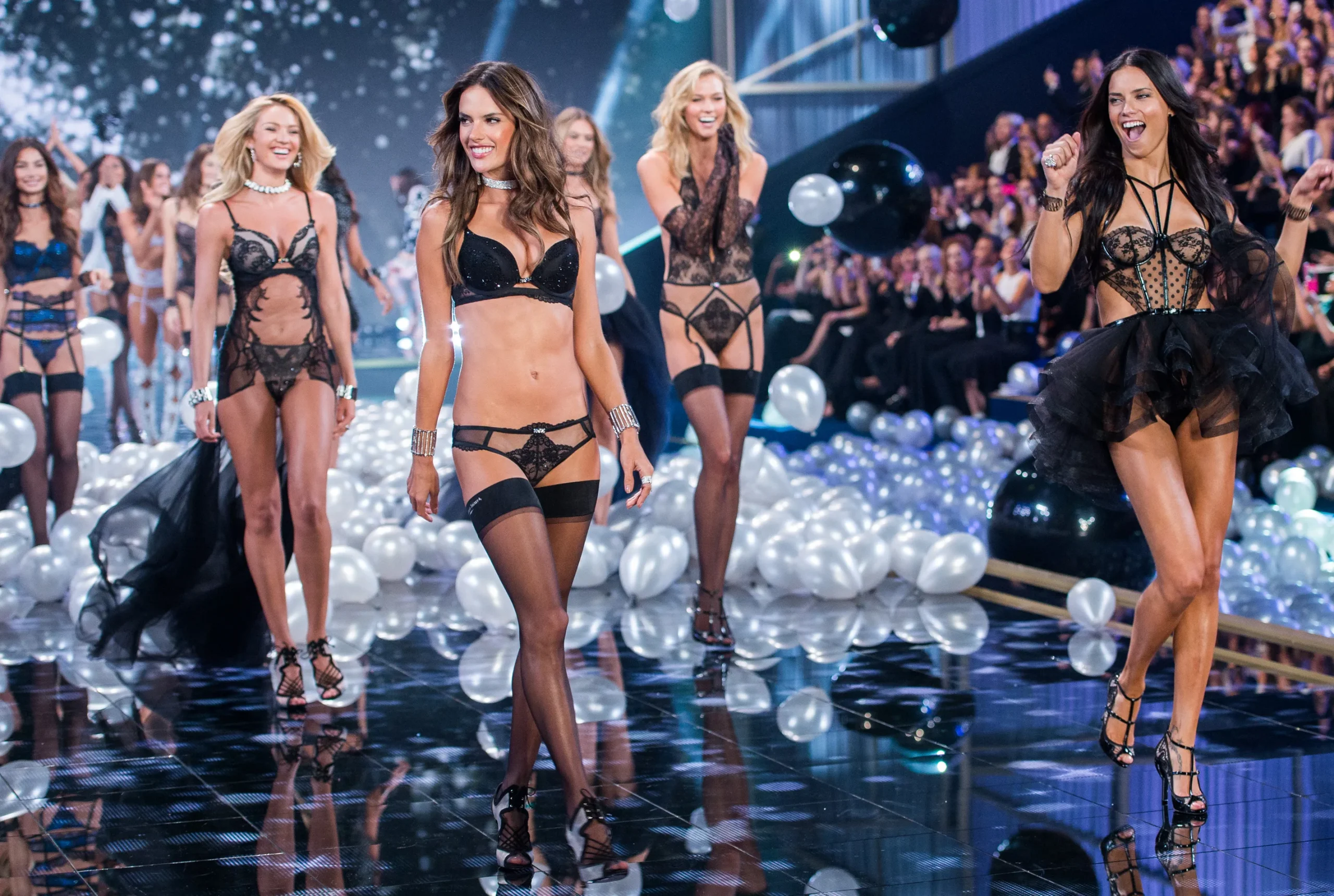
The Victoria’s Secret Fashion Show was more than just a display of lingerie; it was a cultural event that set trends and captivated audiences worldwide. Featuring the famous Victoria’s Secret Angels, the show combined high fashion with entertainment, showcasing elaborate costumes and dazzling performances. The event became a platform for launching new collections and introducing innovative designs, influencing fashion trends globally.

Iconic Lingerie and Design Innovation

Victoria’s Secret has long been a trendsetter in lingerie design. The brand introduced a variety of styles and innovations, from the push-up bra to the multi-way bra, catering to different preferences and needs. These designs not only set industry standards but also influenced how women approached lingerie as a key component of their wardrobe, emphasizing comfort, style, and self-expression.

Celebrity Endorsement and Pop Culture

The influence of Victoria’s Secret extends into pop culture, thanks in part to its roster of celebrity models, known as the Angels. Models like Heidi Klum, Adriana Lima, and Tyra Banks became household names, elevating the brand’s status and appeal. Their involvement in advertising campaigns and fashion shows helped shape public perceptions of beauty and fashion, making Victoria’s Secret a cultural touchstone.

Marketing and Branding Prowess

Victoria’s Secret’s marketing strategies have played a crucial role in its influence. Through catalogs, television commercials, and social media campaigns, the brand has maintained a strong presence and connection with its audience. Its marketing efforts have not only promoted products but also created a lifestyle and aspirational image that resonates with consumers.

Shaping Consumer Behavior

Victoria’s Secret has influenced how women shop for lingerie, encouraging them to view intimate apparel as an essential part of their personal style rather than just functional garments. The brand’s emphasis on fit, quality, and design has raised consumer expectations and encouraged other brands to innovate and compete, ultimately benefiting the market as a whole.

Evolving with the Times

In recent years, Victoria’s Secret has faced challenges and criticism regarding inclusivity and diversity. As a response, the brand has made efforts to evolve, embracing a more inclusive approach to beauty and fashion. This shift reflects broader societal changes and highlights the brand’s ability to adapt to the evolving demands of its audience.

Lasting Legacy

Victoria’s Secret’s influence on fashion is undeniable. From pioneering fashion shows to redefining lingerie design, the brand has left an indelible mark on the industry. While its strategies and image continue to evolve, the legacy of Victoria’s Secret as a trendsetter and influencer in fashion endures.

In conclusion, Victoria’s Secret has played a pivotal role in shaping fashion from the catwalk to everyday closets. Its impact on design, marketing, and consumer behavior continues to resonate, making it a significant force in the world of fashion.
Innovative Concepts in Runway Presentations: Fashion Futures

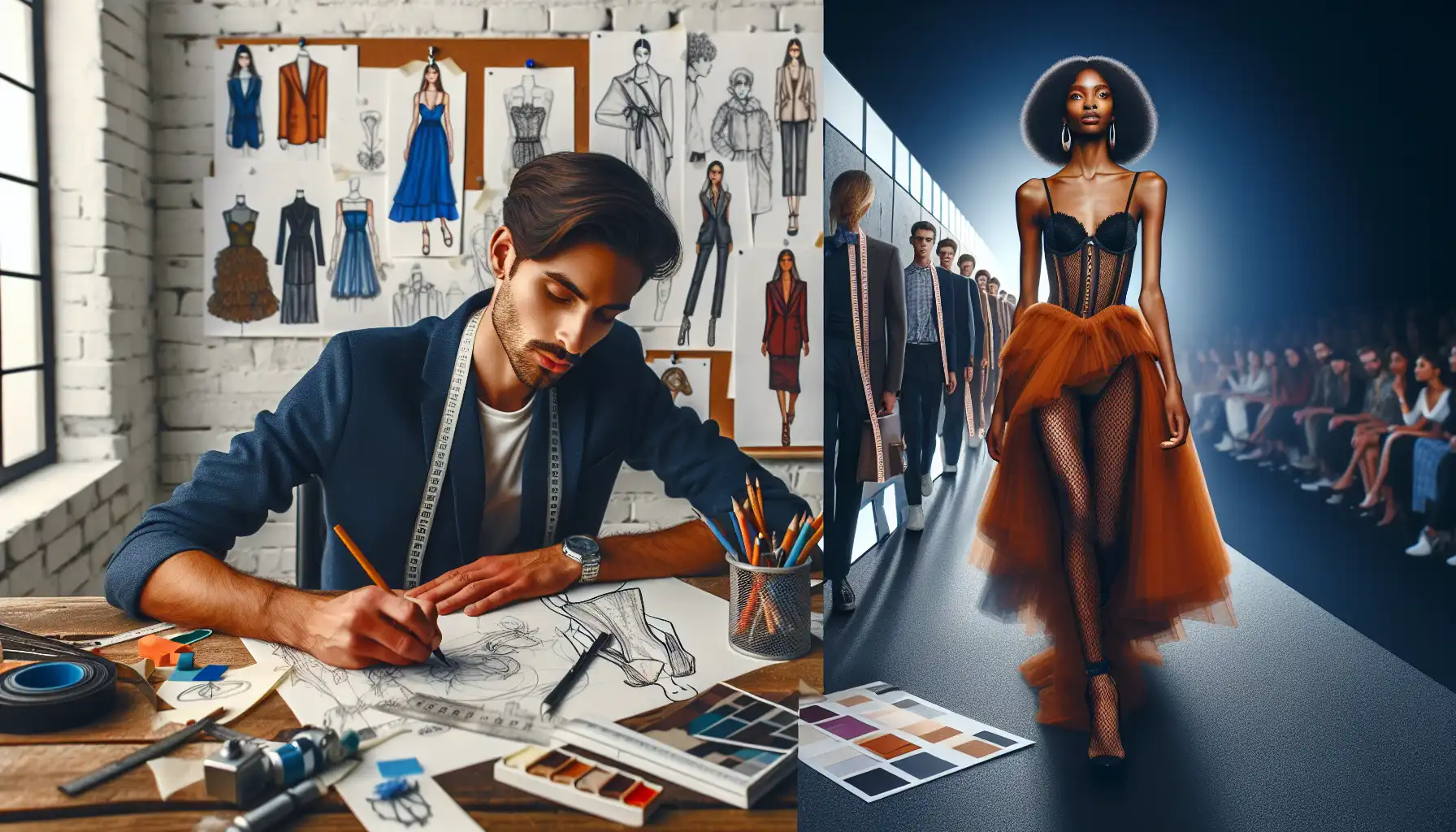
pivot62.com – In the ever-evolving landscape of the fashion industry, the traditional runway show has undergone a metamorphosis, transforming from a mere catwalk into a canvas for creative expression and innovation. Designers and brands are constantly pushing the boundaries of what a runway presentation can be, embracing technology, sustainability, and immersive experiences to create unforgettable spectacles that resonate with modern audiences. This article delves into the innovative concepts that are redefining the future of fashion presentations.

Virtual Runways and Digital Fashion Weeks

The digital revolution has had a profound impact on the fashion industry, with virtual runways and digital fashion weeks becoming the new norm, especially in the wake of global challenges like the COVID-19 pandemic. Brands like Dolce & Gabbana and Burberry have pioneered immersive digital experiences, using augmented reality (AR), virtual reality (VR), and 3D modeling to showcase their collections. These virtual presentations not only offer a front-row seat to audiences worldwide but also reduce the carbon footprint associated with physical events.

Sustainable Storytelling

Sustainability is no longer a buzzword but a commitment that many fashion brands are integrating into their runway presentations. Designers are increasingly focusing on eco-friendly materials, upcycling, and zero-waste designs. Brands like Stella McCartney and Gabriela Hearst are leading the charge, using their runway shows to tell a story of environmental responsibility and ethical production practices. These presentations often incorporate elements that reflect the brand’s commitment to sustainability, from the set design to the models’ makeup and hair.

Interactive Experiences

Interactive runway presentations are another innovative concept that is gaining traction. These experiences engage the audience in real-time, allowing them to interact with the show in various ways. For example, some designers have experimented with live voting, where the audience can choose which pieces make it to the final collection. Others have used mobile apps to provide additional content, such as behind-the-scenes footage or detailed information about the garments as they walk down the runway.

Theatrical and Immersive Sets

The runway is not just a path for models to walk; it’s a stage for storytelling. Designers are creating elaborate sets that transport the audience to different worlds, enhancing the narrative of their collections. From Marc Jacobs’ recreation of a Wes Anderson film set to Moschino’s supermarket runway, these theatrical presentations create a memorable experience that goes beyond the clothes themselves.

Technology-Infused Fashion

Wearable technology and smart fabrics are becoming more prevalent in fashion presentations. Designers are experimenting with materials that change color, texture, or shape in response to environmental factors or the wearer’s mood. These high-tech garments are often showcased in runway shows that incorporate light shows, soundscapes, and digital projections to highlight the interactive nature of the clothing.

Inclusivity and Diversity

The future of fashion is inclusive, and runway presentations are reflecting this shift. Brands are increasingly casting models of all ages, sizes, genders, and ethnicities, challenging traditional beauty standards and celebrating diversity. This inclusivity extends to the audience as well, with some brands offering adaptive fashion shows that cater to people with disabilities, ensuring that everyone can enjoy and participate in the fashion experience.

Pop-Up Runways

Pop-up runways are a novel concept that brings fashion shows to unexpected locations, turning streets, parks, or even abandoned buildings into temporary catwalks. This approach not only breaks down the barriers between high fashion and everyday life but also creates a sense of exclusivity and excitement as audiences discover where the next show will pop up.

In conclusion, the future of fashion runway presentations is a blend of creativity, technology, sustainability, and inclusivity. As designers continue to push the envelope, they are reimagining the runway as a platform for storytelling, innovation, and engagement. These innovative concepts not only captivate audiences but also reflect the changing values and expectations of the modern fashion consumer. As we look to the future, it’s clear that the runway will continue to evolve, offering endless possibilities for expression and experimentation.

The Narratives Behind Traditional Clothing: Sewn Stories

Traditional clothing is more than just fabric and thread; it is a tapestry of stories, histories, and cultures. Each stitch, pattern, and color speaks volumes about the heritage, beliefs, and identity of the people who wear them. These garments are not merely worn; they are lived in, passed down through generations, and imbued with the narratives of their people. This article delves into the sewn stories behind traditional clothing, exploring how these garments serve as a visual narrative of cultural identity and continuity.

The Language of Patterns and Colors

Traditional clothing often employs specific patterns and colors that are rich in meaning. For instance, the Scottish kilt features tartan patterns that represent different clans and families. Each color and line in the tartan tells a story, signifying allegiance, history, and sometimes even battles fought. Similarly, the vibrant hues of Indian sarees and the intricate patterns of African kente cloth are not just aesthetic choices; they are symbolic representations of social status, religious beliefs, and cultural heritage.

Techniques and Craftsmanship: A Legacy of Skill

The techniques used in creating traditional clothing are often passed down through generations, with each garment being a testament to the skill and craftsmanship of its maker. Embroidery, weaving, dyeing, and beadwork are among the many techniques that require years of practice to master. These skills are not just about making clothes; they are about preserving cultural knowledge and ensuring that the stories woven into these garments continue to be told.

In many cultures, the creation of traditional clothing is a communal affair, with members of the community coming together to share stories, techniques, and knowledge. This collective effort strengthens the bonds within the community and ensures that the cultural heritage is preserved and celebrated.

Adaptation and Innovation

While traditional clothing is deeply rooted in history, it is also subject to change and innovation. As societies evolve, so too do their garments, incorporating new materials, designs, and influences while maintaining the essence of their cultural identity. This adaptation is a testament to the resilience and creativity of cultures around the world, ensuring that traditional clothing remains relevant and cherished in contemporary times.

The Role of Traditional Clothing in Modern Society

In today’s globalized world, traditional clothing serves as a powerful symbol of cultural identity and pride. It is worn during festivals, ceremonies, and special occasions, providing a connection to the past and a sense of belonging. Moreover, traditional clothing has gained international recognition, with fashion designers and enthusiasts around the world appreciating and incorporating these designs into modern fashion.

Conclusion

Traditional clothing is a living narrative, a visual representation of the stories, histories, and identities of people around the world. From the patterns and colors to the techniques and craftsmanship, each garment is a testament to the rich cultural heritage of its people. As we continue to navigate the complexities of our globalized world, traditional clothing remains an important symbol of cultural continuity and pride. By preserving and celebrating these sewn stories, we honor the legacy of our ancestors and ensure that their narratives continue to be told for generations to come.