Crouching Tiger, Hidden Dragon: Martial Arts and Emotion

pivot62.com – “Crouching Tiger, Hidden Dragon,” directed by Ang Lee, is a film that transcends the boundaries of traditional martial arts cinema to deliver a captivating narrative filled with emotional depth and breathtaking visuals. Released in 2000, this wuxia epic has garnered international acclaim, revolutionizing the genre and leaving a lasting impact on audiences worldwide.

Introduction: A New Dawn in Martial Arts Cinema

“Crouching Tiger, Hidden Dragon” emerged at the turn of the millennium, offering a fresh perspective on the martial arts genre. While staying true to the traditional elements of wuxia films, such as intricate fight choreography and fantastical storytelling, Ang Lee infused the film with a profound narrative that explores themes of love, honor, and destiny. The film’s title itself, derived from a Chinese proverb, hints at the hidden talents and potential within each character, setting the stage for a tale of intrigue and introspection.

Plot Summary: A Tale of Love, Revenge, and Redemption

Set against the backdrop of 19th-century Qing Dynasty China, the film follows the journey of two warriors, Li Mu Bai (Chow Yun-Fat) and Yu Shu Lien (Michelle Yeoh), as they navigate a world of betrayal and unrequited love. The story unfolds as the legendary Green Destiny sword is stolen, leading to a pursuit that intertwines the lives of a rebellious young aristocrat, Jen Yu (Zhang Ziyi), and a bandit with a mysterious past, Lo (Chang Chen). As the characters’ paths collide, the film delves into their inner struggles, revealing the complexities of their relationships and the choices they must make.

Themes: The Duality of Strength and Vulnerability

“Crouching Tiger, Hidden Dragon” masterfully explores the duality of strength and vulnerability, both in martial prowess and emotional resonance. The film’s characters are portrayed with depth and nuance, each grappling with their desires and demons. Li Mu Bai’s quest for redemption and inner peace contrasts with Jen Yu’s rebellious spirit and quest for freedom. These themes are intricately woven into the fabric of the narrative, adding layers of meaning to the film’s visually stunning action sequences.

Cinematic Achievements: A Visual and Auditory Marvel

Ang Lee’s direction, combined with Peter Pau’s breathtaking cinematography, creates a visual feast that transports viewers into a world of ethereal beauty and fluid motion. The film’s iconic fight scenes, choreographed by legendary martial artist Yuen Woo-Ping, are meticulously crafted, showcasing a blend of elegance and intensity that has become a hallmark of the genre. Complementing the visuals is Tan Dun’s evocative score, which enhances the emotional depth and cultural authenticity of the film.

Legacy and Impact: Redefining Global Cinema

“Crouching Tiger, Hidden Dragon” broke barriers in global cinema, earning critical acclaim and commercial success worldwide. It received numerous accolades, including four Academy Awards, and paved the way for increased appreciation and recognition of Asian cinema on the international stage. The film’s success also highlighted the universal appeal of stories that transcend cultural boundaries, resonating with audiences through its universal themes of love, honor, and self-discovery.

Conclusion: A Timeless Classic

More than two decades after its release, “Crouching Tiger, Hidden Dragon” remains a timeless classic, celebrated for its artistic excellence and narrative depth. Ang Lee’s visionary approach, coupled with stellar performances by its cast, continues to inspire and captivate new generations of film enthusiasts. As a quintessential example of the wuxia genre, the film stands as a testament to the power of storytelling and the enduring allure of martial arts cinema.

Art and Inspiration from the Deep: The Ocean’s Canvas

pivot62.com – The vast, mysterious expanse of the ocean has long been a source of inspiration for artists around the globe. From the vibrant colors of coral reefs to the majestic forms of marine life, the underwater world offers an endless array of subjects for artistic expression. In this article, we delve into the ways in which the ocean serves as a canvas for creativity, exploring the themes, techniques, and impacts of art inspired by the deep.

Themes in Oceanic Art

Artists who draw inspiration from the ocean often focus on themes such as biodiversity, conservation, and the mysteries of the deep. Their work can range from realistic portrayals of marine ecosystems to abstract interpretations of the ocean’s moods and movements. Through their art, these creators aim to evoke a sense of wonder and respect for the ocean, encouraging viewers to consider the importance of preserving this precious environment.

Techniques and Mediums

The ocean’s influence on art is not limited to subject matter alone; it also extends to the techniques and mediums artists employ. Some artists use traditional media like paint and canvas to capture the essence of the sea, while others experiment with more unconventional materials, such as recycled ocean plastics or digital mediums that mimic the fluidity of water. 3D printing and virtual reality are also emerging as innovative tools for artists to bring the ocean’s depths to life in new and immersive ways.

Conservation Through Art

Many ocean-inspired artists use their work as a platform for conservation efforts. By highlighting the beauty of marine life and the threats it faces, such as pollution and climate change, artists can raise awareness and inspire action. Exhibitions, public installations, and collaborations with environmental organizations are just a few of the ways in which art can play a role in protecting the ocean.

The Impact of Oceanic Art

The impact of oceanic art extends beyond the walls of galleries and museums. It has the power to connect people with the natural world, fostering a sense of stewardship and responsibility. Through art, the ocean’s stories are shared, and its silent voices are given a platform. This connection can lead to a deeper understanding of the ocean’s role in our lives and the urgent need to protect it for future generations.

Conclusion

The ocean’s canvas is vast and ever-changing, offering endless inspiration for artists. As we continue to explore and document the wonders of the deep, art remains a powerful tool for celebrating the ocean’s beauty, raising awareness about its conservation, and fostering a deeper connection between humanity and the natural world. Through the lens of art, we can all become a part of the ocean’s story, contributing to a collective effort to preserve its treasures for centuries to come.

Culinary Arts in the Age of Majesty: The Renaissance of Flavor

pivot62.com – In the grand tapestry of history, few periods have been as illustrious and transformative as the Renaissance. A time of profound cultural rebirth, the Renaissance was not just a revival of art, literature, and science; it was also a golden age for the culinary arts. This era, spanning from the 14th to the 17th century, witnessed a renaissance of flavor, where the culinary world was revolutionized, and the art of cooking was elevated to new heights of majesty and sophistication.

The Dawn of a New Culinary Era

The Renaissance marked a significant shift in culinary practices and attitudes towards food. It was a period of exploration and discovery, both geographically and gastronomically. The spice trade flourished, introducing Europeans to a world of exotic flavors from the East, including cinnamon, nutmeg, and pepper. These spices were not only used for seasoning but also as a display of wealth and status.

The Art of Presentation

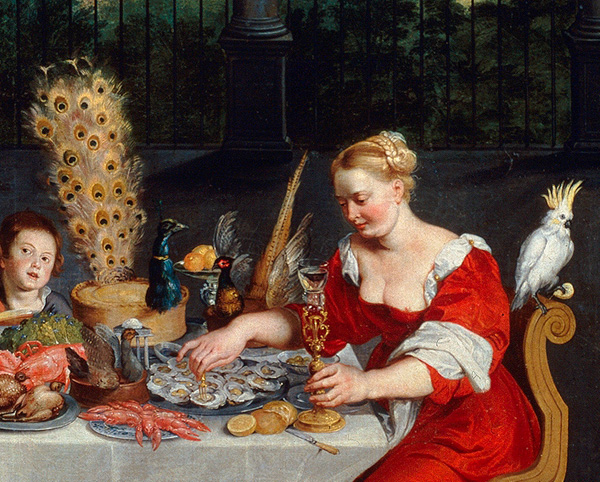
One of the hallmarks of Renaissance cuisine was the emphasis on presentation. Meals were not just about sustenance; they were a feast for the senses, where appearance and creativity played a pivotal role. Elaborate dishes were designed to impress and entertain, with food often sculpted into shapes of animals, mythological creatures, and even architectural structures. This artistry extended to the dining experience itself, with meals becoming elaborate affairs, showcasing the host’s wealth and sophistication.

The Influence of the Printing Press

The invention of the printing press by Johannes Gutenberg in the mid-15th century had a profound impact on the culinary world. For the first time, cookbooks could be mass-produced, making recipes accessible to a wider audience. This democratization of culinary knowledge led to a flourishing of culinary creativity and experimentation. One of the most famous cookbooks of the era, “De Honesta Voluptate et Valetudine” (On Right Pleasure and Good Health) by Bartolomeo Sacchi, known as Platina, was published in 1475 and became a cornerstone of Renaissance cuisine.

The Role of the Court

The courts of Europe were the epicenters of culinary innovation during the Renaissance. Monarchs and nobles competed to host the most lavish banquets, employing the finest chefs to create dishes that were as much a spectacle as they were a meal. The French court, under the reign of Catherine de’ Medici, played a particularly influential role in shaping the culinary landscape of the Renaissance. Catherine’s Italian chefs introduced French cuisine to a variety of new ingredients and cooking techniques, leading to the development of the French haute cuisine that would dominate European culinary trends for centuries to come.

The Legacy of Renaissance Cuisine

The Renaissance of Flavor left an indelible mark on the culinary world. It was a period of experimentation and innovation, where the boundaries of what was possible in the kitchen were pushed further than ever before. The legacy of Renaissance cuisine can be seen in the culinary traditions of Europe and beyond, from the emphasis on presentation and creativity to the use of spices and the development of haute cuisine.

As we continue to explore the rich tapestry of culinary history, the Renaissance stands out as a beacon of creativity and sophistication. It was an age where the culinary arts were elevated to new heights, and the world of flavor was forever transformed. The Renaissance of Flavor is not just a chapter in history; it is a testament to the enduring power of culinary innovation and the universal quest for culinary excellence.

Balancing Art and Existence: The Writer’s Life

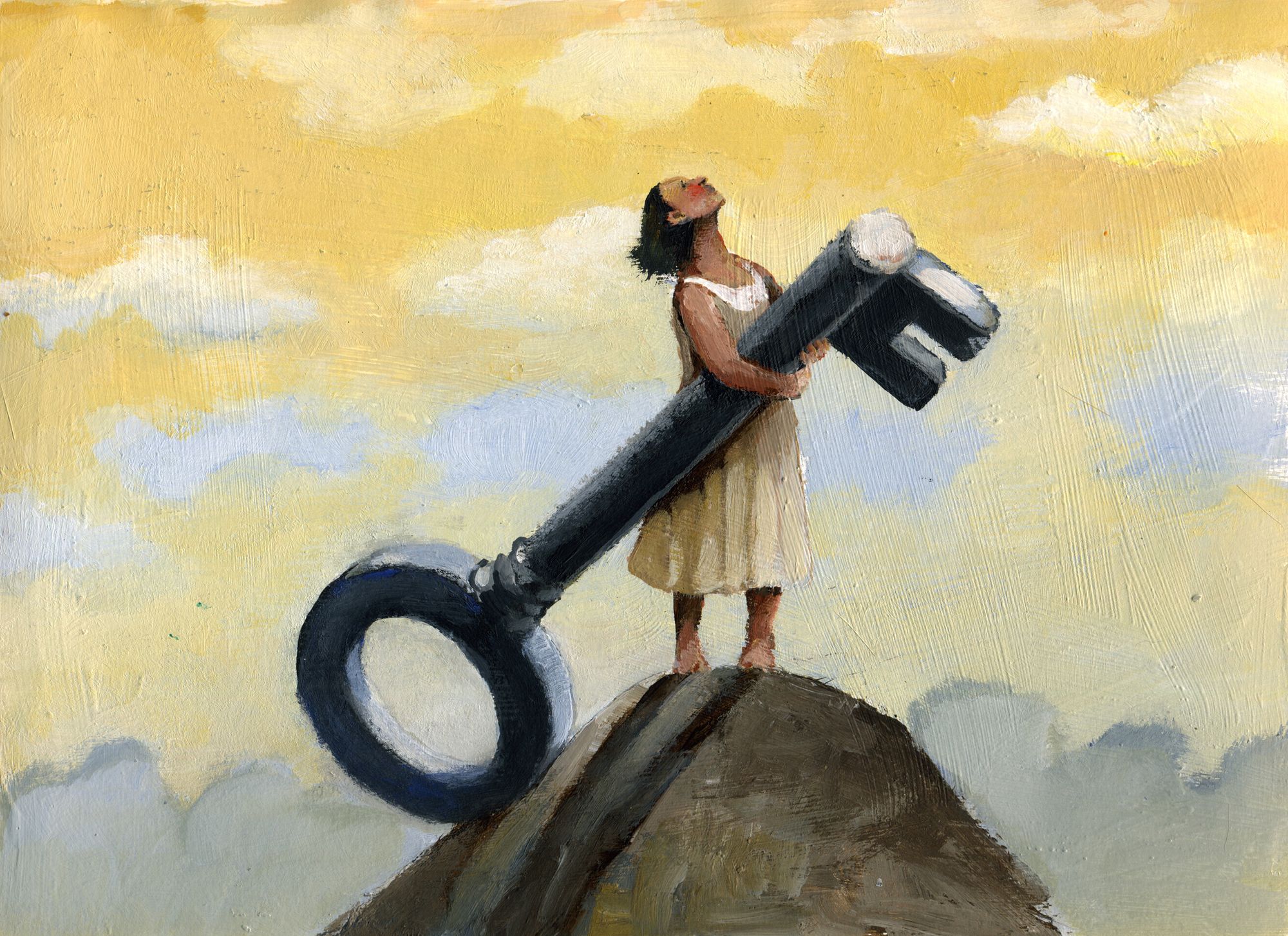
pivot62.com – In the quiet corners of the world, where the hum of daily life fades into the background, writers weave the fabric of existence into stories that resonate with the human experience. The writer’s life is a delicate balance between the art of storytelling and the demands of existence. It is a journey filled with solitude, creativity, and the relentless pursuit of the perfect word.

At the heart of the writer’s existence is the art of writing itself. It is an art form that requires patience, discipline, and an unwavering commitment to the craft. Writers spend countless hours honing their skills, experimenting with language, and exploring the depths of human emotion. They are driven by a desire to create something meaningful, to tell stories that inspire, entertain, and provoke thought.

However, the pursuit of art does not exist in a vacuum. Writers must also navigate the practicalities of life. They must find a balance between the demands of their craft and the need to sustain themselves financially, emotionally, and physically. This balance is often precarious, as the life of a writer can be unpredictable and fraught with challenges.

One of the greatest challenges writers face is the struggle for recognition and financial stability. The path to success in the literary world is often long and arduous, with many writers facing rejection and obscurity before finding their audience. This can lead to feelings of isolation and self-doubt, as writers question the value of their work and their place in the world.

To maintain this balance, writers must cultivate resilience and a strong support system. They must learn to manage their time effectively, carving out space for writing amidst the chaos of life. This often requires sacrifice and a willingness to prioritize their art, even when it means forgoing other opportunities or comforts.

The digital age has both complicated and simplified the writer’s life. On one hand, the internet has opened up new avenues for publication and distribution, allowing writers to reach a global audience with the click of a button. On the other hand, the proliferation of content has made it more difficult for writers to stand out and be heard. Social media and online platforms demand constant engagement, blurring the lines between personal and professional life.

Despite these challenges, the life of a writer is also filled with profound rewards. There is a unique joy in creating something from nothing, in giving voice to the voiceless, and in connecting with readers on a deep, emotional level. Writers have the power to change perspectives, challenge societal norms, and inspire change.

In the end, the writer’s life is a testament to the enduring power of storytelling. It is a life dedicated to the pursuit of beauty, truth, and understanding. For those who choose this path, the balance between art and existence is not just a challenge to be overcome, but a journey to be embraced—a journey that enriches both the writer and the world they seek to illuminate with their words.