Spinach and Other Leafy Greens: Nutritional Powerhouses

pivot62.com – Leafy green vegetables, including the ever-popular spinach, are nutritional powerhouses packed with vitamins, minerals, and antioxidants. These versatile greens form an integral part of healthy diets worldwide, offering a wide array of culinary applications, from fresh salads to cooked dishes like flavorful sauces, stews, and sides. This article explores the world of spinach and other leafy greens, delving into their varieties, nutritional benefits, culinary uses, and tips for incorporating them into your diet.   

A World of Greens: Exploring the Variety

The term “leafy greens” encompasses a diverse group of vegetables, each with unique characteristics and nutritional profiles. Some of the most commonly consumed leafy greens include:   

  • Spinach (Spinacia oleracea): Known for its mild flavor and tender leaves, spinach is a versatile green that can be eaten raw or cooked.   
  • Kale (Brassica oleracea var. sabellica): A member of the cabbage family, kale is known for its slightly bitter flavor and sturdy leaves. It is often enjoyed in salads, smoothies, and cooked dishes.   
  • Collard Greens (Brassica oleracea var. viridis): Another member of the cabbage family, collard greens have a slightly bitter flavor and are often cooked slowly with smoked meats or other flavorings.   
  • Mustard Greens (Brassica juncea): These greens have a peppery, pungent flavor and are often cooked or added to salads.   
  • Romaine Lettuce (Lactuca sativa var. longifolia): A popular lettuce variety with crisp, elongated leaves, commonly used in salads like Caesar salad.   
  • Arugula (Eruca vesicaria): Also known as rocket, arugula has a peppery, slightly nutty flavor and is often used in salads and as a garnish.   
  • Swiss Chard (Beta vulgaris subsp. cicla): A leafy green related to beets, Swiss chard has a slightly bitter flavor and colorful stems.   
  • Turnip Greens (Brassica rapa subsp. rapa): The leafy tops of turnips, these greens have a slightly bitter and peppery flavor.   

Nutritional Benefits: A Treasure Trove of Nutrients

Leafy greens are packed with essential nutrients that contribute to overall health and well-being.   

  • Vitamins: Leafy greens are excellent sources of vitamins A, C, K, and folate.   
  • Minerals: They are rich in minerals such as iron, calcium, potassium, and magnesium.
  • Fiber: Leafy greens are high in fiber, which promotes digestive health and helps regulate blood sugar levels.   
  • Antioxidants: They contain various antioxidants, which help protect the body against cell damage.   
  • Low in Calories: Leafy greens are very low in calories, making them a great addition to weight-management diets.   

Culinary Uses: From Fresh to Cooked

Leafy greens are incredibly versatile in the kitchen, offering a wide range of culinary applications.

  • Salads: Many leafy greens, such as spinach, romaine lettuce, and arugula, are commonly eaten raw in salads.   
  • Smoothies: Leafy greens can be blended into smoothies for a nutritional boost.   
  • Sautéed or Stir-Fried: Leafy greens can be quickly sautéed or stir-fried with other vegetables, garlic, and spices.   
  • Steamed or Boiled: Leafy greens can be steamed or boiled until tender.   
  • Soups and Stews: Leafy greens can be added to soups and stews for added flavor and nutrition.   
  • Sauces: Leafy greens, particularly spinach, can be pureed into sauces, adding a vibrant green color and nutritional value. Examples include palak paneer (spinach and cheese) and creamed spinach.   
  • Baked Dishes: Leafy greens can be incorporated into baked dishes such as quiches, pies, and gratins.

Cooking Leafy Greens: Tips and Techniques

When cooking leafy greens, it’s important to avoid overcooking them, as this can make them mushy and reduce their nutritional value.

  • Washing: Thoroughly wash leafy greens to remove any dirt or debris.
  • Sautéing: Sautéing leafy greens in a little oil or butter is a quick and easy way to cook them.
  • Steaming: Steaming leafy greens helps to retain their nutrients and vibrant color.   
  • Boiling: If boiling, use a minimal amount of water and cook for a short time.

Incorporating Leafy Greens into Your Diet

There are many ways to incorporate more leafy greens into your diet:

  • Add spinach to your morning smoothie.
  • Use romaine lettuce for wraps or sandwiches.
  • Add kale to soups and stews.
  • Sauté spinach or other greens as a side dish.
  • Use arugula as a topping for pizza or pasta.
  • Make a large salad with a variety of leafy greens.

Specific Examples of Leafy Green Sauces

  • Palak Paneer (Indian): A creamy spinach sauce with paneer (Indian cheese).   
  • Creamed Spinach (Western): A classic side dish made with spinach, cream, and seasonings.
  • Pesto (Italian): While traditionally made with basil, some variations use spinach or other greens.
  • Green Goddess Dressing (American): A creamy dressing made with herbs, including parsley and often spinach.

Conclusion: A Vital Part of a Healthy Diet

Spinach and other leafy greens are an essential part of a healthy and balanced diet. Their rich nutritional content and culinary versatility make them a valuable addition to any meal. By incorporating these vibrant greens into your daily meals, you can reap their numerous health benefits and enjoy their diverse flavors.

The Zesty Citrus: A Comprehensive Look at Yuzu

pivot62.com – Yuzu, a citrus fruit native to East Asia, is known for its unique flavor profile, combining the tartness of a lemon with the sweetness of a mandarin orange. This distinctive fruit has gained popularity worldwide, particularly in Japanese cuisine, where it is used to add a bright, citrusy flavor to a variety of dishes.

A Brief History

The exact origins of yuzu are uncertain, but it is believed to have originated in China or Korea. The fruit has been cultivated in Japan for centuries, where it has become an integral part of Japanese cuisine and culture. Yuzu is now grown in various parts of the world, including South Korea, China, and the United States.

Nutritional Benefits

Yuzu is a nutritional powerhouse, offering a range of health benefits:

  • Vitamin C: Yuzu is an excellent source of vitamin C, which is essential for immune function and skin health.
  • Antioxidants: The antioxidants in yuzu help protect cells from damage caused by free radicals.
  • Fiber: Yuzu contains a moderate amount of fiber, which aids in digestion and promotes satiety.
  • Potassium: Potassium is essential for maintaining healthy blood pressure.

Culinary Uses

Yuzu is a versatile ingredient that can be used in a variety of dishes:

  • Fresh Juice: Yuzu juice is a popular ingredient in Japanese cuisine, used to flavor sauces, marinades, and dressings.
  • Zest: Yuzu zest adds a bright, citrusy flavor to baked goods, desserts, and savory dishes.
  • Preserves: Yuzu can be used to make marmalade, jam, and other preserves.
  • Cocktails: Yuzu is a popular ingredient in cocktails, adding a unique and refreshing flavor.

Health Benefits

In addition to its nutritional value, yuzu has several health benefits:

  • Digestive Health: Yuzu can help stimulate digestion and relieve indigestion.
  • Immune Boost: The vitamin C in yuzu can help boost the immune system and protect against infections.
  • Skin Health: The antioxidants in yuzu can help protect the skin from damage caused by free radicals.

Selecting and Storing Yuzu

When selecting yuzu, choose fruits that are firm, heavy for their size, and have a bright yellow color. Avoid yuzu with blemishes or soft spots. Store yuzu in a cool, dry place, away from direct sunlight.

Conclusion

Yuzu, with its unique flavor profile and numerous health benefits, is a versatile and delicious fruit. Whether you’re using it to add a burst of flavor to your dishes or to boost your health, yuzu is sure to elevate your culinary experiences.

Bossam: The Delightful Korean Boiled Pork Wraps

pivot62.com – Bossam is a cherished Korean dish that showcases the art of wrapping tender slices of boiled pork in fresh vegetables. Known for its rich flavors and interactive dining experience, Bossam is a popular choice for gatherings and celebrations. This dish combines savory pork, crunchy vegetables, and a variety of condiments, offering a harmonious blend of textures and tastes.

Historical Background and Cultural Significance

Bossam has its origins in Korean culinary traditions dating back centuries. It was traditionally prepared during kimjang, the annual kimchi-making season, as a way to celebrate and complement the fresh kimchi. Over time, Bossam has become a beloved dish enjoyed throughout the year, synonymous with communal dining and festive occasions. Its preparation and presentation reflect the importance of sharing and togetherness in Korean culture.

Key Ingredients and Flavor Profile

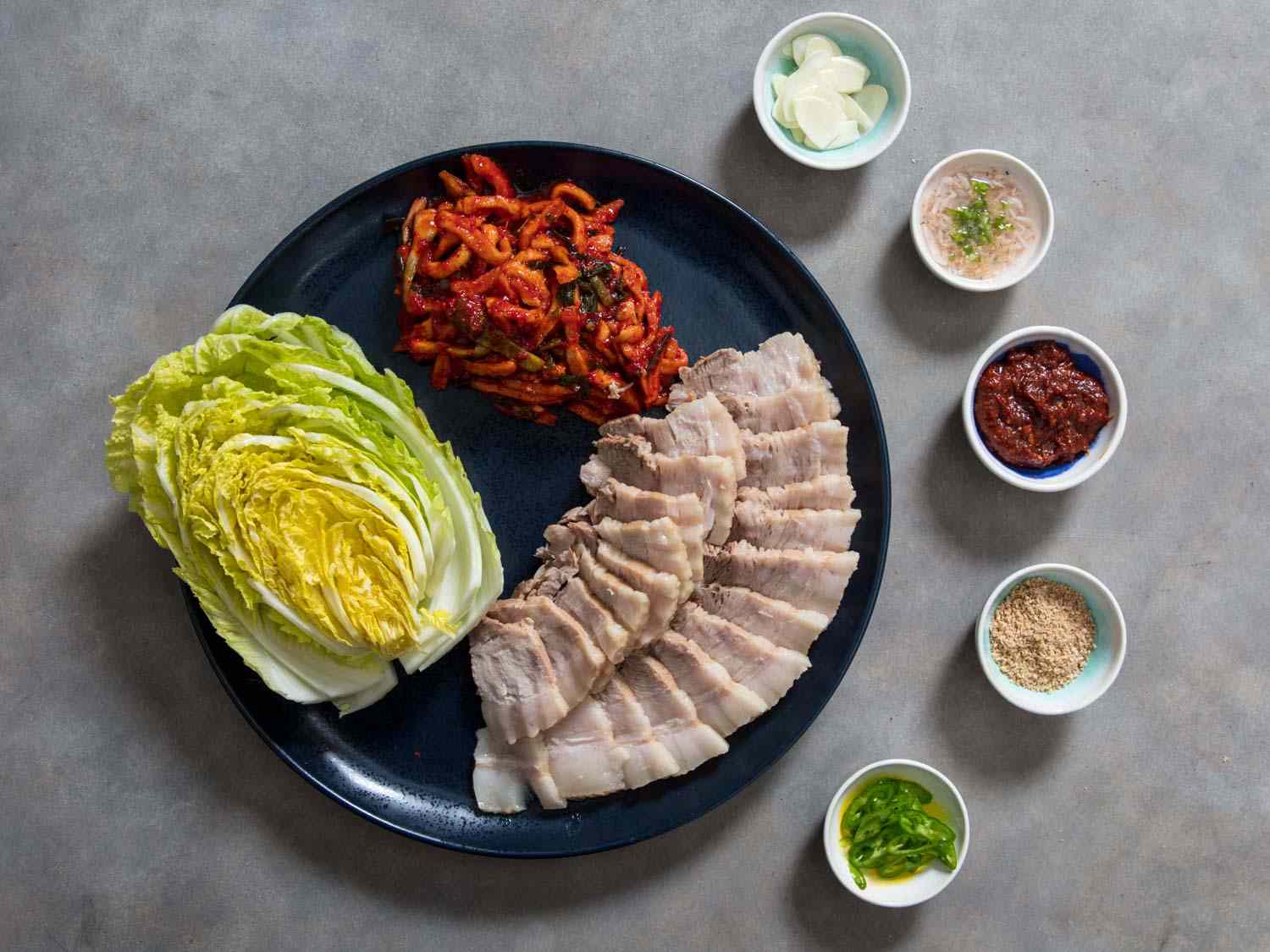
The main ingredients in Bossam include pork, usually pork belly or shoulder, and a selection of fresh vegetables and herbs for wrapping. The dish is accompanied by various sides and condiments, enhancing its flavor:

  • Pork: Boiled until tender, the pork is seasoned with spices such as garlic, ginger, and bay leaves, resulting in a juicy and flavorful meat.
  • Vegetables: Commonly used wrappers include lettuce, napa cabbage, and perilla leaves, providing a fresh and crisp contrast to the rich pork.
  • Condiments: Includes ssamjang (spicy dipping sauce), kimchi, garlic slices, and pickled radish, adding layers of flavor and spice.

Preparation Method

  1. Boiling the Pork: Begin by boiling the pork with garlic, ginger, and bay leaves until it becomes tender and flavorful. This usually takes about 1.5 to 2 hours, depending on the cut of meat.
  2. Preparing the Wraps: While the pork is cooking, wash and prepare the vegetables. Separate the leaves and arrange them on a platter for easy wrapping.
  3. Making the Ssamjang Sauce: Mix together doenjang (soybean paste), gochujang (red pepper paste), minced garlic, sesame oil, and a touch of sugar to create the savory ssamjang sauce.
  4. Assembling the Wraps: Once the pork is cooked, slice it into thin pieces. To assemble a wrap, take a vegetable leaf, place a slice of pork on top, add a dollop of ssamjang, a piece of kimchi, and any other desired condiments. Roll it up, and enjoy!

Serving Suggestions

Bossam is best served as a communal dish, allowing diners to customize their wraps to their liking. It is often accompanied by a variety of banchan (side dishes) and is traditionally enjoyed with a bowl of steaming rice. A popular pairing is with makgeolli, a Korean rice wine, which complements the flavors of the dish perfectly.

Conclusion

Bossam is a testament to the beauty of Korean cuisine, emphasizing the joy of sharing and the harmony of flavors. Its combination of tender pork, fresh vegetables, and flavorful condiments creates a delicious and interactive dining experience. Whether enjoyed with family or friends, Bossam offers a taste of Korean culinary tradition that is both satisfying and memorable.

Tempeh: The Nutrient-Rich Fermented Soybean Cake

pivot62.com – Tempeh, a traditional Indonesian food, has been celebrated for centuries as a nutritious and versatile ingredient. This fermented soybean cake is gaining popularity worldwide for its high protein content, unique texture, and health benefits. In this article, we will explore the history, preparation, nutritional value, and culinary uses of tempeh.

The Origins of Tempeh

Tempeh originated on the island of Java in Indonesia, where it has been a staple in the local diet for hundreds of years. The fermentation process used to make tempeh is believed to have been developed by the Javanese as a way to preserve soybeans and enhance their nutritional value. Over time, tempeh has become a significant part of Indonesian cuisine and has spread to other parts of Southeast Asia and beyond.

How Tempeh is Made

The process of making tempeh involves fermenting cooked soybeans with a specific type of mold, usually Rhizopus oligosporus. The soybeans are soaked, dehulled, cooked, and then mixed with the mold spores. The mixture is then spread into a thin layer and incubated at a warm temperature for about 24 to 48 hours. During this time, the mold grows and binds the soybeans into a firm, cake-like structure with a distinct, nutty flavor.

Nutritional Benefits of Tempeh

Tempeh is highly regarded for its nutritional profile, making it an excellent addition to a balanced diet. It is an excellent source of plant-based protein, providing all essential amino acids, which makes it a popular choice among vegetarians and vegans. Additionally, tempeh is rich in vitamins and minerals, including calcium, iron, and magnesium. The fermentation process also enhances the bioavailability of nutrients and introduces beneficial probiotics that support gut health.

Culinary Uses of Tempeh

Tempeh’s firm texture and robust flavor make it a versatile ingredient in various dishes. It can be sliced, cubed, or crumbled and incorporated into a range of recipes. Tempeh can be grilled, sautéed, steamed, or baked, and it readily absorbs flavors from marinades and sauces. Popular dishes featuring tempeh include tempeh stir-fries, sandwiches, salads, and curries. Its adaptability makes it a valuable ingredient for both traditional and modern culinary creations.

Tempeh in Global Cuisine

Beyond its Indonesian roots, tempeh has gained recognition in global cuisine as a nutritious meat alternative. In Western countries, it is often used as a protein-rich substitute in vegetarian and vegan dishes. Chefs around the world have embraced tempeh’s versatility, incorporating it into a variety of international cuisines, from Asian-inspired dishes to Mediterranean and American fare.

Conclusion

Tempeh is a testament to the ingenuity of traditional Indonesian food preservation methods, offering a delicious and healthful option for those seeking plant-based nutrition. Its rich protein content, unique texture, and adaptability in the kitchen have made it a favorite among health-conscious eaters and culinary enthusiasts alike. Whether enjoyed in its traditional form or as part of a contemporary dish, tempeh continues to be celebrated as a nutrient-rich fermented treasure.

Nibbles: The Joy of Small Bites

pivot62.com – Nibbles, often referred to as appetizers, starters, or hors d’oeuvres, are small, bite-sized portions of food that are served before a meal or as part of a casual gathering. They are designed to stimulate the appetite and provide a delightful prelude to the main course. Nibbles can range from simple snacks like nuts and chips to more elaborate creations like canapés and miniature quiches.

The Art of Nibbling

The concept of nibbling is an art form that encourages creativity and experimentation in the kitchen. It allows hosts to showcase a variety of flavors, textures, and culinary techniques in a single setting. Nibbles can be served hot or cold, and they often incorporate a mix of sweet and savory elements to tantalize the taste buds. Whether it’s a formal dinner party or a laid-back get-together, nibbles are a versatile way to engage guests and set the tone for the event.

Types of Nibbles

Nibbles come in countless varieties, catering to different dietary preferences and cultural cuisines. Some popular types include:

  • Vegetable Crudités: Fresh, raw vegetables cut into bite-sized pieces, often served with a dip like hummus or ranch dressing.
  • Cheese and Charcuterie Boards: An assortment of cheeses, cured meats, fruits, and nuts arranged on a platter for guests to sample.
  • Finger Sandwiches: Small, dainty sandwiches with the crusts removed, filled with a variety of ingredients such as egg salad, cucumber, or smoked salmon.
  • Sushi Rolls: Miniature versions of traditional sushi, perfect for a quick bite and a burst of flavor.
  • Tapas: A Spanish tradition, tapas are a selection of small dishes such as patatas bravas, gambas al ajillo, and chorizo in wine.

Health Benefits of Nibbling

Nibbling can also be a healthy way to enjoy food, as it encourages portion control and mindful eating. By offering a variety of nibbles, hosts can provide guests with the opportunity to sample different foods without overindulging. Including options that are high in protein, fiber, and nutrients can contribute to a balanced diet and satisfy hunger without the need for large portions.

Nibbles for Special Occasions

Nibbles are not just for casual gatherings; they can also elevate special occasions like weddings, anniversaries, and holiday parties. Customized nibbles that reflect the theme or season can add a personal touch and create a memorable experience for guests. For example, serving miniature pumpkin pies or turkey sliders during Thanksgiving can bring a festive feel to the celebration.

Conclusion

Nibbles are a delightful way to enjoy food in a social setting, offering a blend of flavors, textures, and culinary creativity. Whether you’re hosting a lavish event or a cozy gathering, incorporating nibbles into your menu can enhance the overall experience and provide a delightful start to any meal. So the next time you plan an event, consider the joy of nibbling and the myriad possibilities it presents to impress and satisfy your guests.

Street Food in Houston: A Exploration of Authentic Mexican Flavors

pivot62.com – Houston, with its vibrant culture and diverse population, is a melting pot of culinary traditions. Among the many food scenes in the city, the street food culture stands out for its authentic Mexican flavors. Houston’s street food is a testament to the city’s rich Mexican heritage, offering a variety of delicious and convenient options that reflect the diversity and depth of Mexican cuisine.

The History of Mexican Street Food in Houston

The history of Mexican street food in Houston is intertwined with the city’s growth and its close proximity to the Mexican border. As Mexican immigrants settled in Houston, they brought with them their culinary traditions, including the art of street food. Over the years, these traditions have evolved, blending with local tastes and ingredients to create a unique Houston-style Mexican street food scene.

Tacos: The Heart of Houston’s Mexican Street Food

Tacos are the quintessential Mexican street food, and Houston does them justice with a variety of styles and fillings. From the classic al pastor, marinated pork cooked on a spit, to the more adventurous lengua, beef tongue, Houston’s taco scene offers something for every palate. The art of the taco lies in the balance of flavors, textures, and the quality of the ingredients, making each bite a delightful experience.

The Art of the Taco

The art of making the perfect taco is a skill that Houston’s street food vendors have mastered. It starts with the tortilla, which can be made from corn or flour, depending on the regional style. The filling is then carefully prepared, often with a blend of spices and herbs that enhance the natural flavors of the meat or vegetables. Toppings such as onions, cilantro, and salsas add layers of flavor and texture, making each taco a culinary masterpiece.

Beyond Tacos: The Diversity of Houston’s Mexican Street Food

While tacos are the star of the show, Houston’s Mexican street food scene offers much more. Here are some other delicious options to explore:

Tamales

Tamales, steamed corn dough filled with meat, cheese, or vegetables, are a traditional Mexican dish that has found a home in Houston’s street food scene. Vendors often sell tamales by the dozen, making them a perfect snack or meal on the go.

Elote

Elote, or Mexican street corn, is a popular snack that has gained a cult following in Houston. Grilled corn on the cob is slathered in a creamy sauce, sprinkled with cheese, and seasoned with chili powder and lime juice, creating a mouthwatering combination of flavors.

Quesadillas

Quesadillas, tortillas filled with cheese and other ingredients, are another favorite among Houston’s street food enthusiasts. Vendors offer a variety of fillings, from classic chicken and beef to more innovative options like mushrooms and goat cheese.

The Future of Mexican Street Food in Houston

As Houston continues to embrace its diverse culinary traditions, the Mexican street food scene is evolving. Young chefs and entrepreneurs are introducing new flavors and techniques, blending traditional Mexican cuisine with international influences. Food trucks and pop-up stalls are becoming more common, providing a platform for these culinary explorations.

Conclusion

Houston’s Mexican street food scene is a vibrant and dynamic part of the city’s culinary landscape. From the classic tacos to the innovative quesadillas, the street food of Houston offers a delightful exploration of authentic Mexican flavors. Whether you’re a local or a visitor, the street food of Houston is an adventure not to be missed.

Culinary Arts in the Age of Majesty: The Renaissance of Flavor

pivot62.com – In the grand tapestry of history, few periods have been as illustrious and transformative as the Renaissance. A time of profound cultural rebirth, the Renaissance was not just a revival of art, literature, and science; it was also a golden age for the culinary arts. This era, spanning from the 14th to the 17th century, witnessed a renaissance of flavor, where the culinary world was revolutionized, and the art of cooking was elevated to new heights of majesty and sophistication.

The Dawn of a New Culinary Era

The Renaissance marked a significant shift in culinary practices and attitudes towards food. It was a period of exploration and discovery, both geographically and gastronomically. The spice trade flourished, introducing Europeans to a world of exotic flavors from the East, including cinnamon, nutmeg, and pepper. These spices were not only used for seasoning but also as a display of wealth and status.

The Art of Presentation

One of the hallmarks of Renaissance cuisine was the emphasis on presentation. Meals were not just about sustenance; they were a feast for the senses, where appearance and creativity played a pivotal role. Elaborate dishes were designed to impress and entertain, with food often sculpted into shapes of animals, mythological creatures, and even architectural structures. This artistry extended to the dining experience itself, with meals becoming elaborate affairs, showcasing the host’s wealth and sophistication.

The Influence of the Printing Press

The invention of the printing press by Johannes Gutenberg in the mid-15th century had a profound impact on the culinary world. For the first time, cookbooks could be mass-produced, making recipes accessible to a wider audience. This democratization of culinary knowledge led to a flourishing of culinary creativity and experimentation. One of the most famous cookbooks of the era, “De Honesta Voluptate et Valetudine” (On Right Pleasure and Good Health) by Bartolomeo Sacchi, known as Platina, was published in 1475 and became a cornerstone of Renaissance cuisine.

The Role of the Court

The courts of Europe were the epicenters of culinary innovation during the Renaissance. Monarchs and nobles competed to host the most lavish banquets, employing the finest chefs to create dishes that were as much a spectacle as they were a meal. The French court, under the reign of Catherine de’ Medici, played a particularly influential role in shaping the culinary landscape of the Renaissance. Catherine’s Italian chefs introduced French cuisine to a variety of new ingredients and cooking techniques, leading to the development of the French haute cuisine that would dominate European culinary trends for centuries to come.

The Legacy of Renaissance Cuisine

The Renaissance of Flavor left an indelible mark on the culinary world. It was a period of experimentation and innovation, where the boundaries of what was possible in the kitchen were pushed further than ever before. The legacy of Renaissance cuisine can be seen in the culinary traditions of Europe and beyond, from the emphasis on presentation and creativity to the use of spices and the development of haute cuisine.

As we continue to explore the rich tapestry of culinary history, the Renaissance stands out as a beacon of creativity and sophistication. It was an age where the culinary arts were elevated to new heights, and the world of flavor was forever transformed. The Renaissance of Flavor is not just a chapter in history; it is a testament to the enduring power of culinary innovation and the universal quest for culinary excellence.

Unveiling the Origins of Your Favorite Treats: Snacktime Stories

Snacktime is a universal pleasure, a moment of indulgence that breaks the monotony of the day. From the crunch of a freshly baked cookie to the sweet tang of a gummy bear, each snack has a story that’s as rich and satisfying as the treat itself. These stories often span centuries, continents, and cultures, reflecting the evolution of human tastes and ingenuity. In this article, we’ll explore the fascinating origins of some of the world’s most beloved snacks, uncovering the historical, cultural, and sometimes accidental moments that led to their creation.

The Humble Cookie:
The cookie, in its various forms, has been around for thousands of years. The ancient Persians are credited with inventing the cookie as we know it, using them to carry spices and flavors. The term “cookie” itself comes from the Dutch word “koekje,” meaning “little cake.” Cookies were initially hard and durable, making them ideal for long sea voyages. Over time, they evolved into the soft, chewy, and sweet treats we enjoy today, with each region adding its unique twist, from the buttery shortbread of Scotland to the spiced gingerbread of Germany.

The Sweet Tale of Chocolate:
Chocolate’s journey from a bitter drink in ancient Mesoamerica to the beloved candy bar is a tale of exploration and innovation. The Mayans and Aztecs revered cacao beans, using them as currency and to make a frothy, bitter drink. It wasn’t until the Spanish conquistadors brought chocolate to Europe that it began its transformation into the sweet treat we know today. The addition of sugar, milk, and vanilla in the 17th and 18th centuries revolutionized chocolate, leading to the creation of solid chocolate bars in the 19th century, thanks to the invention of the cocoa press by Dutch chemist Coenraad Johannes van Houten.

The Accidental Invention of Potato Chips:
Potato chips, or crisps as they’re known in some parts of the world, owe their existence to an act of culinary defiance. Legend has it that in 1853, a customer at Moon’s Lake House in Saratoga Springs, New York, complained that his fried potatoes were too thick. Chef George Crum, frustrated by the repeated complaints, sliced the potatoes paper-thin and fried them to a crisp, intending to mock the customer. To his surprise, the customer loved them, and the “Saratoga Chips” became a sensation, eventually leading to the mass-produced snack we enjoy today.

The Global Phenomenon of Instant Noodles:
Instant noodles, a staple in pantries around the world, were invented by Momofuku Ando in Japan in 1958. Ando, the founder of Nissin Foods, was inspired by the long lines for ramen after World War II. He wanted to create a quick, affordable, and easy-to-prepare noodle that would satisfy the hunger of the masses. After two years of experimentation, he invented the flash-frying technique that dehydrates the noodles, making them easy to cook and store. The result was “Chicken Ramen,” the first instant noodle product, which quickly became a global phenomenon.

The Colorful History of Gummy Bears:
Gummy bears, the chewy, fruity treats, were invented in 1922 by Hans Riegel, the founder of Haribo, in Bonn, Germany. Originally called “Dancing Bear” candies, they were inspired by the popular dancing bear shows of the time. The original gummy bears were much firmer than today’s versions and came in one flavor, fruit. Over the years, the recipe was perfected, and the bears became softer and more flavorful, leading to a variety of gummy shapes and flavors that have delighted children and adults alike.

Conclusion:
The stories behind our favorite snacks are as diverse and delightful as the treats themselves. From the ancient origins of cookies to the accidental invention of potato chips, each snack has a unique history that reflects the creativity and cultural influences of its creators. As we reach for that bag of chips or unwrap a chocolate bar, we can appreciate the journey that these simple pleasures have taken to become an integral part of our daily lives. So next time you indulge in a snack, take a moment to savor not just the taste, but the story behind it.

The Coffee That Comes With a Hefty Price Tag: Kopi Luwak

In the world of coffee connoisseurship, there exists a beverage that stands apart from the rest, not only for its unique flavor profile but also for its extraordinary production process and exorbitant price tag. This coffee is none other than Kopi Luwak, often referred to as the most expensive coffee in the world. Originating from the Indonesian islands, this coffee’s story is as intriguing as its taste, involving a peculiar animal, a meticulous harvesting process, and a global demand that has led to its high cost.

The Origins of Kopi Luwak:
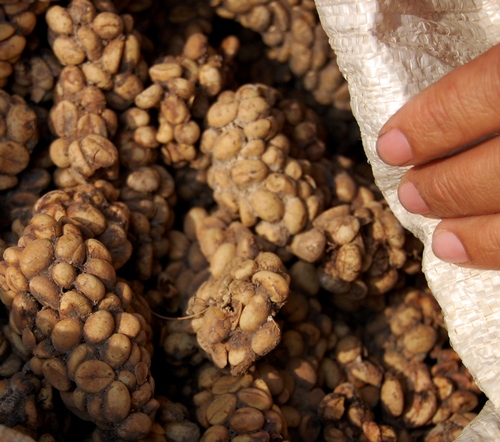
Kopi Luwak’s story begins with the Asian palm civet, a small, cat-like creature known locally as the luwak. These nocturnal mammals are native to the Indonesian islands, where they have a peculiar diet that includes coffee berries. The luwak consumes the berries, but during the digestion process, the beans inside the berries are left largely intact. These beans are then excreted by the luwak, and it is from this unusual source that the coffee gets its name.

The Unique Production Process:
The production of Kopi Luwak is unlike that of any other coffee. After the beans have been excreted by the luwak, local farmers collect them from the forest floor. The beans are then thoroughly washed to remove any remaining digestive enzymes and impurities. This washing process is crucial to ensure that the coffee does not taste like feces but instead develops a unique flavor profile that is attributed to the luwak’s digestive process.

The beans are then sun-dried, hulled, and roasted to bring out their complex flavors. The digestive enzymes of the luwak are believed to break down proteins that would normally turn into bitter acids during the roasting process, resulting in a coffee that is less acidic and has a smoother, more rounded taste.

The Hefty Price Tag:
The unique production process of Kopi Luwak, combined with its rarity, contributes to its high cost. The coffee can sell for hundreds of dollars per kilogram, making it one of the most expensive coffees in the world. The price is also driven up by the labor-intensive process of collecting the beans and the limited supply, as the luwak’s diet is not solely composed of coffee berries.

Ethical Concerns:
The high demand for Kopi Luwak has led to some ethical concerns regarding its production. In some cases, luwaks are captured and placed in battery cage systems, where they are force-fed coffee berries to increase production. This practice is detrimental to the animals’ welfare and has sparked a debate about the ethical implications of consuming Kopi Luwak.

To address these concerns, ethical coffee producers have begun to farm luwaks in more humane conditions, allowing them to roam freely and choose their diet, which includes coffee berries among other forest fruits. This approach ensures that the luwaks are not mistreated and that the coffee produced is truly a byproduct of the animals’ natural behavior.

Conclusion:
Kopi Luwak is a coffee that defies conventional production methods and has captured the imagination of coffee lovers worldwide. Its unique flavor, combined with its intriguing origin story, makes it a sought-after luxury item. However, the hefty price tag that accompanies this coffee is not just a reflection of its rarity and labor-intensive production process but also a reminder of the ethical considerations that should be taken into account when indulging in this exotic beverage. For those who can afford it and are willing to support ethical sourcing, Kopi Luwak offers a taste experience that is truly one of a kind.