Street Food in Houston: A Exploration of Authentic Mexican Flavors

pivot62.com – Houston, with its vibrant culture and diverse population, is a melting pot of culinary traditions. Among the many food scenes in the city, the street food culture stands out for its authentic Mexican flavors. Houston’s street food is a testament to the city’s rich Mexican heritage, offering a variety of delicious and convenient options that reflect the diversity and depth of Mexican cuisine.

The History of Mexican Street Food in Houston

The history of Mexican street food in Houston is intertwined with the city’s growth and its close proximity to the Mexican border. As Mexican immigrants settled in Houston, they brought with them their culinary traditions, including the art of street food. Over the years, these traditions have evolved, blending with local tastes and ingredients to create a unique Houston-style Mexican street food scene.

Tacos: The Heart of Houston’s Mexican Street Food

Tacos are the quintessential Mexican street food, and Houston does them justice with a variety of styles and fillings. From the classic al pastor, marinated pork cooked on a spit, to the more adventurous lengua, beef tongue, Houston’s taco scene offers something for every palate. The art of the taco lies in the balance of flavors, textures, and the quality of the ingredients, making each bite a delightful experience.

The Art of the Taco

The art of making the perfect taco is a skill that Houston’s street food vendors have mastered. It starts with the tortilla, which can be made from corn or flour, depending on the regional style. The filling is then carefully prepared, often with a blend of spices and herbs that enhance the natural flavors of the meat or vegetables. Toppings such as onions, cilantro, and salsas add layers of flavor and texture, making each taco a culinary masterpiece.

Beyond Tacos: The Diversity of Houston’s Mexican Street Food

While tacos are the star of the show, Houston’s Mexican street food scene offers much more. Here are some other delicious options to explore:

Tamales

Tamales, steamed corn dough filled with meat, cheese, or vegetables, are a traditional Mexican dish that has found a home in Houston’s street food scene. Vendors often sell tamales by the dozen, making them a perfect snack or meal on the go.

Elote

Elote, or Mexican street corn, is a popular snack that has gained a cult following in Houston. Grilled corn on the cob is slathered in a creamy sauce, sprinkled with cheese, and seasoned with chili powder and lime juice, creating a mouthwatering combination of flavors.

Quesadillas

Quesadillas, tortillas filled with cheese and other ingredients, are another favorite among Houston’s street food enthusiasts. Vendors offer a variety of fillings, from classic chicken and beef to more innovative options like mushrooms and goat cheese.

The Future of Mexican Street Food in Houston

As Houston continues to embrace its diverse culinary traditions, the Mexican street food scene is evolving. Young chefs and entrepreneurs are introducing new flavors and techniques, blending traditional Mexican cuisine with international influences. Food trucks and pop-up stalls are becoming more common, providing a platform for these culinary explorations.

Conclusion

Houston’s Mexican street food scene is a vibrant and dynamic part of the city’s culinary landscape. From the classic tacos to the innovative quesadillas, the street food of Houston offers a delightful exploration of authentic Mexican flavors. Whether you’re a local or a visitor, the street food of Houston is an adventure not to be missed.
Culinary Arts in the Age of Majesty: The Renaissance of Flavor

pivot62.com – In the grand tapestry of history, few periods have been as illustrious and transformative as the Renaissance. A time of profound cultural rebirth, the Renaissance was not just a revival of art, literature, and science; it was also a golden age for the culinary arts. This era, spanning from the 14th to the 17th century, witnessed a renaissance of flavor, where the culinary world was revolutionized, and the art of cooking was elevated to new heights of majesty and sophistication.

The Dawn of a New Culinary Era

The Renaissance marked a significant shift in culinary practices and attitudes towards food. It was a period of exploration and discovery, both geographically and gastronomically. The spice trade flourished, introducing Europeans to a world of exotic flavors from the East, including cinnamon, nutmeg, and pepper. These spices were not only used for seasoning but also as a display of wealth and status.

The Art of Presentation

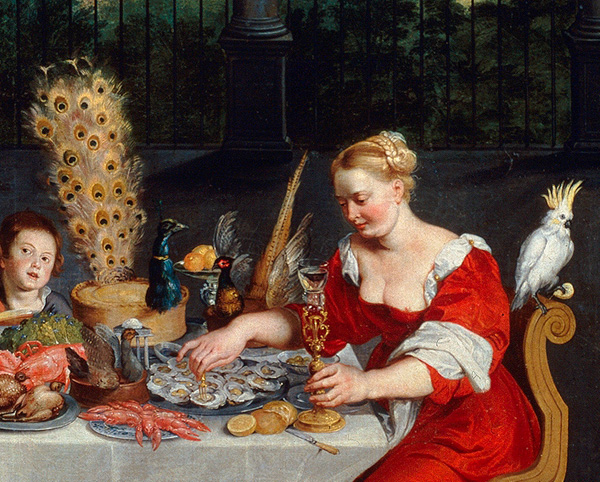
One of the hallmarks of Renaissance cuisine was the emphasis on presentation. Meals were not just about sustenance; they were a feast for the senses, where appearance and creativity played a pivotal role. Elaborate dishes were designed to impress and entertain, with food often sculpted into shapes of animals, mythological creatures, and even architectural structures. This artistry extended to the dining experience itself, with meals becoming elaborate affairs, showcasing the host’s wealth and sophistication.

The Influence of the Printing Press

The invention of the printing press by Johannes Gutenberg in the mid-15th century had a profound impact on the culinary world. For the first time, cookbooks could be mass-produced, making recipes accessible to a wider audience. This democratization of culinary knowledge led to a flourishing of culinary creativity and experimentation. One of the most famous cookbooks of the era, “De Honesta Voluptate et Valetudine” (On Right Pleasure and Good Health) by Bartolomeo Sacchi, known as Platina, was published in 1475 and became a cornerstone of Renaissance cuisine.

The Role of the Court

The courts of Europe were the epicenters of culinary innovation during the Renaissance. Monarchs and nobles competed to host the most lavish banquets, employing the finest chefs to create dishes that were as much a spectacle as they were a meal. The French court, under the reign of Catherine de’ Medici, played a particularly influential role in shaping the culinary landscape of the Renaissance. Catherine’s Italian chefs introduced French cuisine to a variety of new ingredients and cooking techniques, leading to the development of the French haute cuisine that would dominate European culinary trends for centuries to come.

The Legacy of Renaissance Cuisine

The Renaissance of Flavor left an indelible mark on the culinary world. It was a period of experimentation and innovation, where the boundaries of what was possible in the kitchen were pushed further than ever before. The legacy of Renaissance cuisine can be seen in the culinary traditions of Europe and beyond, from the emphasis on presentation and creativity to the use of spices and the development of haute cuisine.

As we continue to explore the rich tapestry of culinary history, the Renaissance stands out as a beacon of creativity and sophistication. It was an age where the culinary arts were elevated to new heights, and the world of flavor was forever transformed. The Renaissance of Flavor is not just a chapter in history; it is a testament to the enduring power of culinary innovation and the universal quest for culinary excellence.