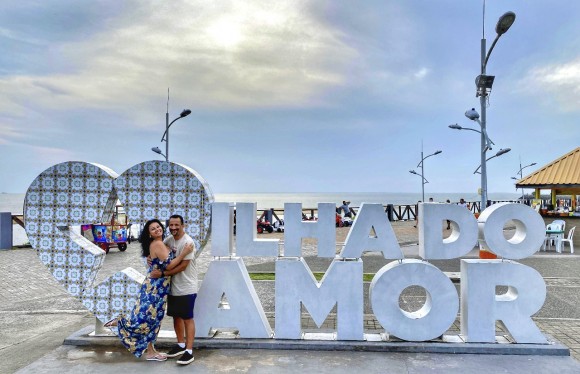
The Island of Love: Unveiling São Luís

pivot62.com – São Luís, the capital of Maranhão state in Brazil, is a city that enchants with its rich history, vibrant culture, and unique architectural heritage. Often referred to as the “Island of Love,” São Luís is situated on an island and is renowned for its beautiful colonial-era buildings, lively festivals, and a blend of cultural influences that make it a fascinating destination for travelers.

Historical Significance

Founded in 1612 by French explorers, São Luís was later colonized by the Portuguese, who left a lasting impact on the city’s architecture and culture. The historic center of São Luís, a UNESCO World Heritage Site, is a living museum of colonial architecture, with its narrow cobblestone streets, colorful houses adorned with azulejos (Portuguese tiles), and ornate churches reflecting its colonial past.

Cultural Heritage

São Luís is a cultural melting pot, with influences from Portuguese, French, African, and indigenous cultures. This diversity is celebrated through its music, dance, and festivals. The city is famous for its Bumba Meu Boi festival, a vibrant celebration that combines music, dance, and theater to tell the story of a mythical bull. The Tambor de Crioula, an Afro-Brazilian dance, is another cultural highlight that showcases the region’s rich heritage.

Natural Beauty and Surroundings

Beyond its cultural attractions, São Luís is surrounded by natural beauty. The city is a gateway to the stunning Lençóis Maranhenses National Park, known for its vast dunes and crystal-clear lagoons. The nearby beaches of São Marcos and Calhau offer opportunities for relaxation and water sports, while the lush Amazon rainforest to the west provides a haven for nature enthusiasts.

Economic and Educational Hub

São Luís is an important economic center in the region, with a diverse economy that includes industries such as agriculture, mining, and tourism. The city is also a center for education and research, home to several universities and institutions that contribute to its intellectual and cultural vibrancy.

Challenges and Prospects

While São Luís is celebrated for its cultural richness, it also faces challenges such as urban development pressures and socio-economic disparities. Efforts to preserve its historical heritage and improve infrastructure are ongoing, with the aim of enhancing the quality of life for its residents and visitors.

Conclusion

São Luís is a city that captivates with its blend of history, culture, and natural beauty. Its unique charm lies in its ability to tell the stories of its past while embracing the vibrancy of its present. Whether exploring its historic streets, enjoying its cultural festivals, or relaxing on its beautiful beaches, visitors will find a city full of life and warmth. São Luís remains a testament to the enduring spirit and diversity of northeastern Brazil.
Celebrating Island Traditions: Bali’s Hindu Festivals

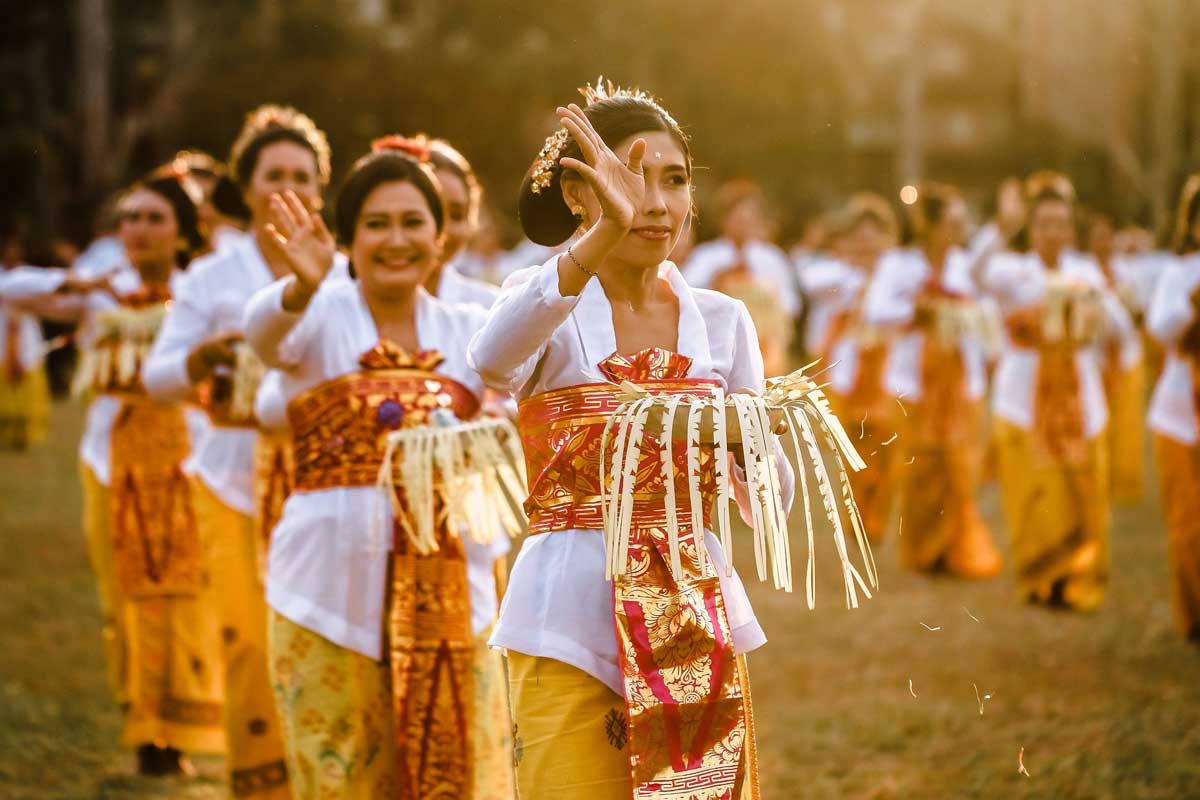
pivot62.com – Bali, an Indonesian island known for its stunning landscapes, vibrant culture, and warm hospitality, is also famous for its unique Hindu traditions. Unlike the rest of Indonesia, which is predominantly Muslim, Bali’s Hindu-majority population celebrates a plethora of festivals throughout the year, each with its own significance and charm. These festivals are not just religious observances but also a reflection of the island’s deep-rooted cultural heritage and community spirit.

The Significance of Bali’s Hindu Festivals

Bali’s Hindu festivals are deeply intertwined with the island’s agricultural calendar, the phases of the moon, and the Balinese Pawukon calendar, which consists of 210 days. These festivals are celebrated with various rituals, dances, processions, and offerings, showcasing the island’s rich artistic and spiritual traditions. The festivals serve as a reminder of the Balinese Hindu philosophy of Tri Hita Karana, which emphasizes harmony among humans, nature, and the gods.

Galungan and Kuningan: The Festivals of Victory and Thanksgiving

One of the most significant festivals in Bali is Galungan, which celebrates the victory of dharma (goodness) over adharma (evil). Families welcome the gods into their homes with elaborate decorations and offerings. This 10-day festival culminates in Kuningan, where people express gratitude to the gods and ancestors. The island comes alive with traditional music, dance, and communal feasts, symbolizing the unity and resilience of the Balinese people.

Nyepi: The Day of Silence

Nyepi, or the Day of Silence, marks the Balinese New Year and is a stark contrast to the vibrant celebrations of other festivals. On Nyepi, the entire island observes a day of absolute silence and meditation. No lights, fires, or entertainment are allowed, and even the airport remains closed. This day of introspection and peace is a powerful testament to the Balinese commitment to spiritual well-being and community harmony.

Odi Lanjar: The Festival of Swings and See-Saws

Odi Lanjar, or the festival of swings and see-saws, is a colorful celebration that takes place in Tenganan, one of Bali’s oldest villages. It is believed to bring good luck and answer prayers for those who participate in the swinging and see-sawing competitions. The festival is a joyous occasion, filled with music, dance, and traditional attire, showcasing the unique cultural practices of the Balinese people.

The Role of Festivals in Preserving Bali’s Cultural Heritage

Bali’s Hindu festivals play a crucial role in preserving the island’s cultural heritage. They are a living testament to the Balinese people’s deep connection to their traditions, beliefs, and community. Through these festivals, the younger generation learns about their ancestors’ wisdom, the importance of community, and the value of maintaining a harmonious relationship with nature and the spiritual world.

Conclusion

Bali’s Hindu festivals are more than just religious observances; they are a vibrant tapestry of traditions, beliefs, and community spirit that define the island’s cultural identity. These festivals offer a glimpse into the rich spiritual and artistic heritage of Bali, inviting both locals and visitors to partake in the celebrations and experience the island’s unique charm. As Bali continues to evolve, these festivals remain a beacon of tradition, reminding us of the importance of preserving our cultural heritage for future generations.

Exploring the Untamed Beauty of Borneo: Island Wild

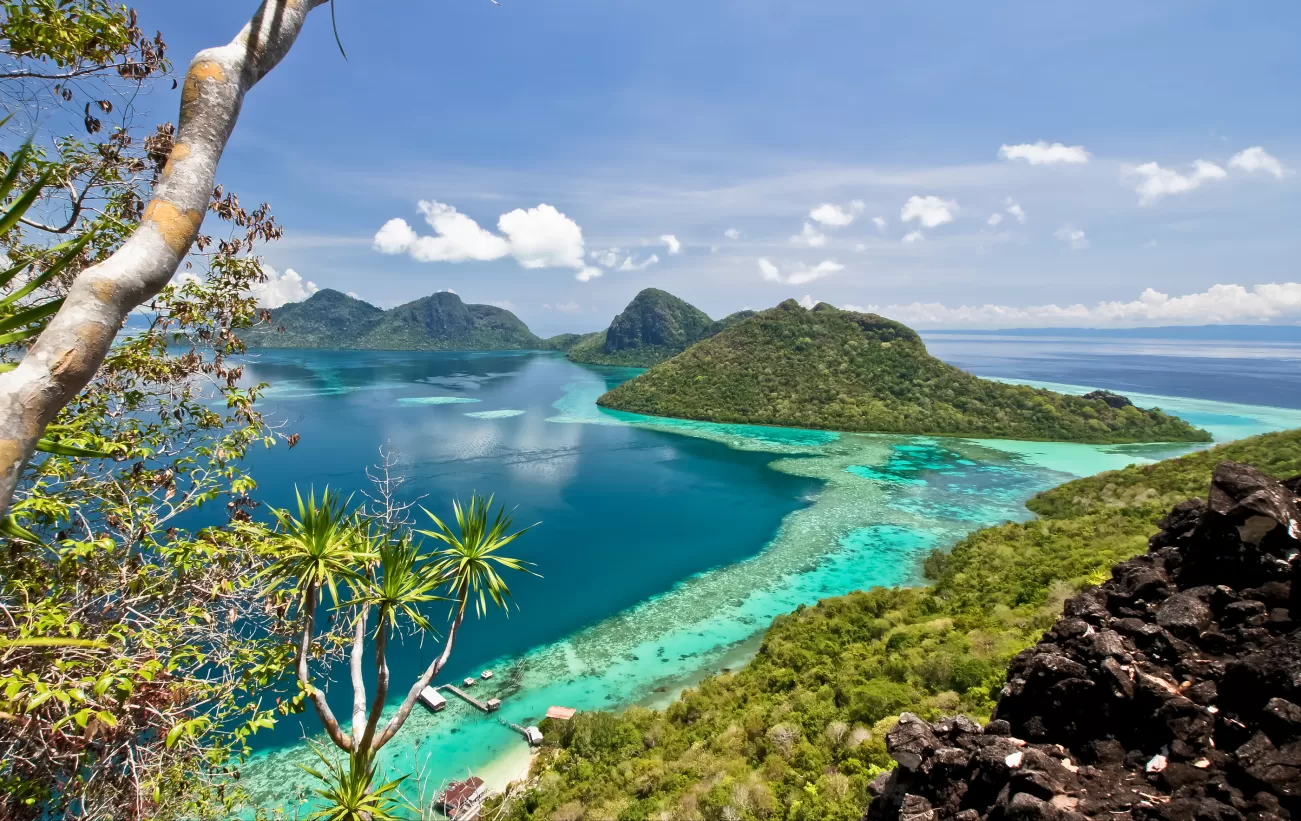
pivot62.com – Nestled in the heart of Southeast Asia, Borneo is a land of untamed beauty, a place where the wild still reigns supreme. Shared between Malaysia, Indonesia, and Brunei, this island is the third-largest in the world and is home to some of the most diverse ecosystems and wildlife on the planet. Borneo’s wild landscapes, from its ancient rainforests to its rugged coastlines, beckon adventurers and nature lovers to explore its untamed splendor.

The Heart of Borneo, a transboundary conservation area, is a testament to the island’s natural wealth. This vast expanse of protected forest is a sanctuary for endangered species such as the Bornean orangutan, the Bornean elephant, and the Sumatran rhinoceros. It is here, in these dense jungles, that one can truly experience the raw power of nature. The calls of exotic birds, the rustle of leaves as shy mammals move through the underbrush, and the sight of towering trees draped in vines and orchids create an otherworldly atmosphere that is both awe-inspiring and humbling.

Borneo’s rivers are lifelines, not only for the indigenous communities that live along their banks but also for the wildlife that depends on them. The Kinabatangan River, for example, is one of the last wildernesses in Asia where one can witness the pygmy elephant, the saltwater crocodile, and a plethora of bird species in their natural habitat. A boat safari along these waters is an adventure in itself, offering glimpses of life that few places on Earth can match.

The island’s coastlines are no less enchanting. The northern shores of Borneo, particularly in Sabah and Sarawak, are fringed with some of the most pristine beaches and coral reefs in the world. The waters here teem with marine life, making them a paradise for snorkelers and divers. The chance to swim alongside sea turtles, manta rays, and a kaleidoscope of tropical fish is an experience that stays with one long after leaving the island.

Borneo’s cultural tapestry is as rich and diverse as its natural environment. The indigenous tribes, such as the Iban, Kayan, and Penan, have lived in harmony with the forest for centuries. Their longhouses, traditional customs, and folklore provide a fascinating glimpse into a way of life that is increasingly rare in our modern world. Interacting with these communities offers a unique opportunity to learn about sustainable living and the deep connection between humans and the natural world.

However, Borneo’s wild beauty is under threat. Deforestation, logging, and palm oil plantations have encroached upon the island’s forests, leading to habitat loss and the decline of wildlife populations. Conservation efforts are crucial to protect the island’s biodiversity and ensure that future generations can experience its wonders.

Exploring Borneo is not just an adventure; it’s a journey into the heart of nature. It’s a reminder of the incredible diversity of life on our planet and the importance of preserving it. Whether trekking through the jungle, cruising along a river, or diving into crystal-clear waters, Borneo offers experiences that touch the soul and inspire a deeper appreciation for the wild places that still exist on Earth.

In the words of naturalist David Attenborough, “In wildness is the preservation of the world.” Borneo, with its untamed beauty, is a testament to this truth. It is a place that calls to the adventurer and the conservationist within us all, urging us to explore, to respect, and to protect the wildness that is the essence of Borneo.