Exploring Lijiang Ancient Town: A Journey Through Time

pivot62.com – Nestled in the foothills of the majestic Jade Dragon Snow Mountain in Yunnan Province, Lijiang Ancient Town is a UNESCO World Heritage Site renowned for its well-preserved architecture and vibrant cultural heritage. Often referred to as the “Venice of the East,” Lijiang is a captivating blend of natural beauty and historical intrigue, drawing visitors with its picturesque canals, cobblestone streets, and traditional Naxi culture.

Historical Background of Lijiang Ancient Town

Origins and Development

Lijiang Ancient Town dates back over 800 years, its origins rooted in the Song Dynasty. It flourished as a trading hub on the ancient Tea Horse Road, a network of caravan trails that facilitated trade between China, Tibet, and beyond. The town’s strategic location and rich cultural exchanges contributed to its unique architectural style and multicultural atmosphere.

Naxi Culture and Heritage

The town is home to the Naxi people, an ethnic minority with a rich cultural heritage. The Naxi are known for their ancient Dongba script, a pictographic language used in religious texts and ceremonies. Their traditional music, known as Naxi Ancient Music, is a fascinating blend of Han, Tibetan, and local influences and is often performed in the town’s teahouses and cultural venues.

Architectural Features of Lijiang Ancient Town

Traditional Naxi Architecture

Lijiang Ancient Town is celebrated for its distinctive Naxi architecture, characterized by wooden structures, tiled roofs, and intricately carved windows. The buildings seamlessly integrate with the natural landscape, reflecting the Naxi philosophy of harmony between humans and nature. This architectural style offers a glimpse into the town’s historical and cultural evolution.

Canals and Bridges

One of Lijiang’s most enchanting features is its network of canals and stone bridges. Fed by the waters of the nearby mountains, these canals wind through the town, creating a serene and picturesque setting. The bridges, each with its own unique design, connect the town’s labyrinthine streets and serve as charming vantage points for photography and reflection.

Exploring Lijiang Ancient Town

Sifang Street

At the heart of Lijiang Ancient Town is Sifang Street, a bustling square that has been the town’s commercial and social center for centuries. Lined with shops, restaurants, and teahouses, Sifang Street is the perfect place to experience the local culture, sample traditional Naxi cuisine, and shop for handicrafts and souvenirs.

Mu Family Mansion

A visit to Lijiang would be incomplete without exploring the Mu Family Mansion, the former residence of the ruling Mu clan. This expansive complex showcases the wealth and influence of the Mu family and offers insight into the town’s historical governance. The mansion’s beautiful gardens and ornate architecture make it a highlight of any Lijiang itinerary.

Conclusion

Lijiang Ancient Town is a living museum that transports visitors back in time, offering a glimpse into the rich tapestry of China’s ethnic diversity and historical legacy. Its harmonious blend of natural beauty, cultural richness, and historical preservation make it a must-visit destination for anyone seeking an authentic and immersive travel experience. Whether you are wandering its charming streets or enjoying the melodies of Naxi Ancient Music, Lijiang promises a journey filled with discovery and enchantment.
Exploring Belgium with Fodor’s Essential Belgium Guide

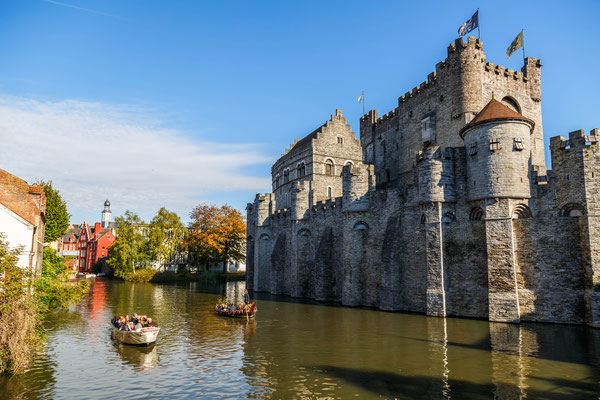
pivot62.com – Belgium, a country often overshadowed by its larger European neighbors, is a hidden gem waiting to be discovered. Known for its rich history, vibrant culture, and culinary delights, Belgium offers a plethora of attractions that are out of proportion to its diminutive size. To help travelers navigate this enchanting country, Fodor’s Essential Belgium guidebook provides a comprehensive resource packed with maps, carefully curated recommendations, and everything else needed to simplify the trip-planning process.

Key Features of Fodor’s Essential Belgium

Detailed Maps and Itineraries

The guidebook includes detailed maps that help travelers navigate the cities and towns of Belgium with ease. It offers suggested itineraries that cater to different interests, whether you’re a history buff, a foodie, or an art enthusiast. These itineraries are designed to maximize the experience within the limited time most travelers have.

Cultural Insights and Historical Context

Fodor’s Essential Belgium provides deep cultural insights and historical context that enrich the travel experience. It explains the significance of various landmarks and traditions, helping travelers understand the essence of Belgian culture. This knowledge enhances the appreciation of the country’s medieval cities, abbeys, and other historical sites.

Curated Recommendations

The guidebook features carefully curated recommendations for accommodations, dining, and activities. These recommendations are based on the latest traveler feedback and are updated regularly to ensure accuracy and relevance. Whether you’re looking for a cozy bed and breakfast or a Michelin-starred restaurant, Fodor’s Essential Belgium has you covered.

Digital and eTextbook Options

For those who prefer digital travel companions, Fodor’s Essential Belgium is also available as an eTextbook. This version is convenient for travelers who want to access their guidebook on the go without carrying a physical copy. It includes all the same content as the print edition and is compatible with various devices.

Conclusion

Fodor’s Essential Belgium is an indispensable tool for anyone planning a trip to this enchanting country. It simplifies the trip-planning process by providing detailed maps, cultural insights, curated recommendations, and more. Whether you’re a first-time visitor or a seasoned traveler, this guidebook will enhance your experience and help you make the most of your time in Belgium. So, pack your bags, grab your copy of Fodor’s Essential Belgium, and get ready to explore the wonders of this remarkable country.

Exploring the Untamed Beauty of Borneo: Island Wild

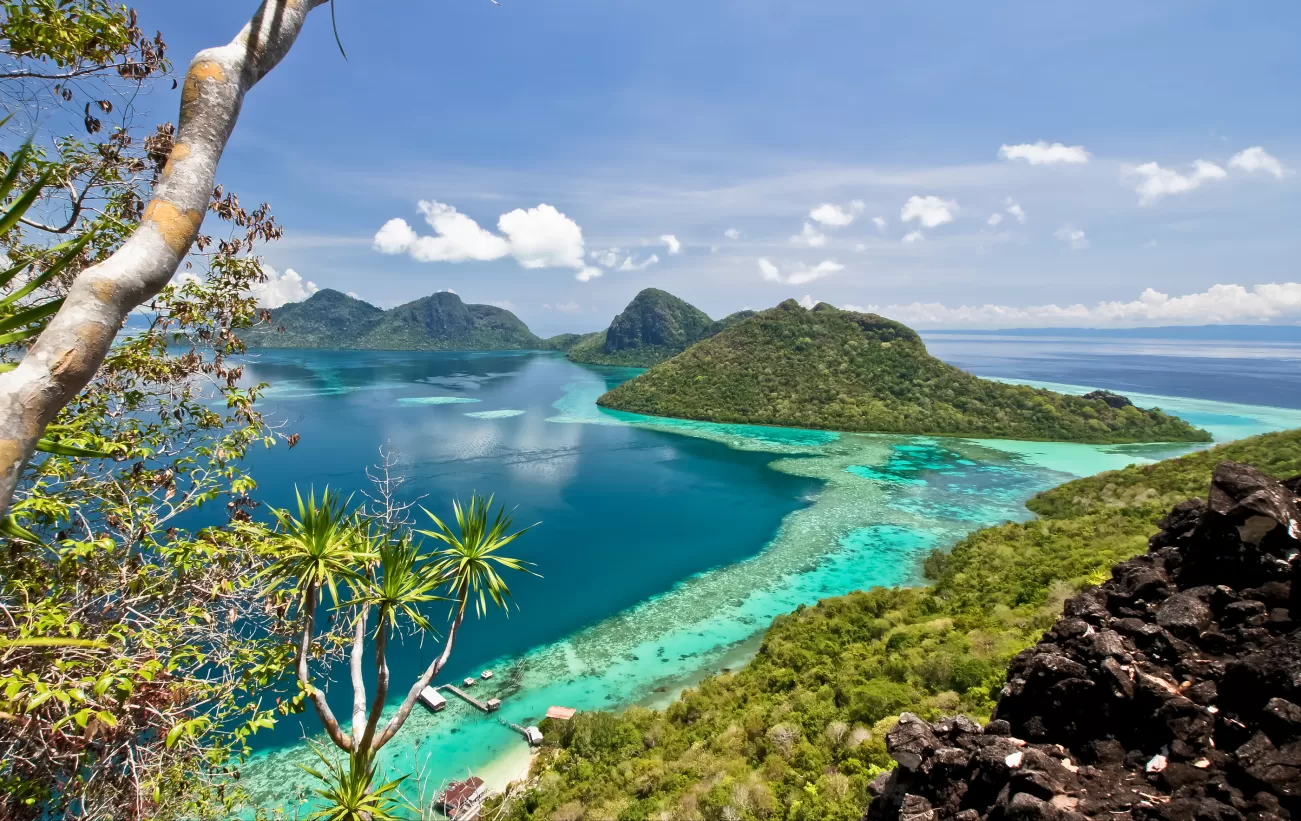
pivot62.com – Nestled in the heart of Southeast Asia, Borneo is a land of untamed beauty, a place where the wild still reigns supreme. Shared between Malaysia, Indonesia, and Brunei, this island is the third-largest in the world and is home to some of the most diverse ecosystems and wildlife on the planet. Borneo’s wild landscapes, from its ancient rainforests to its rugged coastlines, beckon adventurers and nature lovers to explore its untamed splendor.

The Heart of Borneo, a transboundary conservation area, is a testament to the island’s natural wealth. This vast expanse of protected forest is a sanctuary for endangered species such as the Bornean orangutan, the Bornean elephant, and the Sumatran rhinoceros. It is here, in these dense jungles, that one can truly experience the raw power of nature. The calls of exotic birds, the rustle of leaves as shy mammals move through the underbrush, and the sight of towering trees draped in vines and orchids create an otherworldly atmosphere that is both awe-inspiring and humbling.

Borneo’s rivers are lifelines, not only for the indigenous communities that live along their banks but also for the wildlife that depends on them. The Kinabatangan River, for example, is one of the last wildernesses in Asia where one can witness the pygmy elephant, the saltwater crocodile, and a plethora of bird species in their natural habitat. A boat safari along these waters is an adventure in itself, offering glimpses of life that few places on Earth can match.

The island’s coastlines are no less enchanting. The northern shores of Borneo, particularly in Sabah and Sarawak, are fringed with some of the most pristine beaches and coral reefs in the world. The waters here teem with marine life, making them a paradise for snorkelers and divers. The chance to swim alongside sea turtles, manta rays, and a kaleidoscope of tropical fish is an experience that stays with one long after leaving the island.

Borneo’s cultural tapestry is as rich and diverse as its natural environment. The indigenous tribes, such as the Iban, Kayan, and Penan, have lived in harmony with the forest for centuries. Their longhouses, traditional customs, and folklore provide a fascinating glimpse into a way of life that is increasingly rare in our modern world. Interacting with these communities offers a unique opportunity to learn about sustainable living and the deep connection between humans and the natural world.

However, Borneo’s wild beauty is under threat. Deforestation, logging, and palm oil plantations have encroached upon the island’s forests, leading to habitat loss and the decline of wildlife populations. Conservation efforts are crucial to protect the island’s biodiversity and ensure that future generations can experience its wonders.

Exploring Borneo is not just an adventure; it’s a journey into the heart of nature. It’s a reminder of the incredible diversity of life on our planet and the importance of preserving it. Whether trekking through the jungle, cruising along a river, or diving into crystal-clear waters, Borneo offers experiences that touch the soul and inspire a deeper appreciation for the wild places that still exist on Earth.

In the words of naturalist David Attenborough, “In wildness is the preservation of the world.” Borneo, with its untamed beauty, is a testament to this truth. It is a place that calls to the adventurer and the conservationist within us all, urging us to explore, to respect, and to protect the wildness that is the essence of Borneo.

Exploring the Possibilities of Extraterrestrial Travel: The Cosmic Tourist

pivot62.com – In an era where Earth’s boundaries no longer confine human curiosity, the concept of the cosmic tourist has emerged, envisioning a future where interstellar travel is as commonplace as boarding a flight to a distant continent. While still in the realm of science fiction for the most part, the idea of visiting extraterrestrial destinations has sparked the imagination of space enthusiasts and has become a driving force behind advancements in space technology. This article explores the potential for extraterrestrial travel and the wonders that await the cosmic tourist of the future.

The Dawn of Space Tourism:

The journey of the cosmic tourist began with the advent of space tourism on Earth’s orbit. Companies like SpaceX, Blue Origin, and Virgin Galactic are leading the charge, offering suborbital and orbital flights that provide passengers with minutes of weightlessness and a view of the planet like no other. These initial forays into space tourism are the first steps toward more ambitious extraterrestrial destinations.

Destination: Moon

The moon is the most immediate destination for cosmic tourists. With several nations and private companies planning lunar missions, the moon could become the first extraterrestrial vacation spot. Tourists might experience low gravity hops, explore lunar landscapes in rovers, and even stay in lunar resorts, enjoying the tranquility of the lunar surface and the awe-inspiring view of Earth hanging in the sky.

Mars: The Red Frontier

Mars is the next frontier for space exploration and tourism. With its proximity to Earth and the presence of water ice, Mars is a prime candidate for human colonization. Cosmic tourists could find themselves exploring Martian canyons, investigating potential signs of past life, and experiencing life in a dome city. The Red Planet’s stark beauty and the challenge of living in a harsh environment would make it an unforgettable destination.

Asteroid Belt: Mining and Mysteries

The asteroid belt between Mars and Jupiter offers a unique experience for the adventurous cosmic tourist. Here, visitors could witness the mining of precious metals and materials in microgravity, explore the surfaces of asteroids, and even search for potentially hazardous asteroids that could one day impact Earth. The asteroid belt is a treasure trove of scientific discovery and raw materials, making it an exciting destination for those interested in the intersection of tourism and industry.

The Outer Planets: A Voyage of Discovery

For the truly adventurous, the outer planets beckon. Jupiter’s massive storms and moons like Europa with its subsurface ocean could be destinations for the intrepid cosmic tourist. Saturn’s rings and its moon Titan, with its methane lakes, offer unique environments to explore. These journeys would be long and require advanced propulsion systems, but the rewards would be unparalleled views and experiences.

Interstellar Travel: The Final Frontier

The ultimate destination for the cosmic tourist is the stars themselves. While current technology does not allow for practical interstellar travel, future advancements in propulsion, such as fusion drives or even theoretical concepts like warp drives, could make it possible. The cosmic tourist of the distant future might visit nearby star systems, explore exoplanets, and encounter phenomena beyond our current understanding.

Conclusion:

The cosmic tourist of the future will have opportunities that are as vast as the universe itself. From lunar landscapes to Martian deserts, from the asteroid belt to the outer planets, and beyond to the stars, the possibilities are limited only by our imagination and technology. As we continue to push the boundaries of space exploration, the dream of extraterrestrial travel moves closer to reality, promising a new era of discovery and adventure for humanity. The cosmic tourist’s journey is just beginning, and the universe awaits.