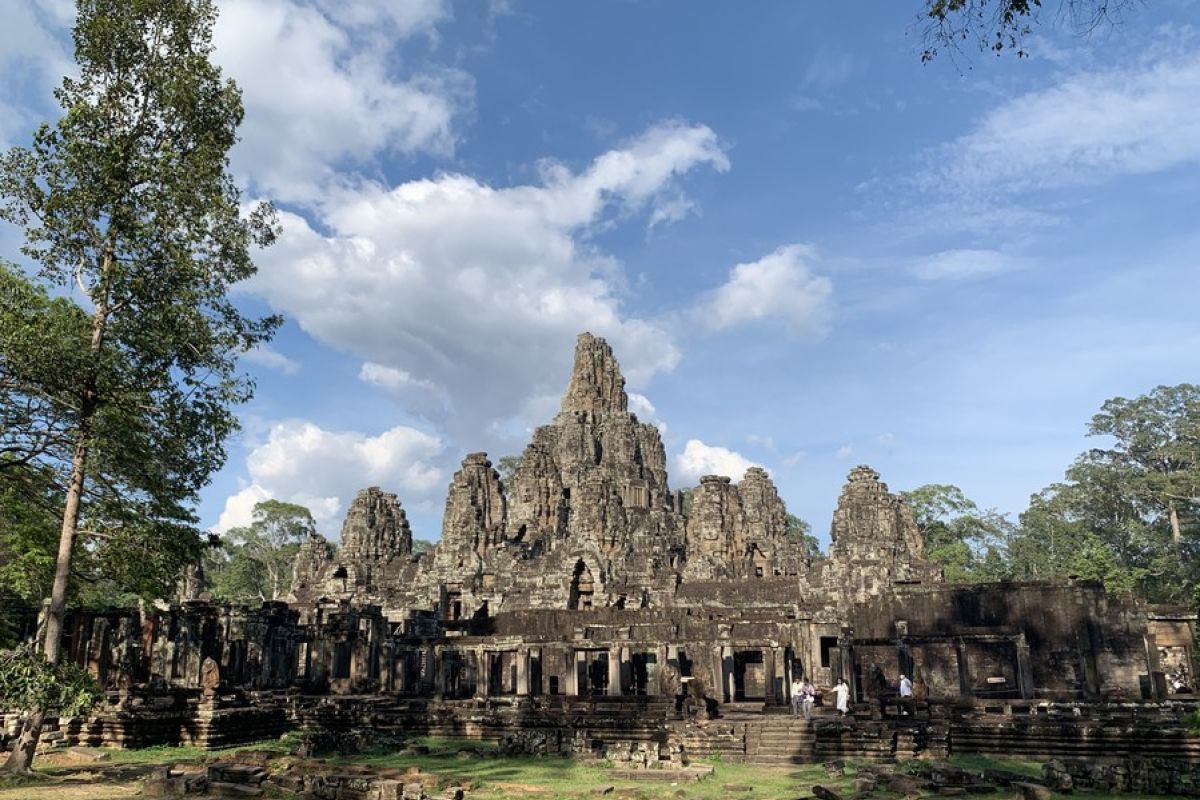
Imbabura: A Tapestry of Andean Charm & Colonial Elegance

pivot62.com – Imbabura, a province nestled in the northern highlands of Ecuador, is a captivating destination that offers a unique blend of natural beauty, cultural heritage, and colonial charm. With its picturesque landscapes, vibrant indigenous communities, and historic towns, Imbabura invites travelers to explore its diverse offerings.

Otavalo: A Vibrant Indigenous Market

Otavalo, the provincial capital, is renowned for its world-famous indigenous market. Every Saturday, artisans from all over the region gather to sell their handcrafted goods, including textiles, jewelry, ceramics, and leather goods. The market is a vibrant spectacle of color, sound, and cultural exchange.

Colonial Charm in Ibarra

Ibarra, a colonial city with a rich history, is known for its well-preserved architecture and beautiful churches. The city’s central square, Plaza Central, is a popular gathering place, surrounded by historic buildings and bustling cafes.

Natural Wonders and Outdoor Adventures

Imbabura is a paradise for nature lovers and outdoor enthusiasts. The province’s diverse landscapes, ranging from high-altitude páramos to lush valleys, offer endless opportunities for exploration.

  • Cotacachi-Cayapas Ecological Reserve: This reserve protects a vast expanse of cloud forest, home to a diverse range of flora and fauna. Hiking trails lead through the forest, offering stunning views of the surrounding mountains and valleys.
  • Laguna Cuicocha: A beautiful volcanic crater lake, surrounded by lush vegetation and dramatic cliffs. Visitors can enjoy boating, hiking, and birdwatching around the lake.
  • Imbabura Volcano: A dormant volcano that offers breathtaking views of the surrounding landscape. Experienced hikers can attempt to summit the peak, while those seeking a more leisurely experience can enjoy the scenic drive to the base of the volcano.

Indigenous Culture and Traditions

Imbabura is home to several indigenous communities, including the Otavalo, Kichwa, and Karanki. These communities have preserved their unique cultural traditions, including traditional clothing, music, dance, and handicrafts. Visitors can experience the rich cultural heritage of these communities by attending local festivals, visiting traditional markets, or participating in cultural tours.

Imbabura, with its stunning landscapes, vibrant culture, and colonial charm, offers a truly unforgettable experience. Whether you’re seeking adventure, relaxation, or cultural immersion, this Andean paradise has something for everyone.
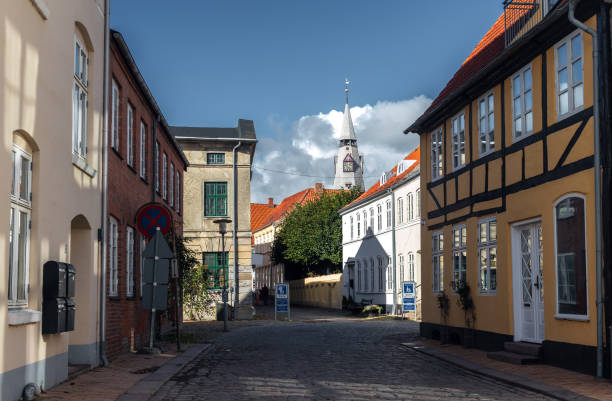

Syddanmark (South Denmark): The Sunny South of Denmark

pivot62.com – Syddanmark, or South Denmark, is the southernmost region of Denmark, known for its stunning coastline, historic castles, and vibrant cities. This region offers a unique blend of urban excitement, rural tranquility, and outdoor adventure.

A Coastal Paradise

Syddanmark’s coastline is a highlight of the region. With its sandy beaches, charming coastal towns, and picturesque islands, it’s a haven for nature lovers and water sports enthusiasts.

  • Fyn: This beautiful island is known for its historic castles, charming villages, and stunning coastline.
  • Ærø: A picturesque island with beautiful beaches, historic towns, and unique cultural traditions.
  • Als: This island offers stunning scenery, historic sites, and delicious local cuisine.

A Historic Journey

Syddanmark is steeped in history, with numerous castles, manor houses, and ancient sites.

  • Sønderborg Castle: This impressive Renaissance castle is one of the most iconic landmarks in South Denmark.
  • Koldinghus: A magnificent Renaissance castle that houses a fascinating museum.
  • Tønder: A historic town with well-preserved medieval architecture and a charming atmosphere.

A Culinary Delight

Syddanmark is a foodie’s paradise, with a focus on fresh, local ingredients.

  • Smørrebrød: Open-faced sandwiches are a Danish staple, and South Denmark offers unique variations with local ingredients.
  • Fiskekasser: Traditional fish shops offer a wide variety of fresh seafood, including herring, cod, and mackerel.
  • Æblekage: Apple cake is a popular dessert, and South Denmark is known for its delicious apple varieties.

A Modern and Vibrant Region

Despite its historic charm, Syddanmark is a modern and dynamic region. The cities of Odense and Kolding offer a vibrant cultural scene, with world-class music festivals, art exhibitions, and culinary experiences.

  • Odense: The birthplace of Hans Christian Andersen, Odense is a charming city with beautiful parks, historic buildings, and a thriving cultural scene.
  • Kolding: This historic city offers a mix of old and new, with a beautiful castle, modern shopping centers, and a vibrant nightlife.

Syddanmark is a region that offers a perfect blend of history, culture, and natural beauty. Whether you’re exploring the stunning coastline, visiting historic castles, or indulging in delicious local cuisine, you’re sure to be enchanted by the charm and diversity of this beautiful region.

Pays de la Loire: A Land of History and Nature

pivot62.com – Pays de la Loire, a region in western France, is a captivating blend of history, culture, and natural beauty. From the historic city of Nantes to the stunning beaches of the Vendée, the region offers a diverse range of experiences for visitors.

A Rich Historical Heritage

  • Nantes: The capital of the region, Nantes is a historic city with a rich maritime heritage.
  • Angers: A medieval city with a beautiful castle and a rich history.
  • Le Mans: Famous for its 24 Hours of Le Mans endurance race, Le Mans is also a historic city with a beautiful cathedral.

Natural Beauty

Pays de la Loire is home to a variety of stunning landscapes, including coastline, forests, and rivers.

  • The Vendée Coast: The Vendée Coast is a popular destination for beach lovers, with its long sandy beaches and picturesque seaside towns.
  • The Loire Valley: The Loire Valley is renowned for its castles, vineyards, and beautiful countryside.

Gastronomic Delights

Pays de la Loire is a foodie’s paradise, with a rich culinary tradition. Some of the region’s most famous dishes include:

  • Mousse de litches: A light and airy dessert made with litchi fruit.
  • Foufouilles: A traditional Breton dish made with buckwheat flour.
  • Mussels: Fresh mussels are a staple of the region’s cuisine.

A Year-Round Destination

Pays de la Loire is a year-round destination, offering a variety of activities for visitors. In the summer, visitors can enjoy the region’s beaches and outdoor activities. In the winter, the region’s Christmas markets are a popular attraction.

Exploring Lijiang Ancient Town: A Journey Through Time

pivot62.com – Nestled in the foothills of the majestic Jade Dragon Snow Mountain in Yunnan Province, Lijiang Ancient Town is a UNESCO World Heritage Site renowned for its well-preserved architecture and vibrant cultural heritage. Often referred to as the “Venice of the East,” Lijiang is a captivating blend of natural beauty and historical intrigue, drawing visitors with its picturesque canals, cobblestone streets, and traditional Naxi culture.

Historical Background of Lijiang Ancient Town

Origins and Development

Lijiang Ancient Town dates back over 800 years, its origins rooted in the Song Dynasty. It flourished as a trading hub on the ancient Tea Horse Road, a network of caravan trails that facilitated trade between China, Tibet, and beyond. The town’s strategic location and rich cultural exchanges contributed to its unique architectural style and multicultural atmosphere.

Naxi Culture and Heritage

The town is home to the Naxi people, an ethnic minority with a rich cultural heritage. The Naxi are known for their ancient Dongba script, a pictographic language used in religious texts and ceremonies. Their traditional music, known as Naxi Ancient Music, is a fascinating blend of Han, Tibetan, and local influences and is often performed in the town’s teahouses and cultural venues.

Architectural Features of Lijiang Ancient Town

Traditional Naxi Architecture

Lijiang Ancient Town is celebrated for its distinctive Naxi architecture, characterized by wooden structures, tiled roofs, and intricately carved windows. The buildings seamlessly integrate with the natural landscape, reflecting the Naxi philosophy of harmony between humans and nature. This architectural style offers a glimpse into the town’s historical and cultural evolution.

Canals and Bridges

One of Lijiang’s most enchanting features is its network of canals and stone bridges. Fed by the waters of the nearby mountains, these canals wind through the town, creating a serene and picturesque setting. The bridges, each with its own unique design, connect the town’s labyrinthine streets and serve as charming vantage points for photography and reflection.

Exploring Lijiang Ancient Town

Sifang Street

At the heart of Lijiang Ancient Town is Sifang Street, a bustling square that has been the town’s commercial and social center for centuries. Lined with shops, restaurants, and teahouses, Sifang Street is the perfect place to experience the local culture, sample traditional Naxi cuisine, and shop for handicrafts and souvenirs.

Mu Family Mansion

A visit to Lijiang would be incomplete without exploring the Mu Family Mansion, the former residence of the ruling Mu clan. This expansive complex showcases the wealth and influence of the Mu family and offers insight into the town’s historical governance. The mansion’s beautiful gardens and ornate architecture make it a highlight of any Lijiang itinerary.

Conclusion

Lijiang Ancient Town is a living museum that transports visitors back in time, offering a glimpse into the rich tapestry of China’s ethnic diversity and historical legacy. Its harmonious blend of natural beauty, cultural richness, and historical preservation make it a must-visit destination for anyone seeking an authentic and immersive travel experience. Whether you are wandering its charming streets or enjoying the melodies of Naxi Ancient Music, Lijiang promises a journey filled with discovery and enchantment.

From Grant Park to Navy Pier: Chicago’s Iconic Landmarks

pivot62.com – Chicago, the Windy City, is a vibrant metropolis renowned for its architectural marvels, rich history, and cultural diversity. Among its many attractions, the city boasts a series of iconic landmarks that capture the essence of its dynamic spirit. From the sprawling greenery of Grant Park to the bustling excitement of Navy Pier, these landmarks offer a glimpse into Chicago’s unique character and are must-visit destinations for anyone exploring the city.

Grant Park: The City’s Front Yard

Often referred to as “Chicago’s front yard,” Grant Park is a sprawling urban oasis located in the heart of downtown. This 319-acre park is home to a variety of attractions, including Millennium Park, where visitors can marvel at the reflective beauty of the Cloud Gate sculpture, affectionately known as “The Bean.” The park also houses the Jay Pritzker Pavilion, an architectural masterpiece designed by Frank Gehry, which hosts concerts and events throughout the year.

Grant Park is also home to the Art Institute of Chicago, one of the oldest and largest art museums in the United States. With a collection spanning centuries and featuring works by masters such as Monet, Van Gogh, and Picasso, the museum is a treasure trove for art enthusiasts.

The Magnificent Mile: A Shopper’s Paradise

Stretching along Michigan Avenue, the Magnificent Mile is a bustling shopping district that offers a blend of luxury boutiques, department stores, and dining establishments. This iconic stretch is not only a shopper’s paradise but also an architectural showcase, featuring landmarks like the historic Wrigley Building and the Tribune Tower.

Visitors can take a leisurely stroll along the Magnificent Mile, soaking in the vibrant atmosphere and admiring the stunning skyline views. Whether you’re searching for high-end fashion or unique local finds, this iconic street promises an unforgettable shopping experience.

Navy Pier: Fun by the Lake

Extending into Lake Michigan, Navy Pier is one of Chicago’s most popular attractions, offering entertainment, dining, and stunning waterfront views. Originally opened in 1916, the pier has evolved into a vibrant hub of activity, featuring the Centennial Wheel, an iconic Ferris wheel that provides breathtaking views of the city skyline and lake.

Navy Pier is also home to the Chicago Children’s Museum, the Chicago Shakespeare Theater, and the Crystal Gardens, an indoor botanical garden. With its wide array of attractions and events, Navy Pier is a destination that promises fun for the entire family.

Willis Tower: Touching the Sky

No visit to Chicago is complete without experiencing the towering grandeur of the Willis Tower, formerly known as the Sears Tower. As one of the tallest buildings in the Western Hemisphere, it offers panoramic views of the city and beyond from its Skydeck on the 103rd floor. The Ledge, a glass balcony extending outside the building, provides a thrilling experience for those brave enough to step out and look down on the city below.

Conclusion

From the lush landscapes of Grant Park to the lively atmosphere of Navy Pier, Chicago’s iconic landmarks offer a rich tapestry of experiences that capture the city’s vibrant essence. Whether you’re exploring its artistic treasures, indulging in retail therapy, or seeking adventure by the lake, these landmarks provide a window into the heart of the Windy City. Each visit promises new discoveries and unforgettable memories, making Chicago a destination that beckons time and again.

Keberlanjutan Pariwisata di Situs Bersejarah Kamboja: Upaya Pelestarian Warisan Dunia

pivot62 – Kamboja, negara yang dikenal dengan kekayaan sejarah dan budayanya, memiliki banyak situs bersejarah yang menjadi daya tarik utama bagi wisatawan dari seluruh dunia. Salah satu situs paling ikonik adalah Angkor Wat, sebuah kompleks candi Hindu-Buddha yang terletak di Provinsi Siem Reap. Situs ini tidak hanya menjadi simbol kebanggaan Kamboja, tetapi juga merupakan salah satu Situs Warisan Dunia UNESCO sejak tahun 1992.

Namun, di balik popularitasnya yang mendunia, situs-situs bersejarah di Kamboja menghadapi tantangan besar dalam menjaga keberlanjutannya. Lonjakan jumlah wisatawan dalam beberapa dekade terakhir menimbulkan tekanan signifikan pada struktur fisik bangunan, lingkungan sekitarnya, serta komunitas lokal yang bergantung pada pariwisata sebagai mata pencaharian utama.

Setiap tahun, jutaan wisatawan berbondong-bondong mengunjungi Angkor Wat dan situs-situs lainnya seperti Bayon, Ta Prohm, dan Banteay Srei. Meskipun pariwisata membawa manfaat ekonomi yang signifikan bagi Kamboja, seperti meningkatkan lapangan kerja dan pendapatan negara, ada kekhawatiran serius mengenai dampak jangka panjangnya terhadap keberlanjutan situs-situs ini.

Erosi fisik dari struktur candi menjadi masalah utama. Kaki-kaki candi yang berusia ratusan tahun semakin rentan rusak akibat ribuan langkah kaki pengunjung setiap harinya. Selain itu, peningkatan polusi dan perubahan lingkungan di sekitar candi juga berdampak pada ekosistem lokal, termasuk kawasan hutan di sekitar Angkor yang rentan terhadap deforestasi.

Salah satu dampak yang paling mengkhawatirkan adalah penurunan muka air tanah di sekitar kompleks candi Angkor Wat. Dengan banyaknya pembangunan hotel, restoran, dan infrastruktur pendukung pariwisata lainnya, pengambilan air tanah yang tidak terkendali menyebabkan ketidakseimbangan ekosistem yang pada akhirnya dapat mempengaruhi stabilitas fondasi candi.

Upaya Keberlanjutan dan Pelestarian

Menyadari ancaman ini, pemerintah Kamboja bersama dengan organisasi internasional seperti UNESCO dan komunitas lokal telah meluncurkan berbagai inisiatif untuk menjaga keberlanjutan pariwisata di situs-situs bersejarah.

  1. Pembatasan Jumlah Pengunjung
    Salah satu langkah yang diambil adalah membatasi jumlah wisatawan yang dapat mengunjungi situs-situs tertentu pada waktu yang sama. Hal ini dilakukan untuk mengurangi dampak langsung terhadap struktur bangunan dan memberikan waktu bagi restorasi alam.
  2. Restorasi dan Konservasi
    Proyek restorasi terus dilakukan di berbagai situs untuk memperbaiki kerusakan fisik yang terjadi akibat usia dan tekanan wisatawan. Penggunaan teknologi modern dalam proses konservasi, seperti pemindaian laser dan pencetakan 3D, membantu menjaga keaslian struktur tanpa merusak elemen aslinya.
  3. Pariwisata Berbasis Komunitas
    Untuk mendorong keberlanjutan, pemerintah Kamboja juga mengembangkan pariwisata berbasis komunitas di sekitar situs bersejarah. Ini bertujuan untuk memberdayakan masyarakat lokal melalui pelatihan keterampilan, pemasaran produk lokal, serta pengelolaan wisata. Dengan cara ini, pendapatan dari pariwisata dapat langsung dirasakan oleh komunitas setempat, sambil menjaga kelestarian situs budaya.
  4. Kampanye Kesadaran Lingkungan
    Edukasi wisatawan tentang pentingnya menjaga kebersihan dan tidak merusak situs-situs bersejarah menjadi bagian penting dari upaya pelestarian. Papan informasi dan panduan perilaku dipasang di berbagai titik strategis, mengingatkan pengunjung untuk tidak memanjat candi, membuang sampah sembarangan, atau menyentuh relief kuno.

Meskipun berbagai upaya telah dilakukan, tantangan dalam menjaga keseimbangan antara pengembangan pariwisata dan pelestarian warisan budaya tetap besar. Pandemi COVID-19 yang melanda dunia pada 2020 memberikan jeda sejenak bagi Angkor Wat dan situs-situs lainnya dari tekanan wisatawan, namun ini juga menimbulkan kesulitan ekonomi bagi masyarakat yang bergantung pada sektor pariwisata.

Ke depannya, pengelolaan pariwisata yang lebih berkelanjutan perlu terus diupayakan dengan pendekatan yang lebih inovatif dan berbasis pada teknologi. Selain itu, partisipasi aktif dari masyarakat lokal, pemerintah, dan wisatawan sangat penting untuk memastikan bahwa warisan budaya kamboja slot dapat dinikmati oleh generasi mendatang tanpa mengorbankan keasliannya.

Keberlanjutan pariwisata di situs-situs bersejarah Kamboja, seperti Angkor Wat, merupakan tanggung jawab bersama antara pemerintah, masyarakat, dan wisatawan. Dengan upaya pelestarian yang tepat serta penerapan prinsip-prinsip pariwisata berkelanjutan, Kamboja dapat terus mempromosikan kekayaan budayanya kepada dunia tanpa mengorbankan warisan tak ternilai yang telah mereka pelihara selama berabad-abad.

Hong Kong: A Global Financial Center

pivot62.com – Hong Kong has long been recognized as one of the world’s leading financial centers, and recent developments have further solidified its position. Despite challenges posed by global events and regional dynamics, Hong Kong has emerged stronger, reclaiming its spot as a top global financial hub.

Recent Rankings and Achievements

In the latest Global Financial Centres Index (GFCI) 36 Report, Hong Kong rose to third place globally, overtaking Singapore to become the top financial center in the Asia-Pacific region. This ranking underscores Hong Kong’s resilience and continued attractiveness as a financial hub.

Key Factors Contributing to Hong Kong’s Success

Several factors contribute to Hong Kong’s status as a global financial center:

Strategic Location

Located at the heart of Asia, Hong Kong benefits from its close financial integration with Mainland China and extensive networks with the rest of the world.

Regulatory Environment

Hong Kong’s financial markets operate under effective and transparent regulations that align with international standards, providing a stable and predictable environment for businesses.

Legal and Tax Regime

The city boasts a sound legal system and a simple, competitive tax regime, which are crucial for attracting international investors and financial institutions.

Financial Infrastructure

Hong Kong is home to a full range of financial products and services, supported by a large pool of financial talents. The financial sector employs over 277,000 people, contributing significantly to the city’s GDP.

Technological Advancements

The push towards fintech and the establishment of family offices have further enhanced Hong Kong’s appeal as a financial hub, setting the stage for future growth and innovation.

Challenges and Recovery

Hong Kong faced significant challenges during the protests and the pandemic, which affected its position as a global financial center. However, the central government’s efforts to support the city’s recovery have been instrumental in regaining its mojo.

Conclusion

Hong Kong’s recent rise to third place in the global financial centers index is a testament to its enduring strength and adaptability. With a strategic location, robust regulatory environment, and a commitment to innovation, Hong Kong remains a beacon for global finance, poised to continue its leadership in the years to come.

Malawi: A Small Nation with Big Poverty Challenges

pivot62.com – Nestled in the heart of Southern Africa, Malawi is a landlocked country known for its stunning Lake Malawi, diverse wildlife, and friendly people. Despite its natural beauty and rich cultural heritage, Malawi faces significant poverty challenges that impact its socio-economic development. This article delves into the factors contributing to Malawi’s poverty and explores potential pathways to overcome these hurdles.

The Poverty Landscape in Malawi

Malawi is one of the poorest countries in the world, with a significant portion of its population living below the poverty line. The United Nations Development Programme (UNDP) reports that poverty in Malawi is both widespread and deep, affecting rural areas more severely than urban centers. The agricultural sector, which employs the majority of the workforce, is highly vulnerable to climate change, leading to food insecurity and malnutrition.

Factors Contributing to Poverty in Malawi

1. Economic Dependence on Agriculture

The economy of Malawi is heavily reliant on agriculture, which accounts for about 30% of its GDP and employs over 80% of the workforce. However, this sector is characterized by low productivity, limited access to modern farming techniques, and vulnerability to climate change. These factors hinder economic growth and contribute to poverty.

2. Climate Change and Environmental Degradation

Malawi is particularly susceptible to the impacts of climate change, including droughts and floods. These natural disasters not only affect agricultural productivity but also lead to loss of life and property. Environmental degradation, such as deforestation and soil erosion, further exacerbates the situation, reducing the land’s fertility and increasing the risk of natural disasters.

3. Limited Access to Education and Healthcare

The lack of access to quality education and healthcare services is another significant factor contributing to poverty in Malawi. Education is crucial for breaking the cycle of poverty, yet many children, especially girls, do not attend school due to factors such as poverty, cultural norms, and long distances to school. Similarly, inadequate healthcare services result in high rates of preventable diseases, reducing the workforce’s productivity and increasing healthcare costs for families.

4. Gender Inequality

Gender inequality is deeply entrenched in Malawian society, with women and girls facing discrimination in various spheres of life. This inequality limits their access to education, healthcare, and economic opportunities, perpetuating the cycle of poverty.

Pathways to Overcoming Poverty in Malawi

Overcoming the poverty challenges in Malawi requires a multifaceted approach that addresses the root causes of poverty. Some potential pathways include:

1. Diversifying the Economy

Diversifying the economy beyond agriculture can create more stable and higher-paying jobs, reducing dependence on a single, vulnerable sector. Investing in industries such as tourism, manufacturing, and renewable energy can provide new economic opportunities.

2. Strengthening Climate Resilience

Implementing climate-resilient agricultural practices, such as drought-tolerant crops and water-saving techniques, can help mitigate the impacts of climate change. Additionally, reforestation and conservation efforts can protect the environment and enhance the land’s productivity.

3. Improving Access to Education and Healthcare

Investing in education and healthcare infrastructure, and ensuring equitable access for all, is crucial for breaking the cycle of poverty. Programs that focus on girls’ education and maternal health are particularly important for addressing gender inequality and improving overall well-being.

4. Promoting Gender Equality

Empowering women and girls through education, economic opportunities, and legal rights can significantly reduce poverty. Policies that address gender-based violence, promote women’s participation in decision-making, and ensure equal access to resources are essential steps toward gender equality.

Conclusion

Malawi’s poverty challenges are complex and deeply rooted, requiring concerted efforts from the government, civil society, and international partners. By addressing the underlying issues and implementing sustainable solutions, Malawi can pave the way for a brighter future, where its people can enjoy the fruits of their rich cultural heritage and natural beauty without the burden of poverty.

A Comprehensive Overview: Canadian Music on Radio

pivot62.com – Canada has a rich and diverse music scene, and radio plays a significant role in showcasing this talent. From the iconic CBC Radio 2 to the popular CHUM-FM, Canadian radio stations offer a wide range of music genres, catering to various tastes and preferences. This article explores the current landscape of Canadian music on radio, highlighting key stations, recent developments, and the challenges faced by the industry.

The Role of Canadian Content Rules

Canadian content (CanCon) rules have been instrumental in shaping the music industry in Canada. These regulations ensure that a certain percentage of music played on Canadian radio stations must be Canadian content. This has not only supported local artists but also fostered a unique Canadian sound that resonates with listeners across the country.

Top Radio Stations for Music in Canada

CBC Radio 2

CBC Radio 2 is a cornerstone of Canadian music broadcasting. Known for its eclectic mix of genres, including jazz, classical, and adult contemporary, the station has a strong following. It has evolved over the years to include more contemporary music, making it a go-to for both classic and modern tunes.

CHUM-FM

Based in Toronto, CHUM-FM is a hot adult contemporary station that plays a mix of top-trending pop songs, rock, and R&B music. It has been a staple in the Toronto music scene for decades, offering a broad range of music that appeals to a wide audience.

CHFI-FM

Another Toronto-based station, CHFI-FM, broadcasts an adult contemporary format with a seasonal twist. It has been a significant player in the Canadian music scene since its launch in 1957, playing a variety of music genres including pop, rock, jazz, and R&B.

CFNY-FM (102.1 The Edge)

CFNY-FM, known as “102.1 The Edge,” is a popular alternative rock station in the Greater Toronto Area. It features a mix of the latest indie tracks and rock classics, making it a favorite among rock enthusiasts.

Virgin Radio

With multiple locations across Canada, Virgin Radio offers a diverse range of music, including top hits, pop, rock, and R&B. Its accessibility and wide reach make it one of the most listened-to stations in the Canadian market.

Challenges and Inequities in Canadian Radio

Despite the rich tapestry of Canadian music, there are significant challenges and inequities in the radio industry. A recent study by SongData revealed that women have been underrepresented on Canadian radio for the past decade. The study also highlighted racial inequity and the near absence of trans artists on the airwaves.

Recent Developments and Trends

The Canadian music scene continues to evolve, with new artists and genres gaining prominence. For instance, Winnipeg’s Begonia is among the 10 artists up for the Polaris Music Prize, which recognizes the best Canadian album of the previous year. Additionally, the implementation of the Online Streaming Act by the Canadian Radio-Television and Telecommunications Commission (CRTC) is expected to bring further changes to the music industry.

Conclusion

Canadian music on radio remains a vibrant and dynamic sector, reflecting the country’s diverse cultural landscape. While there are challenges to address, the continued support for local artists and the evolution of radio formats ensure that Canadian music continues to thrive. Whether you’re tuning into CBC Radio 2, CHUM-FM, or any of the other top stations, there’s always something new and exciting to discover in the world of Canadian music.

Digital Espionage and Cyber Warfare: CIA’s Cyber Operations

pivot62.com – In the digital age, the Central Intelligence Agency (CIA) has expanded its operations to include cyber activities that are critical for national security. Cyber operations encompass a range of activities, from digital espionage to cyber warfare, and play a pivotal role in the CIA’s mission to gather intelligence and protect the United States from emerging threats. This article explores the CIA’s involvement in the cyber domain, highlighting its capabilities and the challenges it faces in this ever-evolving landscape.

The Evolution of Cyber Operations

The CIA’s foray into cyber operations began in the late 20th century as the internet became a central aspect of global communication and commerce. Recognizing the potential for digital espionage and the need to defend against cyber threats, the agency began to develop its cyber capabilities.

Digital Espionage

Digital espionage, or cyber espionage, involves the use of cyber tools and techniques to gather intelligence from adversaries. The CIA employs a variety of methods, including hacking into computer networks, intercepting digital communications, and exploiting vulnerabilities in software and hardware.

Cyber Warfare

Cyber warfare extends beyond espionage to include offensive operations aimed at disrupting, disabling, or destroying an adversary’s computer systems and networks. The CIA, along with other U.S. intelligence agencies, is involved in developing and deploying cyber weapons that can be used in times of conflict.

Cyber Surveillance and Counter-Surveillance

Surveillance in the cyber realm involves monitoring digital communications and activities to gather intelligence. The CIA uses advanced surveillance tools and techniques to track adversaries’ online activities while also engaging in counter-surveillance to protect its own operations from detection.

The Role of Cyber Intelligence

Cyber intelligence is crucial for understanding the capabilities and intentions of adversaries in the digital domain. The CIA collects and analyzes cyber intelligence to identify threats, assess vulnerabilities, and develop strategies to counter cyber attacks.

Challenges in Cyber Operations

The CIA faces numerous challenges in its cyber operations, including the rapid evolution of technology, the need for constant innovation to stay ahead of adversaries, and the ethical and legal considerations of cyber activities. Additionally, the global nature of the internet complicates efforts to secure digital infrastructure and protect against cyber threats.

Collaboration and Partnerships

To enhance its cyber capabilities, the CIA collaborates with other U.S. intelligence agencies, the military, and private sector partners. Sharing information and resources is essential for developing robust cyber defenses and effective offensive strategies.

Conclusion

The CIA’s cyber operations are a vital component of its mission in the 21st century. As cyber threats continue to grow in sophistication and frequency, the agency’s ability to conduct digital espionage and engage in cyber warfare will remain critical for safeguarding national security and maintaining a competitive edge in the global intelligence arena.