
Innovative Concepts in Runway Presentations: Fashion Futures

pivot62.com – In the ever-evolving landscape of the fashion industry, the traditional runway show has undergone a metamorphosis, transforming from a mere catwalk into a canvas for creative expression and innovation. Designers and brands are constantly pushing the boundaries of what a runway presentation can be, embracing technology, sustainability, and immersive experiences to create unforgettable spectacles that resonate with modern audiences. This article delves into the innovative concepts that are redefining the future of fashion presentations.

Virtual Runways and Digital Fashion Weeks

The digital revolution has had a profound impact on the fashion industry, with virtual runways and digital fashion weeks becoming the new norm, especially in the wake of global challenges like the COVID-19 pandemic. Brands like Dolce & Gabbana and Burberry have pioneered immersive digital experiences, using augmented reality (AR), virtual reality (VR), and 3D modeling to showcase their collections. These virtual presentations not only offer a front-row seat to audiences worldwide but also reduce the carbon footprint associated with physical events.

Sustainable Storytelling

Sustainability is no longer a buzzword but a commitment that many fashion brands are integrating into their runway presentations. Designers are increasingly focusing on eco-friendly materials, upcycling, and zero-waste designs. Brands like Stella McCartney and Gabriela Hearst are leading the charge, using their runway shows to tell a story of environmental responsibility and ethical production practices. These presentations often incorporate elements that reflect the brand’s commitment to sustainability, from the set design to the models’ makeup and hair.

Interactive Experiences

Interactive runway presentations are another innovative concept that is gaining traction. These experiences engage the audience in real-time, allowing them to interact with the show in various ways. For example, some designers have experimented with live voting, where the audience can choose which pieces make it to the final collection. Others have used mobile apps to provide additional content, such as behind-the-scenes footage or detailed information about the garments as they walk down the runway.

Theatrical and Immersive Sets

The runway is not just a path for models to walk; it’s a stage for storytelling. Designers are creating elaborate sets that transport the audience to different worlds, enhancing the narrative of their collections. From Marc Jacobs’ recreation of a Wes Anderson film set to Moschino’s supermarket runway, these theatrical presentations create a memorable experience that goes beyond the clothes themselves.

Technology-Infused Fashion

Wearable technology and smart fabrics are becoming more prevalent in fashion presentations. Designers are experimenting with materials that change color, texture, or shape in response to environmental factors or the wearer’s mood. These high-tech garments are often showcased in runway shows that incorporate light shows, soundscapes, and digital projections to highlight the interactive nature of the clothing.

Inclusivity and Diversity

The future of fashion is inclusive, and runway presentations are reflecting this shift. Brands are increasingly casting models of all ages, sizes, genders, and ethnicities, challenging traditional beauty standards and celebrating diversity. This inclusivity extends to the audience as well, with some brands offering adaptive fashion shows that cater to people with disabilities, ensuring that everyone can enjoy and participate in the fashion experience.

Pop-Up Runways

Pop-up runways are a novel concept that brings fashion shows to unexpected locations, turning streets, parks, or even abandoned buildings into temporary catwalks. This approach not only breaks down the barriers between high fashion and everyday life but also creates a sense of exclusivity and excitement as audiences discover where the next show will pop up.

In conclusion, the future of fashion runway presentations is a blend of creativity, technology, sustainability, and inclusivity. As designers continue to push the envelope, they are reimagining the runway as a platform for storytelling, innovation, and engagement. These innovative concepts not only captivate audiences but also reflect the changing values and expectations of the modern fashion consumer. As we look to the future, it’s clear that the runway will continue to evolve, offering endless possibilities for expression and experimentation.

Shaping the Future of Shopping Experiences: Consumer Trends

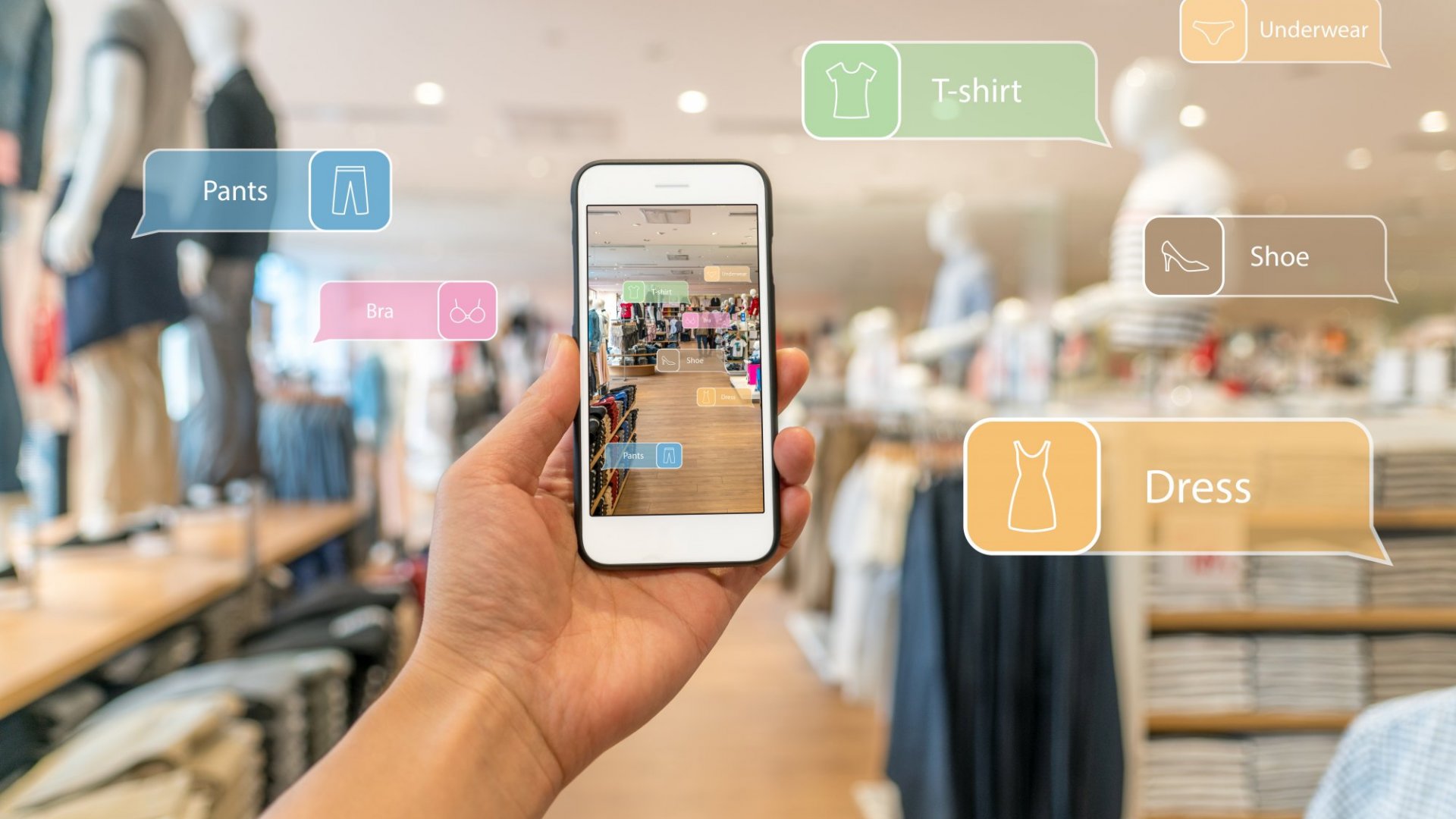
pivot62.com – In the ever-evolving landscape of consumer behavior, trends emerge that not only reflect the changing needs and preferences of shoppers but also dictate the future direction of retail and e-commerce. As we navigate through the digital age, these trends are increasingly influenced by technology, sustainability, convenience, and personalization. Understanding these shifts is crucial for businesses aiming to stay relevant and meet the demands of their customers. This article explores the key consumer trends that are shaping the future of shopping experiences and offers insights into how retailers can adapt to these changes.

  1. Omnichannel Shopping:
    The rise of omnichannel shopping has blurred the lines between online and offline retail. Consumers now expect a seamless shopping experience, whether they are browsing products on their smartphones, visiting a brick-and-mortar store, or interacting with customer service through social media. Retailers must integrate their online and physical presence to provide a consistent and convenient shopping journey.
  2. Personalization and Customer Experience:
    Consumers today crave personalized experiences that cater to their individual tastes and preferences. From personalized product recommendations to tailored marketing messages, shoppers expect brands to understand their needs and deliver a unique shopping experience. Retailers can leverage data analytics and artificial intelligence to gain insights into consumer behavior and tailor their offerings accordingly.
  3. Sustainability and Ethical Consumption:
    Environmental consciousness is on the rise, with consumers increasingly seeking out products and brands that align with their values. Sustainability has become a significant factor in purchasing decisions, driving demand for eco-friendly products and packaging. Retailers must adopt sustainable practices and communicate their commitment to environmental stewardship to resonate with this growing segment of conscious consumers.
  4. Convenience and On-Demand Culture:
    The on-demand economy has conditioned consumers to expect instant gratification. Fast delivery options, easy returns, and 24/7 customer service are no longer nice-to-haves but essential components of the shopping experience. Retailers must optimize their supply chains and logistics to meet these expectations, ensuring that convenience is at the forefront of their service offerings.
  5. Health and Wellness:
    The pandemic has heightened awareness of health and wellness, leading to a surge in demand for products that support a healthy lifestyle. Consumers are now more mindful of what they consume, from organic foods to supplements and wellness gadgets. Retailers can capitalize on this trend by curating a selection of health-conscious products and providing educational content to guide consumers in their wellness journey.
  6. Technology Integration:
    Augmented reality (AR), virtual reality (VR), and artificial intelligence (AI) are transforming the shopping experience by offering immersive and interactive elements. These technologies enable consumers to visualize products in their own space, receive personalized recommendations, and enjoy a more engaging shopping process. Retailers should explore these innovative tools to enhance customer engagement and differentiate themselves in a crowded market.

Conclusion:
The future of shopping experiences is being shaped by a complex interplay of consumer trends that prioritize convenience, personalization, sustainability, and technology. Retailers must be agile and responsive to these changes, continuously innovating to meet the evolving expectations of their customers. By embracing these trends and integrating them into their business models, retailers can ensure a prosperous future, delivering shopping experiences that not only meet but exceed consumer expectations.

Safeguarding Our Digital Future: Cyber Security Frontiers

pivot62.com – In an era where digital transformation has become the cornerstone of modern society, the frontiers of cyber security have never been more critical. As we navigate the complexities of a hyper-connected world, the need to safeguard our digital future has become paramount. Cyber security is no longer just a concern for IT departments; it is a strategic imperative that affects every individual, organization, and nation. This article explores the cutting-edge developments and challenges at the forefront of cyber security, highlighting the measures we must take to protect our digital assets and maintain the integrity of our online ecosystem.

The Evolving Threat Landscape:
The cyber threat landscape is constantly evolving, with new vulnerabilities and attack vectors emerging at an unprecedented rate. Cybercriminals are becoming more sophisticated, employing advanced techniques such as artificial intelligence (AI) and machine learning to evade traditional security measures. State-sponsored hacking groups are leveraging zero-day exploits to target critical infrastructure and intellectual property. Additionally, the rise of the Internet of Things (IoT) and the proliferation of connected devices have expanded the attack surface, creating new entry points for malicious actors.

Advancements in Cyber Defense:
To counter these threats, the cyber security industry is pushing the boundaries of innovation. AI and machine learning are being harnessed to enhance threat detection and response, enabling security systems to adapt and learn from new patterns of attack. The development of next-generation firewalls, advanced endpoint protection, and cloud security solutions is providing robust defenses against modern threats. Moreover, the adoption of a zero-trust security model, which assumes breach and verifies every access attempt, is gaining traction as a proactive approach to securing digital environments.

The Role of Quantum Computing:
One of the most significant frontiers in cyber security is the advent of quantum computing. Quantum computers have the potential to revolutionize computing by solving complex problems that are currently intractable. However, they also pose a significant threat to current encryption standards, which rely on mathematical problems that are difficult for classical computers to solve. The race is on to develop quantum-resistant encryption algorithms that can withstand the power of quantum computers, ensuring the security of our digital communications in the post-quantum era.

The Human Element:
Despite technological advancements, the human factor remains the weakest link in the cyber security chain. Social engineering attacks, phishing schemes, and insider threats continue to exploit human vulnerabilities. Education and awareness are crucial in strengthening this link. Organizations must invest in training programs that empower employees to recognize potential threats and adopt best practices for digital hygiene.

Collaboration and Regulation:
The digital future requires a collaborative approach to cyber security. Governments, industry leaders, and cybersecurity experts must work together to establish international standards and frameworks that promote security and resilience. Regulations such as the General Data Protection Regulation (GDPR) in Europe and the Cybersecurity Law in China are steps in the right direction, but a more unified global effort is needed to address the borderless nature of cyber threats.

Conclusion:
Safeguarding our digital future is a complex and ongoing challenge that requires vigilance, innovation, and collaboration. As we stand at the frontiers of cyber security, we must embrace new technologies, strengthen our defenses, and foster a culture of security awareness. By doing so, we can protect our digital assets, maintain the trust of our digital ecosystem, and ensure a secure and prosperous digital future for all.