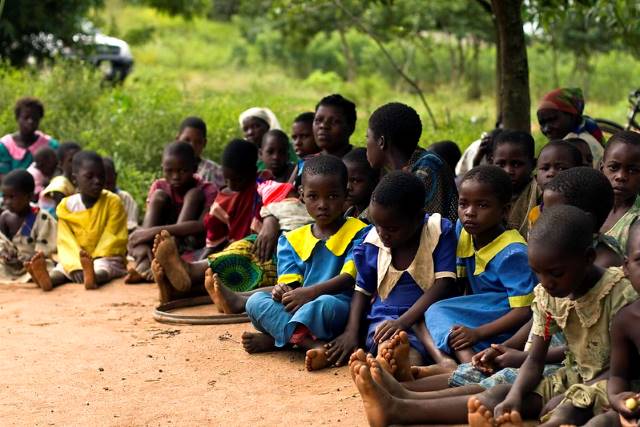
Malawi: A Small Nation with Big Poverty Challenges

pivot62.com – Nestled in the heart of Southern Africa, Malawi is a landlocked country known for its stunning Lake Malawi, diverse wildlife, and friendly people. Despite its natural beauty and rich cultural heritage, Malawi faces significant poverty challenges that impact its socio-economic development. This article delves into the factors contributing to Malawi’s poverty and explores potential pathways to overcome these hurdles.

The Poverty Landscape in Malawi

Malawi is one of the poorest countries in the world, with a significant portion of its population living below the poverty line. The United Nations Development Programme (UNDP) reports that poverty in Malawi is both widespread and deep, affecting rural areas more severely than urban centers. The agricultural sector, which employs the majority of the workforce, is highly vulnerable to climate change, leading to food insecurity and malnutrition.

Factors Contributing to Poverty in Malawi

1. Economic Dependence on Agriculture

The economy of Malawi is heavily reliant on agriculture, which accounts for about 30% of its GDP and employs over 80% of the workforce. However, this sector is characterized by low productivity, limited access to modern farming techniques, and vulnerability to climate change. These factors hinder economic growth and contribute to poverty.

2. Climate Change and Environmental Degradation

Malawi is particularly susceptible to the impacts of climate change, including droughts and floods. These natural disasters not only affect agricultural productivity but also lead to loss of life and property. Environmental degradation, such as deforestation and soil erosion, further exacerbates the situation, reducing the land’s fertility and increasing the risk of natural disasters.

3. Limited Access to Education and Healthcare

The lack of access to quality education and healthcare services is another significant factor contributing to poverty in Malawi. Education is crucial for breaking the cycle of poverty, yet many children, especially girls, do not attend school due to factors such as poverty, cultural norms, and long distances to school. Similarly, inadequate healthcare services result in high rates of preventable diseases, reducing the workforce’s productivity and increasing healthcare costs for families.

4. Gender Inequality

Gender inequality is deeply entrenched in Malawian society, with women and girls facing discrimination in various spheres of life. This inequality limits their access to education, healthcare, and economic opportunities, perpetuating the cycle of poverty.

Pathways to Overcoming Poverty in Malawi

Overcoming the poverty challenges in Malawi requires a multifaceted approach that addresses the root causes of poverty. Some potential pathways include:

1. Diversifying the Economy

Diversifying the economy beyond agriculture can create more stable and higher-paying jobs, reducing dependence on a single, vulnerable sector. Investing in industries such as tourism, manufacturing, and renewable energy can provide new economic opportunities.

2. Strengthening Climate Resilience

Implementing climate-resilient agricultural practices, such as drought-tolerant crops and water-saving techniques, can help mitigate the impacts of climate change. Additionally, reforestation and conservation efforts can protect the environment and enhance the land’s productivity.

3. Improving Access to Education and Healthcare

Investing in education and healthcare infrastructure, and ensuring equitable access for all, is crucial for breaking the cycle of poverty. Programs that focus on girls’ education and maternal health are particularly important for addressing gender inequality and improving overall well-being.

4. Promoting Gender Equality

Empowering women and girls through education, economic opportunities, and legal rights can significantly reduce poverty. Policies that address gender-based violence, promote women’s participation in decision-making, and ensure equal access to resources are essential steps toward gender equality.

Conclusion

Malawi’s poverty challenges are complex and deeply rooted, requiring concerted efforts from the government, civil society, and international partners. By addressing the underlying issues and implementing sustainable solutions, Malawi can pave the way for a brighter future, where its people can enjoy the fruits of their rich cultural heritage and natural beauty without the burden of poverty.
A Nation’s Unsolved Tragedy: The Lindbergh Baby Kidnapping

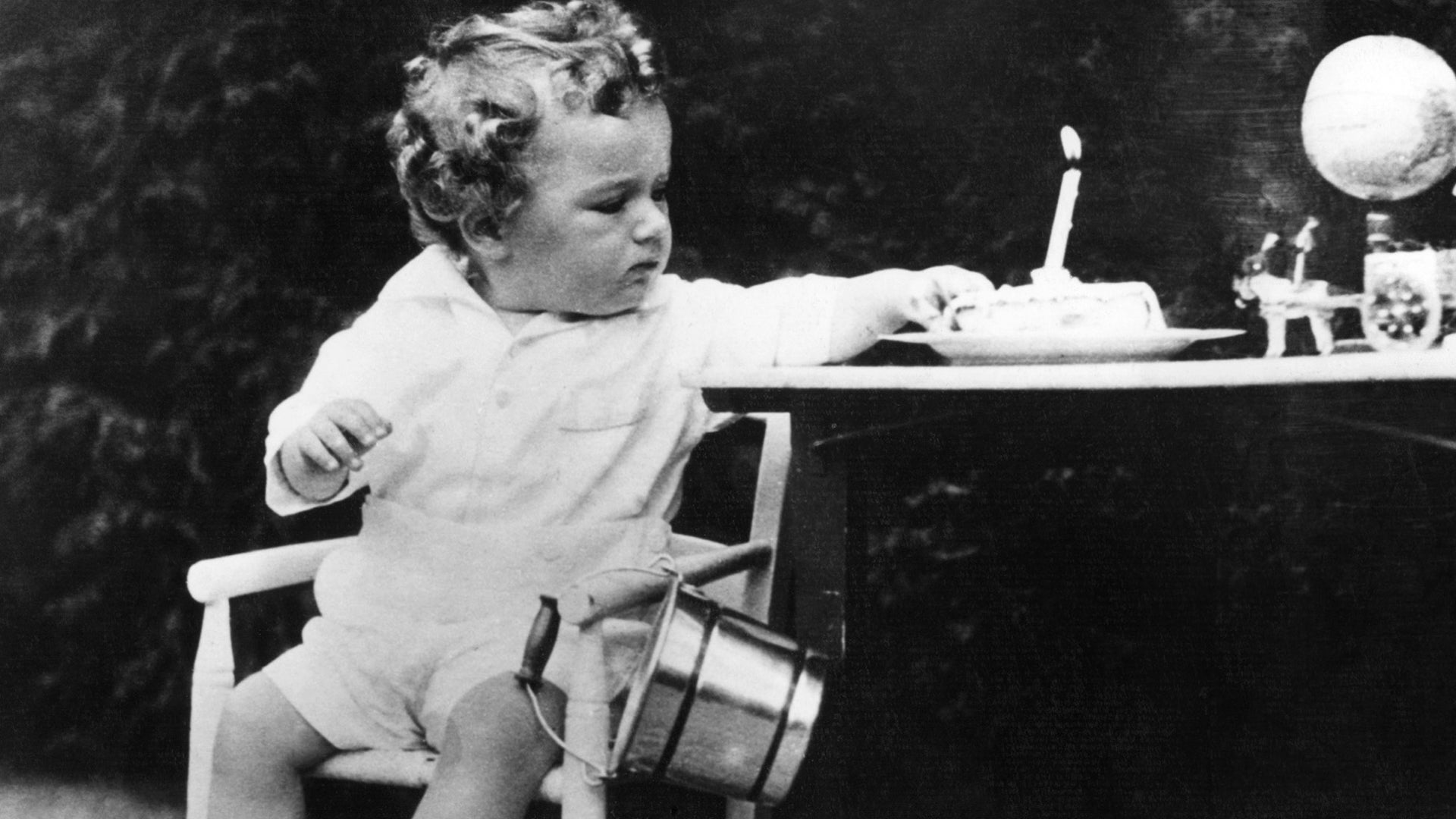
pivot62.com – The kidnapping of Charles Augustus Lindbergh Jr., known as the Lindbergh baby, remains one of the most notorious crimes in American history. It not only shattered the peace of a celebrated family but also captivated and horrified the nation, leaving a legacy of unresolved questions and lingering sorrow.

The Celebrated Family

Charles Lindbergh, the father, was a national hero, having made the first solo non-stop flight across the Atlantic Ocean in 1927. His wife, Anne Morrow Lindbergh, was the daughter of a prominent American diplomat. Together, they were the epitome of American success and were adored by the public. The birth of their first child, Charles Jr., on June 22, 1930, was celebrated as a joyous event, not just for the Lindberghs but for the entire nation.

The Kidnapping

On the night of March 1, 1932, tragedy struck the Lindbergh estate in Hopewell, New Jersey. The 20-month-old Charles Jr. was taken from his crib, and a ransom note demanding $50,000 was left behind. Despite the family’s efforts to comply with the kidnappers’ demands, the ransom was never successfully delivered, and the baby’s remains were found several months later, in May 1932, in a wooded area near the Lindbergh home.

A Nation in Shock

The kidnapping and subsequent death of the Lindbergh baby sent shockwaves through the United States. It was a crime that seemed to defy the very notion of safety and security, targeting one of the nation’s most beloved families. The public was gripped by the unfolding drama, and the media coverage was unprecedented, setting the stage for the modern era of crime reporting.

The Investigation

The investigation into the kidnapping was extensive and fraught with challenges. It involved local, state, and federal law enforcement agencies, including the newly formed Bureau of Investigation, which would later become the FBI. Despite numerous suspects and leads, the case remained unsolved for several years.

The Trial of Bruno Hauptmann

In 1934, Bruno Richard Hauptmann, a German immigrant, was arrested and charged with the kidnapping and murder of Charles Lindbergh Jr. The trial, which began in January 1935, was a media spectacle, with Hauptmann maintaining his innocence throughout. He was found guilty and sentenced to death. Hauptmann was executed in April 1936, but doubts about his guilt and the fairness of the trial persist to this day.

A Legacy of Uncertainty

The execution of Bruno Hauptmann did not bring closure to the case. Questions about his guilt, the involvement of others, and the conduct of the investigation have continued to fuel speculation and debate. The Lindbergh baby kidnapping remains an unsolved tragedy, a haunting reminder of the fragility of security and the complexities of justice.

Conclusion

The Lindbergh baby kidnapping is more than a historical footnote; it is a story that captures the fears and fascinations of a nation. It reflects the challenges of law enforcement, the power of the media, and the enduring human desire for justice. As the years pass, the details of the case may fade, but the questions it raises about truth, guilt, and the nature of crime will continue to resonate.

Beauty Standards Across Nations: The World in Her Eyes

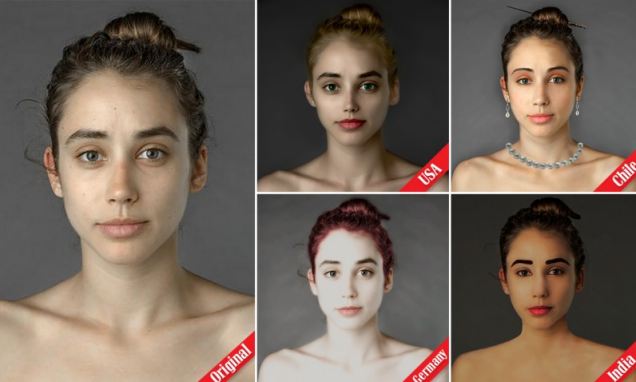
pivot62.com – Beauty is a concept that has been celebrated and debated for centuries. It is a notion that is both universal and deeply personal, varying significantly across different cultures and nations. The perception of beauty is influenced by a myriad of factors, including historical context, societal norms, and media representation. This article explores the diverse beauty standards across nations, highlighting how these ideals shape the lives of women around the world.

The Evolution of Beauty Standards

Throughout history, beauty standards have evolved, often reflecting the values and challenges of the time. From the voluptuous figures of the Renaissance to the slender silhouettes of the 1920s, beauty ideals have been in constant flux. However, with the advent of globalization and the internet, these standards have become more accessible and influential than ever before.

Beauty Standards in Different Nations

Asia

In many Asian countries, such as South Korea and Japan, a pale complexion, large eyes, and a small face are often considered ideal. The popularity of K-pop and K-dramas has further popularized these standards, leading to a boom in the cosmetic and plastic surgery industries.

Europe

European beauty standards have historically been diverse, with different countries valuing different traits. However, there is a general emphasis on natural beauty, with a focus on healthy skin and a balanced lifestyle. The fashion capitals of Paris and Milan have also played a significant role in shaping global beauty standards, often setting trends that ripple across the world.

Africa

Across the African continent, beauty standards vary widely. In some regions, fuller figures are celebrated, while in others, a tall and slender physique is ideal. Hairstyles and adornments play a significant role in African beauty, with intricate braids and vibrant accessories being a prominent feature.

The Americas

In the Americas, beauty standards are influenced by a mix of cultures, leading to a diverse range of ideals. In the United States, for example, there is a strong emphasis on a fit and toned body, often influenced by celebrity culture and social media. Meanwhile, in Brazil, curves are celebrated, and there is a focus on a more voluptuous figure.

The Impact of Globalization

Globalization has had a profound impact on beauty standards, making them more homogenized. Western beauty ideals, in particular, have become increasingly dominant, often at the expense of local standards. This has led to a complex interplay between tradition and modernity, with many individuals seeking to balance their cultural heritage with global trends.

The Struggle for Diversity and Inclusion

Despite the dominance of certain beauty standards, there is a growing movement towards diversity and inclusion. Social media has played a crucial role in this shift, providing a platform for voices that have traditionally been marginalized. Campaigns for body positivity and the celebration of natural beauty are challenging the narrow definitions of beauty and encouraging a more inclusive dialogue.

Conclusion

Beauty standards across nations are a reflection of cultural values, historical contexts, and global influences. While these standards have the power to shape perceptions and behaviors, they are also subject to change and challenge. As the world becomes more interconnected, the conversation around beauty is evolving, embracing diversity and celebrating the unique qualities that make each individual beautiful. The journey towards a more inclusive understanding of beauty is ongoing, but it is a testament to the human spirit’s capacity for growth and change.