Conserving Biodiversity in a Changing Landscape: Cambodia’s Wildlife

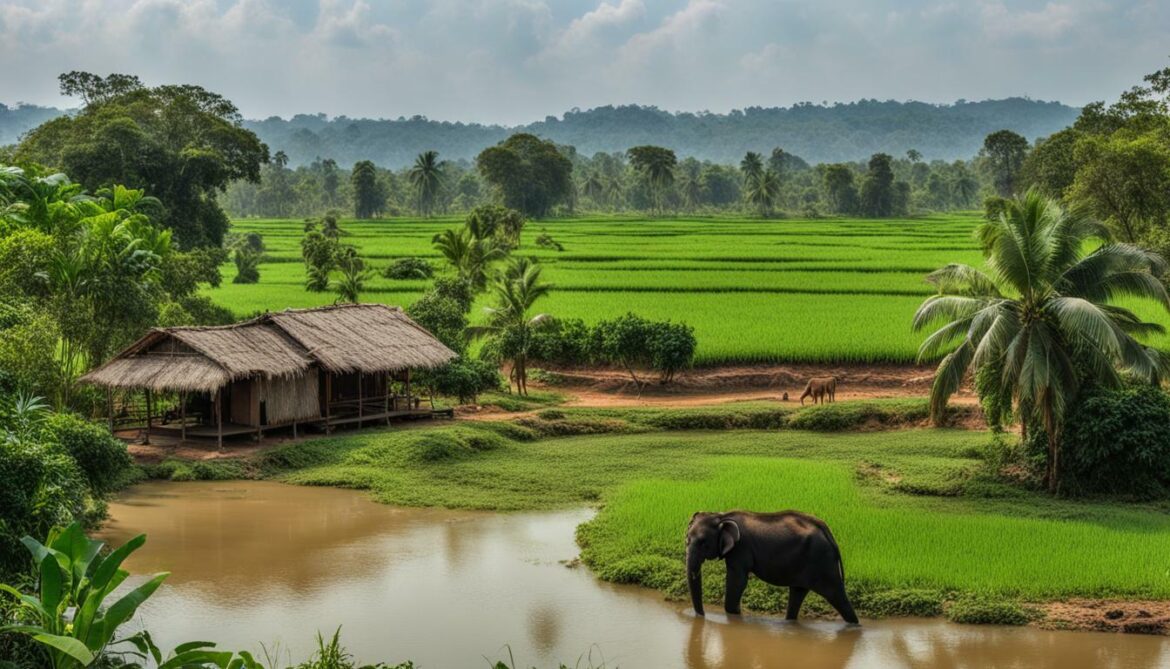
pivot62.com – Cambodia, a country with a rich tapestry of cultural heritage, is also home to an array of diverse wildlife and ecosystems. From the lush jungles of the Cardamom Mountains to the vast wetlands of the Tonle Sap Lake, the country boasts a wealth of biodiversity that is both unique and vital to the global ecosystem. However, this biodiversity is under threat from various challenges, including habitat loss, poaching, and climate change. This article explores the importance of Cambodia’s wildlife, the threats it faces, and the conservation efforts underway to protect and preserve this precious natural heritage.

The Rich Biodiversity of Cambodia

Cambodia’s landscape is a mosaic of ecosystems, each supporting a variety of flora and fauna. The country is home to over 200 species of mammals, 530 species of birds, and 800 species of reptiles and amphibians. Among these are several endangered species, such as the Asian elephant, the Siamese crocodile, and the Eld’s deer. The Tonle Sap Lake, a UNESCO Biosphere Reserve, is one of the most productive freshwater fisheries in the world, supporting a rich diversity of aquatic life and providing a critical food source for millions of Cambodians.

Threats to Cambodia’s Wildlife

Despite its rich biodiversity, Cambodia’s wildlife faces numerous threats. Habitat loss due to deforestation, agricultural expansion, and urban development is a significant concern. The country has one of the highest rates of forest loss in the world, which not only destroys the habitats of many species but also contributes to climate change.

Poaching and illegal wildlife trade are also major issues. Many species, such as the pangolin and the tiger, are hunted for their meat, skins, and body parts, which are highly valued in traditional medicine and as luxury items. The demand for wildlife products both within Cambodia and in international markets fuels this illegal trade, pushing many species closer to extinction.

Climate change presents another challenge, with rising temperatures and changing weather patterns affecting ecosystems and species’ habitats. Cambodia is particularly vulnerable to the impacts of climate change, which could further exacerbate the threats to its wildlife.

Conservation Efforts in Cambodia

In response to these threats, various conservation efforts are underway in Cambodia. The government, along with international organizations and local communities, is working to protect key habitats and species. National parks and wildlife sanctuaries have been established to preserve critical ecosystems, and anti-poaching patrols are being conducted to combat illegal hunting and wildlife trade.

Community-based conservation initiatives are also playing a crucial role. By involving local communities in conservation efforts, these initiatives not only help to protect wildlife but also provide economic benefits through ecotourism and sustainable resource management. Education and awareness programs are vital components of these efforts, ensuring that future generations understand the importance of biodiversity and conservation.

The Role of International Support

International support is essential for the success of conservation efforts in Cambodia. Funding, technical expertise, and collaboration on transboundary conservation issues are all critical. International treaties and agreements, such as the Convention on International Trade in Endangered Species of Wild Fauna and Flora (CITES), help to regulate the trade of wildlife products and reduce the demand for illegal wildlife products.

Conclusion

Cambodia’s wildlife is an invaluable asset, not only to the country itself but to the global biodiversity. The challenges facing Cambodia’s wildlife are significant, but with concerted efforts from the government, local communities, international organizations, and concerned individuals, it is possible to conserve this rich biodiversity for future generations. By protecting Cambodia’s wildlife, we are not only preserving a piece of natural heritage but also contributing to the health of the planet.

Beauty Standards Across Nations: The World in Her Eyes

pivot62.com – Beauty is a concept that has been celebrated and debated for centuries. It is a notion that is both universal and deeply personal, varying significantly across different cultures and nations. The perception of beauty is influenced by a myriad of factors, including historical context, societal norms, and media representation. This article explores the diverse beauty standards across nations, highlighting how these ideals shape the lives of women around the world.

The Evolution of Beauty Standards

Throughout history, beauty standards have evolved, often reflecting the values and challenges of the time. From the voluptuous figures of the Renaissance to the slender silhouettes of the 1920s, beauty ideals have been in constant flux. However, with the advent of globalization and the internet, these standards have become more accessible and influential than ever before.

Beauty Standards in Different Nations

Asia

In many Asian countries, such as South Korea and Japan, a pale complexion, large eyes, and a small face are often considered ideal. The popularity of K-pop and K-dramas has further popularized these standards, leading to a boom in the cosmetic and plastic surgery industries.

Europe

European beauty standards have historically been diverse, with different countries valuing different traits. However, there is a general emphasis on natural beauty, with a focus on healthy skin and a balanced lifestyle. The fashion capitals of Paris and Milan have also played a significant role in shaping global beauty standards, often setting trends that ripple across the world.

Africa

Across the African continent, beauty standards vary widely. In some regions, fuller figures are celebrated, while in others, a tall and slender physique is ideal. Hairstyles and adornments play a significant role in African beauty, with intricate braids and vibrant accessories being a prominent feature.

The Americas

In the Americas, beauty standards are influenced by a mix of cultures, leading to a diverse range of ideals. In the United States, for example, there is a strong emphasis on a fit and toned body, often influenced by celebrity culture and social media. Meanwhile, in Brazil, curves are celebrated, and there is a focus on a more voluptuous figure.

The Impact of Globalization

Globalization has had a profound impact on beauty standards, making them more homogenized. Western beauty ideals, in particular, have become increasingly dominant, often at the expense of local standards. This has led to a complex interplay between tradition and modernity, with many individuals seeking to balance their cultural heritage with global trends.

The Struggle for Diversity and Inclusion

Despite the dominance of certain beauty standards, there is a growing movement towards diversity and inclusion. Social media has played a crucial role in this shift, providing a platform for voices that have traditionally been marginalized. Campaigns for body positivity and the celebration of natural beauty are challenging the narrow definitions of beauty and encouraging a more inclusive dialogue.

Conclusion

Beauty standards across nations are a reflection of cultural values, historical contexts, and global influences. While these standards have the power to shape perceptions and behaviors, they are also subject to change and challenge. As the world becomes more interconnected, the conversation around beauty is evolving, embracing diversity and celebrating the unique qualities that make each individual beautiful. The journey towards a more inclusive understanding of beauty is ongoing, but it is a testament to the human spirit’s capacity for growth and change.

Celebrating Island Traditions: Bali’s Hindu Festivals

pivot62.com – Bali, an Indonesian island known for its stunning landscapes, vibrant culture, and warm hospitality, is also famous for its unique Hindu traditions. Unlike the rest of Indonesia, which is predominantly Muslim, Bali’s Hindu-majority population celebrates a plethora of festivals throughout the year, each with its own significance and charm. These festivals are not just religious observances but also a reflection of the island’s deep-rooted cultural heritage and community spirit.

The Significance of Bali’s Hindu Festivals

Bali’s Hindu festivals are deeply intertwined with the island’s agricultural calendar, the phases of the moon, and the Balinese Pawukon calendar, which consists of 210 days. These festivals are celebrated with various rituals, dances, processions, and offerings, showcasing the island’s rich artistic and spiritual traditions. The festivals serve as a reminder of the Balinese Hindu philosophy of Tri Hita Karana, which emphasizes harmony among humans, nature, and the gods.

Galungan and Kuningan: The Festivals of Victory and Thanksgiving

One of the most significant festivals in Bali is Galungan, which celebrates the victory of dharma (goodness) over adharma (evil). Families welcome the gods into their homes with elaborate decorations and offerings. This 10-day festival culminates in Kuningan, where people express gratitude to the gods and ancestors. The island comes alive with traditional music, dance, and communal feasts, symbolizing the unity and resilience of the Balinese people.

Nyepi: The Day of Silence

Nyepi, or the Day of Silence, marks the Balinese New Year and is a stark contrast to the vibrant celebrations of other festivals. On Nyepi, the entire island observes a day of absolute silence and meditation. No lights, fires, or entertainment are allowed, and even the airport remains closed. This day of introspection and peace is a powerful testament to the Balinese commitment to spiritual well-being and community harmony.

Odi Lanjar: The Festival of Swings and See-Saws

Odi Lanjar, or the festival of swings and see-saws, is a colorful celebration that takes place in Tenganan, one of Bali’s oldest villages. It is believed to bring good luck and answer prayers for those who participate in the swinging and see-sawing competitions. The festival is a joyous occasion, filled with music, dance, and traditional attire, showcasing the unique cultural practices of the Balinese people.

The Role of Festivals in Preserving Bali’s Cultural Heritage

Bali’s Hindu festivals play a crucial role in preserving the island’s cultural heritage. They are a living testament to the Balinese people’s deep connection to their traditions, beliefs, and community. Through these festivals, the younger generation learns about their ancestors’ wisdom, the importance of community, and the value of maintaining a harmonious relationship with nature and the spiritual world.

Conclusion

Bali’s Hindu festivals are more than just religious observances; they are a vibrant tapestry of traditions, beliefs, and community spirit that define the island’s cultural identity. These festivals offer a glimpse into the rich spiritual and artistic heritage of Bali, inviting both locals and visitors to partake in the celebrations and experience the island’s unique charm. As Bali continues to evolve, these festivals remain a beacon of tradition, reminding us of the importance of preserving our cultural heritage for future generations.

The Rise of a 1980s Action Hero: Sylvester Stallone

pivot62.com – The 1980s was a decade that saw the rise of action cinema, with one man at the forefront of this cinematic revolution: Sylvester Stallone. Known for his muscular physique, distinctive voice, and unparalleled determination, Stallone became an icon of the era, embodying the spirit of resilience and triumph against all odds. His journey from struggling actor to global superstar is a testament to his talent, perseverance, and the enduring appeal of the action hero archetype.

The Early Struggles

Sylvester Stallone’s path to stardom was anything but straightforward. Born in 1946, he faced numerous challenges early in life, including a partially paralyzed face due to complications during his birth. These challenges did not deter him; instead, they fueled his ambition. After years of struggling in New York City, taking odd jobs and even selling his dog for money, Stallone’s big break came with the writing and starring role in “Rocky” (1976). This film, inspired by the championship fight between Muhammad Ali and Chuck Wepner, catapulted Stallone to fame and earned him an Academy Award nomination for Best Original Screenplay.

The 1980s: A Decade of Dominance

The 1980s marked the zenith of Stallone’s career, with his action hero persona becoming synonymous with the era. Two franchises, in particular, solidified his status as a leading figure in action cinema: “Rocky” and “Rambo.”

Rocky: The Underdog’s Triumph

The “Rocky” series, which began in the late 1970s, continued into the 1980s with “Rocky II” (1979), “Rocky III” (1982), and “Rocky IV” (1985). These films followed the life of Rocky Balboa, a down-on-his-luck boxer who rises to become the World Heavyweight Champion. The series resonated with audiences for its themes of self-endurance, fighting for one’s beliefs, and meaningful relationships, encapsulating the decade’s ethos of perseverance and success through hard work.

Rambo: The Warrior’s Struggle

The “Rambo” series, beginning with “First Blood” (1982) and continuing with “Rambo: First Blood Part II” (1985) and “Rambo III” (1988), showcased Stallone as John Rambo, a Vietnam War veteran struggling with PTSD and the challenges of reintegrating into society. These films, particularly “Rambo: First Blood Part II,” became emblematic of 1980s action cinema, known for their intense action sequences, muscular protagonists, and themes of revenge and survival.

The Legacy

Sylvester Stallone’s impact on the 1980s action genre is undeniable. His portrayal of Rocky Balboa and John Rambo not only defined the decade but also left a lasting legacy on cinema. Stallone’s characters, often facing insurmountable odds, embodied the era’s spirit of resilience and the triumph of the human spirit.

Conclusion

Sylvester Stallone’s rise to fame in the 1980s as an action hero was more than just a series of successful films; it was a cultural phenomenon. Through his iconic roles in “Rocky” and “Rambo,” Stallone became a symbol of strength, determination, and the relentless pursuit of justice. His legacy as an action hero continues to influence both the genre and the actors who follow in his footsteps. Stallone’s journey from obscurity to stardom remains one of the most compelling stories in Hollywood, a testament to the power of perseverance and the enduring appeal of the action hero.

Cheap Travel in Poland: Eastern European Explorations

pivot62.com – Poland, with its rich history, vibrant culture, and stunning landscapes, has become an increasingly popular destination for budget-conscious travelers. Nestled in the heart of Eastern Europe, this country offers a plethora of opportunities for exploration without breaking the bank. Whether you’re a history buff, an adventure seeker, or simply looking to immerse yourself in a new culture, Poland provides an array of affordable experiences that cater to every type of traveler.

Affordable Accommodations

One of the first steps in planning a budget-friendly trip is finding suitable accommodations. Poland boasts a wide range of options, from hostels and guesthouses to budget hotels and private rentals. Cities like Krakow, Warsaw, and Gdansk have numerous hostels that offer comfortable beds, free Wi-Fi, and communal kitchens, often for less than €15 per night. For those seeking a bit more privacy, Airbnb and other vacation rental platforms provide competitively priced apartments and rooms, allowing you to experience the local lifestyle firsthand.

Cost-Effective Cuisine

Polish cuisine is hearty, flavorful, and incredibly affordable. Traditional dishes such as pierogi (dumplings), kotlet schabowy (breaded pork chop), and zurek (sour rye soup) can be found at local bars and milk bars (bar mleczny) for a fraction of the cost of dining in Western Europe. These establishments offer no-frills dining experiences, focusing on quality and quantity rather than ambiance. Additionally, street food markets and bakeries are great options for a quick, cheap, and delicious meal on the go.

Efficient and Economical Transportation

Getting around Poland is both easy and economical. The country has an extensive and reliable public transportation system, with buses and trains connecting major cities and smaller towns. A ride on the national train service, PKP Intercity, can cost as little as a few zloty if booked in advance. For those looking to explore at their own pace, car rental services are also available at reasonable rates, and fuel prices are competitive compared to other European countries.

Free and Low-Cost Attractions

Poland is brimming with attractions that won’t put a dent in your wallet. Many of its historical sites, such as the Royal Castle in Warsaw and the Wawel Castle in Krakow, offer free entry or have nominal fees. The country’s numerous parks and nature reserves provide free access to breathtaking landscapes, perfect for hiking, biking, or simply enjoying the scenery. Additionally, cities like Wroclaw and Poznan have created “Little Venice” districts, where you can take a free walking tour to learn about the city’s history and architecture.

Cultural Experiences on a Budget

Immersing yourself in the local culture doesn’t have to be expensive. Poland’s vibrant music, art, and theater scenes often feature free or low-cost performances and exhibitions. The annual festivals, such as the Krakow Film Festival or the Sopot International Song Festival, offer a mix of free and ticketed events, showcasing the best of Polish and international talent.

Conclusion

Traveling through Poland on a budget is not only possible but also rewarding. With its affordable accommodations, cost-effective cuisine, efficient and economical transportation, and a wealth of free and low-cost attractions, Poland is a paradise for the budget-conscious traveler. Whether you’re exploring the medieval streets of Krakow, enjoying the seaside breeze in Gdansk, or wandering through the vibrant markets of Warsaw, Poland promises an enriching experience that won’t empty your pockets. So pack your bags and set off on an adventure to discover the hidden gems of Eastern Europe in Poland.

Innovative Concepts in Runway Presentations: Fashion Futures

pivot62.com – In the ever-evolving landscape of the fashion industry, the traditional runway show has undergone a metamorphosis, transforming from a mere catwalk into a canvas for creative expression and innovation. Designers and brands are constantly pushing the boundaries of what a runway presentation can be, embracing technology, sustainability, and immersive experiences to create unforgettable spectacles that resonate with modern audiences. This article delves into the innovative concepts that are redefining the future of fashion presentations.

Virtual Runways and Digital Fashion Weeks

The digital revolution has had a profound impact on the fashion industry, with virtual runways and digital fashion weeks becoming the new norm, especially in the wake of global challenges like the COVID-19 pandemic. Brands like Dolce & Gabbana and Burberry have pioneered immersive digital experiences, using augmented reality (AR), virtual reality (VR), and 3D modeling to showcase their collections. These virtual presentations not only offer a front-row seat to audiences worldwide but also reduce the carbon footprint associated with physical events.

Sustainable Storytelling

Sustainability is no longer a buzzword but a commitment that many fashion brands are integrating into their runway presentations. Designers are increasingly focusing on eco-friendly materials, upcycling, and zero-waste designs. Brands like Stella McCartney and Gabriela Hearst are leading the charge, using their runway shows to tell a story of environmental responsibility and ethical production practices. These presentations often incorporate elements that reflect the brand’s commitment to sustainability, from the set design to the models’ makeup and hair.

Interactive Experiences

Interactive runway presentations are another innovative concept that is gaining traction. These experiences engage the audience in real-time, allowing them to interact with the show in various ways. For example, some designers have experimented with live voting, where the audience can choose which pieces make it to the final collection. Others have used mobile apps to provide additional content, such as behind-the-scenes footage or detailed information about the garments as they walk down the runway.

Theatrical and Immersive Sets

The runway is not just a path for models to walk; it’s a stage for storytelling. Designers are creating elaborate sets that transport the audience to different worlds, enhancing the narrative of their collections. From Marc Jacobs’ recreation of a Wes Anderson film set to Moschino’s supermarket runway, these theatrical presentations create a memorable experience that goes beyond the clothes themselves.

Technology-Infused Fashion

Wearable technology and smart fabrics are becoming more prevalent in fashion presentations. Designers are experimenting with materials that change color, texture, or shape in response to environmental factors or the wearer’s mood. These high-tech garments are often showcased in runway shows that incorporate light shows, soundscapes, and digital projections to highlight the interactive nature of the clothing.

Inclusivity and Diversity

The future of fashion is inclusive, and runway presentations are reflecting this shift. Brands are increasingly casting models of all ages, sizes, genders, and ethnicities, challenging traditional beauty standards and celebrating diversity. This inclusivity extends to the audience as well, with some brands offering adaptive fashion shows that cater to people with disabilities, ensuring that everyone can enjoy and participate in the fashion experience.

Pop-Up Runways

Pop-up runways are a novel concept that brings fashion shows to unexpected locations, turning streets, parks, or even abandoned buildings into temporary catwalks. This approach not only breaks down the barriers between high fashion and everyday life but also creates a sense of exclusivity and excitement as audiences discover where the next show will pop up.

In conclusion, the future of fashion runway presentations is a blend of creativity, technology, sustainability, and inclusivity. As designers continue to push the envelope, they are reimagining the runway as a platform for storytelling, innovation, and engagement. These innovative concepts not only captivate audiences but also reflect the changing values and expectations of the modern fashion consumer. As we look to the future, it’s clear that the runway will continue to evolve, offering endless possibilities for expression and experimentation.

Exploring the Untamed Beauty of Borneo: Island Wild

pivot62.com – Nestled in the heart of Southeast Asia, Borneo is a land of untamed beauty, a place where the wild still reigns supreme. Shared between Malaysia, Indonesia, and Brunei, this island is the third-largest in the world and is home to some of the most diverse ecosystems and wildlife on the planet. Borneo’s wild landscapes, from its ancient rainforests to its rugged coastlines, beckon adventurers and nature lovers to explore its untamed splendor.

The Heart of Borneo, a transboundary conservation area, is a testament to the island’s natural wealth. This vast expanse of protected forest is a sanctuary for endangered species such as the Bornean orangutan, the Bornean elephant, and the Sumatran rhinoceros. It is here, in these dense jungles, that one can truly experience the raw power of nature. The calls of exotic birds, the rustle of leaves as shy mammals move through the underbrush, and the sight of towering trees draped in vines and orchids create an otherworldly atmosphere that is both awe-inspiring and humbling.

Borneo’s rivers are lifelines, not only for the indigenous communities that live along their banks but also for the wildlife that depends on them. The Kinabatangan River, for example, is one of the last wildernesses in Asia where one can witness the pygmy elephant, the saltwater crocodile, and a plethora of bird species in their natural habitat. A boat safari along these waters is an adventure in itself, offering glimpses of life that few places on Earth can match.

The island’s coastlines are no less enchanting. The northern shores of Borneo, particularly in Sabah and Sarawak, are fringed with some of the most pristine beaches and coral reefs in the world. The waters here teem with marine life, making them a paradise for snorkelers and divers. The chance to swim alongside sea turtles, manta rays, and a kaleidoscope of tropical fish is an experience that stays with one long after leaving the island.

Borneo’s cultural tapestry is as rich and diverse as its natural environment. The indigenous tribes, such as the Iban, Kayan, and Penan, have lived in harmony with the forest for centuries. Their longhouses, traditional customs, and folklore provide a fascinating glimpse into a way of life that is increasingly rare in our modern world. Interacting with these communities offers a unique opportunity to learn about sustainable living and the deep connection between humans and the natural world.

However, Borneo’s wild beauty is under threat. Deforestation, logging, and palm oil plantations have encroached upon the island’s forests, leading to habitat loss and the decline of wildlife populations. Conservation efforts are crucial to protect the island’s biodiversity and ensure that future generations can experience its wonders.

Exploring Borneo is not just an adventure; it’s a journey into the heart of nature. It’s a reminder of the incredible diversity of life on our planet and the importance of preserving it. Whether trekking through the jungle, cruising along a river, or diving into crystal-clear waters, Borneo offers experiences that touch the soul and inspire a deeper appreciation for the wild places that still exist on Earth.

In the words of naturalist David Attenborough, “In wildness is the preservation of the world.” Borneo, with its untamed beauty, is a testament to this truth. It is a place that calls to the adventurer and the conservationist within us all, urging us to explore, to respect, and to protect the wildness that is the essence of Borneo.

Langkah Mudah Mengakses Link Alternatif Trisula88 dengan Aman

Link Alternatif Trisula88 merupakan salah satu situs taruhan online populer, namun terkadang akses ke situs ini bisa terblokir karena berbagai alasan, termasuk pembatasan geografis atau kebijakan ISP. Untuk mengatasi hal ini, Trisula88 menyediakan link alternatif yang memungkinkan pengguna untuk mengakses situs secara aman dan lancar. Berikut adalah langkah mudah untuk mengakses link alternatif Trisula88 dengan aman.

1. Cari Tahu Link Alternatif yang Resmi

Pertama-tama, penting untuk mendapatkan link alternatif yang resmi dan terpercaya. Anda bisa mendapatkan link ini dari berbagai sumber seperti email promosi dari Trisula88, akun media sosial resmi, atau melalui layanan customer service mereka. Pastikan Anda mendapatkan link dari sumber yang sah untuk menghindari risiko phishing atau scam.

2. Pastikan Koneksi Internet Anda Aman

Sebelum mengakses link alternatif, pastikan koneksi internet Anda aman. Gunakan jaringan yang terpercaya dan pertimbangkan penggunaan VPN untuk menambah lapisan keamanan tambahan, terutama jika Anda mengakses situs dari area dengan pembatasan internet yang ketat.

3. Verifikasi Keamanan Situs

Setelah mengakses link alternatif, periksa apakah situs tersebut dilindungi dengan SSL (Secure Socket Layer). Anda bisa mengetahui hal ini dengan mencari simbol gembok pada bar alamat browser Anda, yang menunjukkan bahwa koneksi Anda ke situs tersebut aman dan enkripsi.

4. Gunakan Perangkat Keamanan yang Tepat

Pastikan perangkat yang Anda gunakan untuk mengakses Trisula88 aman dari malware dan virus. Selalu update antivirus dan software keamanan Anda ke versi terbaru. Ini membantu melindungi data pribadi Anda dari ancaman cyber.

5. Berhati-hatilah dengan Data Pribadi Anda

Saat memasukkan data pribadi atau informasi keuangan, pastikan Anda berada di situs yang benar dan bukan situs phishing yang meniru Trisula88. Jangan pernah membagikan kata sandi atau detail login Anda kepada siapapun.

6. Tetap Update dengan Informasi Terbaru

Situs taruhan sering kali memperbarui link alternatif mereka untuk menghindari pemblokiran. Pastikan untuk terus berkomunikasi dengan tim support Trisula88 atau mengikuti mereka di media sosial untuk mendapatkan update terbaru mengenai link alternatif yang aman.

Kesimpulan

Mengakses Trisula88 melalui link alternatif adalah cara yang efektif untuk menikmati layanan mereka tanpa gangguan. Dengan mengikuti langkah-langkah di atas, Anda bisa memastikan bahwa pengalaman Anda bermain taruhan online tidak hanya menyenangkan tetapi juga aman. Selalu prioritaskan keamanan online Anda dan nikmati permainan yang adil dan terlindungi.

American Fashion Demystified: The Calvin Klein Minimalism

pivot62.com – In the ever-evolving world of fashion, where trends come and go with the changing seasons, the legacy of Calvin Klein stands as a testament to the enduring power of minimalism. As one of America’s most iconic fashion designers, Klein’s impact on the industry has been profound, with his brand becoming synonymous with clean lines, understated elegance, and a timeless aesthetic. This article delves into the essence of Calvin Klein’s minimalist approach and its significance in the American fashion landscape.

The Birth of a Fashion Empire:
Calvin Richard Klein was born on November 19, 1942, in the Bronx, New York. His journey into the fashion world began with a degree from the Fashion Institute of Technology and the launch of his first company in 1968. Initially, Klein focused on coats for women, but his talent and vision quickly expanded into a full line of clothing, accessories, and fragrances. By the 1970s, Calvin Klein had established himself as a leading figure in American fashion, celebrated for his ability to capture the zeitgeist of the era with his designs.

The Philosophy of Minimalism:
At the core of Calvin Klein’s design philosophy is minimalism—a concept that emphasizes simplicity, functionality, and the absence of unnecessary detail. This approach was revolutionary at a time when fashion was often characterized by excess and ornamentation. Klein’s minimalist aesthetic was not just a style; it was a statement about modernity, sophistication, and the American spirit. His designs were stripped down to their essence, allowing the wearer’s natural beauty and confidence to shine through.

Iconic Designs:
Calvin Klein’s minimalist approach is evident in his iconic designs that have become benchmarks in fashion history. The 1990s, in particular, were a golden era for the brand, with the launch of the CK line and the now-legendary advertising campaigns that featured supermodels like Kate Moss, Mark Wahlberg, and Brooke Shields, whose famous line, “Nothing comes between me and my Calvins,” epitomized the brand’s allure. Klein’s ready-to-wear collections, including his tailored suits, crisp white shirts, and sleek dresses, have remained staples in the wardrobes of those who appreciate the beauty of simplicity.

The Influence on American Fashion:
Calvin Klein’s impact on American fashion cannot be overstated. He was one of the first designers to successfully bridge the gap between high fashion and mainstream America, making designer clothing accessible and desirable to a broader audience. His minimalist aesthetic has influenced countless designers and has become a defining characteristic of American fashion—one that values comfort, functionality, and a democratic approach to style.

Legacy and Continuation:
Although Calvin Klein sold his company in the late 2000s and has since stepped away from the day-to-day operations, the brand continues to uphold the minimalist ethos that he established. Today, Calvin Klein remains a global fashion powerhouse, with its designs still capturing the essence of modernity and simplicity. The brand’s ability to adapt while maintaining its core values is a testament to Klein’s lasting legacy.

Conclusion:
The Calvin Klein minimalism is more than just a fashion trend; it is a philosophy that has shaped the American fashion identity. By demystifying style and focusing on the essentials, Klein has left an indelible mark on the industry. His legacy is a reminder that sometimes, less truly is more, and that the beauty of fashion lies in its ability to enhance the individual, not overshadow them. As the fashion world continues to evolve, the timeless appeal of Calvin Klein’s minimalist designs will undoubtedly endure, serving as a beacon of elegance and sophistication for generations to come.

NASA’s Darkest Hour: The Challenger Disaster

pivot62.com – On the frigid morning of January 28, 1986, the world watched in anticipation as the Space Shuttle Challenger prepared for liftoff at the Kennedy Space Center in Florida. Among the seven astronauts aboard was Christa McAuliffe, a high school teacher from Concord, New Hampshire, who was to become the first private citizen in space, a symbol of the growing accessibility of space exploration to the general public. However, the excitement and hope that filled the air were about to be shattered in a moment that would forever be etched in the annals of space exploration history.

The Space Shuttle Challenger was part of NASA’s Space Shuttle program, which aimed to make space travel routine and cost-effective. The Challenger mission, officially known as STS-51-L, was the 25th flight of the Space Shuttle and was expected to deploy a communications satellite and conduct experiments in Earth’s orbit. But as the shuttle roared into the sky, a catastrophic failure occurred just 73 seconds into the flight.

The disaster was caused by the failure of the O-rings, a critical component of the solid rocket boosters. These O-rings were rubber seals designed to prevent hot gases from leaking out of the booster joints. However, the unusually cold temperatures on the day of the launch caused the O-rings to become brittle and fail to properly seal. As a result, hot gases escaped and burned through the external fuel tank, leading to a massive explosion that broke the shuttle apart and killed all seven crew members.

The Challenger disaster was a stark reminder of the risks involved in space exploration. It was broadcast live on television, with millions of viewers, including students in classrooms across the United States, witnessing the tragedy. The loss of the crew, especially Christa McAuliffe, who was to teach lessons from space, had a profound impact on the public’s perception of space travel and NASA’s reputation for safety and reliability.

In the aftermath of the disaster, President Ronald Reagan established the Rogers Commission, led by former Secretary of State William P. Rogers, to investigate the cause of the accident. The commission’s findings revealed not only the technical failures but also the organizational and cultural issues within NASA that contributed to the disaster. These included a lack of communication between engineers and management, a flawed decision-making process, and an overconfidence in the shuttle’s reliability.

The Challenger disaster led to a significant overhaul of NASA’s safety protocols and management practices. The agency implemented a more rigorous review process for missions and components, and it took steps to foster a culture where concerns about safety could be raised and addressed without fear of retribution.

The Challenger disaster also had a lasting impact on the public’s perception of space exploration. While it initially dampened enthusiasm for space travel, it also highlighted the bravery and sacrifice of astronauts. The disaster served as a poignant reminder of the high stakes involved in pushing the boundaries of human knowledge and exploration.

In the years that followed, NASA continued its mission to explore space, learning from the Challenger disaster to improve safety and reliability. The agency’s resilience was demonstrated by the successful return to flight of the Space Shuttle program and the subsequent achievements in space exploration.

The Challenger disaster remains a somber moment in NASA’s history, a stark reminder of the risks and sacrifices that come with the quest to explore the unknown. The seven astronauts who lost their lives that day—Francis Scobee, Michael Smith, Judith Resnik, Ronald McNair, Ellison Onizuka, Gregory Jarvis, and Christa McAuliffe—are remembered as heroes who embodied the spirit of discovery and adventure that drives humanity to reach for the stars. Their legacy is a testament to the enduring human desire to explore and understand the universe, even in the face of great adversity.