
Prevention and Treatment: Arsenic in Drinking Water

pivot62.com – Arsenic is a naturally occurring metalloid found in the Earth’s crust. It is well known for its toxicity and is a significant public health concern, particularly when it contaminates drinking water. Long-term exposure to arsenic through contaminated water can lead to severe health issues, including skin lesions, cancer, cardiovascular diseases, and diabetes. This article explores the prevention and treatment methods for arsenic in drinking water.

Health Impacts of Arsenic

Arsenic exposure through drinking water and food is a major public health threat. Chronic arsenic poisoning can result in various health problems, such as skin lesions, skin cancer, bladder cancer, and lung cancer. Additionally, arsenic exposure has been linked to developmental issues, diabetes, respiratory diseases, and cardiovascular diseases. The World Health Organization (WHO) has identified arsenic as one of the top 10 chemicals of major public health concern.

Prevention Strategies

The primary strategy for preventing arsenic contamination in drinking water is to provide safe and alternative water sources. This can be achieved through several methods:

  1. Source Water Protection: Identifying and protecting low-arsenic water sources is crucial. This involves finding new sources of water that are free from arsenic contamination and ensuring that these sources are maintained and protected from future contamination.
  2. Water Treatment Systems: Implementing effective water treatment systems can significantly reduce arsenic levels in drinking water. These systems can include physical, chemical, and biological methods to remove arsenic from water. For instance, adsorption techniques using materials like iron oxide and activated carbon have proven effective in reducing arsenic concentrations.
  3. Community Education and Awareness: Educating communities about the risks of arsenic contamination and the importance of using safe water sources is essential. This includes promoting the use of water filters and providing information on how to identify and avoid contaminated water sources.

Treatment Methods

While prevention is the best approach, there are also treatment methods available for those already exposed to arsenic:

  1. Cutting Off the Arsenic Source: The primary treatment principle involves cutting off the source of arsenic exposure. This can be achieved by switching to a safe water source or using water treatment systems to remove arsenic from the water supply.
  2. Chelation Therapy: Chelation therapy involves the use of chelating agents to bind with arsenic in the body and facilitate its excretion. This method is used to reduce the body’s arsenic load and mitigate the health impacts of chronic exposure.
  3. Symptomatic Treatment: Managing the symptoms of arsenic poisoning is also important. This includes treating skin lesions, addressing cardiovascular issues, and managing other health complications associated with arsenic exposure. Comprehensive medical care is essential for individuals affected by chronic arsenic poisoning.

Conclusion

Arsenic contamination in drinking water is a serious public health issue that requires immediate attention. By implementing effective prevention strategies and utilizing advanced treatment methods, it is possible to mitigate the risks associated with arsenic exposure. Community education, source water protection, and the use of efficient water treatment systems are key to ensuring safe drinking water and protecting public health.
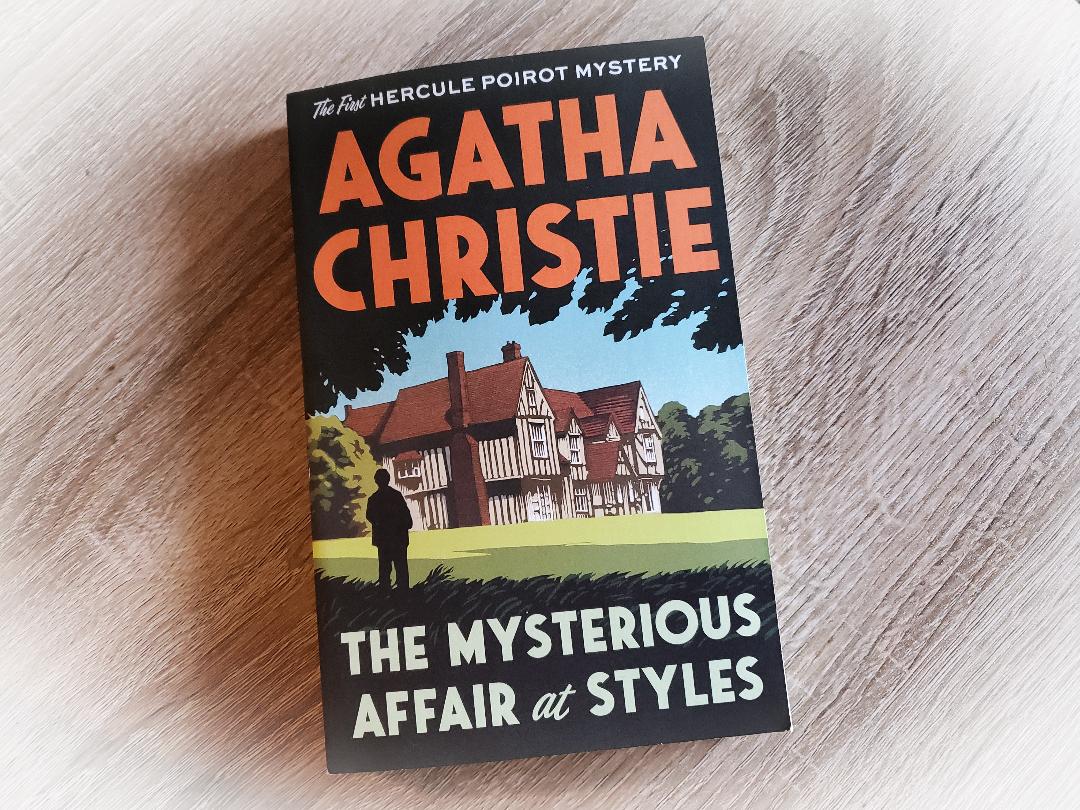
The Mysterious Affair at Styles by Agatha Christie

pivot62.com – “The Mysterious Affair at Styles” is Agatha Christie’s debut novel, published in 1920. This groundbreaking work introduced the world to the iconic detective Hercule Poirot and set the stage for Christie’s illustrious career in detective fiction. The novel is a classic example of a “locked room” mystery, where the crime scene is seemingly inaccessible to anyone other than the victim.

Plot Overview

The story begins when Captain Arthur Hastings, a soldier on sick leave from the First World War, is invited to stay at Styles Court, the country estate of his old friend John Cavendish. The tranquil setting is soon marred by the suspicious death of Emily Inglethorp, John’s elderly and wealthy stepmother. Hastings, realizing the gravity of the situation, seeks the help of his old acquaintance, the renowned Belgian detective Hercule Poirot, who has been living in England as a refugee.

Poirot, with his keen observational skills and methodical approach, begins to unravel the complex web of motives and alibis surrounding the case. The suspects include John Cavendish, his younger brother Lawrence, Emily’s new husband Alfred Inglethorp, her companion Evelyn Howard, and others. Through a series of clever deductions and a deep understanding of human psychology, Poirot ultimately identifies the murderer and brings them to justice.

Characters

  • Hercule Poirot: The eccentric and egotistical Belgian detective known for his meticulous attention to detail and his famous “little grey cells.”
  • Arthur Hastings: The narrator of the story and a friend of Poirot, who provides a more human perspective on the events.
  • Emily Inglethorp: The wealthy and elderly victim, whose death sets the mystery in motion.
  • Alfred Inglethorp: Emily’s second husband, a suspect in the murder.
  • John Cavendish: Emily’s stepson and the owner of Styles Court.
  • Evelyn Howard: Emily’s companion, who exhibits animosity towards Alfred.

Themes and Analysis

“The Mysterious Affair at Styles” explores themes of betrayal, greed, and the complexity of human relationships. Christie’s use of poison as the murder weapon, a choice influenced by her work in a hospital dispensary during World War I, adds a layer of medical intrigue to the plot. The novel also delves into the psychological aspects of the characters, revealing their innermost thoughts and motivations.

Historical Context

Christie began writing the novel in 1916, inspired by a dare from her sister Madge to write a detective story. Despite initial rejections from publishers, the manuscript was eventually accepted by John Lane and The Bodley Head. The novel’s publication marked the beginning of Christie’s prolific career, which would span over five decades and include numerous best-selling novels.

Legacy

“The Mysterious Affair at Styles” is not only a milestone in Christie’s career but also a significant contribution to the Golden Age of detective fiction. The novel has been adapted for television and radio multiple times, further cementing its place in popular culture. Christie’s creation of Hercule Poirot in this novel laid the foundation for a series of 33 Poirot novels, making him one of the most recognizable characters in the genre.

Conclusion

“The Mysterious Affair at Styles” remains a classic example of Christie’s masterful storytelling and her ability to craft intricate plots that keep readers guessing until the very end. It is a testament to her skill as a writer and her enduring influence on the world of detective fiction.