A Comprehensive Overview: Canadian Music on Radio

pivot62.com – Canada has a rich and diverse music scene, and radio plays a significant role in showcasing this talent. From the iconic CBC Radio 2 to the popular CHUM-FM, Canadian radio stations offer a wide range of music genres, catering to various tastes and preferences. This article explores the current landscape of Canadian music on radio, highlighting key stations, recent developments, and the challenges faced by the industry.

The Role of Canadian Content Rules

Canadian content (CanCon) rules have been instrumental in shaping the music industry in Canada. These regulations ensure that a certain percentage of music played on Canadian radio stations must be Canadian content. This has not only supported local artists but also fostered a unique Canadian sound that resonates with listeners across the country.

Top Radio Stations for Music in Canada

CBC Radio 2

CBC Radio 2 is a cornerstone of Canadian music broadcasting. Known for its eclectic mix of genres, including jazz, classical, and adult contemporary, the station has a strong following. It has evolved over the years to include more contemporary music, making it a go-to for both classic and modern tunes.

CHUM-FM

Based in Toronto, CHUM-FM is a hot adult contemporary station that plays a mix of top-trending pop songs, rock, and R&B music. It has been a staple in the Toronto music scene for decades, offering a broad range of music that appeals to a wide audience.

CHFI-FM

Another Toronto-based station, CHFI-FM, broadcasts an adult contemporary format with a seasonal twist. It has been a significant player in the Canadian music scene since its launch in 1957, playing a variety of music genres including pop, rock, jazz, and R&B.

CFNY-FM (102.1 The Edge)

CFNY-FM, known as “102.1 The Edge,” is a popular alternative rock station in the Greater Toronto Area. It features a mix of the latest indie tracks and rock classics, making it a favorite among rock enthusiasts.

Virgin Radio

With multiple locations across Canada, Virgin Radio offers a diverse range of music, including top hits, pop, rock, and R&B. Its accessibility and wide reach make it one of the most listened-to stations in the Canadian market.

Challenges and Inequities in Canadian Radio

Despite the rich tapestry of Canadian music, there are significant challenges and inequities in the radio industry. A recent study by SongData revealed that women have been underrepresented on Canadian radio for the past decade. The study also highlighted racial inequity and the near absence of trans artists on the airwaves.

Recent Developments and Trends

The Canadian music scene continues to evolve, with new artists and genres gaining prominence. For instance, Winnipeg’s Begonia is among the 10 artists up for the Polaris Music Prize, which recognizes the best Canadian album of the previous year. Additionally, the implementation of the Online Streaming Act by the Canadian Radio-Television and Telecommunications Commission (CRTC) is expected to bring further changes to the music industry.

Conclusion

Canadian music on radio remains a vibrant and dynamic sector, reflecting the country’s diverse cultural landscape. While there are challenges to address, the continued support for local artists and the evolution of radio formats ensure that Canadian music continues to thrive. Whether you’re tuning into CBC Radio 2, CHUM-FM, or any of the other top stations, there’s always something new and exciting to discover in the world of Canadian music.
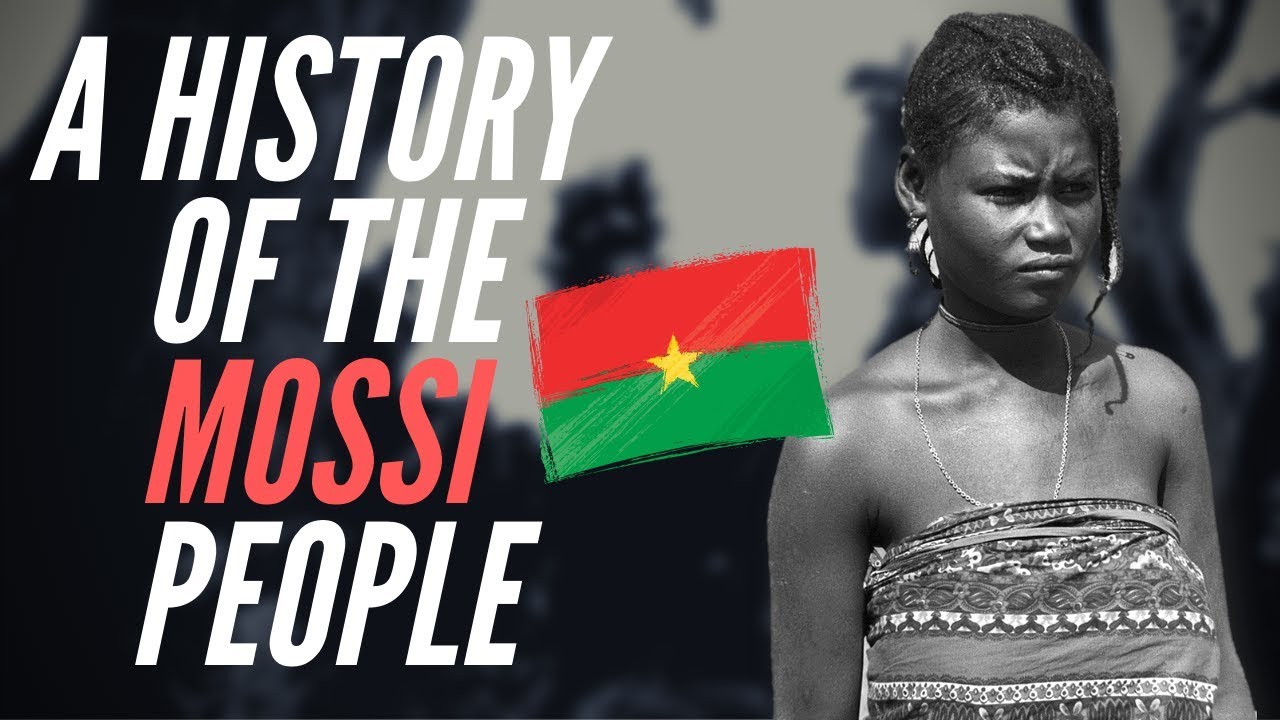
The Historical Overview: The Mossi Kingdoms

pivot62.com – The Mossi Kingdoms, located in what is now Burkina Faso, were a collection of powerful states that played a significant role in the history of West Africa. These kingdoms, which flourished from the 11th century onwards, were known for their military prowess, sophisticated governance, and rich cultural traditions. This article provides a historical overview of the Mossi Kingdoms, exploring their origins, development, and eventual decline.

Origins of the Mossi Kingdoms

The Mossi people are believed to have migrated from the north, possibly from the region of Lake Chad, and settled in the area that is now Burkina Faso. The exact origins of the Mossi are subject to debate, with various theories suggesting connections to other ethnic groups in the region.

The Founding of the Kingdoms

The Mossi Kingdoms were established in the 11th century, with the founding of the first kingdom, Yatenga. Over the centuries, several other kingdoms were established, including Ouagadougou, Tenkodogo, and Fada N’Gourma. These kingdoms were ruled by a hierarchy of kings, known as Moro Naba, who wielded significant power.

The Structure of the Mossi Kingdoms

The Mossi Kingdoms were characterized by a highly structured society with a clear division of labor and a strict hierarchy. The king, or Moro Naba, was considered a semi-divine figure and wielded both political and religious authority.

Governance and Administration

The Mossi Kingdoms were governed through a complex system of chiefs and sub-chiefs, each responsible for a specific territory. This system allowed for efficient administration and the effective mobilization of resources, including military forces.

Military Prowess

The Mossi Kingdoms were renowned for their military strength. They developed a formidable cavalry and were skilled in the use of spears and bows. This military prowess allowed them to defend their territories against invaders and to expand their influence through conquest.

Cultural and Economic Life

The Mossi Kingdoms were centers of cultural and economic activity. They developed a rich tradition of music, dance, and art, much of which continues to influence Burkinabé culture today.

Agriculture and Trade

The economy of the Mossi Kingdoms was based primarily on agriculture, with millet, sorghum, and cotton being the main crops. Trade was also an important aspect of the economy, with the Mossi Kingdoms serving as a crossroads for trade routes linking North Africa, the Sahel, and the forest regions to the south.

The Decline of the Mossi Kingdoms

The Mossi Kingdoms began to decline in the 19th century, due to a combination of internal conflicts and external pressures. The rise of powerful states such as the Ashanti Empire and the French colonial expansion posed significant threats to the Mossi Kingdoms.

Colonial Rule and Resistance

The French colonial conquest of the late 19th and early 20th centuries marked the end of the Mossi Kingdoms’ independence. However, the Mossi people resisted colonial rule, and their kingdoms maintained a degree of autonomy under French colonial administration.

Legacy of the Mossi Kingdoms

The legacy of the Mossi Kingdoms is evident in the cultural, social, and political landscape of modern Burkina Faso. The Mossi people continue to play a significant role in the country’s affairs, and their historical kingdoms are a source of pride and identity.

Preservation of Cultural Heritage

Efforts to preserve the cultural heritage of the Mossi Kingdoms include the establishment of museums and historical sites, as well as the continuation of traditional festivals and ceremonies. These initiatives help to ensure that the legacy of the Mossi Kingdoms endures for future generations.

Conclusion

The Mossi Kingdoms were a pivotal force in the history of West Africa, known for their military strength, sophisticated governance, and rich cultural traditions. Although they were eventually subsumed under colonial rule, their legacy continues to influence Burkinabé society. Understanding the history of the Mossi Kingdoms is essential for appreciating the complex tapestry of West African history and culture.