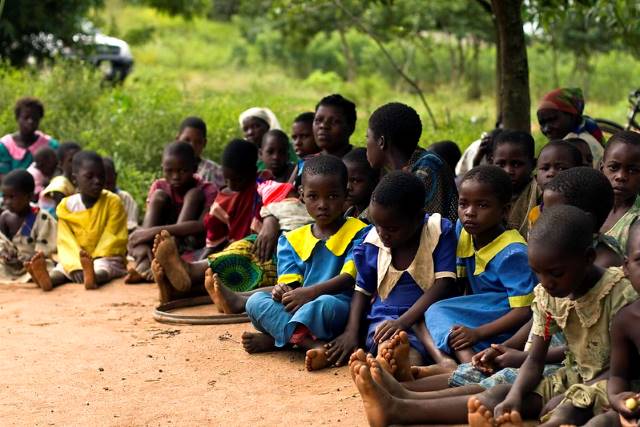
pivot62.com – Nestled in the heart of Southern Africa, Malawi is a landlocked country known for its stunning Lake Malawi, diverse wildlife, and friendly people. Despite its natural beauty and rich cultural heritage, Malawi faces significant poverty challenges that impact its socio-economic development. This article delves into the factors contributing to Malawi’s poverty and explores potential pathways to overcome these hurdles.
The Poverty Landscape in Malawi
Malawi is one of the poorest countries in the world, with a significant portion of its population living below the poverty line. The United Nations Development Programme (UNDP) reports that poverty in Malawi is both widespread and deep, affecting rural areas more severely than urban centers. The agricultural sector, which employs the majority of the workforce, is highly vulnerable to climate change, leading to food insecurity and malnutrition.
Factors Contributing to Poverty in Malawi
1. Economic Dependence on Agriculture
The economy of Malawi is heavily reliant on agriculture, which accounts for about 30% of its GDP and employs over 80% of the workforce. However, this sector is characterized by low productivity, limited access to modern farming techniques, and vulnerability to climate change. These factors hinder economic growth and contribute to poverty.
2. Climate Change and Environmental Degradation
Malawi is particularly susceptible to the impacts of climate change, including droughts and floods. These natural disasters not only affect agricultural productivity but also lead to loss of life and property. Environmental degradation, such as deforestation and soil erosion, further exacerbates the situation, reducing the land’s fertility and increasing the risk of natural disasters.
3. Limited Access to Education and Healthcare
The lack of access to quality education and healthcare services is another significant factor contributing to poverty in Malawi. Education is crucial for breaking the cycle of poverty, yet many children, especially girls, do not attend school due to factors such as poverty, cultural norms, and long distances to school. Similarly, inadequate healthcare services result in high rates of preventable diseases, reducing the workforce’s productivity and increasing healthcare costs for families.
4. Gender Inequality
Gender inequality is deeply entrenched in Malawian society, with women and girls facing discrimination in various spheres of life. This inequality limits their access to education, healthcare, and economic opportunities, perpetuating the cycle of poverty.
Pathways to Overcoming Poverty in Malawi
Overcoming the poverty challenges in Malawi requires a multifaceted approach that addresses the root causes of poverty. Some potential pathways include:
1. Diversifying the Economy
Diversifying the economy beyond agriculture can create more stable and higher-paying jobs, reducing dependence on a single, vulnerable sector. Investing in industries such as tourism, manufacturing, and renewable energy can provide new economic opportunities.
2. Strengthening Climate Resilience
Implementing climate-resilient agricultural practices, such as drought-tolerant crops and water-saving techniques, can help mitigate the impacts of climate change. Additionally, reforestation and conservation efforts can protect the environment and enhance the land’s productivity.
3. Improving Access to Education and Healthcare
Investing in education and healthcare infrastructure, and ensuring equitable access for all, is crucial for breaking the cycle of poverty. Programs that focus on girls’ education and maternal health are particularly important for addressing gender inequality and improving overall well-being.
4. Promoting Gender Equality
Empowering women and girls through education, economic opportunities, and legal rights can significantly reduce poverty. Policies that address gender-based violence, promote women’s participation in decision-making, and ensure equal access to resources are essential steps toward gender equality.
Conclusion
Malawi’s poverty challenges are complex and deeply rooted, requiring concerted efforts from the government, civil society, and international partners. By addressing the underlying issues and implementing sustainable solutions, Malawi can pave the way for a brighter future, where its people can enjoy the fruits of their rich cultural heritage and natural beauty without the burden of poverty.
