The Wrath of Typhoons: A Global Challenge

pivot62.com – Typhoons, known as hurricanes or cyclones in different parts of the world, are powerful tropical storms that can cause widespread destruction. These intense weather systems pose a significant threat to coastal regions, bringing strong winds, heavy rainfall, and storm surges. This article explores the causes and impacts of typhoons, their global implications, and the strategies employed to mitigate their effects.

Understanding Typhoons

Typhoons originate over warm ocean waters, where they draw energy from the heat and moisture. As warm air rises, it creates low pressure below, allowing the storm to intensify. The rotation of the Earth causes these systems to spin, creating the characteristic spiral of a typhoon. Climate change is believed to be influencing the frequency and intensity of these storms, making them an increasingly urgent global concern.

Immediate Impacts

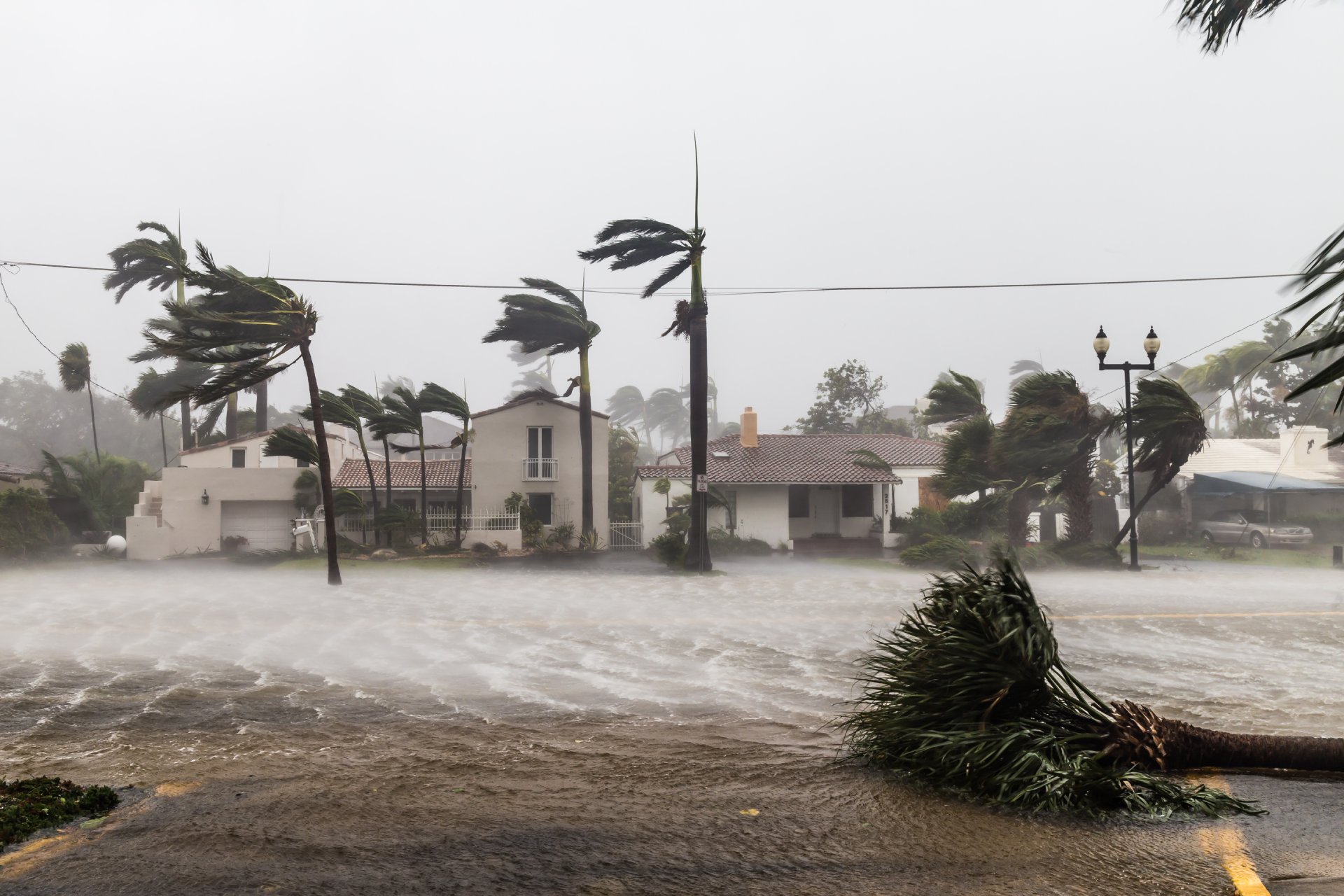
The immediate impacts of typhoons are often catastrophic. Strong winds can topple trees, destroy buildings, and disrupt power supplies. Heavy rainfall leads to flooding and landslides, which can devastate communities and cause significant loss of life. Storm surges, where sea levels rise dramatically, can inundate coastal areas, causing additional damage and displacement.

Economic and Social Consequences

The economic toll of typhoons is immense. Infrastructure damage can cost billions of dollars, affecting transportation, communication, and utilities. The agricultural sector often suffers heavy losses, disrupting food supplies and livelihoods. Socially, the aftermath of a typhoon can lead to displacement, loss of homes, and long-term recovery challenges for affected communities.

Environmental Effects

Typhoons can have significant environmental impacts. They can alter landscapes by eroding coastlines and reshaping habitats. The influx of seawater into freshwater systems can harm aquatic life and affect water quality. Additionally, the debris and pollutants carried by floodwaters can lead to environmental contamination.

Mitigation and Preparedness

Efforts to mitigate the impact of typhoons focus on preparedness and resilience. Improved forecasting and early warning systems help communities prepare in advance. Infrastructure improvements, such as building seawalls and reinforcing buildings, can reduce vulnerability. Community education and evacuation plans are essential in minimizing casualties and ensuring a swift response.

Conclusion

Typhoons represent a formidable natural challenge with far-reaching impacts on the environment, economy, and society. As climate change continues to influence weather patterns, the threat of more intense and frequent typhoons is a pressing global issue. Collaborative efforts are required to enhance resilience, improve preparedness, and develop sustainable strategies to cope with these powerful storms. By working together, we can better protect vulnerable communities and reduce the devastating effects of typhoons worldwide.
Malawi: A Small Nation with Big Poverty Challenges

pivot62.com – Nestled in the heart of Southern Africa, Malawi is a landlocked country known for its stunning Lake Malawi, diverse wildlife, and friendly people. Despite its natural beauty and rich cultural heritage, Malawi faces significant poverty challenges that impact its socio-economic development. This article delves into the factors contributing to Malawi’s poverty and explores potential pathways to overcome these hurdles.

The Poverty Landscape in Malawi

Malawi is one of the poorest countries in the world, with a significant portion of its population living below the poverty line. The United Nations Development Programme (UNDP) reports that poverty in Malawi is both widespread and deep, affecting rural areas more severely than urban centers. The agricultural sector, which employs the majority of the workforce, is highly vulnerable to climate change, leading to food insecurity and malnutrition.

Factors Contributing to Poverty in Malawi

1. Economic Dependence on Agriculture

The economy of Malawi is heavily reliant on agriculture, which accounts for about 30% of its GDP and employs over 80% of the workforce. However, this sector is characterized by low productivity, limited access to modern farming techniques, and vulnerability to climate change. These factors hinder economic growth and contribute to poverty.

2. Climate Change and Environmental Degradation

Malawi is particularly susceptible to the impacts of climate change, including droughts and floods. These natural disasters not only affect agricultural productivity but also lead to loss of life and property. Environmental degradation, such as deforestation and soil erosion, further exacerbates the situation, reducing the land’s fertility and increasing the risk of natural disasters.

3. Limited Access to Education and Healthcare

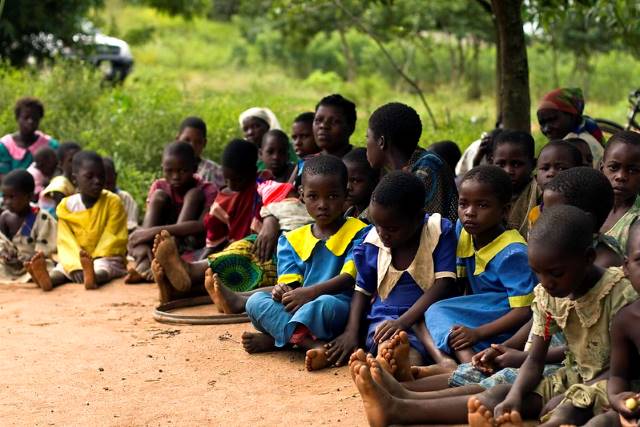
The lack of access to quality education and healthcare services is another significant factor contributing to poverty in Malawi. Education is crucial for breaking the cycle of poverty, yet many children, especially girls, do not attend school due to factors such as poverty, cultural norms, and long distances to school. Similarly, inadequate healthcare services result in high rates of preventable diseases, reducing the workforce’s productivity and increasing healthcare costs for families.

4. Gender Inequality

Gender inequality is deeply entrenched in Malawian society, with women and girls facing discrimination in various spheres of life. This inequality limits their access to education, healthcare, and economic opportunities, perpetuating the cycle of poverty.

Pathways to Overcoming Poverty in Malawi

Overcoming the poverty challenges in Malawi requires a multifaceted approach that addresses the root causes of poverty. Some potential pathways include:

1. Diversifying the Economy

Diversifying the economy beyond agriculture can create more stable and higher-paying jobs, reducing dependence on a single, vulnerable sector. Investing in industries such as tourism, manufacturing, and renewable energy can provide new economic opportunities.

2. Strengthening Climate Resilience

Implementing climate-resilient agricultural practices, such as drought-tolerant crops and water-saving techniques, can help mitigate the impacts of climate change. Additionally, reforestation and conservation efforts can protect the environment and enhance the land’s productivity.

3. Improving Access to Education and Healthcare

Investing in education and healthcare infrastructure, and ensuring equitable access for all, is crucial for breaking the cycle of poverty. Programs that focus on girls’ education and maternal health are particularly important for addressing gender inequality and improving overall well-being.

4. Promoting Gender Equality

Empowering women and girls through education, economic opportunities, and legal rights can significantly reduce poverty. Policies that address gender-based violence, promote women’s participation in decision-making, and ensure equal access to resources are essential steps toward gender equality.

Conclusion

Malawi’s poverty challenges are complex and deeply rooted, requiring concerted efforts from the government, civil society, and international partners. By addressing the underlying issues and implementing sustainable solutions, Malawi can pave the way for a brighter future, where its people can enjoy the fruits of their rich cultural heritage and natural beauty without the burden of poverty.