The Economic Impact of EU Accession on Montenegro

pivot62.com – The prospect of European Union (EU) accession has long been a cornerstone of Montenegro’s foreign policy and economic strategy. As a candidate country, Montenegro is poised to benefit from a range of economic advantages that come with EU membership. This article examines the potential economic benefits of Montenegro’s EU accession and the implications for its future development.

The Path to EU Accession

Montenegro’s journey towards EU accession began in earnest in 2006 when it declared independence from Serbia. Since then, the country has made significant progress in aligning its legislation and policies with EU standards, opening and closing several chapters of the accession negotiations.

Economic Benefits of EU Accession

Increased Trade and Investment

One of the most immediate benefits of EU accession for Montenegro would be increased trade and investment opportunities. As a member of the EU, Montenegro would have unfettered access to the single market, which comprises over 450 million consumers. This would likely lead to a surge in exports and attract foreign direct investment, stimulating economic growth.

Structural and Cohesion Funds

EU membership would also grant Montenegro access to structural and cohesion funds, which are designed to support economic development in less prosperous regions. These funds could be instrumental in improving Montenegro’s infrastructure, enhancing its competitiveness, and fostering regional development.

Enhanced Financial Stability

Adopting the euro and becoming part of the European Central Bank’s monetary policy would provide Montenegro with greater financial stability. This would reduce the country’s exposure to currency risks and potentially lower borrowing costs, making it more attractive for investors.

Improved Governance and Institutions

The process of EU accession requires Montenegro to strengthen its institutions and improve governance. This includes reforms in the judiciary, public administration, and the fight against corruption. Such improvements would not only be a prerequisite for EU membership but also contribute to a more favorable business environment and economic growth.

Challenges and Considerations

While the economic benefits of EU accession are significant, Montenegro must also navigate several challenges. These include the need for further economic reforms, the potential impact on certain sectors (such as agriculture), and the requirement to absorb and implement a vast amount of EU legislation.

Conclusion

The economic impact of EU accession on Montenegro is expected to be profoundly positive. By leveraging the opportunities presented by the EU single market, accessing structural funds, and benefiting from increased financial stability, Montenegro can accelerate its economic development and improve the living standards of its citizens. However, realizing these benefits will require continued commitment to reforms and the effective implementation of EU policies. As Montenegro moves closer to EU membership, the country stands on the threshold of a new era of economic prosperity.
Press Freedom and Croatia’s Media

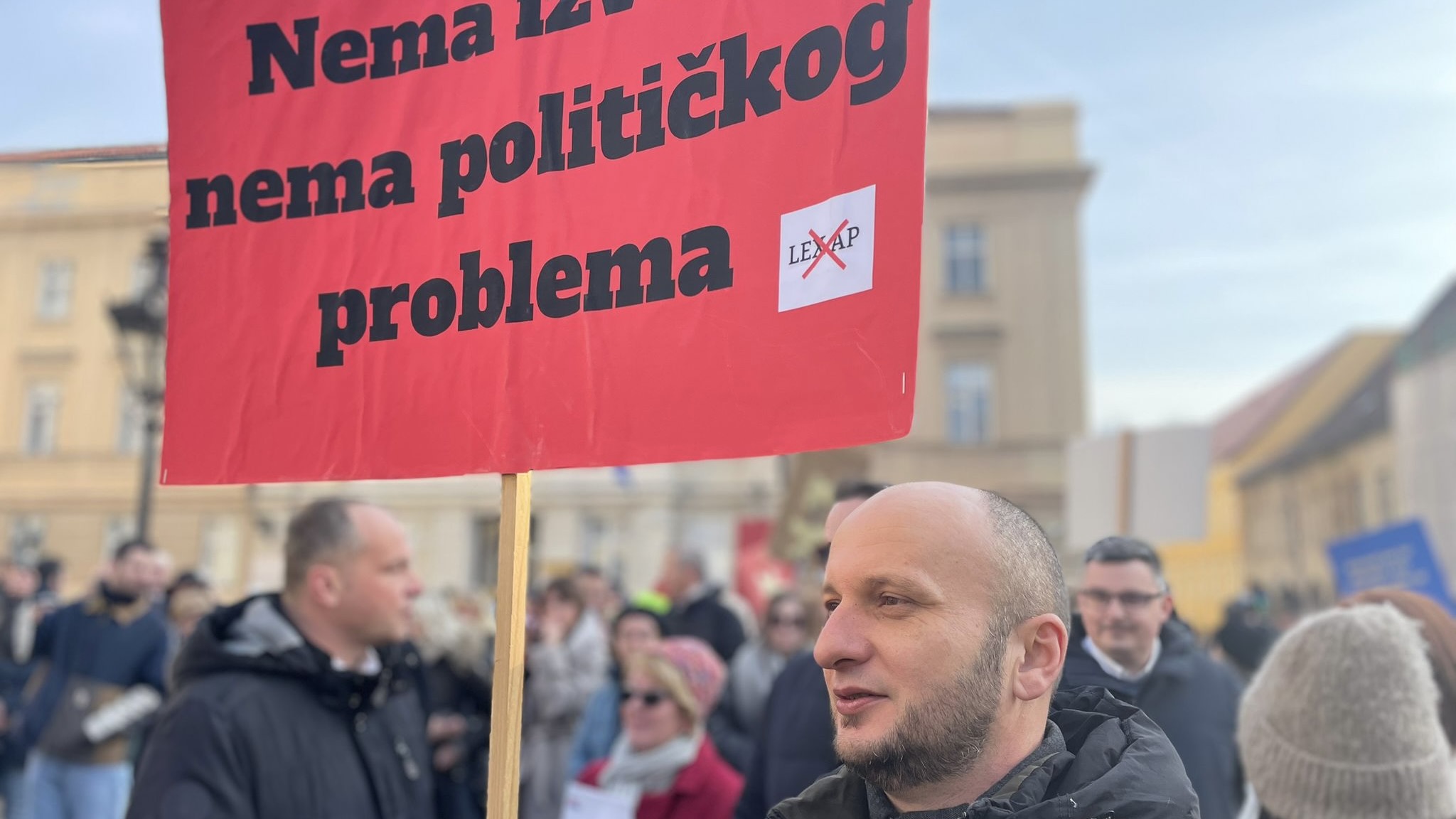
pivot62.com – Croatia’s media landscape is a reflection of its transition from a socialist state to a democratic society, with significant progress in media and press freedom over the past decades. However, challenges remain, highlighting the ongoing struggle to ensure a free and independent press. This article explores the current state of Croatia’s media and press freedom, its historical context, and the challenges that persist.

Historical Context of Croatia’s Media

During the socialist era, the media in Croatia, as part of the former Yugoslavia, was heavily controlled by the state. The press was used as a tool for propaganda, and freedom of expression was severely limited. With the transition to democracy in the 1990s, Croatia began to liberalize its media landscape, allowing for greater press freedom and the establishment of independent media outlets.

Current State of Media and Press Freedom

Croatia has made significant strides in improving media and press freedom since its independence. The country has a diverse media landscape, including public and private television and radio stations, as well as numerous newspapers and online news outlets. The Constitution of Croatia guarantees freedom of speech and the press, and the country has laws in place to protect journalists and ensure transparency in media ownership.

Legal Framework

The legal framework in Croatia supports press freedom, with laws that protect journalists from defamation and ensure access to information. The country’s accession to the European Union in 2013 further reinforced these standards, aligning Croatia with EU norms and values regarding media freedom.

Challenges and Concerns

Despite these positive developments, several challenges and concerns persist in Croatia’s media landscape. Political interference and economic pressures are key issues that impact press freedom.

Political Interference

There are concerns about political interference in the media, particularly in the public broadcaster, Hrvatska radiotelevizija (HRT). Although HRT is expected to be impartial, there have been allegations of government influence and biased reporting.

Economic Pressures

Economic pressures also pose a significant challenge to press freedom in Croatia. The media market is highly concentrated, with a few companies controlling a large portion of the media outlets. This concentration can lead to conflicts of interest and limit diversity in media ownership. Additionally, the economic viability of independent media outlets is threatened by declining advertising revenues and competition from social media platforms.

Conclusion

Croatia has made commendable progress in establishing a free and independent media landscape since its transition to democracy. The legal framework and institutional mechanisms are in place to support press freedom, and the country has a vibrant and diverse media sector. However, challenges related to political interference and economic pressures remain, requiring continued vigilance and reform to ensure that media and press freedom are fully protected in Croatia.

The Historical Overview: The Mossi Kingdoms

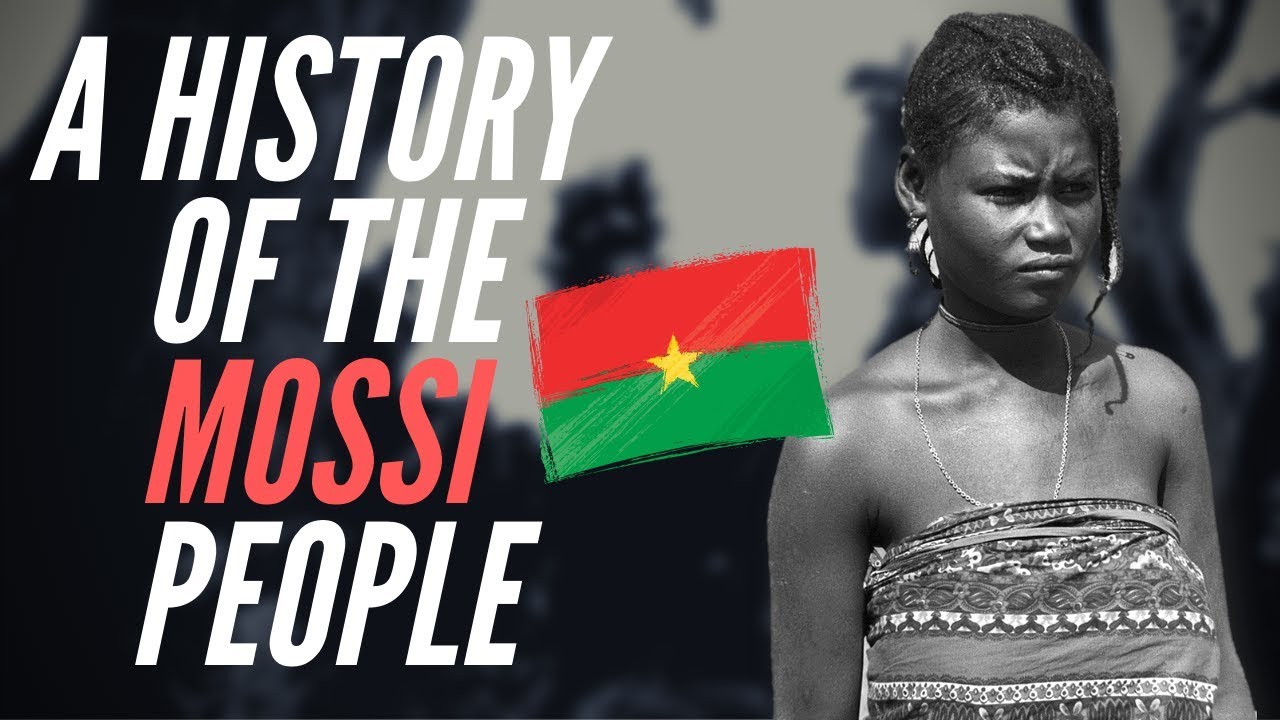
pivot62.com – The Mossi Kingdoms, located in what is now Burkina Faso, were a collection of powerful states that played a significant role in the history of West Africa. These kingdoms, which flourished from the 11th century onwards, were known for their military prowess, sophisticated governance, and rich cultural traditions. This article provides a historical overview of the Mossi Kingdoms, exploring their origins, development, and eventual decline.

Origins of the Mossi Kingdoms

The Mossi people are believed to have migrated from the north, possibly from the region of Lake Chad, and settled in the area that is now Burkina Faso. The exact origins of the Mossi are subject to debate, with various theories suggesting connections to other ethnic groups in the region.

The Founding of the Kingdoms

The Mossi Kingdoms were established in the 11th century, with the founding of the first kingdom, Yatenga. Over the centuries, several other kingdoms were established, including Ouagadougou, Tenkodogo, and Fada N’Gourma. These kingdoms were ruled by a hierarchy of kings, known as Moro Naba, who wielded significant power.

The Structure of the Mossi Kingdoms

The Mossi Kingdoms were characterized by a highly structured society with a clear division of labor and a strict hierarchy. The king, or Moro Naba, was considered a semi-divine figure and wielded both political and religious authority.

Governance and Administration

The Mossi Kingdoms were governed through a complex system of chiefs and sub-chiefs, each responsible for a specific territory. This system allowed for efficient administration and the effective mobilization of resources, including military forces.

Military Prowess

The Mossi Kingdoms were renowned for their military strength. They developed a formidable cavalry and were skilled in the use of spears and bows. This military prowess allowed them to defend their territories against invaders and to expand their influence through conquest.

Cultural and Economic Life

The Mossi Kingdoms were centers of cultural and economic activity. They developed a rich tradition of music, dance, and art, much of which continues to influence Burkinabé culture today.

Agriculture and Trade

The economy of the Mossi Kingdoms was based primarily on agriculture, with millet, sorghum, and cotton being the main crops. Trade was also an important aspect of the economy, with the Mossi Kingdoms serving as a crossroads for trade routes linking North Africa, the Sahel, and the forest regions to the south.

The Decline of the Mossi Kingdoms

The Mossi Kingdoms began to decline in the 19th century, due to a combination of internal conflicts and external pressures. The rise of powerful states such as the Ashanti Empire and the French colonial expansion posed significant threats to the Mossi Kingdoms.

Colonial Rule and Resistance

The French colonial conquest of the late 19th and early 20th centuries marked the end of the Mossi Kingdoms’ independence. However, the Mossi people resisted colonial rule, and their kingdoms maintained a degree of autonomy under French colonial administration.

Legacy of the Mossi Kingdoms

The legacy of the Mossi Kingdoms is evident in the cultural, social, and political landscape of modern Burkina Faso. The Mossi people continue to play a significant role in the country’s affairs, and their historical kingdoms are a source of pride and identity.

Preservation of Cultural Heritage

Efforts to preserve the cultural heritage of the Mossi Kingdoms include the establishment of museums and historical sites, as well as the continuation of traditional festivals and ceremonies. These initiatives help to ensure that the legacy of the Mossi Kingdoms endures for future generations.

Conclusion

The Mossi Kingdoms were a pivotal force in the history of West Africa, known for their military strength, sophisticated governance, and rich cultural traditions. Although they were eventually subsumed under colonial rule, their legacy continues to influence Burkinabé society. Understanding the history of the Mossi Kingdoms is essential for appreciating the complex tapestry of West African history and culture.

Saudi Arabia’s Strategic Megaprojects: Neom – the Red Sea Project

pivot62.com – Saudi Arabia is embarking on a transformative journey with its strategic megaprojects, spearheaded by the ambitious Vision 2030 initiative. These projects are not just about infrastructure development but are part of a broader strategy to diversify the economy, reduce reliance on oil, and create a sustainable future. Among these, Neom and the Red Sea Project stand out as exemplars of this vision.

Neom: A City of the Future

Neom, a $500 billion giga-project, is envisioned as a futuristic city located in the northwest of Saudi Arabia. It is designed to be a linear city, 170 kilometers long and 500 meters tall, known as The Line. This project is not just about urban development but is a testament to the kingdom’s commitment to sustainability and innovation. The city will be powered entirely by clean energy and is expected to house nine million people. It will feature a mirrored facade and be designed around people, not roads, with all essential daily services within a five-minute walk.

The project also includes other regions such as Trojena, a ski resort, and Oxagon, a futuristic industrial city. These components are part of a larger plan to create a high-tech, sustainable, and innovative region that challenges traditional city concepts.

The Red Sea Project: A Regenerative Tourism Hub

The Red Sea Project is another significant development, located on the west coast of Saudi Arabia. This project aims to develop areas of the country’s coast into luxury resorts, focusing on regenerative tourism. It includes an international airport designed by Foster + Partners and several hotels, including futuristic overwater villas and eco-friendly resorts carved into the mountains.

The project covers more than 28,000 square kilometers and includes an archipelago of more than 90 islands, dormant volcanoes, and mountain canyons. It is set to house 50 hotels with 8,000 rooms and up to 1,000 residential properties by 2030, making it a significant addition to the kingdom’s tourism infrastructure.

Strategic Importance and Challenges

These megaprojects are crucial for Saudi Arabia’s economic diversification and are part of a broader strategy to attract global visitors and create thousands of jobs. They are funded by the Public Investment Fund and are designed to be sustainable and innovative, reflecting the kingdom’s vision for the future.

However, these projects also face significant challenges, including the need for substantial investment and the complexities of managing such large-scale developments. The projects are also subject to international scrutiny regarding their environmental impact and the treatment of workers.

Conclusion

Saudi Arabia’s strategic megaprojects, including Neom and the Red Sea Project, are not just about construction but are part of a vision to transform the kingdom into a global leader in sustainability, innovation, and tourism. These projects are ambitious and face challenges, but they also hold the potential to reshape the future of the kingdom and the region. As they progress, the world will watch closely to see how these projects unfold and what they mean for the future of Saudi Arabia and the global economy.

Venezuela’s Tourism Industry: Revival & New Opportunities

pivot62.com – Venezuela, a country of stunning natural beauty, rich cultural heritage, and vibrant traditions, has long held the potential to be a premier tourist destination. However, in recent years, the country’s tourism industry has faced significant challenges due to economic instability, political unrest, and safety concerns. Despite these obstacles, there are signs of revival and new opportunities emerging within Venezuela’s tourism sector. This article explores the current state of Venezuela’s tourism industry, the efforts being made to revive it, and the potential for new opportunities in this sector.

The Challenges Faced by Venezuela’s Tourism Industry

The tourism industry in Venezuela has been severely impacted by the country’s economic and political turmoil. High levels of crime, inadequate infrastructure, and a lack of investment have deterred both international and domestic tourists. These challenges have led to a decline in tourist arrivals and revenues, affecting local businesses and communities that rely on tourism for their livelihoods.

Efforts Towards Revival

Recognizing the importance of tourism for economic recovery and job creation, the Venezuelan government and private sector have begun to take steps to revive the tourism industry. These efforts include improving safety and security, enhancing infrastructure, and promoting Venezuela’s unique attractions both domestically and internationally.

Safety and Security Measures

One of the primary concerns for tourists visiting Venezuela has been safety and security. To address this, the government has implemented measures to improve law enforcement and reduce crime rates in key tourist areas. Additionally, private security firms are working with tourism operators to provide safe travel experiences for visitors.

Infrastructure Improvements

Improving infrastructure is crucial for the revival of Venezuela’s tourism industry. This includes upgrading airports, roads, and public transportation systems to facilitate easier access to tourist destinations. Efforts are also being made to enhance accommodation options, from luxury hotels to eco-friendly lodges, to meet the needs of different types of travelers.

Promoting Venezuela’s Attractions

Venezuela boasts a wealth of natural and cultural attractions that have the potential to draw tourists from around the world. From the breathtaking Angel Falls and the unique tepuis of the Gran Sabana to the colonial architecture of cities like Coro and the vibrant street art of Caracas, the country offers a diverse range of experiences. Tourism boards and private operators are working to promote these attractions through digital marketing, travel fairs, and partnerships with international tour operators.

New Opportunities in Sustainable and Community-Based Tourism

One of the new opportunities emerging in Venezuela’s tourism industry is the focus on sustainable and community-based tourism. This approach involves engaging local communities in the tourism value chain, preserving natural and cultural heritage, and ensuring that tourism benefits are shared equitably. Eco-tourism projects, cultural exchanges, and community-led tours are gaining popularity, offering visitors authentic experiences while supporting local development.

Conclusion

Despite the challenges it faces, Venezuela’s tourism industry holds significant potential for revival and growth. With concerted efforts to improve safety, enhance infrastructure, and promote the country’s unique attractions, Venezuela can once again become a desirable tourist destination. The focus on sustainable and community-based tourism offers new opportunities to create a more resilient and inclusive tourism sector that benefits both visitors and local communities. As Venezuela continues to navigate its path forward, the tourism industry could play a vital role in the country’s economic recovery and social development.

Adapting to Climate Change for Growth: Benin’s Economic Outlook

pivot62.com – Benin, a West African nation, has been steadily working towards economic growth and development. However, like many countries, it faces significant challenges posed by climate change. The impact of climate change on Benin’s economy is multifaceted, affecting agriculture, infrastructure, and public health. This article explores the economic outlook for Benin, focusing on how the country is adapting to climate change to foster sustainable growth.

The Economic Landscape of Benin

Benin’s economy is primarily driven by agriculture, which employs the majority of the workforce and contributes significantly to GDP. Other key sectors include industry and services. The government has been implementing various reforms to diversify the economy and improve its resilience.

Climate Change: A Growing Threat to Benin’s Economy

Climate change is exacerbating weather extremes in Benin, leading to droughts, floods, and erratic rainfall patterns. These events have a direct impact on agricultural productivity, threatening food security and livelihoods. Moreover, climate change poses risks to infrastructure, health, and water resources, further undermining economic stability.

Adapting to Climate Change: Strategies for Growth

Enhancing Agricultural Resilience

Benin is focusing on improving agricultural practices to withstand climate variability. This includes promoting climate-smart agriculture, such as drought-resistant crops and sustainable land management techniques. The government is also investing in rural infrastructure to improve market access and reduce post-harvest losses.

Diversifying the Economy

To reduce vulnerability, Benin is diversifying its economic base. The country is exploring opportunities in renewable energy, particularly solar power, given its abundant sunshine. Additionally, there is a push to develop the tourism sector, leveraging Benin’s rich cultural heritage and coastal attractions.

Strengthening Infrastructure

Investments in climate-resilient infrastructure are crucial for Benin’s economic growth. This involves building flood-resistant roads, improving drainage systems, and enhancing water supply networks. Such measures not only protect against immediate climate impacts but also support long-term development.

Fostering Climate Finance and Investment

Access to finance is critical for climate adaptation and mitigation efforts. Benin is working to attract both domestic and international investment in green projects. This includes creating enabling policies and incentives for private sector participation in renewable energy and sustainable agriculture.

Conclusion

Benin’s economic outlook is closely tied to its ability to adapt to climate change. By focusing on agricultural resilience, economic diversification, infrastructure strengthening, and climate finance, Benin can mitigate the adverse effects of climate change and foster sustainable growth. The journey is challenging, but with strategic planning and international cooperation, Benin can build a more resilient and prosperous future.

Exploring Belgium with Fodor’s Essential Belgium Guide

pivot62.com – Belgium, a country often overshadowed by its larger European neighbors, is a hidden gem waiting to be discovered. Known for its rich history, vibrant culture, and culinary delights, Belgium offers a plethora of attractions that are out of proportion to its diminutive size. To help travelers navigate this enchanting country, Fodor’s Essential Belgium guidebook provides a comprehensive resource packed with maps, carefully curated recommendations, and everything else needed to simplify the trip-planning process.

Key Features of Fodor’s Essential Belgium

Detailed Maps and Itineraries

The guidebook includes detailed maps that help travelers navigate the cities and towns of Belgium with ease. It offers suggested itineraries that cater to different interests, whether you’re a history buff, a foodie, or an art enthusiast. These itineraries are designed to maximize the experience within the limited time most travelers have.

Cultural Insights and Historical Context

Fodor’s Essential Belgium provides deep cultural insights and historical context that enrich the travel experience. It explains the significance of various landmarks and traditions, helping travelers understand the essence of Belgian culture. This knowledge enhances the appreciation of the country’s medieval cities, abbeys, and other historical sites.

Curated Recommendations

The guidebook features carefully curated recommendations for accommodations, dining, and activities. These recommendations are based on the latest traveler feedback and are updated regularly to ensure accuracy and relevance. Whether you’re looking for a cozy bed and breakfast or a Michelin-starred restaurant, Fodor’s Essential Belgium has you covered.

Digital and eTextbook Options

For those who prefer digital travel companions, Fodor’s Essential Belgium is also available as an eTextbook. This version is convenient for travelers who want to access their guidebook on the go without carrying a physical copy. It includes all the same content as the print edition and is compatible with various devices.

Conclusion

Fodor’s Essential Belgium is an indispensable tool for anyone planning a trip to this enchanting country. It simplifies the trip-planning process by providing detailed maps, cultural insights, curated recommendations, and more. Whether you’re a first-time visitor or a seasoned traveler, this guidebook will enhance your experience and help you make the most of your time in Belgium. So, pack your bags, grab your copy of Fodor’s Essential Belgium, and get ready to explore the wonders of this remarkable country.

A Journey Through Time: Serbian Literature

pivot62.com – Serbian literature, a rich tapestry of cultural expression, has evolved through various historical periods, each contributing unique voices and themes. This journey through Serbian literature begins with its early religious and cultural roots and progresses through modern times, reflecting the nation’s complex history and identity.

Early Beginnings and the Nemanjić Dynasty

The history of Serbian literature can be traced back to the Nemanjić dynasty, which played a pivotal role in the development of Serbian culture and literature. During this period, significant works were produced, including religious texts and historical chronicles, which laid the groundwork for future literary endeavors. The illuminated Miroslav Gospel, a masterpiece of Serbian medieval art and literature, is one of the earliest and most notable examples of this era.

The 12th Century and Beyond

Serbian literature continued to flourish in the 12th century, with a focus on religious themes and biblical stories. This period saw the production of numerous manuscripts and gospels, which not only served religious purposes but also contributed to the development of the Serbian language and script.

Modern Developments

As the nation evolved, so did its literature. The 19th and 20th centuries brought about significant changes, with the emergence of modern literary movements and the introduction of new themes and styles. Writers of this period often explored themes of national identity, social change, and personal struggle, reflecting the tumultuous times of the Balkan Wars and World War II.

Contemporary Voices

Today, Serbian literature continues to thrive, with a diverse range of authors exploring contemporary issues and themes. Writers like Aleksandar Hemon and David Albahari have gained international acclaim for their works, which often explore themes of displacement, identity, and the human condition.

Conclusion

Serbian literature, with its rich history and diverse voices, remains a vibrant and evolving field. From the illuminated manuscripts of the Nemanjić dynasty to the contemporary works of today, Serbian literature offers a profound insight into the nation’s cultural heritage and its ongoing journey through time.

This exploration of Serbian literature highlights its enduring relevance and the enduring spirit of its writers, who continue to reflect the complexities of the human experience through their work.

The Sinulog: The Fire Dance of the Philippines

pivot62.com – The Philippines, a country rich in cultural heritage, is home to numerous festivals that celebrate its history, traditions, and people. Among these, the Sinulog Festival stands out as a vibrant and energetic celebration that has captured the hearts of both locals and tourists. Known as the “Fire Dance of the Philippines,” the Sinulog is a spectacle that showcases the Filipino spirit through dance, music, and pageantry.

Origins of the Sinulog

The Sinulog Festival has its roots in the arrival of the statue of Santo Niño (the Child Jesus) in Cebu in 1521, brought by Portuguese explorer Ferdinand Magellan. The statue was given to Rajah Humabon and his wife as a gift, and it is said to have survived a fire that razed the village, thus becoming a symbol of miracles and blessings. The festival is a way to honor the Santo Niño and give thanks for the protection and guidance it represents.

The Dance of the Sinulog

The name “Sinulog” comes from the Cebuano word “sulog,” which means “to flow” or “to move in current.” This refers to the rhythmic movements of the dance, which mimic the current of the river. The dance is characterized by two steps forward and one step backward, symbolizing the Christian community’s journey towards Christ, with occasional detours.

Participants in the dance wear colorful costumes that often tell a story or represent a particular group or organization. The dance is accompanied by the beating of drums and the sound of native gongs, creating a mesmerizing and powerful rhythm that fuels the dancers’ energy.

The Festival Today

Today, the Sinulog Festival is celebrated every third Sunday of January in Cebu City. It is a grand affair that lasts for several days, featuring street dancing, a fluvial procession, and a solemn mass. The main event is the Sinulog Grand Parade, where hundreds of contingents from all over the Philippines and even from other countries compete in a dance competition.

The festival is not just a celebration of faith but also an opportunity for cultural exchange and economic activity. It showcases the richness of Filipino culture through arts, crafts, food, and, of course, dance.

The Significance of the Sinulog

The Sinulog Festival is more than just a dance or a religious observance; it is a testament to the resilience and faith of the Filipino people. It is a time when the community comes together to give thanks for the blessings received and to ask for continued guidance and protection.

The festival also serves as a bridge between the past and the present, preserving the traditions of the ancestors while adapting to the changing times. It is a celebration of life, of faith, and of the Filipino identity.

Conclusion

The Sinulog Festival, with its vibrant colors, pulsating beats, and heartfelt devotion, is a true reflection of the Filipino soul. It is a celebration that transcends borders and unites people in a shared experience of joy, gratitude, and hope. As the “Fire Dance of the Philippines,” the Sinulog continues to captivate and inspire, reminding us of the enduring spirit of the Filipino people.

Conserving Biodiversity in a Changing Landscape: Cambodia’s Wildlife

pivot62.com – Cambodia, a country with a rich tapestry of cultural heritage, is also home to an array of diverse wildlife and ecosystems. From the lush jungles of the Cardamom Mountains to the vast wetlands of the Tonle Sap Lake, the country boasts a wealth of biodiversity that is both unique and vital to the global ecosystem. However, this biodiversity is under threat from various challenges, including habitat loss, poaching, and climate change. This article explores the importance of Cambodia’s wildlife, the threats it faces, and the conservation efforts underway to protect and preserve this precious natural heritage.

The Rich Biodiversity of Cambodia

Cambodia’s landscape is a mosaic of ecosystems, each supporting a variety of flora and fauna. The country is home to over 200 species of mammals, 530 species of birds, and 800 species of reptiles and amphibians. Among these are several endangered species, such as the Asian elephant, the Siamese crocodile, and the Eld’s deer. The Tonle Sap Lake, a UNESCO Biosphere Reserve, is one of the most productive freshwater fisheries in the world, supporting a rich diversity of aquatic life and providing a critical food source for millions of Cambodians.

Threats to Cambodia’s Wildlife

Despite its rich biodiversity, Cambodia’s wildlife faces numerous threats. Habitat loss due to deforestation, agricultural expansion, and urban development is a significant concern. The country has one of the highest rates of forest loss in the world, which not only destroys the habitats of many species but also contributes to climate change.

Poaching and illegal wildlife trade are also major issues. Many species, such as the pangolin and the tiger, are hunted for their meat, skins, and body parts, which are highly valued in traditional medicine and as luxury items. The demand for wildlife products both within Cambodia and in international markets fuels this illegal trade, pushing many species closer to extinction.

Climate change presents another challenge, with rising temperatures and changing weather patterns affecting ecosystems and species’ habitats. Cambodia is particularly vulnerable to the impacts of climate change, which could further exacerbate the threats to its wildlife.

Conservation Efforts in Cambodia

In response to these threats, various conservation efforts are underway in Cambodia. The government, along with international organizations and local communities, is working to protect key habitats and species. National parks and wildlife sanctuaries have been established to preserve critical ecosystems, and anti-poaching patrols are being conducted to combat illegal hunting and wildlife trade.

Community-based conservation initiatives are also playing a crucial role. By involving local communities in conservation efforts, these initiatives not only help to protect wildlife but also provide economic benefits through ecotourism and sustainable resource management. Education and awareness programs are vital components of these efforts, ensuring that future generations understand the importance of biodiversity and conservation.

The Role of International Support

International support is essential for the success of conservation efforts in Cambodia. Funding, technical expertise, and collaboration on transboundary conservation issues are all critical. International treaties and agreements, such as the Convention on International Trade in Endangered Species of Wild Fauna and Flora (CITES), help to regulate the trade of wildlife products and reduce the demand for illegal wildlife products.

Conclusion

Cambodia’s wildlife is an invaluable asset, not only to the country itself but to the global biodiversity. The challenges facing Cambodia’s wildlife are significant, but with concerted efforts from the government, local communities, international organizations, and concerned individuals, it is possible to conserve this rich biodiversity for future generations. By protecting Cambodia’s wildlife, we are not only preserving a piece of natural heritage but also contributing to the health of the planet.