Celebrating Island Traditions: Bali’s Hindu Festivals

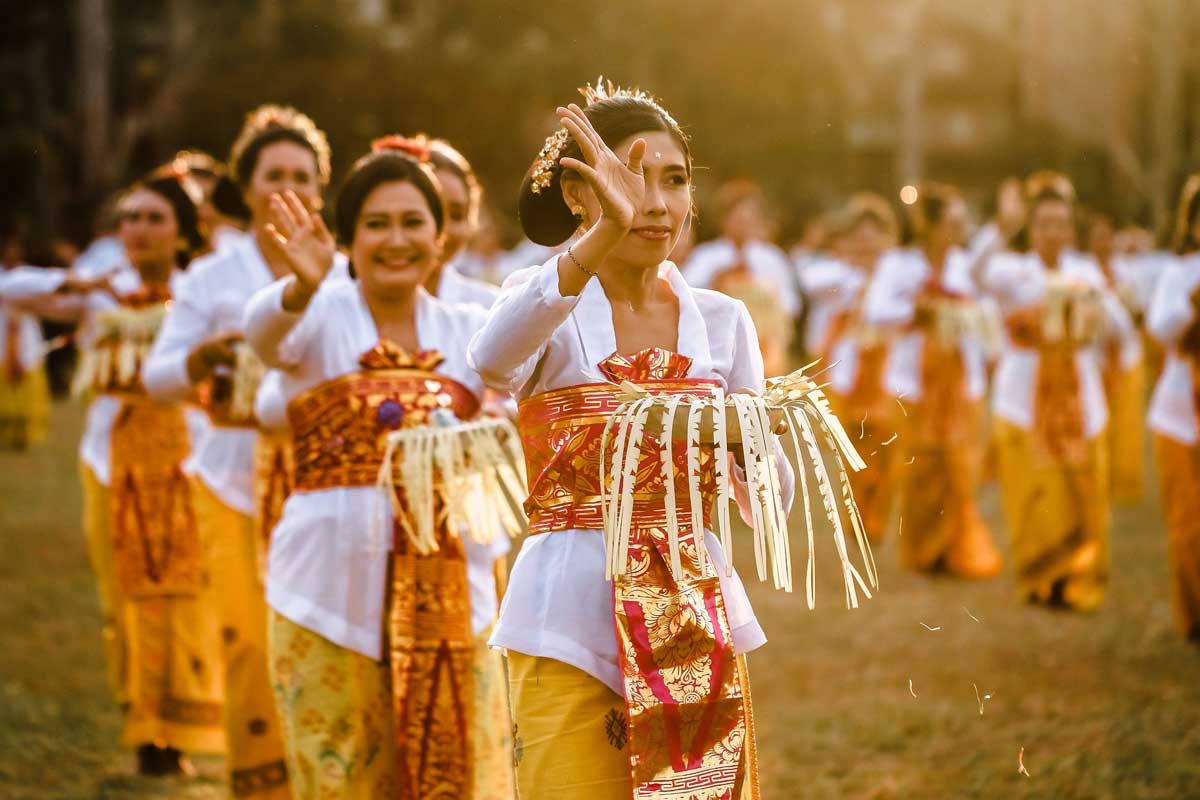
pivot62.com – Bali, an Indonesian island known for its stunning landscapes, vibrant culture, and warm hospitality, is also famous for its unique Hindu traditions. Unlike the rest of Indonesia, which is predominantly Muslim, Bali’s Hindu-majority population celebrates a plethora of festivals throughout the year, each with its own significance and charm. These festivals are not just religious observances but also a reflection of the island’s deep-rooted cultural heritage and community spirit.

The Significance of Bali’s Hindu Festivals

Bali’s Hindu festivals are deeply intertwined with the island’s agricultural calendar, the phases of the moon, and the Balinese Pawukon calendar, which consists of 210 days. These festivals are celebrated with various rituals, dances, processions, and offerings, showcasing the island’s rich artistic and spiritual traditions. The festivals serve as a reminder of the Balinese Hindu philosophy of Tri Hita Karana, which emphasizes harmony among humans, nature, and the gods.

Galungan and Kuningan: The Festivals of Victory and Thanksgiving

One of the most significant festivals in Bali is Galungan, which celebrates the victory of dharma (goodness) over adharma (evil). Families welcome the gods into their homes with elaborate decorations and offerings. This 10-day festival culminates in Kuningan, where people express gratitude to the gods and ancestors. The island comes alive with traditional music, dance, and communal feasts, symbolizing the unity and resilience of the Balinese people.

Nyepi: The Day of Silence

Nyepi, or the Day of Silence, marks the Balinese New Year and is a stark contrast to the vibrant celebrations of other festivals. On Nyepi, the entire island observes a day of absolute silence and meditation. No lights, fires, or entertainment are allowed, and even the airport remains closed. This day of introspection and peace is a powerful testament to the Balinese commitment to spiritual well-being and community harmony.

Odi Lanjar: The Festival of Swings and See-Saws

Odi Lanjar, or the festival of swings and see-saws, is a colorful celebration that takes place in Tenganan, one of Bali’s oldest villages. It is believed to bring good luck and answer prayers for those who participate in the swinging and see-sawing competitions. The festival is a joyous occasion, filled with music, dance, and traditional attire, showcasing the unique cultural practices of the Balinese people.

The Role of Festivals in Preserving Bali’s Cultural Heritage

Bali’s Hindu festivals play a crucial role in preserving the island’s cultural heritage. They are a living testament to the Balinese people’s deep connection to their traditions, beliefs, and community. Through these festivals, the younger generation learns about their ancestors’ wisdom, the importance of community, and the value of maintaining a harmonious relationship with nature and the spiritual world.

Conclusion

Bali’s Hindu festivals are more than just religious observances; they are a vibrant tapestry of traditions, beliefs, and community spirit that define the island’s cultural identity. These festivals offer a glimpse into the rich spiritual and artistic heritage of Bali, inviting both locals and visitors to partake in the celebrations and experience the island’s unique charm. As Bali continues to evolve, these festivals remain a beacon of tradition, reminding us of the importance of preserving our cultural heritage for future generations.
Cheap Travel in Poland: Eastern European Explorations

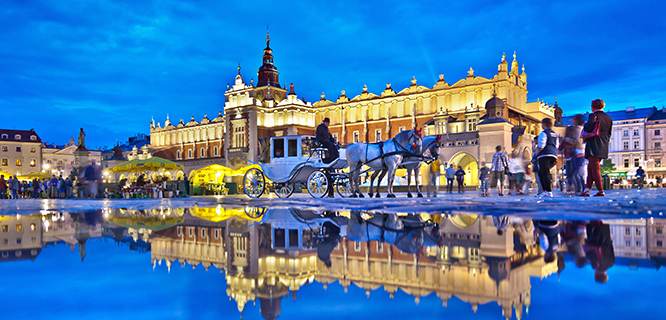
pivot62.com – Poland, with its rich history, vibrant culture, and stunning landscapes, has become an increasingly popular destination for budget-conscious travelers. Nestled in the heart of Eastern Europe, this country offers a plethora of opportunities for exploration without breaking the bank. Whether you’re a history buff, an adventure seeker, or simply looking to immerse yourself in a new culture, Poland provides an array of affordable experiences that cater to every type of traveler.

Affordable Accommodations

One of the first steps in planning a budget-friendly trip is finding suitable accommodations. Poland boasts a wide range of options, from hostels and guesthouses to budget hotels and private rentals. Cities like Krakow, Warsaw, and Gdansk have numerous hostels that offer comfortable beds, free Wi-Fi, and communal kitchens, often for less than €15 per night. For those seeking a bit more privacy, Airbnb and other vacation rental platforms provide competitively priced apartments and rooms, allowing you to experience the local lifestyle firsthand.

Cost-Effective Cuisine

Polish cuisine is hearty, flavorful, and incredibly affordable. Traditional dishes such as pierogi (dumplings), kotlet schabowy (breaded pork chop), and zurek (sour rye soup) can be found at local bars and milk bars (bar mleczny) for a fraction of the cost of dining in Western Europe. These establishments offer no-frills dining experiences, focusing on quality and quantity rather than ambiance. Additionally, street food markets and bakeries are great options for a quick, cheap, and delicious meal on the go.

Efficient and Economical Transportation

Getting around Poland is both easy and economical. The country has an extensive and reliable public transportation system, with buses and trains connecting major cities and smaller towns. A ride on the national train service, PKP Intercity, can cost as little as a few zloty if booked in advance. For those looking to explore at their own pace, car rental services are also available at reasonable rates, and fuel prices are competitive compared to other European countries.

Free and Low-Cost Attractions

Poland is brimming with attractions that won’t put a dent in your wallet. Many of its historical sites, such as the Royal Castle in Warsaw and the Wawel Castle in Krakow, offer free entry or have nominal fees. The country’s numerous parks and nature reserves provide free access to breathtaking landscapes, perfect for hiking, biking, or simply enjoying the scenery. Additionally, cities like Wroclaw and Poznan have created “Little Venice” districts, where you can take a free walking tour to learn about the city’s history and architecture.

Cultural Experiences on a Budget

Immersing yourself in the local culture doesn’t have to be expensive. Poland’s vibrant music, art, and theater scenes often feature free or low-cost performances and exhibitions. The annual festivals, such as the Krakow Film Festival or the Sopot International Song Festival, offer a mix of free and ticketed events, showcasing the best of Polish and international talent.

Conclusion

Traveling through Poland on a budget is not only possible but also rewarding. With its affordable accommodations, cost-effective cuisine, efficient and economical transportation, and a wealth of free and low-cost attractions, Poland is a paradise for the budget-conscious traveler. Whether you’re exploring the medieval streets of Krakow, enjoying the seaside breeze in Gdansk, or wandering through the vibrant markets of Warsaw, Poland promises an enriching experience that won’t empty your pockets. So pack your bags and set off on an adventure to discover the hidden gems of Eastern Europe in Poland.

The Crucible of Conflict: The World’s Most Dangerous Countries

pivot62.com – In an interconnected world, the concept of danger can be subjective, varying from natural disasters to political instability and crime. However, certain countries have earned a reputation for being particularly perilous due to a combination of factors such as ongoing armed conflicts, high crime rates, and severe political repression. This article delves into the crucible of conflict, exploring some of the world’s most dangerous countries and the complex reasons behind their volatility.

  1. Syria: A Decade of Devastation
    Syria tops the list of the world’s most dangerous countries, embroiled in a brutal civil war since 2011. The conflict has led to hundreds of thousands of deaths, millions of refugees, and widespread destruction. Foreign intervention, sectarian violence, and the rise of extremist groups like ISIS have exacerbated the situation, making Syria a place of immense suffering and danger.
  2. Afghanistan: A Land of Endless War
    Afghanistan has been synonymous with conflict for decades, with the recent withdrawal of U.S. and NATO troops leading to a Taliban takeover. The country has been plagued by terrorism, civil war, and a harsh regime that suppresses human rights. The uncertain future and the potential for further conflict make Afghanistan one of the most perilous places on earth.
  3. Yemen: A Humanitarian Catastrophe
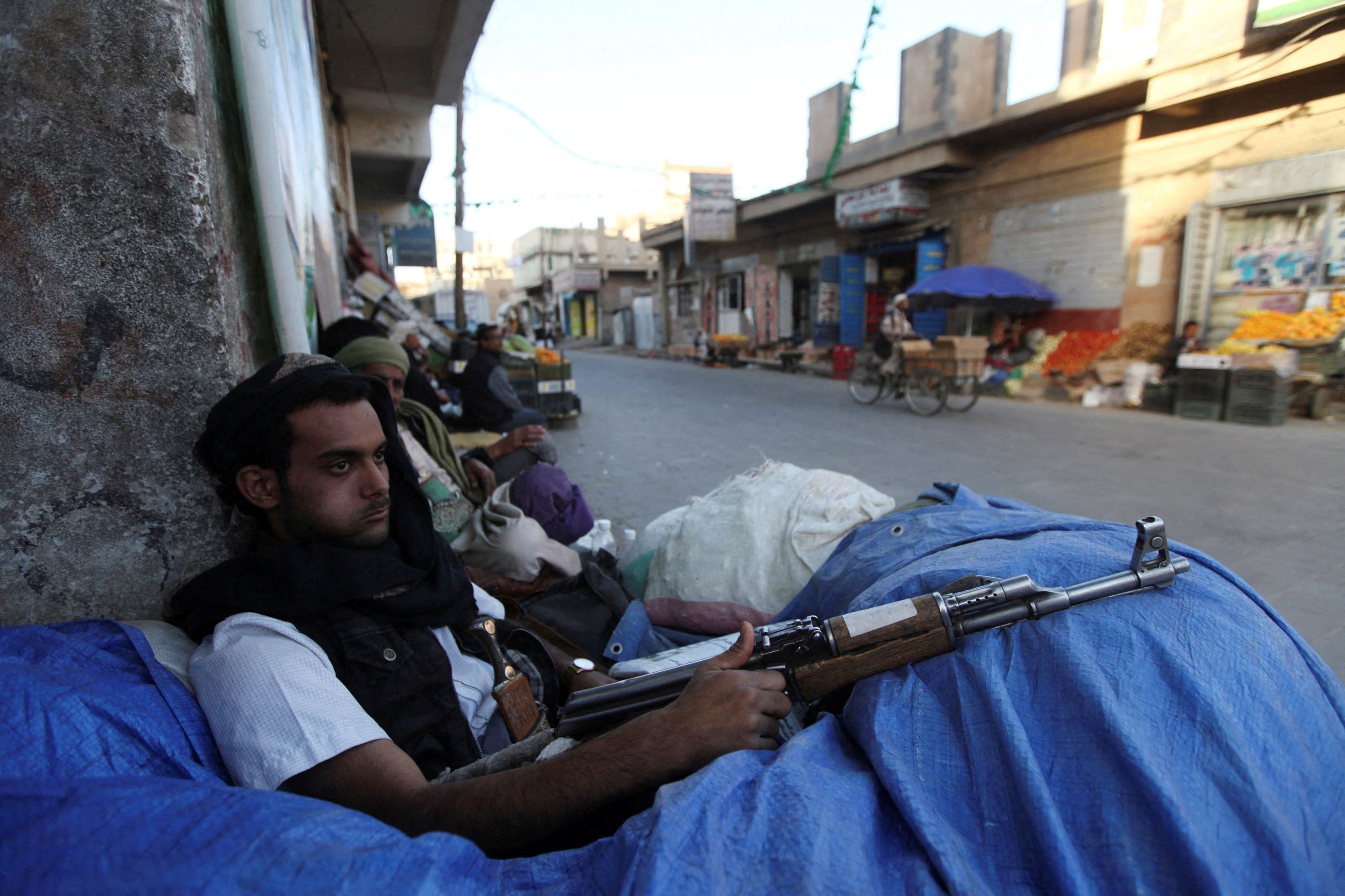
    Yemen is grappling with what the United Nations has called the world’s worst humanitarian crisis. A devastating civil war, compounded by a Saudi-led coalition’s military intervention, has led to widespread famine, disease, and a collapsed healthcare system. The presence of Al-Qaeda and other militant groups adds to the country’s instability and danger.
  4. Iraq: The Scars of War
    Iraq has been ravaged by decades of war, including the 2003 U.S.-led invasion and the subsequent insurgency and rise of ISIS. Although ISIS has been largely defeated, the country still faces significant challenges, including sectarian tensions, political instability, and a weakened infrastructure. The ongoing violence and unrest make Iraq a dangerous destination.
  5. Somalia: The Lawless Land
    Somalia has been without a functioning central government for much of the past three decades, leading to widespread lawlessness. The country is known for piracy, terrorism, and clan-based conflicts. The al-Shabaab militant group continues to carry out attacks, further destabilizing an already fragile nation.
  6. North Korea: The Hermit Kingdom
    North Korea is one of the most isolated and repressive regimes in the world. The government’s human rights abuses, nuclear ambitions, and unpredictable leadership make it a highly dangerous country. The severe restrictions on travel and the threat of detention for foreigners add to the peril.
  7. Venezuela: The Collapse of a Nation
    Venezuela is experiencing a profound economic and political crisis. Hyperinflation, food and medicine shortages, and widespread crime have led to a humanitarian emergency. The government’s authoritarian tactics and the suppression of dissent have contributed to the country’s descent into chaos.
  8. South Sudan: A New Nation in Turmoil
    South Sudan, the world’s youngest country, has been mired in civil war since 2013. The conflict has resulted in massive displacement, famine, and human rights abuses. The fragile peace agreements have failed to bring lasting stability, leaving South Sudan in a state of constant danger.

Conclusion:
The countries listed above are in the crucible of conflict, facing a myriad of challenges that make them particularly dangerous. It is important to understand that these nations are not inherently dangerous; rather, they are caught in complex webs of historical, political, and social issues that have led to their current states. International cooperation, humanitarian aid, and diplomatic efforts are crucial in addressing these crises and helping these nations find paths to peace and stability. As global citizens, we must remain informed and empathetic, recognizing that the dangers faced by these countries do not exist in isolation but have far-reaching implications for the entire world.

American Politics: The Power, Policy, and Public Opinion

The American political landscape is a complex tapestry woven from the threads of history, culture, and the ever-evolving dynamics of power and policy. At its core, American politics is a reflection of the country’s foundational principles, enshrined in the Constitution, which established a federal democratic republic with a system of checks and balances among three branches of government: the legislative, executive, and judicial. This framework, designed to prevent tyranny and protect individual liberties, has been the stage for the nation’s political drama for over two centuries.

The System: A Framework for Governance

The legislative branch, or Congress, is bicameral, consisting of the House of Representatives and the Senate. The House represents the population, with seats apportioned among the states based on the decennial census. The Senate, on the other hand, provides equal representation for each state, with two senators per state, regardless of population size. Congress is responsible for making laws, declaring war, and overseeing the federal budget.

The executive branch is headed by the President, who is elected every four years. The President is the head of state, commander-in-chief of the armed forces, and chief executive responsible for enforcing the laws passed by Congress. The President is assisted by the Vice President and a cabinet of department heads.

The judicial branch, led by the Supreme Court, interprets the Constitution and laws, ensuring that the government’s actions are consistent with the nation’s fundamental legal framework. The Supreme Court’s decisions can significantly impact American society, as seen in landmark rulings on issues such as civil rights, abortion, and same-sex marriage.

The Players: Parties, Politicians, and the Public

American politics is dominated by two major political parties: the Democratic Party and the Republican Party. These parties have evolved over time, with their platforms and priorities reflecting the shifting sands of public opinion and societal values. The Democratic Party generally advocates for a more active government role in addressing social and economic issues, while the Republican Party tends to emphasize limited government, free markets, and individual responsibility.

Politicians, ranging from local council members to members of Congress and the President, are the individuals who navigate the political system, crafting and implementing policies that affect the daily lives of Americans. Their success depends on their ability to understand and respond to the needs and desires of their constituents, as well as to navigate the complex web of alliances, negotiations, and compromises that characterize the political process.

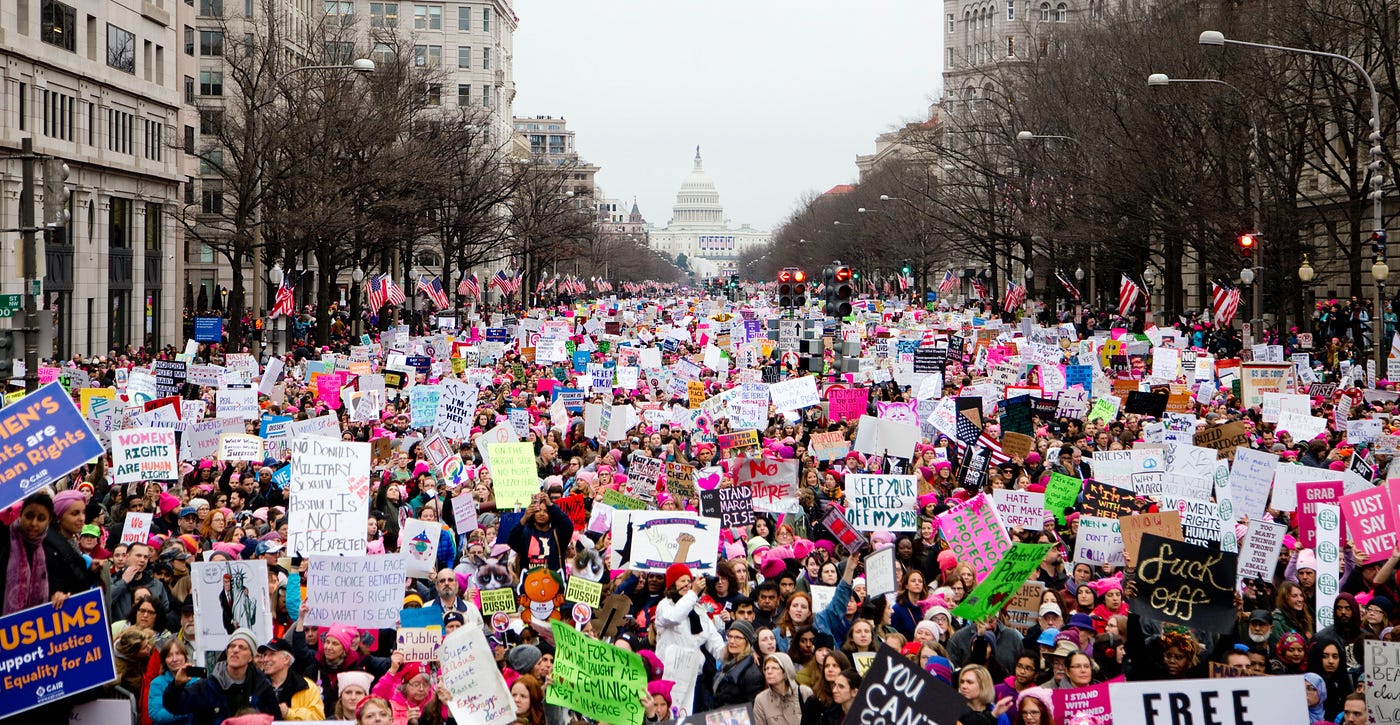
The public plays a crucial role in American politics, with the power to elect representatives and influence policy through various forms of civic engagement, including voting, protesting, and lobbying. Public opinion, shaped by media, social networks, and personal experiences, can drive political agendas and hold elected officials accountable.

The Issues: Navigating the Challenges of the 21st Century

American politics today grapples with a myriad of issues, from healthcare and immigration to climate change and economic inequality. These issues are often deeply polarized, with stark divisions between the political parties and among the public.

Healthcare remains a contentious issue, with debates over the Affordable Care Act, the role of private insurance, and the push for a universal healthcare system. Immigration policy is another flashpoint, with disagreements over border security, the treatment of undocumented immigrants, and pathways to citizenship.

Climate change has emerged as an existential threat, with debates over the extent of government intervention in reducing carbon emissions and transitioning to renewable energy sources. Economic inequality, exacerbated by technological change and globalization, has led to calls for reforms to taxation, education, and labor laws.

The Future: Challenges and Opportunities

As American politics continues to evolve, it faces both challenges and opportunities. The digital age has transformed the way politicians communicate with the public and with each other, bringing both new avenues for engagement and new forms of division. The increasing diversity of the American population presents a challenge to traditional political coalitions and requires a rethinking of policy priorities and approaches.

In the face of these challenges, the American political system, with its roots in the Enlightenment ideals of democracy and liberty, remains a dynamic and resilient framework for governance. The players and the issues may change, but the fundamental principles of the American experiment in self-governance endure, offering a beacon of hope and a model for democratic governance around the world.