Innovative Concepts in Runway Presentations: Fashion Futures

pivot62.com – In the ever-evolving landscape of the fashion industry, the traditional runway show has undergone a metamorphosis, transforming from a mere catwalk into a canvas for creative expression and innovation. Designers and brands are constantly pushing the boundaries of what a runway presentation can be, embracing technology, sustainability, and immersive experiences to create unforgettable spectacles that resonate with modern audiences. This article delves into the innovative concepts that are redefining the future of fashion presentations.

Virtual Runways and Digital Fashion Weeks

The digital revolution has had a profound impact on the fashion industry, with virtual runways and digital fashion weeks becoming the new norm, especially in the wake of global challenges like the COVID-19 pandemic. Brands like Dolce & Gabbana and Burberry have pioneered immersive digital experiences, using augmented reality (AR), virtual reality (VR), and 3D modeling to showcase their collections. These virtual presentations not only offer a front-row seat to audiences worldwide but also reduce the carbon footprint associated with physical events.

Sustainable Storytelling

Sustainability is no longer a buzzword but a commitment that many fashion brands are integrating into their runway presentations. Designers are increasingly focusing on eco-friendly materials, upcycling, and zero-waste designs. Brands like Stella McCartney and Gabriela Hearst are leading the charge, using their runway shows to tell a story of environmental responsibility and ethical production practices. These presentations often incorporate elements that reflect the brand’s commitment to sustainability, from the set design to the models’ makeup and hair.

Interactive Experiences

Interactive runway presentations are another innovative concept that is gaining traction. These experiences engage the audience in real-time, allowing them to interact with the show in various ways. For example, some designers have experimented with live voting, where the audience can choose which pieces make it to the final collection. Others have used mobile apps to provide additional content, such as behind-the-scenes footage or detailed information about the garments as they walk down the runway.

Theatrical and Immersive Sets

The runway is not just a path for models to walk; it’s a stage for storytelling. Designers are creating elaborate sets that transport the audience to different worlds, enhancing the narrative of their collections. From Marc Jacobs’ recreation of a Wes Anderson film set to Moschino’s supermarket runway, these theatrical presentations create a memorable experience that goes beyond the clothes themselves.

Technology-Infused Fashion

Wearable technology and smart fabrics are becoming more prevalent in fashion presentations. Designers are experimenting with materials that change color, texture, or shape in response to environmental factors or the wearer’s mood. These high-tech garments are often showcased in runway shows that incorporate light shows, soundscapes, and digital projections to highlight the interactive nature of the clothing.

Inclusivity and Diversity

The future of fashion is inclusive, and runway presentations are reflecting this shift. Brands are increasingly casting models of all ages, sizes, genders, and ethnicities, challenging traditional beauty standards and celebrating diversity. This inclusivity extends to the audience as well, with some brands offering adaptive fashion shows that cater to people with disabilities, ensuring that everyone can enjoy and participate in the fashion experience.

Pop-Up Runways

Pop-up runways are a novel concept that brings fashion shows to unexpected locations, turning streets, parks, or even abandoned buildings into temporary catwalks. This approach not only breaks down the barriers between high fashion and everyday life but also creates a sense of exclusivity and excitement as audiences discover where the next show will pop up.

In conclusion, the future of fashion runway presentations is a blend of creativity, technology, sustainability, and inclusivity. As designers continue to push the envelope, they are reimagining the runway as a platform for storytelling, innovation, and engagement. These innovative concepts not only captivate audiences but also reflect the changing values and expectations of the modern fashion consumer. As we look to the future, it’s clear that the runway will continue to evolve, offering endless possibilities for expression and experimentation.


Exploring the Untamed Beauty of Borneo: Island Wild

pivot62.com – Nestled in the heart of Southeast Asia, Borneo is a land of untamed beauty, a place where the wild still reigns supreme. Shared between Malaysia, Indonesia, and Brunei, this island is the third-largest in the world and is home to some of the most diverse ecosystems and wildlife on the planet. Borneo’s wild landscapes, from its ancient rainforests to its rugged coastlines, beckon adventurers and nature lovers to explore its untamed splendor.

The Heart of Borneo, a transboundary conservation area, is a testament to the island’s natural wealth. This vast expanse of protected forest is a sanctuary for endangered species such as the Bornean orangutan, the Bornean elephant, and the Sumatran rhinoceros. It is here, in these dense jungles, that one can truly experience the raw power of nature. The calls of exotic birds, the rustle of leaves as shy mammals move through the underbrush, and the sight of towering trees draped in vines and orchids create an otherworldly atmosphere that is both awe-inspiring and humbling.

Borneo’s rivers are lifelines, not only for the indigenous communities that live along their banks but also for the wildlife that depends on them. The Kinabatangan River, for example, is one of the last wildernesses in Asia where one can witness the pygmy elephant, the saltwater crocodile, and a plethora of bird species in their natural habitat. A boat safari along these waters is an adventure in itself, offering glimpses of life that few places on Earth can match.

The island’s coastlines are no less enchanting. The northern shores of Borneo, particularly in Sabah and Sarawak, are fringed with some of the most pristine beaches and coral reefs in the world. The waters here teem with marine life, making them a paradise for snorkelers and divers. The chance to swim alongside sea turtles, manta rays, and a kaleidoscope of tropical fish is an experience that stays with one long after leaving the island.

Borneo’s cultural tapestry is as rich and diverse as its natural environment. The indigenous tribes, such as the Iban, Kayan, and Penan, have lived in harmony with the forest for centuries. Their longhouses, traditional customs, and folklore provide a fascinating glimpse into a way of life that is increasingly rare in our modern world. Interacting with these communities offers a unique opportunity to learn about sustainable living and the deep connection between humans and the natural world.

However, Borneo’s wild beauty is under threat. Deforestation, logging, and palm oil plantations have encroached upon the island’s forests, leading to habitat loss and the decline of wildlife populations. Conservation efforts are crucial to protect the island’s biodiversity and ensure that future generations can experience its wonders.

Exploring Borneo is not just an adventure; it’s a journey into the heart of nature. It’s a reminder of the incredible diversity of life on our planet and the importance of preserving it. Whether trekking through the jungle, cruising along a river, or diving into crystal-clear waters, Borneo offers experiences that touch the soul and inspire a deeper appreciation for the wild places that still exist on Earth.

In the words of naturalist David Attenborough, “In wildness is the preservation of the world.” Borneo, with its untamed beauty, is a testament to this truth. It is a place that calls to the adventurer and the conservationist within us all, urging us to explore, to respect, and to protect the wildness that is the essence of Borneo.

Langkah Mudah Mengakses Link Alternatif Trisula88 dengan Aman

Link Alternatif Trisula88 merupakan salah satu situs taruhan online populer, namun terkadang akses ke situs ini bisa terblokir karena berbagai alasan, termasuk pembatasan geografis atau kebijakan ISP. Untuk mengatasi hal ini, Trisula88 menyediakan link alternatif yang memungkinkan pengguna untuk mengakses situs secara aman dan lancar. Berikut adalah langkah mudah untuk mengakses link alternatif Trisula88 dengan aman.

1. Cari Tahu Link Alternatif yang Resmi

Pertama-tama, penting untuk mendapatkan link alternatif yang resmi dan terpercaya. Anda bisa mendapatkan link ini dari berbagai sumber seperti email promosi dari Trisula88, akun media sosial resmi, atau melalui layanan customer service mereka. Pastikan Anda mendapatkan link dari sumber yang sah untuk menghindari risiko phishing atau scam.

2. Pastikan Koneksi Internet Anda Aman

Sebelum mengakses link alternatif, pastikan koneksi internet Anda aman. Gunakan jaringan yang terpercaya dan pertimbangkan penggunaan VPN untuk menambah lapisan keamanan tambahan, terutama jika Anda mengakses situs dari area dengan pembatasan internet yang ketat.

3. Verifikasi Keamanan Situs

Setelah mengakses link alternatif, periksa apakah situs tersebut dilindungi dengan SSL (Secure Socket Layer). Anda bisa mengetahui hal ini dengan mencari simbol gembok pada bar alamat browser Anda, yang menunjukkan bahwa koneksi Anda ke situs tersebut aman dan enkripsi.

4. Gunakan Perangkat Keamanan yang Tepat

Pastikan perangkat yang Anda gunakan untuk mengakses Trisula88 aman dari malware dan virus. Selalu update antivirus dan software keamanan Anda ke versi terbaru. Ini membantu melindungi data pribadi Anda dari ancaman cyber.

5. Berhati-hatilah dengan Data Pribadi Anda

Saat memasukkan data pribadi atau informasi keuangan, pastikan Anda berada di situs yang benar dan bukan situs phishing yang meniru Trisula88. Jangan pernah membagikan kata sandi atau detail login Anda kepada siapapun.

6. Tetap Update dengan Informasi Terbaru

Situs taruhan sering kali memperbarui link alternatif mereka untuk menghindari pemblokiran. Pastikan untuk terus berkomunikasi dengan tim support Trisula88 atau mengikuti mereka di media sosial untuk mendapatkan update terbaru mengenai link alternatif yang aman.

Kesimpulan

Mengakses Trisula88 melalui link alternatif adalah cara yang efektif untuk menikmati layanan mereka tanpa gangguan. Dengan mengikuti langkah-langkah di atas, Anda bisa memastikan bahwa pengalaman Anda bermain taruhan online tidak hanya menyenangkan tetapi juga aman. Selalu prioritaskan keamanan online Anda dan nikmati permainan yang adil dan terlindungi.

American Fashion Demystified: The Calvin Klein Minimalism

pivot62.com – In the ever-evolving world of fashion, where trends come and go with the changing seasons, the legacy of Calvin Klein stands as a testament to the enduring power of minimalism. As one of America’s most iconic fashion designers, Klein’s impact on the industry has been profound, with his brand becoming synonymous with clean lines, understated elegance, and a timeless aesthetic. This article delves into the essence of Calvin Klein’s minimalist approach and its significance in the American fashion landscape.

The Birth of a Fashion Empire:
Calvin Richard Klein was born on November 19, 1942, in the Bronx, New York. His journey into the fashion world began with a degree from the Fashion Institute of Technology and the launch of his first company in 1968. Initially, Klein focused on coats for women, but his talent and vision quickly expanded into a full line of clothing, accessories, and fragrances. By the 1970s, Calvin Klein had established himself as a leading figure in American fashion, celebrated for his ability to capture the zeitgeist of the era with his designs.

The Philosophy of Minimalism:
At the core of Calvin Klein’s design philosophy is minimalism—a concept that emphasizes simplicity, functionality, and the absence of unnecessary detail. This approach was revolutionary at a time when fashion was often characterized by excess and ornamentation. Klein’s minimalist aesthetic was not just a style; it was a statement about modernity, sophistication, and the American spirit. His designs were stripped down to their essence, allowing the wearer’s natural beauty and confidence to shine through.

Iconic Designs:
Calvin Klein’s minimalist approach is evident in his iconic designs that have become benchmarks in fashion history. The 1990s, in particular, were a golden era for the brand, with the launch of the CK line and the now-legendary advertising campaigns that featured supermodels like Kate Moss, Mark Wahlberg, and Brooke Shields, whose famous line, “Nothing comes between me and my Calvins,” epitomized the brand’s allure. Klein’s ready-to-wear collections, including his tailored suits, crisp white shirts, and sleek dresses, have remained staples in the wardrobes of those who appreciate the beauty of simplicity.

The Influence on American Fashion:
Calvin Klein’s impact on American fashion cannot be overstated. He was one of the first designers to successfully bridge the gap between high fashion and mainstream America, making designer clothing accessible and desirable to a broader audience. His minimalist aesthetic has influenced countless designers and has become a defining characteristic of American fashion—one that values comfort, functionality, and a democratic approach to style.

Legacy and Continuation:
Although Calvin Klein sold his company in the late 2000s and has since stepped away from the day-to-day operations, the brand continues to uphold the minimalist ethos that he established. Today, Calvin Klein remains a global fashion powerhouse, with its designs still capturing the essence of modernity and simplicity. The brand’s ability to adapt while maintaining its core values is a testament to Klein’s lasting legacy.

Conclusion:
The Calvin Klein minimalism is more than just a fashion trend; it is a philosophy that has shaped the American fashion identity. By demystifying style and focusing on the essentials, Klein has left an indelible mark on the industry. His legacy is a reminder that sometimes, less truly is more, and that the beauty of fashion lies in its ability to enhance the individual, not overshadow them. As the fashion world continues to evolve, the timeless appeal of Calvin Klein’s minimalist designs will undoubtedly endure, serving as a beacon of elegance and sophistication for generations to come.

NASA’s Darkest Hour: The Challenger Disaster

pivot62.com – On the frigid morning of January 28, 1986, the world watched in anticipation as the Space Shuttle Challenger prepared for liftoff at the Kennedy Space Center in Florida. Among the seven astronauts aboard was Christa McAuliffe, a high school teacher from Concord, New Hampshire, who was to become the first private citizen in space, a symbol of the growing accessibility of space exploration to the general public. However, the excitement and hope that filled the air were about to be shattered in a moment that would forever be etched in the annals of space exploration history.

The Space Shuttle Challenger was part of NASA’s Space Shuttle program, which aimed to make space travel routine and cost-effective. The Challenger mission, officially known as STS-51-L, was the 25th flight of the Space Shuttle and was expected to deploy a communications satellite and conduct experiments in Earth’s orbit. But as the shuttle roared into the sky, a catastrophic failure occurred just 73 seconds into the flight.

The disaster was caused by the failure of the O-rings, a critical component of the solid rocket boosters. These O-rings were rubber seals designed to prevent hot gases from leaking out of the booster joints. However, the unusually cold temperatures on the day of the launch caused the O-rings to become brittle and fail to properly seal. As a result, hot gases escaped and burned through the external fuel tank, leading to a massive explosion that broke the shuttle apart and killed all seven crew members.

The Challenger disaster was a stark reminder of the risks involved in space exploration. It was broadcast live on television, with millions of viewers, including students in classrooms across the United States, witnessing the tragedy. The loss of the crew, especially Christa McAuliffe, who was to teach lessons from space, had a profound impact on the public’s perception of space travel and NASA’s reputation for safety and reliability.

In the aftermath of the disaster, President Ronald Reagan established the Rogers Commission, led by former Secretary of State William P. Rogers, to investigate the cause of the accident. The commission’s findings revealed not only the technical failures but also the organizational and cultural issues within NASA that contributed to the disaster. These included a lack of communication between engineers and management, a flawed decision-making process, and an overconfidence in the shuttle’s reliability.

The Challenger disaster led to a significant overhaul of NASA’s safety protocols and management practices. The agency implemented a more rigorous review process for missions and components, and it took steps to foster a culture where concerns about safety could be raised and addressed without fear of retribution.

The Challenger disaster also had a lasting impact on the public’s perception of space exploration. While it initially dampened enthusiasm for space travel, it also highlighted the bravery and sacrifice of astronauts. The disaster served as a poignant reminder of the high stakes involved in pushing the boundaries of human knowledge and exploration.

In the years that followed, NASA continued its mission to explore space, learning from the Challenger disaster to improve safety and reliability. The agency’s resilience was demonstrated by the successful return to flight of the Space Shuttle program and the subsequent achievements in space exploration.

The Challenger disaster remains a somber moment in NASA’s history, a stark reminder of the risks and sacrifices that come with the quest to explore the unknown. The seven astronauts who lost their lives that day—Francis Scobee, Michael Smith, Judith Resnik, Ronald McNair, Ellison Onizuka, Gregory Jarvis, and Christa McAuliffe—are remembered as heroes who embodied the spirit of discovery and adventure that drives humanity to reach for the stars. Their legacy is a testament to the enduring human desire to explore and understand the universe, even in the face of great adversity.

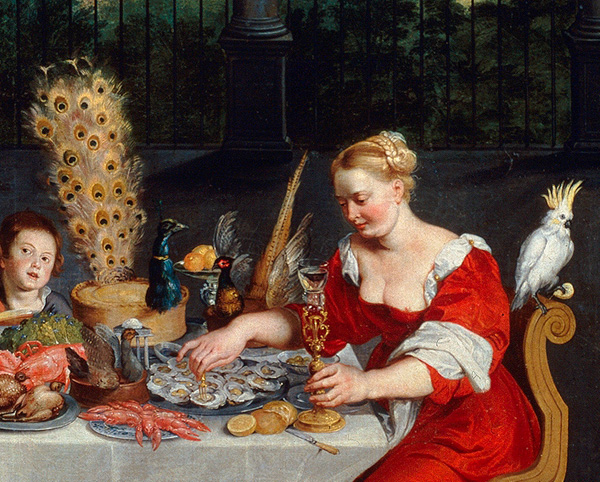
Culinary Arts in the Age of Majesty: The Renaissance of Flavor

pivot62.com – In the grand tapestry of history, few periods have been as illustrious and transformative as the Renaissance. A time of profound cultural rebirth, the Renaissance was not just a revival of art, literature, and science; it was also a golden age for the culinary arts. This era, spanning from the 14th to the 17th century, witnessed a renaissance of flavor, where the culinary world was revolutionized, and the art of cooking was elevated to new heights of majesty and sophistication.

The Dawn of a New Culinary Era

The Renaissance marked a significant shift in culinary practices and attitudes towards food. It was a period of exploration and discovery, both geographically and gastronomically. The spice trade flourished, introducing Europeans to a world of exotic flavors from the East, including cinnamon, nutmeg, and pepper. These spices were not only used for seasoning but also as a display of wealth and status.

The Art of Presentation

One of the hallmarks of Renaissance cuisine was the emphasis on presentation. Meals were not just about sustenance; they were a feast for the senses, where appearance and creativity played a pivotal role. Elaborate dishes were designed to impress and entertain, with food often sculpted into shapes of animals, mythological creatures, and even architectural structures. This artistry extended to the dining experience itself, with meals becoming elaborate affairs, showcasing the host’s wealth and sophistication.

The Influence of the Printing Press

The invention of the printing press by Johannes Gutenberg in the mid-15th century had a profound impact on the culinary world. For the first time, cookbooks could be mass-produced, making recipes accessible to a wider audience. This democratization of culinary knowledge led to a flourishing of culinary creativity and experimentation. One of the most famous cookbooks of the era, “De Honesta Voluptate et Valetudine” (On Right Pleasure and Good Health) by Bartolomeo Sacchi, known as Platina, was published in 1475 and became a cornerstone of Renaissance cuisine.

The Role of the Court

The courts of Europe were the epicenters of culinary innovation during the Renaissance. Monarchs and nobles competed to host the most lavish banquets, employing the finest chefs to create dishes that were as much a spectacle as they were a meal. The French court, under the reign of Catherine de’ Medici, played a particularly influential role in shaping the culinary landscape of the Renaissance. Catherine’s Italian chefs introduced French cuisine to a variety of new ingredients and cooking techniques, leading to the development of the French haute cuisine that would dominate European culinary trends for centuries to come.

The Legacy of Renaissance Cuisine

The Renaissance of Flavor left an indelible mark on the culinary world. It was a period of experimentation and innovation, where the boundaries of what was possible in the kitchen were pushed further than ever before. The legacy of Renaissance cuisine can be seen in the culinary traditions of Europe and beyond, from the emphasis on presentation and creativity to the use of spices and the development of haute cuisine.

As we continue to explore the rich tapestry of culinary history, the Renaissance stands out as a beacon of creativity and sophistication. It was an age where the culinary arts were elevated to new heights, and the world of flavor was forever transformed. The Renaissance of Flavor is not just a chapter in history; it is a testament to the enduring power of culinary innovation and the universal quest for culinary excellence.

Mars Missions: The Quest for Life and Water

pivot62.com – The quest for life and water on Mars has been a central theme in the exploration of the Red Planet. Mars, our neighboring planet, has long captivated the imagination of scientists and the public alike, with its potential to harbor life or to have once supported life. The search for water, in particular, is crucial because water is essential for life as we know it. Here’s an overview of the Mars missions that have contributed to this quest:

Viking Missions (1975)

The Viking program consisted of two spacecraft, each carrying an orbiter and a lander. The primary mission was to search for biosignatures of life on Mars. The landers performed experiments that sought to detect microbial life, but the results were inconclusive. The orbiters also mapped the surface, revealing features that suggested past water flow.

Mars Pathfinder (1996)

Mars Pathfinder landed the Sojourner rover on Mars in 1997. While not specifically designed to search for life, Pathfinder provided evidence of an ancient flood that reshaped the Martian landscape, further suggesting that water once flowed on the surface.

Mars Exploration Rovers (MER) – Spirit and Opportunity (2003)

The MER mission involved two rovers that landed on opposite sides of Mars. Opportunity discovered strong evidence that the planet was once significantly more wet than it is today, finding sedimentary rocks and minerals that form in the presence of water. Spirit also found evidence of past water activity.

Phoenix Mars Lander (2007)

Phoenix landed in the Martian arctic and directly sampled water ice, confirming the presence of subsurface ice. It also found perchlorate salts, which could affect the habitability of the soil.

Mars Science Laboratory (MSL) – Curiosity Rover (2011)

Curiosity is a car-sized rover designed to assess the habitability of Mars. It has found evidence of ancient lakes and streams, as well as complex organic molecules necessary for life. Curiosity also drilled into a rock and found clay minerals that form in water, suggesting a past environment that could have been habitable.

Mars InSight (2018)

While not directly searching for life, InSight is a stationary lander that studies the Martian surface and interior, providing information that could help determine whether Mars ever had the conditions to support life.

Mars 2020 – Perseverance Rover and Ingenuity Helicopter (2020)

Perseverance is the latest rover to land on Mars, with a primary mission to search for signs of ancient life. It is equipped with advanced instruments to study the Martian climate, geology, and collect samples for future return to Earth. Ingenuity, a small helicopter, demonstrated the ability to fly in the thin Martian atmosphere, opening new possibilities for exploration.

Future Missions

Future missions aim to build on these discoveries, including the return of samples to Earth for detailed analysis and the potential for human exploration. The search for life on Mars continues to be a cornerstone of space exploration, with each mission bringing us closer to understanding whether we are alone in the universe.

The Crucible of Conflict: The World’s Most Dangerous Countries

pivot62.com – In an interconnected world, the concept of danger can be subjective, varying from natural disasters to political instability and crime. However, certain countries have earned a reputation for being particularly perilous due to a combination of factors such as ongoing armed conflicts, high crime rates, and severe political repression. This article delves into the crucible of conflict, exploring some of the world’s most dangerous countries and the complex reasons behind their volatility.

  1. Syria: A Decade of Devastation
    Syria tops the list of the world’s most dangerous countries, embroiled in a brutal civil war since 2011. The conflict has led to hundreds of thousands of deaths, millions of refugees, and widespread destruction. Foreign intervention, sectarian violence, and the rise of extremist groups like ISIS have exacerbated the situation, making Syria a place of immense suffering and danger.
  2. Afghanistan: A Land of Endless War
    Afghanistan has been synonymous with conflict for decades, with the recent withdrawal of U.S. and NATO troops leading to a Taliban takeover. The country has been plagued by terrorism, civil war, and a harsh regime that suppresses human rights. The uncertain future and the potential for further conflict make Afghanistan one of the most perilous places on earth.
  3. Yemen: A Humanitarian Catastrophe
    Yemen is grappling with what the United Nations has called the world’s worst humanitarian crisis. A devastating civil war, compounded by a Saudi-led coalition’s military intervention, has led to widespread famine, disease, and a collapsed healthcare system. The presence of Al-Qaeda and other militant groups adds to the country’s instability and danger.
  4. Iraq: The Scars of War
    Iraq has been ravaged by decades of war, including the 2003 U.S.-led invasion and the subsequent insurgency and rise of ISIS. Although ISIS has been largely defeated, the country still faces significant challenges, including sectarian tensions, political instability, and a weakened infrastructure. The ongoing violence and unrest make Iraq a dangerous destination.
  5. Somalia: The Lawless Land
    Somalia has been without a functioning central government for much of the past three decades, leading to widespread lawlessness. The country is known for piracy, terrorism, and clan-based conflicts. The al-Shabaab militant group continues to carry out attacks, further destabilizing an already fragile nation.
  6. North Korea: The Hermit Kingdom
    North Korea is one of the most isolated and repressive regimes in the world. The government’s human rights abuses, nuclear ambitions, and unpredictable leadership make it a highly dangerous country. The severe restrictions on travel and the threat of detention for foreigners add to the peril.
  7. Venezuela: The Collapse of a Nation
    Venezuela is experiencing a profound economic and political crisis. Hyperinflation, food and medicine shortages, and widespread crime have led to a humanitarian emergency. The government’s authoritarian tactics and the suppression of dissent have contributed to the country’s descent into chaos.
  8. South Sudan: A New Nation in Turmoil
    South Sudan, the world’s youngest country, has been mired in civil war since 2013. The conflict has resulted in massive displacement, famine, and human rights abuses. The fragile peace agreements have failed to bring lasting stability, leaving South Sudan in a state of constant danger.

Conclusion:
The countries listed above are in the crucible of conflict, facing a myriad of challenges that make them particularly dangerous. It is important to understand that these nations are not inherently dangerous; rather, they are caught in complex webs of historical, political, and social issues that have led to their current states. International cooperation, humanitarian aid, and diplomatic efforts are crucial in addressing these crises and helping these nations find paths to peace and stability. As global citizens, we must remain informed and empathetic, recognizing that the dangers faced by these countries do not exist in isolation but have far-reaching implications for the entire world.