
Millennials and Education: Navigating Student Debt

pivot62.com – Millennials, often referred to as the most educated generation, have faced unique challenges in their pursuit of higher education. While they value the opportunities that education provides, they are also burdened with unprecedented levels of student debt. This financial strain has significant implications for their personal and professional lives, influencing everything from career choices to lifestyle decisions.

The Rising Cost of Education

Over the past few decades, the cost of higher education has skyrocketed, outpacing inflation and wage growth. As a result, many millennials have had to rely on student loans to finance their education. This reliance on borrowed funds has led to staggering levels of debt, with the average millennial owing tens of thousands of dollars by the time they graduate.

The Impact of Student Debt

Student debt has a profound impact on millennials’ financial stability and life choices. Many delay major life milestones such as buying a home, starting a family, or saving for retirement due to their debt obligations. Additionally, the pressure to repay loans can influence career decisions, pushing some into higher-paying jobs that may not align with their passions or values.

Strategies for Managing Debt

Despite the challenges, millennials are developing strategies to manage their student debt effectively. Budgeting and financial planning have become essential skills, helping them allocate resources wisely and prioritize debt repayment. Some are exploring income-driven repayment plans or refinancing options to make their loans more manageable.

The Role of Financial Literacy

Financial literacy plays a crucial role in helping millennials navigate the complexities of student debt. By understanding the implications of borrowing and mastering personal finance skills, they can make informed decisions about their education and financial futures. Educational institutions and policymakers are increasingly recognizing the importance of financial education in preparing students for the realities of post-graduate life.

Advocating for Change

Millennials are also advocating for systemic changes to address the student debt crisis. They are calling for measures such as tuition-free college, expanded loan forgiveness programs, and increased funding for higher education. By raising awareness and pushing for reform, they hope to alleviate the burden of debt for future generations.

Conclusion

Navigating student debt is a significant challenge for millennials, impacting their financial health and life choices. However, through strategic planning, financial literacy, and advocacy, they are finding ways to manage this burden while working towards a more equitable education system. As they continue to adapt and advocate, millennials are not only addressing their own challenges but also paving the way for a more sustainable approach to higher education for all.
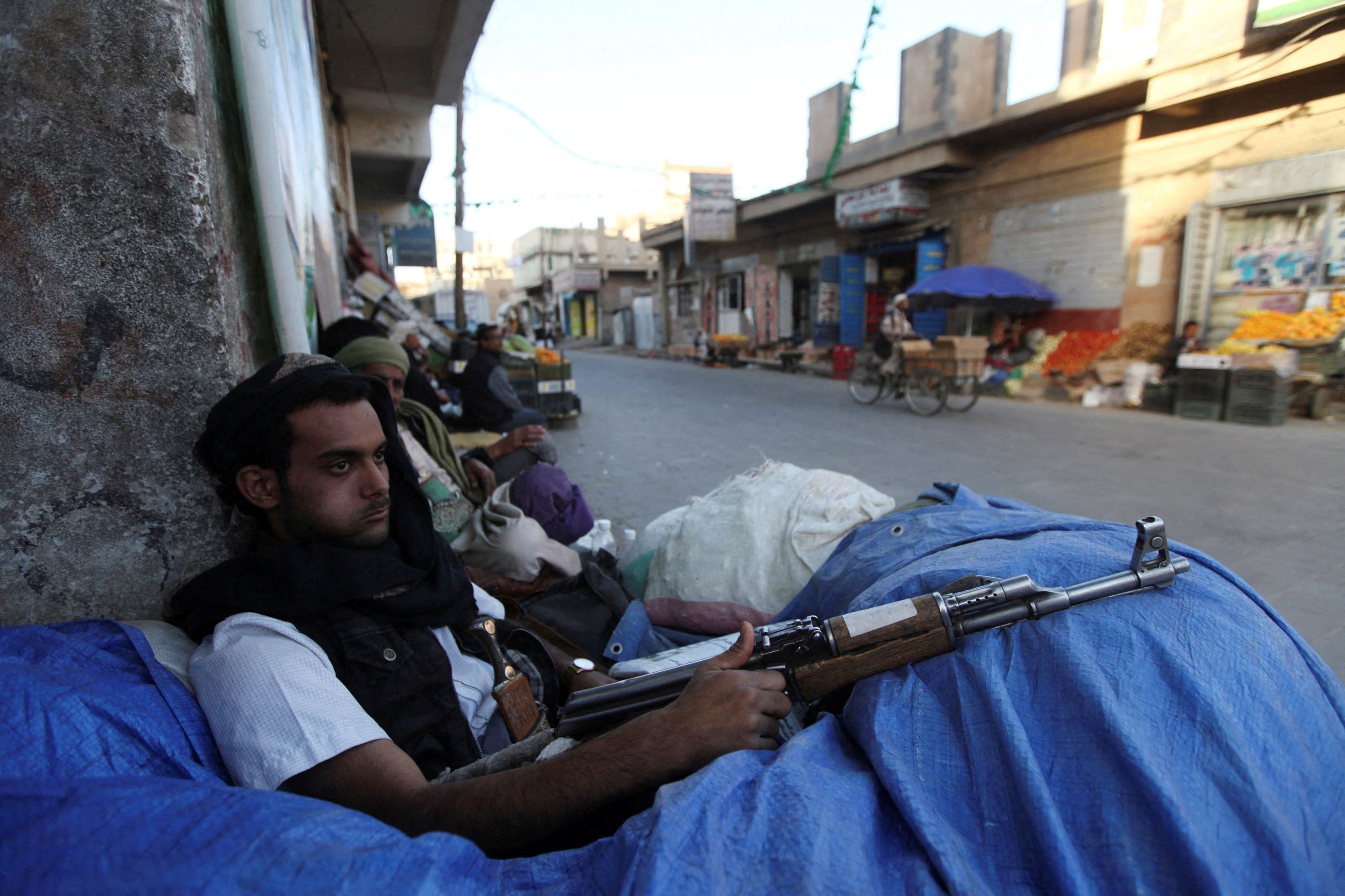

The Crucible of Conflict: The World’s Most Dangerous Countries

pivot62.com – In an interconnected world, the concept of danger can be subjective, varying from natural disasters to political instability and crime. However, certain countries have earned a reputation for being particularly perilous due to a combination of factors such as ongoing armed conflicts, high crime rates, and severe political repression. This article delves into the crucible of conflict, exploring some of the world’s most dangerous countries and the complex reasons behind their volatility.

  1. Syria: A Decade of Devastation
    Syria tops the list of the world’s most dangerous countries, embroiled in a brutal civil war since 2011. The conflict has led to hundreds of thousands of deaths, millions of refugees, and widespread destruction. Foreign intervention, sectarian violence, and the rise of extremist groups like ISIS have exacerbated the situation, making Syria a place of immense suffering and danger.
  2. Afghanistan: A Land of Endless War
    Afghanistan has been synonymous with conflict for decades, with the recent withdrawal of U.S. and NATO troops leading to a Taliban takeover. The country has been plagued by terrorism, civil war, and a harsh regime that suppresses human rights. The uncertain future and the potential for further conflict make Afghanistan one of the most perilous places on earth.
  3. Yemen: A Humanitarian Catastrophe
    Yemen is grappling with what the United Nations has called the world’s worst humanitarian crisis. A devastating civil war, compounded by a Saudi-led coalition’s military intervention, has led to widespread famine, disease, and a collapsed healthcare system. The presence of Al-Qaeda and other militant groups adds to the country’s instability and danger.
  4. Iraq: The Scars of War
    Iraq has been ravaged by decades of war, including the 2003 U.S.-led invasion and the subsequent insurgency and rise of ISIS. Although ISIS has been largely defeated, the country still faces significant challenges, including sectarian tensions, political instability, and a weakened infrastructure. The ongoing violence and unrest make Iraq a dangerous destination.
  5. Somalia: The Lawless Land
    Somalia has been without a functioning central government for much of the past three decades, leading to widespread lawlessness. The country is known for piracy, terrorism, and clan-based conflicts. The al-Shabaab militant group continues to carry out attacks, further destabilizing an already fragile nation.
  6. North Korea: The Hermit Kingdom
    North Korea is one of the most isolated and repressive regimes in the world. The government’s human rights abuses, nuclear ambitions, and unpredictable leadership make it a highly dangerous country. The severe restrictions on travel and the threat of detention for foreigners add to the peril.
  7. Venezuela: The Collapse of a Nation
    Venezuela is experiencing a profound economic and political crisis. Hyperinflation, food and medicine shortages, and widespread crime have led to a humanitarian emergency. The government’s authoritarian tactics and the suppression of dissent have contributed to the country’s descent into chaos.
  8. South Sudan: A New Nation in Turmoil
    South Sudan, the world’s youngest country, has been mired in civil war since 2013. The conflict has resulted in massive displacement, famine, and human rights abuses. The fragile peace agreements have failed to bring lasting stability, leaving South Sudan in a state of constant danger.

Conclusion:
The countries listed above are in the crucible of conflict, facing a myriad of challenges that make them particularly dangerous. It is important to understand that these nations are not inherently dangerous; rather, they are caught in complex webs of historical, political, and social issues that have led to their current states. International cooperation, humanitarian aid, and diplomatic efforts are crucial in addressing these crises and helping these nations find paths to peace and stability. As global citizens, we must remain informed and empathetic, recognizing that the dangers faced by these countries do not exist in isolation but have far-reaching implications for the entire world.

American Politics: The Power, Policy, and Public Opinion

The American political landscape is a complex tapestry woven from the threads of history, culture, and the ever-evolving dynamics of power and policy. At its core, American politics is a reflection of the country’s foundational principles, enshrined in the Constitution, which established a federal democratic republic with a system of checks and balances among three branches of government: the legislative, executive, and judicial. This framework, designed to prevent tyranny and protect individual liberties, has been the stage for the nation’s political drama for over two centuries.

The System: A Framework for Governance

The legislative branch, or Congress, is bicameral, consisting of the House of Representatives and the Senate. The House represents the population, with seats apportioned among the states based on the decennial census. The Senate, on the other hand, provides equal representation for each state, with two senators per state, regardless of population size. Congress is responsible for making laws, declaring war, and overseeing the federal budget.

The executive branch is headed by the President, who is elected every four years. The President is the head of state, commander-in-chief of the armed forces, and chief executive responsible for enforcing the laws passed by Congress. The President is assisted by the Vice President and a cabinet of department heads.

The judicial branch, led by the Supreme Court, interprets the Constitution and laws, ensuring that the government’s actions are consistent with the nation’s fundamental legal framework. The Supreme Court’s decisions can significantly impact American society, as seen in landmark rulings on issues such as civil rights, abortion, and same-sex marriage.

The Players: Parties, Politicians, and the Public

American politics is dominated by two major political parties: the Democratic Party and the Republican Party. These parties have evolved over time, with their platforms and priorities reflecting the shifting sands of public opinion and societal values. The Democratic Party generally advocates for a more active government role in addressing social and economic issues, while the Republican Party tends to emphasize limited government, free markets, and individual responsibility.

Politicians, ranging from local council members to members of Congress and the President, are the individuals who navigate the political system, crafting and implementing policies that affect the daily lives of Americans. Their success depends on their ability to understand and respond to the needs and desires of their constituents, as well as to navigate the complex web of alliances, negotiations, and compromises that characterize the political process.

The public plays a crucial role in American politics, with the power to elect representatives and influence policy through various forms of civic engagement, including voting, protesting, and lobbying. Public opinion, shaped by media, social networks, and personal experiences, can drive political agendas and hold elected officials accountable.

The Issues: Navigating the Challenges of the 21st Century

American politics today grapples with a myriad of issues, from healthcare and immigration to climate change and economic inequality. These issues are often deeply polarized, with stark divisions between the political parties and among the public.

Healthcare remains a contentious issue, with debates over the Affordable Care Act, the role of private insurance, and the push for a universal healthcare system. Immigration policy is another flashpoint, with disagreements over border security, the treatment of undocumented immigrants, and pathways to citizenship.

Climate change has emerged as an existential threat, with debates over the extent of government intervention in reducing carbon emissions and transitioning to renewable energy sources. Economic inequality, exacerbated by technological change and globalization, has led to calls for reforms to taxation, education, and labor laws.

The Future: Challenges and Opportunities

As American politics continues to evolve, it faces both challenges and opportunities. The digital age has transformed the way politicians communicate with the public and with each other, bringing both new avenues for engagement and new forms of division. The increasing diversity of the American population presents a challenge to traditional political coalitions and requires a rethinking of policy priorities and approaches.

In the face of these challenges, the American political system, with its roots in the Enlightenment ideals of democracy and liberty, remains a dynamic and resilient framework for governance. The players and the issues may change, but the fundamental principles of the American experiment in self-governance endure, offering a beacon of hope and a model for democratic governance around the world.

Navigating the Moral Landscape: Artificial Intelligence Ethics

The rapid advancement of artificial intelligence (AI) technologies has brought a transformative impact across various sectors, from healthcare and finance to transportation and entertainment. However, alongside these advancements come significant ethical considerations. Navigating the moral landscape of AI ethics is essential to ensure that these technologies are developed and used responsibly, fairly, and safely. This article explores the key ethical issues surrounding AI and the principles that should guide its development and deployment.

Key Ethical Issues in AI

1. Bias and Fairness

AI systems are often trained on large datasets that may contain biases reflecting historical and societal inequalities. If these biases are not addressed, AI can perpetuate or even amplify discrimination. For example, facial recognition technologies have been shown to have higher error rates for certain demographic groups, particularly people of color and women. Ensuring fairness in AI involves developing techniques to identify, measure, and mitigate biases in data and algorithms.

2. Transparency and Explainability

AI systems, especially those based on deep learning, can be complex and opaque, making it difficult to understand how they arrive at certain decisions. This lack of transparency raises concerns about accountability and trust. Explainable AI (XAI) seeks to make AI systems more interpretable by providing insights into their decision-making processes. This is crucial for applications in areas like healthcare, where understanding the rationale behind AI recommendations can be a matter of life and death.

3. Privacy and Data Protection

AI often relies on vast amounts of personal data to function effectively. This raises significant privacy concerns, particularly regarding how data is collected, stored, and used. Ensuring robust data protection measures and giving individuals control over their personal information is essential to maintain trust and comply with regulations like the General Data Protection Regulation (GDPR).

4. Accountability and Responsibility

Determining who is responsible when AI systems cause harm or make erroneous decisions is a complex issue. This is particularly challenging in cases where AI operates autonomously or in collaboration with humans. Establishing clear lines of accountability and creating frameworks for redress and compensation is vital to address this challenge.

5. Ethical Use of Autonomous Systems

The deployment of autonomous systems, such as self-driving cars and drones, raises questions about safety, decision-making in critical situations, and the potential displacement of jobs. Ethical guidelines are needed to govern the development and use of these systems to ensure they operate safely and in alignment with societal values.

Principles Guiding Ethical AI

1. Beneficence

AI should be developed and used for the benefit of humanity, aiming to improve individual well-being and societal outcomes. Ensuring that AI technologies contribute positively to society is a fundamental ethical principle.

2. Non-Maleficence

AI systems should not cause harm. This principle emphasizes the importance of safety and the need to mitigate risks associated with AI technologies. Developers must carefully assess and address potential negative impacts.

3. Autonomy

Respecting individual autonomy involves ensuring that people have control over their interactions with AI systems and the use of their data. This includes obtaining informed consent and providing individuals with the ability to opt-out of AI-driven processes.

4. Justice

AI should be used to promote fairness and reduce inequalities. This principle calls for proactive measures to ensure that AI systems do not discriminate and that their benefits are equitably distributed.

5. Accountability

Clear mechanisms for accountability must be established to address the actions and outcomes of AI systems. This includes identifying responsible parties and creating avenues for recourse in cases of harm or error.

Conclusion

Navigating the moral landscape of AI ethics is a complex but essential task as we continue to integrate these technologies into our lives. By addressing key ethical issues and adhering to guiding principles, we can harness the potential of AI while safeguarding human values and rights. As AI continues to evolve, ongoing dialogue and collaboration among stakeholders, including technologists, ethicists, policymakers, and the public, will be crucial in shaping a future where AI serves the greater good.