American Politics: The Power, Policy, and Public Opinion

The American political landscape is a complex tapestry woven from the threads of history, culture, and the ever-evolving dynamics of power and policy. At its core, American politics is a reflection of the country’s foundational principles, enshrined in the Constitution, which established a federal democratic republic with a system of checks and balances among three branches of government: the legislative, executive, and judicial. This framework, designed to prevent tyranny and protect individual liberties, has been the stage for the nation’s political drama for over two centuries.

The System: A Framework for Governance

The legislative branch, or Congress, is bicameral, consisting of the House of Representatives and the Senate. The House represents the population, with seats apportioned among the states based on the decennial census. The Senate, on the other hand, provides equal representation for each state, with two senators per state, regardless of population size. Congress is responsible for making laws, declaring war, and overseeing the federal budget.

The executive branch is headed by the President, who is elected every four years. The President is the head of state, commander-in-chief of the armed forces, and chief executive responsible for enforcing the laws passed by Congress. The President is assisted by the Vice President and a cabinet of department heads.

The judicial branch, led by the Supreme Court, interprets the Constitution and laws, ensuring that the government’s actions are consistent with the nation’s fundamental legal framework. The Supreme Court’s decisions can significantly impact American society, as seen in landmark rulings on issues such as civil rights, abortion, and same-sex marriage.

The Players: Parties, Politicians, and the Public

American politics is dominated by two major political parties: the Democratic Party and the Republican Party. These parties have evolved over time, with their platforms and priorities reflecting the shifting sands of public opinion and societal values. The Democratic Party generally advocates for a more active government role in addressing social and economic issues, while the Republican Party tends to emphasize limited government, free markets, and individual responsibility.

Politicians, ranging from local council members to members of Congress and the President, are the individuals who navigate the political system, crafting and implementing policies that affect the daily lives of Americans. Their success depends on their ability to understand and respond to the needs and desires of their constituents, as well as to navigate the complex web of alliances, negotiations, and compromises that characterize the political process.

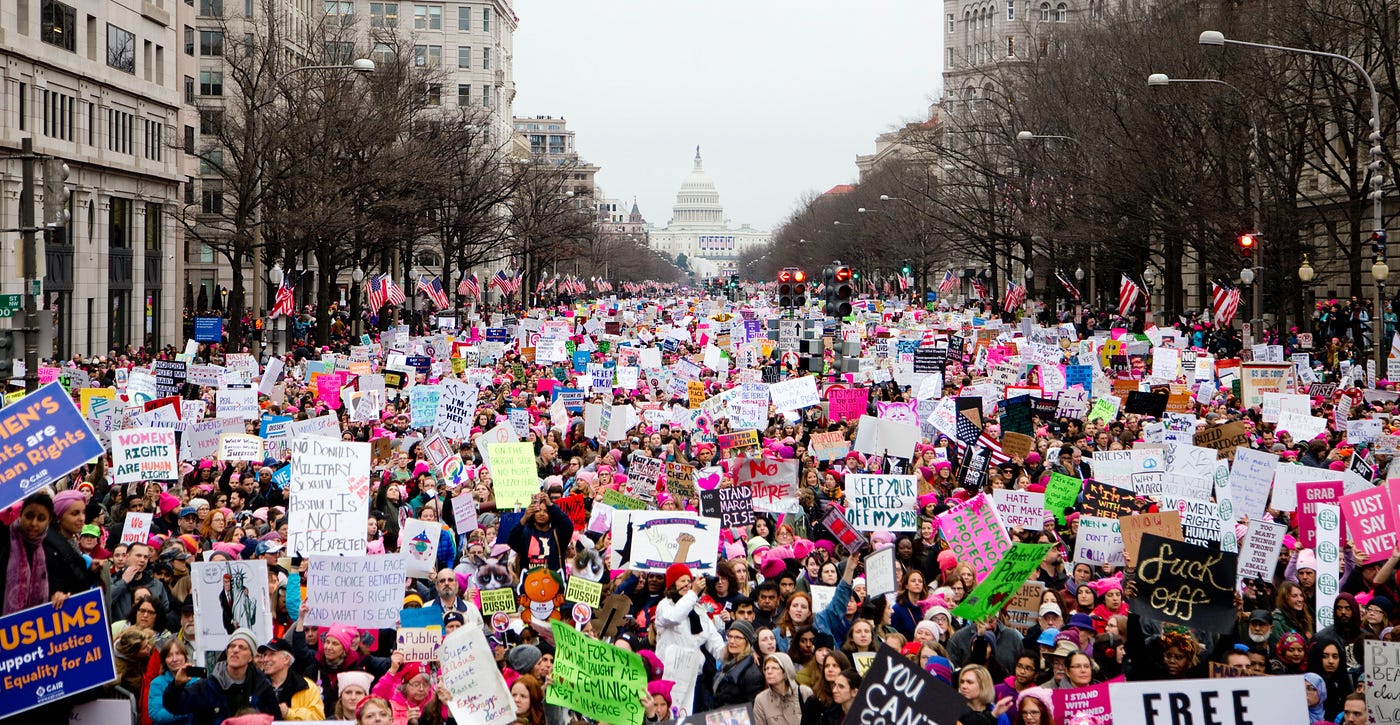
The public plays a crucial role in American politics, with the power to elect representatives and influence policy through various forms of civic engagement, including voting, protesting, and lobbying. Public opinion, shaped by media, social networks, and personal experiences, can drive political agendas and hold elected officials accountable.

The Issues: Navigating the Challenges of the 21st Century

American politics today grapples with a myriad of issues, from healthcare and immigration to climate change and economic inequality. These issues are often deeply polarized, with stark divisions between the political parties and among the public.

Healthcare remains a contentious issue, with debates over the Affordable Care Act, the role of private insurance, and the push for a universal healthcare system. Immigration policy is another flashpoint, with disagreements over border security, the treatment of undocumented immigrants, and pathways to citizenship.

Climate change has emerged as an existential threat, with debates over the extent of government intervention in reducing carbon emissions and transitioning to renewable energy sources. Economic inequality, exacerbated by technological change and globalization, has led to calls for reforms to taxation, education, and labor laws.

The Future: Challenges and Opportunities

As American politics continues to evolve, it faces both challenges and opportunities. The digital age has transformed the way politicians communicate with the public and with each other, bringing both new avenues for engagement and new forms of division. The increasing diversity of the American population presents a challenge to traditional political coalitions and requires a rethinking of policy priorities and approaches.

In the face of these challenges, the American political system, with its roots in the Enlightenment ideals of democracy and liberty, remains a dynamic and resilient framework for governance. The players and the issues may change, but the fundamental principles of the American experiment in self-governance endure, offering a beacon of hope and a model for democratic governance around the world.

The Narratives Behind Traditional Clothing: Sewn Stories

Traditional clothing is more than just fabric and thread; it is a tapestry of stories, histories, and cultures. Each stitch, pattern, and color speaks volumes about the heritage, beliefs, and identity of the people who wear them. These garments are not merely worn; they are lived in, passed down through generations, and imbued with the narratives of their people. This article delves into the sewn stories behind traditional clothing, exploring how these garments serve as a visual narrative of cultural identity and continuity.

The Language of Patterns and Colors

Traditional clothing often employs specific patterns and colors that are rich in meaning. For instance, the Scottish kilt features tartan patterns that represent different clans and families. Each color and line in the tartan tells a story, signifying allegiance, history, and sometimes even battles fought. Similarly, the vibrant hues of Indian sarees and the intricate patterns of African kente cloth are not just aesthetic choices; they are symbolic representations of social status, religious beliefs, and cultural heritage.

Techniques and Craftsmanship: A Legacy of Skill

The techniques used in creating traditional clothing are often passed down through generations, with each garment being a testament to the skill and craftsmanship of its maker. Embroidery, weaving, dyeing, and beadwork are among the many techniques that require years of practice to master. These skills are not just about making clothes; they are about preserving cultural knowledge and ensuring that the stories woven into these garments continue to be told.

In many cultures, the creation of traditional clothing is a communal affair, with members of the community coming together to share stories, techniques, and knowledge. This collective effort strengthens the bonds within the community and ensures that the cultural heritage is preserved and celebrated.

Adaptation and Innovation

While traditional clothing is deeply rooted in history, it is also subject to change and innovation. As societies evolve, so too do their garments, incorporating new materials, designs, and influences while maintaining the essence of their cultural identity. This adaptation is a testament to the resilience and creativity of cultures around the world, ensuring that traditional clothing remains relevant and cherished in contemporary times.

The Role of Traditional Clothing in Modern Society

In today’s globalized world, traditional clothing serves as a powerful symbol of cultural identity and pride. It is worn during festivals, ceremonies, and special occasions, providing a connection to the past and a sense of belonging. Moreover, traditional clothing has gained international recognition, with fashion designers and enthusiasts around the world appreciating and incorporating these designs into modern fashion.

Conclusion

Traditional clothing is a living narrative, a visual representation of the stories, histories, and identities of people around the world. From the patterns and colors to the techniques and craftsmanship, each garment is a testament to the rich cultural heritage of its people. As we continue to navigate the complexities of our globalized world, traditional clothing remains an important symbol of cultural continuity and pride. By preserving and celebrating these sewn stories, we honor the legacy of our ancestors and ensure that their narratives continue to be told for generations to come.

The Coffee That Comes With a Hefty Price Tag: Kopi Luwak

In the world of coffee connoisseurship, there exists a beverage that stands apart from the rest, not only for its unique flavor profile but also for its extraordinary production process and exorbitant price tag. This coffee is none other than Kopi Luwak, often referred to as the most expensive coffee in the world. Originating from the Indonesian islands, this coffee’s story is as intriguing as its taste, involving a peculiar animal, a meticulous harvesting process, and a global demand that has led to its high cost.

The Origins of Kopi Luwak:
Kopi Luwak’s story begins with the Asian palm civet, a small, cat-like creature known locally as the luwak. These nocturnal mammals are native to the Indonesian islands, where they have a peculiar diet that includes coffee berries. The luwak consumes the berries, but during the digestion process, the beans inside the berries are left largely intact. These beans are then excreted by the luwak, and it is from this unusual source that the coffee gets its name.

The Unique Production Process:
The production of Kopi Luwak is unlike that of any other coffee. After the beans have been excreted by the luwak, local farmers collect them from the forest floor. The beans are then thoroughly washed to remove any remaining digestive enzymes and impurities. This washing process is crucial to ensure that the coffee does not taste like feces but instead develops a unique flavor profile that is attributed to the luwak’s digestive process.

The beans are then sun-dried, hulled, and roasted to bring out their complex flavors. The digestive enzymes of the luwak are believed to break down proteins that would normally turn into bitter acids during the roasting process, resulting in a coffee that is less acidic and has a smoother, more rounded taste.

The Hefty Price Tag:
The unique production process of Kopi Luwak, combined with its rarity, contributes to its high cost. The coffee can sell for hundreds of dollars per kilogram, making it one of the most expensive coffees in the world. The price is also driven up by the labor-intensive process of collecting the beans and the limited supply, as the luwak’s diet is not solely composed of coffee berries.

Ethical Concerns:
The high demand for Kopi Luwak has led to some ethical concerns regarding its production. In some cases, luwaks are captured and placed in battery cage systems, where they are force-fed coffee berries to increase production. This practice is detrimental to the animals’ welfare and has sparked a debate about the ethical implications of consuming Kopi Luwak.

To address these concerns, ethical coffee producers have begun to farm luwaks in more humane conditions, allowing them to roam freely and choose their diet, which includes coffee berries among other forest fruits. This approach ensures that the luwaks are not mistreated and that the coffee produced is truly a byproduct of the animals’ natural behavior.

Conclusion:
Kopi Luwak is a coffee that defies conventional production methods and has captured the imagination of coffee lovers worldwide. Its unique flavor, combined with its intriguing origin story, makes it a sought-after luxury item. However, the hefty price tag that accompanies this coffee is not just a reflection of its rarity and labor-intensive production process but also a reminder of the ethical considerations that should be taken into account when indulging in this exotic beverage. For those who can afford it and are willing to support ethical sourcing, Kopi Luwak offers a taste experience that is truly one of a kind.

Danger Zones: The World’s Most Unsafe Regions for Women

In a world where strides towards gender equality are celebrated, it is disheartening to acknowledge that there are still regions where women face disproportionate levels of violence, discrimination, and oppression. These danger zones are characterized by a lack of legal protection, cultural practices that condone violence against women, and social structures that perpetuate gender inequality. This article aims to shed light on some of the world’s most unsafe regions for women, highlighting the challenges they face and the efforts being made to improve their situation.

  1. The Middle East and North Africa (MENA) Region:
    The MENA region is notorious for its conservative gender norms and laws that often discriminate against women. Countries like Yemen, Syria, and Afghanistan have been marked by conflict and instability, exacerbating the vulnerability of women. Child marriage, honor killings, and female genital mutilation (FGM) are practices that continue to pose significant threats to the well-being of women and girls in these areas.
  2. South Asia:
    South Asia, particularly countries like India and Pakistan, has been the site of numerous reports of violence against women. The 2012 gang rape and murder of a student in Delhi, India, brought international attention to the issue of sexual violence. Acid attacks, dowry-related deaths, and human trafficking are also rampant in this region. Despite legal reforms and a growing women’s rights movement, the prevalence of these crimes remains a stark reality for women in South Asia.
  3. Sub-Saharan Africa:
    Sub-Saharan Africa faces a complex interplay of factors that contribute to the unsafety of women. These include armed conflicts, economic instability, and cultural practices such as child marriage and FGM. Countries like the Democratic Republic of Congo (DRC) have seen widespread sexual violence used as a weapon of war, with devastating effects on women’s physical and mental health.
  4. Central America:
    The Northern Triangle of Central America, comprising Honduras, El Salvador, and Guatemala, is one of the most dangerous regions for women due to gang violence, drug trafficking, and a culture of machismo. Femicide rates are alarmingly high, and the lack of effective law enforcement and judicial systems means that perpetrators often go unpunished.
  5. Eastern Europe and Russia:
    In Eastern Europe and Russia, women face significant challenges related to human trafficking, domestic violence, and sexual exploitation. The region’s transition from communism to capitalism has left many women vulnerable to economic instability and exploitation. Additionally, the resurgence of conservative ideologies has led to rollbacks in women’s rights and reproductive freedoms.

Efforts for Change:
Despite the grim picture painted above, there are glimmers of hope and resilience. Women’s rights organizations, both local and international, are working tirelessly to advocate for change, provide support services, and raise awareness. Governments, under pressure from these movements and international bodies, are beginning to implement reforms and strengthen legal frameworks to protect women’s rights.

Conclusion:
Mapping the world’s most unsafe regions for women is a sobering exercise that reveals the depth of the challenges they face. However, it is also a call to action. By understanding the specific issues that plague these regions, we can better support the efforts of those on the ground fighting for gender equality and women’s safety. It is only through collective action and a commitment to change that we can hope to transform these danger zones into places where women can live free from fear and violence.

The Healing Power of Dogs: From Paws to Heart

In a world that often moves too fast, filled with stress and uncertainty, the simple wag of a tail or the gentle nuzzle of a furry companion can bring solace to the weary soul. Dogs, with their unwavering loyalty and unconditional love, have a unique ability to heal the human heart. This article delves into the profound impact of canine companionship on our emotional and physical well-being, exploring the science behind the bond and sharing stories of transformation.

The Science of Canine Connection

Research in the field of human-animal interaction has consistently shown that interacting with animals has positive effects on human health and well-being. Dogs, in particular, have been found to reduce stress, anxiety, and depression, decrease blood pressure, and even help with socialization and cognitive stimulation.

The mere presence of a dog can trigger the release of oxytocin, often referred to as the “love hormone,” which promotes bonding and reduces stress. This hormonal response can help explain why spending time with dogs can be so comforting and why they are such effective companions for people with anxiety or depression.

Healing Through Therapy

The healing power of dogs is not just anecdotal; it is being harnessed in various therapeutic settings. Therapy dogs, with their calm demeanor and friendly nature, are making significant contributions in hospitals, nursing homes, schools, and rehabilitation centers. They provide comfort and support to patients and students, helping to reduce anxiety and improve mood.

Service dogs take this a step further, offering specialized assistance to individuals with disabilities. From guiding the visually impaired to providing support for those with hearing impairments or mobility issues, these dogs are invaluable members of their human’s support system.

The Transformative Power of Love

Beyond the scientific explanations and therapeutic applications, the true magic of dogs lies in their ability to love unconditionally. This pure, unwavering love can transform lives, offering hope and healing to those who need it most.

Consider the story of Sarah, a veteran struggling with PTSD. After years of feeling isolated and misunderstood, Sarah was paired with a service dog named Max. Max’s presence not only helped Sarah navigate the world more easily but also provided her with a constant source of comfort and companionship. The bond between Sarah and Max helped Sarah find joy and purpose again, illustrating the profound impact a dog can have on a person’s life.

Fostering a Deeper Connection

The healing power of dogs extends beyond individual relationships; it can also foster a sense of community and connection among people. Dog parks, obedience classes, and breed-specific clubs bring together people from diverse backgrounds, united by their love for their canine companions. These shared experiences can lead to lasting friendships and a stronger sense of belonging.

Conclusion

From paws to heart, the journey of healing with dogs is a testament to the incredible bond between humans and animals. Whether through formal therapy, service, or the simple act of companionship, dogs have the power to touch our lives in profound ways. As we continue to explore the depths of this bond, one thing is clear: the love and loyalty of a dog can be a beacon of hope and healing in our lives.

Unveiling the Hidden Truths Behind Mythical Creatures

From the depths of ancient folklore to the pages of modern fiction, mythical creatures have captivated human imagination for centuries. These beings, often depicted as monstrous or supernatural, are woven into the fabric of our cultural heritage, embodying fears, desires, and the unknown. But what lies beneath these tales? Are these monsters merely figments of our collective imagination, or do they reveal hidden truths about our history, society, and psyche? This article delves into the shadows to uncover the secrets behind some of the most iconic mythical creatures and what they truly represent.

The Werewolf: A Reflection of Human Nature

The Werewolf Myth: A Mirror to Humanity's Economic and Social Psyche | by  Daisy Thomas | The Geopolitical Economist | Medium

The werewolf, a creature that transforms from human to wolf and back again, has been a staple of horror stories for generations. But beyond the fear of the unknown, the werewolf represents the struggle between human nature and bestial instincts. In many cultures, the werewolf is a metaphor for the loss of control, the fear of the wild within, and the consequences of giving in to primal urges. The werewolf’s story is a cautionary tale, reminding us of the thin line between civilization and savagery.

The Vampire: Immortality and the Fear of Death

Vampires vs. Werewolves: What's More Awesome! | What's more awesome?

Vampires, with their immortal life, supernatural abilities, and thirst for blood, have fascinated and terrified in equal measure. They embody our deepest fears and desires: the fear of death and the desire for eternal life. Vampires also represent the outsider, the other, who exists on the fringes of society. Their stories often explore themes of seduction and corruption, reflecting our anxieties about purity, contamination, and the loss of innocence.

The Mermaid: The Allure of the Unattainable

The Reef Siren By Raina Hopkins, 59% OFF


Mermaids, with their enchanting beauty and ethereal voices, symbolize the allure of the sea and the mysteries it holds. They represent the boundary between the known and the unknown, the human and the divine. Mermaids are often portrayed as sirens, luring sailors to their doom, which can be seen as a metaphor for the dangers of desire and the pursuit of the unattainable. Their stories are a reminder of the power of nature and the folly of man’s hubris.

The Dragon: Power and Wisdom

Creepy Hollows > All Spirits > Blue Dragon Spirit Companion Named Mionos -  Magical Guide of Wisdom

Dragons, with their immense size, strength, and often intelligence, are symbols of power and wisdom. In many cultures, dragons are revered rather than feared, representing the forces of nature and the cosmos. They are guardians of treasures and knowledge, and their stories often involve quests for wisdom or the struggle between chaos and order. The dragon’s presence in mythology reflects humanity’s awe of the natural world and its mysteries.

The Zombie: Society’s Fears and Apocalyptic Visions

Surviving The Zombie Apocalypse Meta Quest The Walking Dead, 45% OFF

Zombies, the reanimated dead, shamble through our nightmares as harbingers of the apocalypse. They represent society’s fears of disease, death, and the breakdown of civilization. Zombie stories often serve as allegories for real-world pandemics, economic collapse, and the loss of humanity in the face of survival. They are a reflection of our collective anxiety about the future and the potential for societal collapse.

Conclusion

Mythical creatures are more than just monsters in our midst; they are mirrors reflecting our deepest fears, desires, and the complexities of the human condition. They embody the unknown and the unknowable, challenging us to confront our inner demons and the mysteries of the world around us. As we continue to tell and retell these stories, we keep the mythical alive, ensuring that the creatures that once roamed the dark corners of our ancestors’ imaginations continue to haunt and inspire us in our quest to understand ourselves and the universe we inhabit.

Manfaat besar bermain di situs Link Alternatif Trisula88

Bermain di situs Link Alternatif Trisula88 menawarkan sejumlah manfaat besar yang membuat pengalaman judi online Anda semakin optimal dan menyenangkan. Berikut adalah beberapa manfaat utama yang bisa Anda dapatkan.

Pertama, Link Alternatif Trisula88 menyediakan akses yang lebih mudah dan cepat. Terkadang, situs utama bisa mengalami gangguan atau diblokir oleh penyedia layanan internet. Dengan menggunakan link alternatif, Anda tetap bisa mengakses Trisula88 tanpa hambatan, memastikan Anda tidak melewatkan kesempatan bermain dan menang.

Kedua, keamanan tetap menjadi prioritas meskipun melalui link alternatif. Trisula88 memastikan bahwa semua link alternatif yang disediakan dilengkapi dengan sistem keamanan yang sama ketatnya dengan situs utama. Data pribadi dan transaksi keuangan Anda tetap terlindungi dengan teknologi enkripsi terbaru, memberikan rasa aman dan nyaman saat bermain.

Ketiga, link alternatif menawarkan kenyamanan dalam bermain. Anda dapat mengakses permainan favorit Anda kapan saja dan di mana saja tanpa harus khawatir tentang gangguan akses. Ini sangat berguna bagi pemain yang sering bepergian atau menggunakan berbagai perangkat untuk bermain.

Selain itu, semua fitur dan layanan yang tersedia di situs utama juga dapat diakses melalui link alternatif. Anda tetap bisa menikmati berbagai jenis permainan judi online seperti slot, poker, blackjack, dan roulette dengan grafis berkualitas tinggi dan antarmuka yang user-friendly. Bonus dan promosi menarik yang ditawarkan oleh Trisula88 juga tetap berlaku, memberikan Anda peluang tambahan untuk menang besar.

Layanan pelanggan yang responsif dan profesional juga tersedia melalui link alternatif. Tim dukungan Trisula88 siap membantu Anda 24/7 dengan berbagai pertanyaan atau masalah yang mungkin Anda hadapi. Layanan ini bisa diakses melalui live chat, email, atau telepon, memastikan semua kebutuhan Anda terpenuhi dengan cepat dan efisien.

Kemudahan dalam melakukan transaksi juga menjadi salah satu manfaat besar bermain di link alternatif Trisula88. Berbagai metode pembayaran yang aman dan cepat tetap tersedia, termasuk transfer bank, e-wallet, dan kartu kredit. Proses deposit dan penarikan dana yang efisien memastikan bahwa Anda bisa fokus pada permainan tanpa harus khawatir tentang masalah keuangan.

Dengan akses yang mudah, keamanan terjamin, kenyamanan bermain, fitur lengkap, layanan pelanggan yang luar biasa, dan kemudahan transaksi, bermain di situs Link Alternatif Trisula88 memberikan banyak manfaat besar. Jadi, jika Anda mencari pengalaman judi online yang optimal, menggunakan link alternatif Trisula88 adalah pilihan yang tepat. Selamat bermain dan semoga beruntung!

Koleksi Terbaru dari Trisula 88: Tren Mode yang Harus Anda Miliki!

Trisula 88 kembali hadir dengan koleksi terbaru yang siap menggebrak dunia fashion. Menyajikan berbagai pilihan gaya yang segar dan mengikuti tren terkini, koleksi ini pasti akan memenuhi kebutuhan fashion Anda. Setiap item didesain dengan penuh perhatian terhadap detail dan kualitas, menjadikannya must-have dalam lemari pakaian Anda.

Koleksi terbaru dari Trisula 88 mencakup berbagai jenis pakaian mulai dari busana kasual hingga formal. Untuk gaya kasual, tersedia berbagai t-shirt, blouse, dan jeans dengan desain modern dan warna-warna yang trendi. Item-item ini dirancang untuk memberikan kenyamanan maksimal tanpa mengorbankan gaya, cocok untuk kegiatan sehari-hari atau hangout bersama teman.

Bagi Anda yang membutuhkan pakaian untuk acara formal, Trisula 88 menawarkan berbagai pilihan dress, blazer, dan kemeja dengan potongan yang elegan dan material berkualitas tinggi. Desainnya yang sophisticated memastikan Anda tampil percaya diri dan memukau di setiap kesempatan, baik itu untuk acara bisnis maupun sosial.

Salah satu highlight dari koleksi terbaru ini adalah penggunaan motif dan warna yang berani. Trisula 88 tidak takut untuk bereksperimen dengan pola-pola unik dan kombinasi warna yang menarik, menciptakan tampilan yang fresh dan eye-catching. Motif floral, geometris, dan abstrak menjadi tren yang harus Anda miliki untuk menyegarkan gaya Anda.

Selain pakaian, koleksi terbaru Trisula 88 juga mencakup berbagai aksesori seperti tas, sepatu, dan perhiasan. Aksesori ini dirancang untuk melengkapi dan memperkaya tampilan Anda, memberikan sentuhan akhir yang sempurna pada setiap outfit. Dari tas tangan elegan hingga sepatu yang stylish, setiap aksesori dipilih dengan cermat untuk menambah nilai estetika dan fungsionalitas.

Trisula 88 juga sangat memperhatikan keberlanjutan dalam koleksi terbarunya. Dengan menggunakan bahan-bahan ramah lingkungan dan proses produksi yang bertanggung jawab, Trisula 88 berkomitmen untuk mendukung fashion yang berkelanjutan. Ini berarti Anda tidak hanya tampil modis tetapi juga berkontribusi pada pelestarian lingkungan.

Berbelanja koleksi terbaru dari Trisula 88 juga sangat mudah dan nyaman. Melalui platform belanja online yang user-friendly, Anda dapat dengan mudah menemukan dan membeli item yang Anda inginkan. Dengan berbagai metode pembayaran yang aman dan pengiriman cepat, pengalaman belanja Anda di Trisula 88 akan menjadi tak terlupakan.

Jadi, jangan lewatkan kesempatan untuk memiliki tren mode terbaru dari Trisula 88. Segera kunjungi situs mereka dan tambahkan item-item must-have ini ke dalam koleksi fashion Anda. Tampil modis dan percaya diri dengan Trisula 88!

The Enduring Allure of Legend: Heroes, and the Human Spirit

In the vast tapestry of human culture, legends serve as a bridge between the past and the present, weaving tales of valor, wisdom, and the extraordinary. These stories, often passed down through generations, encapsulate the collective imagination and aspirations of societies. Legends are not merely stories; they are mirrors reflecting the values, fears, and dreams of the people who tell them. This article delves into the essence of legend, exploring its significance, the heroes that populate these narratives, and the enduring impact on human civilization.

The Nature of Legend:
A legend is a traditional story, typically involving supernatural elements, that has been embellished and passed down through generations. Unlike myths, which are often sacred and explain the origins of the world, legends focus on human heroes and their interactions with the divine or the extraordinary. Legends are set in a historical or semi-historical context, blurring the lines between fact and fiction, and they often contain a moral or lesson.

Heroes of Legend:
At the heart of many legends are heroes—larger-than-life figures who embody the virtues of their culture. These heroes, such as King Arthur, Robin Hood, or Hercules, undertake epic quests, battle mythical creatures, and overcome insurmountable odds. They represent the triumph of good over evil, the resilience of the human spirit, and the pursuit of justice. Heroes of legend are not just individuals; they are symbols of the collective hopes and aspirations of their people.

The Role of Legend in Society:
Legends play a crucial role in shaping the identity of a community or nation. They provide a shared narrative that binds people together, offering a sense of continuity and belonging. Legends also serve as a means of teaching moral values and cultural norms, illustrating through storytelling the consequences of certain actions and the rewards of virtue.

The Enduring Appeal of Legend:
Despite the advent of modernity and the rise of scientific explanations for natural phenomena, legends continue to captivate the human imagination. They offer an escape from the mundane, a glimpse into a world where the impossible is possible, and where heroes can change the course of destiny. The enduring appeal of legend lies in its ability to inspire, to evoke wonder, and to remind us of the enduring power of storytelling.

Conclusion:
Legends are more than just tales of old; they are a testament to the human capacity for creativity, imagination, and storytelling. They remind us of our shared humanity, the values we cherish, and the stories that have shaped our collective consciousness. As long as there are people to tell them, legends will continue to inspire and enchant, serving as a beacon of the human spirit’s unquenchable thirst for adventure, meaning, and connection.

6 The Most Dangerous Queens in History

Throughout history, several queens have earned reputations as formidable, dangerous, and sometimes ruthless leaders. These women wielded significant power, often navigating treacherous political landscapes with cunning and determination. Here are some of the most dangerous queens in history, known for their influence, ambition, and sometimes, their lethal actions.

1. Cleopatra VII (69-30 BC)

Country: Egypt

Amazon.com: Cleopatra Vii (69-30 BC) Nlast Macedonian Queen Of Egypt  Cleopatra Before Julius Caesar (100-44 BC) Steel Engraving 19Th Century  After The Painting By Jean Leon Gerome Poster Print by (24 x

Reign: 51-30 BC

Cleopatra VII is perhaps one of the most famous queens in history. The last active ruler of the Ptolemaic Kingdom of Egypt, Cleopatra was known for her intelligence, political acumen, and romantic liaisons with powerful Roman figures like Julius Caesar and Mark Antony. Her ambition to maintain Egypt’s independence from Rome drove her to form strategic alliances and engage in military conflicts. Ultimately, her defeat and subsequent suicide marked the end of Egypt’s dynastic rule and its absorption into the Roman Empire.

2. Empress Wu Zetian (624-705 AD)

Country: China

Useful Notes / Wu Zetian - TV Tropes

Reign: 690-705 AD (as Empress Regnant)

Wu Zetian was the only female emperor in Chinese history, ruling during the Tang Dynasty. Her rise to power was marked by ruthlessness; she eliminated rivals, including members of her family, to secure her position. As an empress, she was known for her effective but often brutal methods of maintaining control. Despite her controversial reign, she was also recognized for her contributions to the expansion and consolidation of the Chinese empire, as well as her support for Buddhism.

3. Catherine de’ Medici (1519-1589)

Country: France

Catherine de' Medici: hostess with the mostest | The Florentine

Reign: 1547-1559 (as Queen Consort); 1559-1589 (as Queen Mother and Regent)

Catherine de’ Medici was Queen Consort to King Henry II of France and later served as regent for her sons. She wielded significant influence during the turbulent period of the French Wars of Religion. Catherine is often associated with the St. Bartholomew’s Day Massacre in 1572, where thousands of Huguenots (French Protestants) were killed. Her political maneuvers and willingness to employ ruthless tactics earned her a fearsome reputation.

4. Mary I of England (1516-1558)

Country: England

Mary I of England - Wikipedia

Reign: 1553-1558

Mary I, also known as “Bloody Mary,” was the first queen regnant of England. Her efforts to restore Roman Catholicism in England led to the persecution and execution of numerous Protestants, earning her the notorious nickname. Despite her short reign, her actions left a lasting impact on England’s religious landscape, and her legacy remains controversial.

5. Queen Ranavalona I of Madagascar (1778-1861)

Country: Madagascar

Ranavalona I - Wikipedia

Reign: 1828-1861

Ranavalona I, also known as “Ranavalona the Cruel,” ruled Madagascar with an iron fist. Her reign was marked by extreme isolationism, military campaigns, and brutal suppression of dissent. She fiercely resisted European influence and Christianity, leading to the persecution of converts and foreigners. Her draconian policies resulted in significant loss of life and left a legacy of fear and respect.

6. Queen Isabella I of Castile (1451-1504)

Country: Spain

Queen Isabella of Castile's rise to power in Spain

Reign: 1474-1504

Isabella I of Castile, alongside her husband Ferdinand II of Aragon, played a crucial role in the unification of Spain. She was a driving force behind the Spanish Inquisition, which sought to maintain Catholic orthodoxy in her kingdoms through the persecution of Jews, Muslims, and other non-Catholics. Her reign also saw the funding of Christopher Columbus’s voyages, leading to the Spanish colonization of the Americas.

Conclusion

The queens listed above are remembered for their significant influence and, in many cases, their ruthless tactics. Their actions, whether motivated by political strategy, personal ambition, or religious fervor, have left indelible marks on history. These women navigated the complexities of power and authority in ways that continue to fascinate and provoke debate among historians and the public alike.