The Evolution of Gen Z: From Adolescence to Adulthood

pivot62.com – Generation Z, born between the mid-1990s and early 2010s, is rapidly transitioning from adolescence to adulthood. This cohort is unique in its upbringing, having been shaped by technological advancements, global events, and cultural shifts. As Gen Z navigates this critical phase of life, they are redefining norms and expectations. This article explores the evolution of Gen Z, highlighting key influences and the impact they are having on society.

Growing Up in a Digital World

Gen Z is the first generation to grow up with the internet, smartphones, and social media as integral parts of daily life. This digital immersion has profoundly influenced their communication styles, learning habits, and access to information. As digital natives, they are adept at using technology to connect, collaborate, and innovate. This familiarity with technology also shapes their expectations for instant communication and access to information, influencing how they interact with brands, employers, and communities.

Social Awareness and Activism

From a young age, Gen Z has been exposed to a wide array of social and political issues through digital media. This exposure has fostered a strong sense of social awareness and a commitment to activism. Whether advocating for climate change, social justice, or mental health, Gen Z is unafraid to use their voices and platforms to drive change. Their activism is often characterized by a pragmatic approach, utilizing digital tools to organize, educate, and mobilize.

Education and Career Aspirations

As Gen Z transitions into adulthood, they are redefining traditional pathways in education and career development. Many are opting for alternative education routes, such as online courses and vocational training, seeking flexibility and relevance in a rapidly changing job market. In their careers, Gen Z values purpose and impact, often prioritizing roles that align with their personal values. They are entrepreneurial and open to exploring gig work and side hustles as viable career options.

Mental Health and Well-being

Mental health is a significant concern for Gen Z, and they are more open about discussing and addressing these issues than previous generations. The pressures of social media, academic expectations, and economic uncertainty contribute to heightened stress and anxiety. In response, Gen Z is actively seeking resources and support for mental health and advocating for greater awareness and acceptance of mental health issues.

Cultural Influences and Diversity

Gen Z is the most diverse generation to date, growing up in a multicultural and globally connected world. This diversity influences their perspectives, preferences, and cultural consumption. They celebrate inclusivity and representation, driving demand for diverse voices and stories in media, entertainment, and politics. Gen Z’s appreciation for diversity also extends to their personal lives, where they prioritize authentic and inclusive relationships.

Conclusion

The evolution of Gen Z from adolescence to adulthood is marked by significant shifts in attitudes, behaviors, and expectations. As they forge their path, Gen Z is challenging traditional norms and making their mark on society in profound ways. Their digital fluency, social consciousness, and commitment to diversity are shaping the future, offering a glimpse into a world that is more connected, inclusive, and adaptive. As Gen Z continues to grow and influence the world around them, they are poised to drive meaningful change and innovation across all facets of life.
The Evolution of San Antonio: From Missions to Modernity

pivot62.com – San Antonio, Texas, is a city steeped in history and culture, known for its unique blend of Spanish, Mexican, and Texan influences. From its origins as a Spanish mission to its current status as a modern metropolis, San Antonio has undergone a remarkable transformation. This article explores the city’s journey through time, highlighting key developments that have shaped its identity.

The Founding of the Missions

San Antonio’s story begins in the early 18th century with the establishment of Spanish missions. The first, Mission San Antonio de Valero, was founded in 1718 and is famously known today as the Alamo. These missions were religious and cultural centers, aimed at converting the indigenous population to Christianity and integrating them into Spanish colonial society. The missions laid the foundation for San Antonio’s growth, serving as centers of agriculture and trade.

The Birth of a City

San Antonio’s transition from a mission town to a thriving city began in the 19th century. After Texas gained independence from Mexico in 1836, San Antonio became a key city in the new Republic of Texas. The city’s strategic location made it an important military and trade hub. The arrival of the railroad in the late 1800s further spurred economic growth, attracting settlers and businesses.

A Melting Pot of Cultures

Throughout its history, San Antonio has been a melting pot of cultures, a characteristic that remains evident today. The city’s vibrant cultural scene is a testament to its diverse heritage, with influences from Spanish, Mexican, German, and African American communities. This cultural diversity is celebrated through festivals, cuisine, and architecture, making San Antonio a unique and welcoming city.

Modern Development and Growth

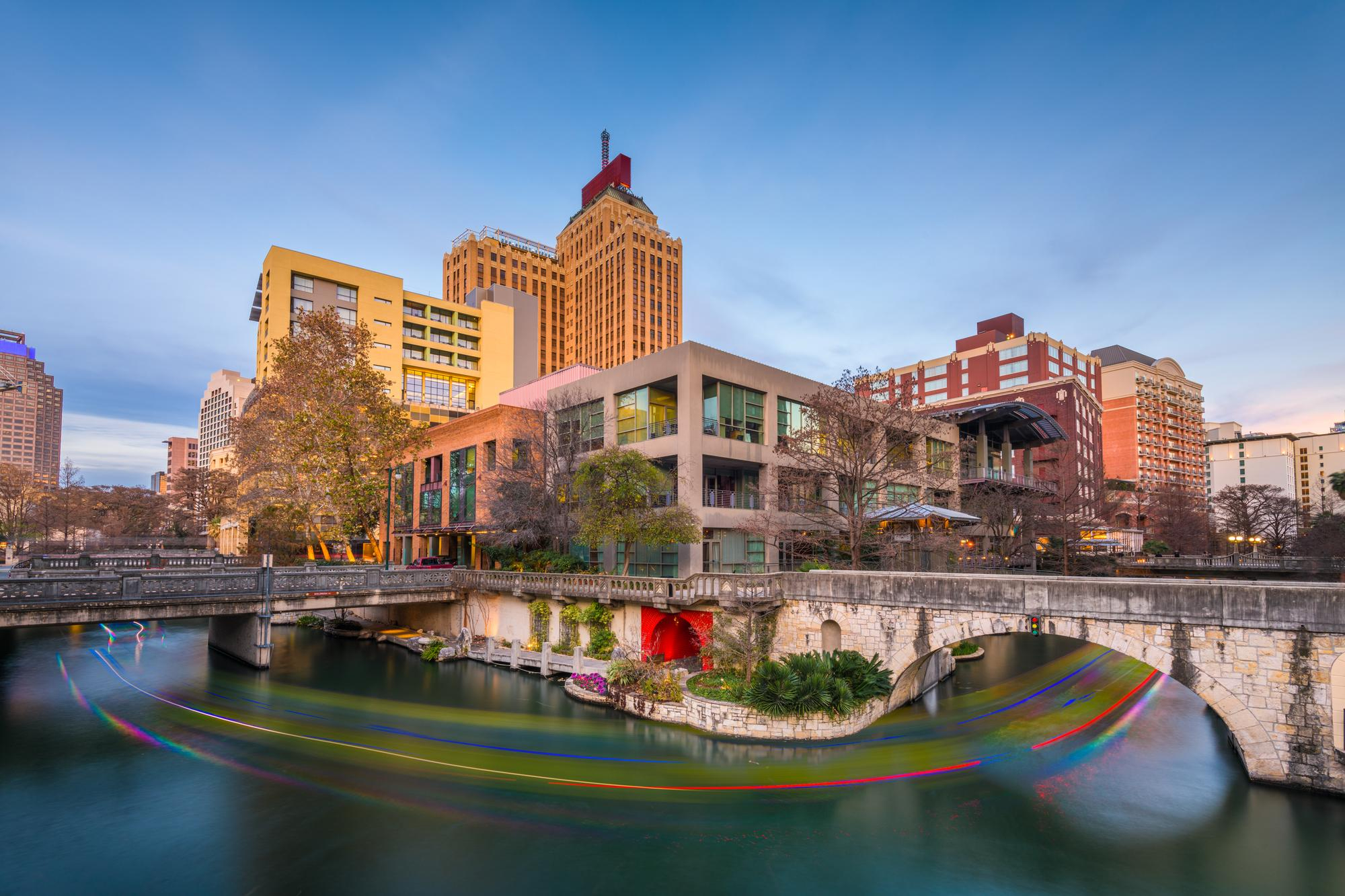
The 20th century brought significant changes to San Antonio, with rapid urbanization and modernization. The city expanded its infrastructure, built new neighborhoods, and developed its downtown area. The construction of the River Walk in the 1930s transformed San Antonio’s urban landscape, creating a picturesque network of walkways along the San Antonio River and becoming a major tourist attraction.

San Antonio Today: A City of Innovation

Today, San Antonio is a thriving modern city known for its innovation and economic vitality. It is home to a diverse economy, with key industries including healthcare, biotechnology, and cybersecurity. The city’s commitment to education and research is evident in institutions like the University of Texas at San Antonio and the Texas Biomedical Research Institute.

Preserving History While Embracing the Future

San Antonio’s evolution is marked by a careful balance between preserving its rich history and embracing modernity. The city is dedicated to maintaining its historic sites, such as the Alamo and the other missions, which are designated as UNESCO World Heritage Sites. At the same time, San Antonio continues to invest in sustainable development and technology, ensuring a bright future for its residents.

Conclusion

From its beginnings as a series of Spanish missions to its current status as a dynamic and diverse city, San Antonio’s evolution is a testament to its resilience and adaptability. The city has successfully preserved its historical roots while fostering a spirit of innovation and growth. As San Antonio looks to the future, it remains a city that values its past and embraces the opportunities of the modern world.

The Evolution of City Architecture: Urban Jungles

pivot62.com – “Urban Jungles: The Evolution of City Architecture” is a phrase that encapsulates the transformation of urban landscapes over time, highlighting the dense, complex, and often imposing nature of modern cityscapes. This concept can be explored through various lenses, including historical development, architectural styles, urban planning, and the impact on society and the environment.

Historical Development

Cities have evolved from ancient settlements to the sprawling metropolises of today. The evolution of city architecture reflects technological advancements, changes in societal needs, and shifts in cultural and aesthetic values. From the grid patterns of ancient cities like Mohenjo-Daro to the towering skyscrapers of Dubai, the urban jungle has taken many forms.

Architectural Styles

The architecture of cities has been shaped by various styles, each leaving its mark on the urban landscape. Gothic cathedrals, Art Deco skyscrapers, Brutalist government buildings, and modern glass towers are just a few examples of how architectural movements have influenced cityscapes. Each style brings its unique aesthetic and functional approach to urban living.

Urban Planning

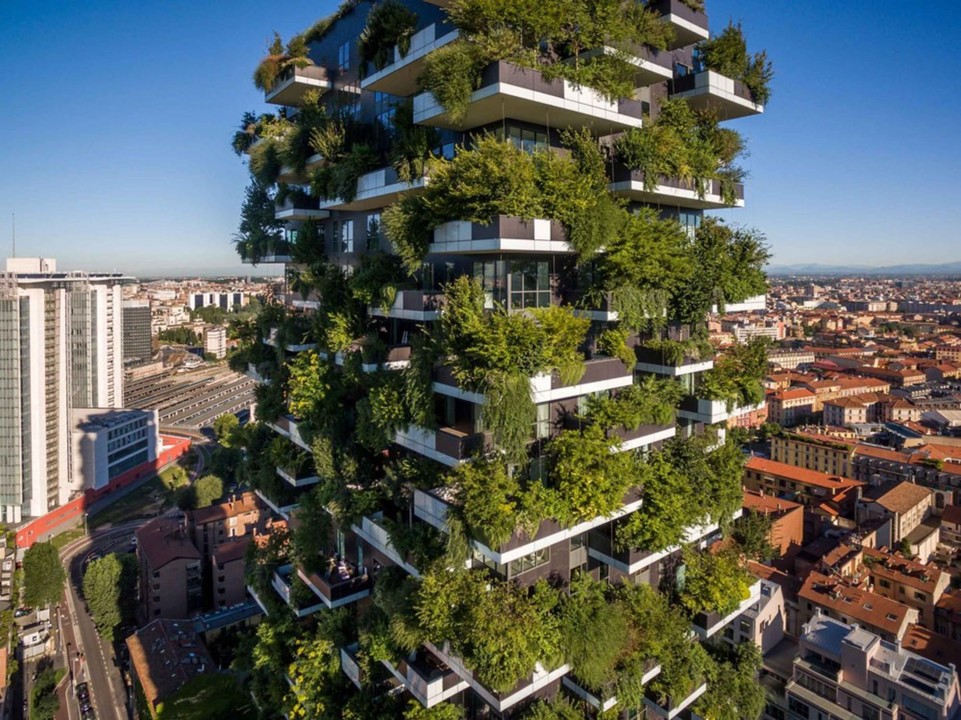
Urban planning plays a crucial role in the evolution of city architecture. The layout of streets, the zoning of different areas, and the integration of green spaces all impact the character and functionality of urban environments. The Garden City movement, New Urbanism, and smart city concepts are examples of planning philosophies that have influenced the development of cities.

Impact on Society and the Environment

The evolution of city architecture has profound implications for society and the environment. High-density living can foster community and cultural exchange but also poses challenges in terms of social inequality and mental health. Environmentally, cities face issues such as pollution, heat islands, and the consumption of resources. Sustainable architecture and urban design seek to address these challenges, promoting green buildings, renewable energy, and livable public spaces.

Conclusion

“Urban Jungles: The Evolution of City Architecture” is a testament to human ingenuity and adaptation. As cities continue to grow and evolve, the challenge lies in creating urban environments that are not only architecturally innovative and aesthetically pleasing but also sustainable, inclusive, and responsive to the needs of their inhabitants and the planet. The future of city architecture will likely see a blend of traditional and futuristic elements, with a strong emphasis on environmental stewardship and social equity.

Evolution of a Dream: Disneyland Through the Decades

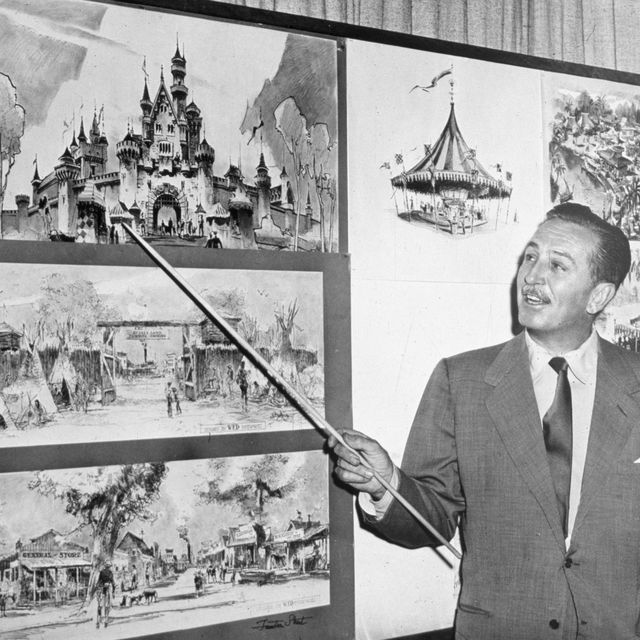
From its inception in 1955, Disneyland has been a symbol of innovation, imagination, and family entertainment. Conceived by Walt Disney as a place where both children and adults could experience the stories and characters from Disney films in real life, Disneyland has evolved over the decades, reflecting changes in technology, culture, and the Walt Disney Company itself. This article explores the evolution of Disneyland, tracing its journey from a post-war amusement park to a global icon of theme park entertainment.

The 1950s: A Dream is Born

Disneyland opened its gates on July 17, 1955, in Anaheim, California. The park was divided into themed “lands”: Main Street, U.S.A., Fantasyland, Frontierland, Adventureland, and Tomorrowland. Each land was designed to immerse guests in different eras and stories, from fairy tales to the Wild West. The opening day was marred by technical problems and overcrowding, but Walt Disney’s vision quickly captured the public’s imagination, and Disneyland became a must-visit destination.

The 1960s: Expansion and Innovation

The 1960s saw the introduction of new attractions and lands, including the Submarine Voyage, the Matterhorn Bobsleds, and the Monorail, which showcased Disney’s commitment to innovation and technology. In 1966, New Orleans Square was added, featuring the Pirates of the Caribbean ride, which would become one of the park’s most beloved attractions. Walt Disney’s death in 1966 marked the end of an era, but his vision continued to guide the park’s development.

The 1970s and 1980s: Growth and Change

The 1970s brought the addition of the Haunted Mansion and the Country Bear Jamboree, while the 1980s saw the introduction of Space Mountain, a major expansion of Fantasyland, and the creation of Mickey’s Toontown and Disneyland’s first parade. These decades also saw the park’s first major overhaul, with the renovation of Tomorrowland and the introduction of new technologies like Audio-Animatronics, which enhanced the guest experience.

The 1990s and 2000s: A New Millennium

The 1990s and 2000s were marked by significant changes and expansions. The Disneyland Resort was established with the opening of Disney California Adventure Park in 2001, offering guests a chance to explore the history and culture of California. Disneyland itself continued to evolve, with the addition of new lands like Critter Country and the reimagining of Tomorrowland. The park also embraced new technologies, including virtual reality and advanced animatronics, to create more immersive experiences.

The 2010s and Beyond: A Global Phenomenon

In the 2010s, Disneyland continued to expand its reach, both physically and culturally. The Star Wars franchise was integrated into the park with the opening of Star Wars: Galaxy’s Edge, a land that allows guests to step into the Star Wars universe. Disney California Adventure Park underwent a major transformation, with the addition of attractions like the Guardians of the Galaxy ride and the revamping of Paradise Pier.

As Disneyland looks to the future, it continues to evolve, with plans for new attractions and experiences that reflect the changing landscape of entertainment and technology. The park’s commitment to storytelling, innovation, and family fun remains unchanged, ensuring that Walt Disney’s dream continues to inspire new generations.

Disneyland’s evolution through the decades is a testament to its enduring appeal and the power of imagination. From its humble beginnings as a single theme park, Disneyland has grown into a global phenomenon, with parks around the world sharing the magic that started in Anaheim. As it continues to evolve, Disneyland remains a place where dreams come true, a legacy that Walt Disney would undoubtedly be proud of.