
The Voice: A Captivating Journey of Musical Talent & Discovery

pivot62.com – “The Voice” has become a global phenomenon, revolutionizing the way we discover and appreciate musical talent. This hit television show, which first premiered in the Netherlands in 2010, has since been adapted in over 60 countries, including the United States, the United Kingdom, Australia, and many others. The format’s unique approach to talent competition has struck a chord with audiences worldwide, offering a fresh perspective on the traditional singing competition genre.

The Concept Behind The Voice

At its core, “The Voice” is a singing competition that aims to find the world’s next great vocal talent. What sets it apart from other talent shows is its emphasis on the quality of the contestants’ voices, rather than their physical appearance or stage presence. The show’s innovative “blind audition” format, where judges initially face away from the performers and only turn their chairs if they like what they hear, ensures that the decision to advance an artist is based purely on vocal ability.

The Coaches and Their Role

A key component of “The Voice” is its panel of coaches, which typically consists of well-known musicians and industry professionals. These coaches not only judge the performances but also mentor and guide the contestants throughout the competition. The dynamic between the coaches and their teams adds a layer of personal investment to the show, as viewers get to see the development of the artists under their mentorship.

The Journey of the Contestants

Contestants on “The Voice” embark on a journey that begins with the blind auditions. Those who successfully turn a chair and join a coach’s team then compete in battle rounds, knockouts, and live performances, with the public and the coaches voting to determine who advances. The journey is as much about personal growth as it is about vocal prowess, with many contestants finding their voice and gaining confidence as they progress.

The Impact of The Voice

“The Voice” has had a significant impact on the music industry, launching the careers of numerous artists who have gone on to achieve significant success. The show’s ability to unearth talent from diverse backgrounds and genres has broadened the musical landscape, offering a platform for artists who might otherwise have struggled to be heard.

Moreover, “The Voice” has fostered a sense of community among music lovers, bringing together audiences from all walks of life to celebrate the universal language of music. The show’s format, which encourages collaboration and mentorship, has also set a precedent for how talent competitions can be conducted with integrity and respect for the artists involved.

Conclusion

“The Voice” is more than just a television show; it’s a cultural phenomenon that has redefined the way we discover and appreciate musical talent. Through its innovative format, emphasis on vocal ability, and the guidance of esteemed coaches, it has provided a platform for artists to share their voices with the world. As the show continues to evolve and inspire, its legacy as a beacon for musical talent and discovery is sure to endure.
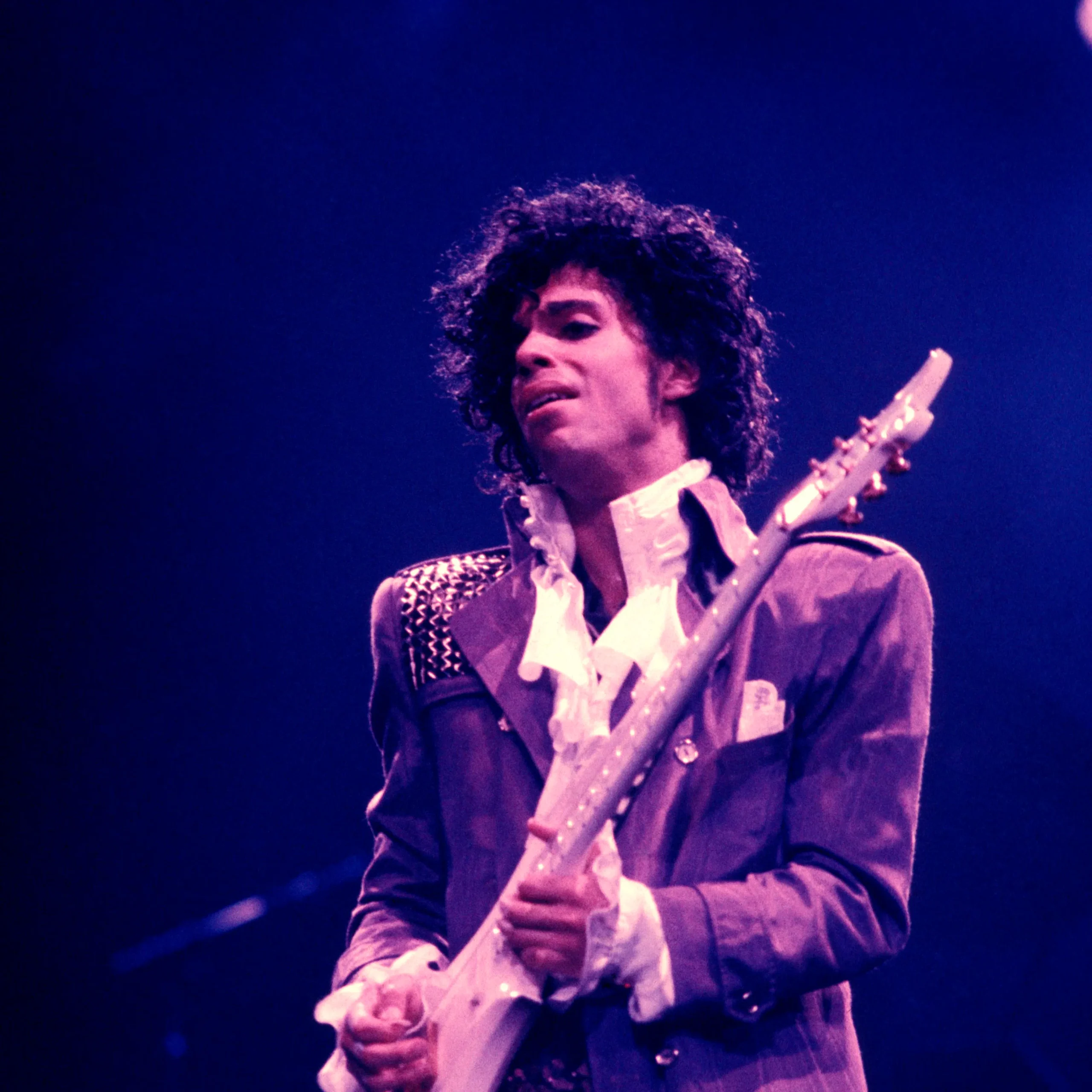
Prince: Purple Reign of Musical Talent

Prince Rogers Nelson, known to the world simply as Prince, was a musical prodigy whose influence transcended genres, breaking barriers and redefining the landscape of popular music. Born on June 7, 1958, in Minneapolis, Minnesota, Prince’s journey from a precocious child with a guitar to a global icon was nothing short of extraordinary. His untimely death on April 21, 2016, left a void in the music industry, but his legacy continues to inspire and influence artists and fans alike.

Prince’s career spanned more than four decades, during which he released more than 39 studio albums, sold over 100 million records worldwide, and earned seven Grammy Awards, an Academy Award, and a spot in the Rock and Roll Hall of Fame. His music was a fusion of rock, R&B, pop, funk, soul, and hip-hop, making him one of the most versatile and innovative artists of his time.

One of Prince’s most iconic moments came in 1984 with the release of “Purple Rain,” both the album and the film. The soundtrack, which included hits like “When Doves Cry” and the title track, won two Grammy Awards and an Oscar for Best Original Score. The film, which starred Prince alongside Apollonia Kotero and Morris Day, showcased his talents not only as a musician but also as an actor and filmmaker.

Prince was known for his flamboyant stage presence and his distinctive fashion sense, which included his signature ruffled shirts, high-heeled boots, and the iconic purple suit from “Purple Rain.” His androgynous look and open discussions about sexuality and gender fluidity made him a trailblazer in the fight for LGBTQ+ rights.

Beyond his music and fashion, Prince was a prolific songwriter, penning hits for other artists, including “Manic Monday” for The Bangles and “Nothing Compares 2 U,” famously covered by Sinead O’Connor. His ability to craft songs that resonated with a wide audience demonstrated his deep understanding of music and emotion.

Prince’s commitment to artistic control was evident in his battles with record labels over the rights to his music. In 1993, he famously changed his name to an unpronounceable symbol, often referred to as the “Love Symbol,” in protest against his record label, Warner Bros. This period, marked by legal disputes and a refusal to release new music, showed Prince’s determination to maintain ownership of his work.

Despite his legal battles, Prince remained prolific, releasing albums that continued to push the boundaries of music. His later work, including “Musicology” (2004) and “20Ten” (2010), showed that he had lost none of his creative edge or passion for music.

Prince’s death at the age of 57 shocked the world, but his legacy lives on. His music continues to be celebrated and discovered by new generations, and his influence can be heard in the work of countless artists. Prince was more than just a musician; he was a visionary whose impact on music, fashion, and culture will be felt for generations to come.

In the words of one of his most famous songs, Prince will indeed “party like it’s 1999,” forever immortalized in the hearts of his fans and in the annals of music history. His life and work serve as a testament to the power of creativity, the importance of artistic freedom, and the enduring legacy of a true musical genius.