Maleficent: The Dark Fairy – Origins and Character Design

pivot62.com – Maleficent, known as “The Dark Fairy,” is one of Disney’s most iconic and complex villains. Originating from the classic animated film “Sleeping Beauty,” Maleficent has captivated audiences with her striking appearance and formidable magical powers. This article delves into Maleficent’s character, exploring her origins, motivations, and the impact she has had on popular culture.

Origins and Character Design

Maleficent first appeared in Disney’s 1959 animated film “Sleeping Beauty,” based on Charles Perrault’s fairy tale and the Brothers Grimm’s version. She is characterized by her dramatic, dark attire, horned headdress, and flowing cape, which contribute to her menacing presence. Her design, inspired by medieval and gothic art, emphasizes her role as a powerful and sinister force.

Personality and Powers

Maleficent is portrayed as a vengeful and cunning fairy, wielding immense magical abilities. Her powers include shape-shifting, weather manipulation, and the casting of powerful curses. Driven by a desire for revenge after being snubbed by King Stefan and Queen Leah, Maleficent curses their daughter, Princess Aurora, to fall into an eternal sleep upon pricking her finger on a spinning wheel. Her motivations are rooted in a sense of betrayal and a desire to assert her dominance.

Role in “Sleeping Beauty”

In “Sleeping Beauty,” Maleficent serves as the central antagonist, orchestrating a plan to ensure Aurora’s fate is sealed. Her actions drive the plot forward, creating a sense of urgency for the other characters to prevent the curse from taking effect. Despite her villainous intentions, Maleficent’s character exudes a certain charisma and elegance, making her a compelling figure to audiences.

Reimagining and Redemption

The 2014 live-action film “Maleficent” reimagined the character, providing a backstory and exploring her complexities. Portrayed by Angelina Jolie, Maleficent is depicted as a misunderstood figure whose actions stem from past trauma and betrayal. This reinterpretation adds depth to her character, transforming her from a one-dimensional villain into a multifaceted anti-heroine.

Cultural Impact

Maleficent has become a cultural icon, representing the archetype of the “dark fairy” in popular media. Her image is synonymous with elegance and power, and she has been featured in various adaptations, merchandise, and theme park attractions. Maleficent’s character has inspired discussions on the nature of villainy and the possibility of redemption, influencing how villains are portrayed in modern storytelling.

Conclusion

Maleficent, The Dark Fairy, remains a towering figure in the pantheon of Disney villains. Her blend of beauty, power, and complexity continues to captivate audiences, ensuring her place in the annals of cinematic history. As interpretations of her character evolve, Maleficent’s legacy as both a villain and a misunderstood figure underscores the enduring appeal of stories that challenge traditional notions of good and evil.
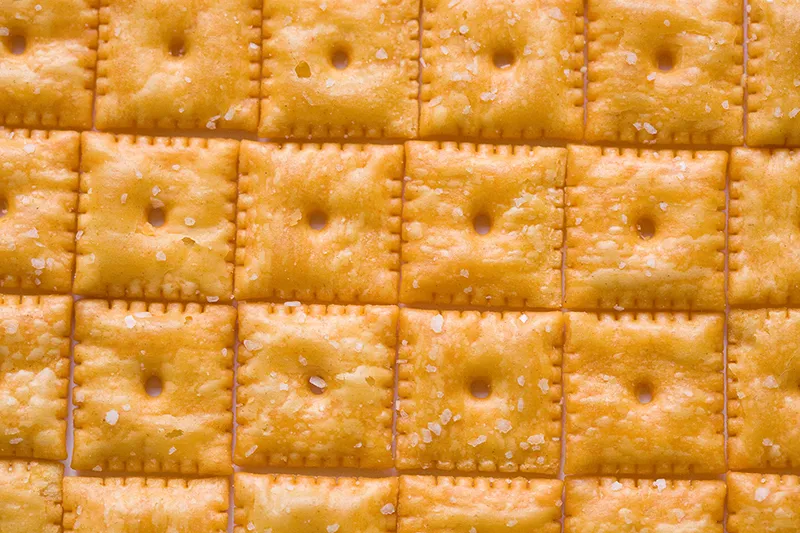
Unveiling the Origins of Your Favorite Treats: Snacktime Stories

Snacktime is a universal pleasure, a moment of indulgence that breaks the monotony of the day. From the crunch of a freshly baked cookie to the sweet tang of a gummy bear, each snack has a story that’s as rich and satisfying as the treat itself. These stories often span centuries, continents, and cultures, reflecting the evolution of human tastes and ingenuity. In this article, we’ll explore the fascinating origins of some of the world’s most beloved snacks, uncovering the historical, cultural, and sometimes accidental moments that led to their creation.

The Humble Cookie:
The cookie, in its various forms, has been around for thousands of years. The ancient Persians are credited with inventing the cookie as we know it, using them to carry spices and flavors. The term “cookie” itself comes from the Dutch word “koekje,” meaning “little cake.” Cookies were initially hard and durable, making them ideal for long sea voyages. Over time, they evolved into the soft, chewy, and sweet treats we enjoy today, with each region adding its unique twist, from the buttery shortbread of Scotland to the spiced gingerbread of Germany.

The Sweet Tale of Chocolate:
Chocolate’s journey from a bitter drink in ancient Mesoamerica to the beloved candy bar is a tale of exploration and innovation. The Mayans and Aztecs revered cacao beans, using them as currency and to make a frothy, bitter drink. It wasn’t until the Spanish conquistadors brought chocolate to Europe that it began its transformation into the sweet treat we know today. The addition of sugar, milk, and vanilla in the 17th and 18th centuries revolutionized chocolate, leading to the creation of solid chocolate bars in the 19th century, thanks to the invention of the cocoa press by Dutch chemist Coenraad Johannes van Houten.

The Accidental Invention of Potato Chips:
Potato chips, or crisps as they’re known in some parts of the world, owe their existence to an act of culinary defiance. Legend has it that in 1853, a customer at Moon’s Lake House in Saratoga Springs, New York, complained that his fried potatoes were too thick. Chef George Crum, frustrated by the repeated complaints, sliced the potatoes paper-thin and fried them to a crisp, intending to mock the customer. To his surprise, the customer loved them, and the “Saratoga Chips” became a sensation, eventually leading to the mass-produced snack we enjoy today.

The Global Phenomenon of Instant Noodles:
Instant noodles, a staple in pantries around the world, were invented by Momofuku Ando in Japan in 1958. Ando, the founder of Nissin Foods, was inspired by the long lines for ramen after World War II. He wanted to create a quick, affordable, and easy-to-prepare noodle that would satisfy the hunger of the masses. After two years of experimentation, he invented the flash-frying technique that dehydrates the noodles, making them easy to cook and store. The result was “Chicken Ramen,” the first instant noodle product, which quickly became a global phenomenon.

The Colorful History of Gummy Bears:
Gummy bears, the chewy, fruity treats, were invented in 1922 by Hans Riegel, the founder of Haribo, in Bonn, Germany. Originally called “Dancing Bear” candies, they were inspired by the popular dancing bear shows of the time. The original gummy bears were much firmer than today’s versions and came in one flavor, fruit. Over the years, the recipe was perfected, and the bears became softer and more flavorful, leading to a variety of gummy shapes and flavors that have delighted children and adults alike.

Conclusion:
The stories behind our favorite snacks are as diverse and delightful as the treats themselves. From the ancient origins of cookies to the accidental invention of potato chips, each snack has a unique history that reflects the creativity and cultural influences of its creators. As we reach for that bag of chips or unwrap a chocolate bar, we can appreciate the journey that these simple pleasures have taken to become an integral part of our daily lives. So next time you indulge in a snack, take a moment to savor not just the taste, but the story behind it.