
Marmot Food: The Diet of These Ground-Dwelling Herbivores

pivot62.com – Marmots are large, ground-dwelling rodents found in mountainous regions and meadows across the Northern Hemisphere. Known for their hibernation habits and social nature, marmots are herbivores that rely on a plant-based diet for survival. Their eating habits are influenced by seasonal changes, as they must consume enough food to store fat reserves for their long hibernation period. This article explores the diet of marmots, the types of food they prefer, and how their feeding behavior adapts to their environment.

1. Marmot Diet Overview: Primarily Herbivorous

Marmots are strictly herbivorous, meaning their diet consists almost entirely of plant matter. They feed on grasses, flowers, and other vegetation that grows in their alpine or meadow habitats. Marmots are grazers and spend a significant portion of their active months consuming food to prepare for hibernation.

Key Components of a Marmot’s Diet:

  • Grasses and herbs: The bulk of their diet.
  • Flowers: Consumed for added nutrients and variety.
  • Vegetables: Leaves, stems, and roots of various plants.
  • Fruits and berries: Seasonal foods that provide additional nutrients.

Their diet is entirely plant-based, and marmots graze throughout the day to meet their nutritional needs.

2. Grasses and Herbs: The Staple of a Marmot’s Diet

Grasses and herbs make up the majority of a marmot’s diet. These foods provide the essential carbohydrates, fiber, and nutrients marmots need for energy and overall health. Marmots graze on a variety of grasses found in their habitats.

Common Grasses and Herbs Eaten by Marmots:

  • Timothy grass: A favorite food source in alpine meadows.
  • Fescue grass: Frequently found in marmot habitats.
  • Clover: A highly nutritious herb that marmots enjoy.
  • Dandelions: Both the leaves and flowers are eaten by marmots.

These plants are abundant in the mountainous regions where marmots live, making them an essential part of their daily diet.

3. Flowers: Nutrient-Rich Seasonal Treats

During the warmer months, marmots also consume flowers, which provide additional nutrients like vitamins and minerals. Flowers are especially important during the summer when they are plentiful in alpine meadows.

Common Flowers Eaten by Marmots:

  • Buttercups: A colorful addition to a marmot’s diet.
  • Asters: Marmots enjoy grazing on these wildflowers.
  • Daisies: Found in meadows, daisies are eaten by marmots for variety.
  • Alpine wildflowers: Marmots feed on a range of wildflowers that grow in high-altitude environments.

Flowers add diversity to the marmot’s diet, giving them access to a wider range of nutrients.

4. Vegetables and Plant Matter: An Important Food Source

Marmots also eat other parts of plants, including leaves, stems, and roots. These foods help marmots meet their nutritional needs, particularly when grasses are less abundant.

Common Plant Matter Eaten by Marmots:

  • Plant stems: Marmots will eat the stems of various meadow plants.
  • Leaves: Tender leaves from a variety of plants are a key part of their diet.
  • Roots: Marmots sometimes dig up and eat the roots of certain plants, particularly when other food is scarce.

These plant materials provide fiber and additional nutrients that help marmots maintain their health throughout the year.

5. Fruits and Berries: Occasional Delicacies

Although not a major part of their diet, marmots do eat fruits and berries when they are available. These foods are more common in late summer and early fall and provide important sugars and vitamins.

Common Fruits and Berries Eaten by Marmots:

  • Wild berries: Marmots consume berries such as blackberries or raspberries.
  • Alpine fruits: In some regions, marmots may eat fruits like wild apples or small alpine fruits.

These foods are typically consumed when they are abundant, offering marmots a sweet, energy-rich snack before hibernation.

6. Feeding Behavior: Preparing for Hibernation

Marmots are known for their preparation for hibernation, which typically lasts from late fall until early spring. During their active months, marmots consume large amounts of food to build up fat reserves. They can spend up to 60% of their waking hours foraging for food in the summer.

Hibernation and Fat Storage:

  • Weight gain: Marmots need to double or triple their body weight in fat to survive the winter months.
  • Foraging intensity: As winter approaches, marmots increase the amount of time they spend eating.

This feeding behavior is crucial to their survival, as marmots rely entirely on their fat stores to last through the long hibernation period.

7. Seasonal Changes in Diet

The availability of food changes with the seasons, which directly impacts what marmots eat. In the spring and early summer, marmots focus on eating fresh grasses and herbs. As the season progresses, they turn to flowers, fruits, and other plants that become available. By late summer and early fall, marmots are in a feeding frenzy, consuming as much food as possible to prepare for hibernation.

Seasonal Foods:

  • Spring: Fresh grasses and herbs.
  • Summer: Grasses, flowers, and some fruits.
  • Fall: Late-season berries, plants, and root vegetables.

Marmots must take advantage of each season’s offerings to ensure they have enough food to store fat for the winter.

8. Feeding Marmots in Captivity

If you are caring for a marmot in captivity, it’s important to provide a diet that closely resembles their natural food sources. Fresh grasses, leafy greens, and vegetables should make up the bulk of their diet, with occasional treats of fruits and flowers.

Ideal Foods for Captive Marmots:

  • Fresh grass: Provide a variety of grasses similar to what they would eat in the wild.
  • Leafy greens: Dandelion greens, clover, and timothy hay are good options.
  • Vegetables: Offer carrots, sweet potatoes, and other root vegetables.
  • Fruits: Small amounts of apples or berries as occasional treats.

Always ensure they have access to fresh water and avoid feeding them processed or sugary foods.

9. Conclusion

Marmots are herbivores with a plant-based diet that includes grasses, flowers, fruits, and vegetables. Their feeding behavior is closely linked to the seasons, with their diet shifting to match the availability of different plants throughout the year. As they prepare for hibernation, marmots consume large quantities of food to build up the fat reserves they need to survive the long winter. Whether in the wild or captivity, marmots require a varied and nutritious diet to thrive. Understanding their dietary needs helps support their health and well-being throughout the year.
Street Food in Houston: A Exploration of Authentic Mexican Flavors

pivot62.com – Houston, with its vibrant culture and diverse population, is a melting pot of culinary traditions. Among the many food scenes in the city, the street food culture stands out for its authentic Mexican flavors. Houston’s street food is a testament to the city’s rich Mexican heritage, offering a variety of delicious and convenient options that reflect the diversity and depth of Mexican cuisine.

The History of Mexican Street Food in Houston

The history of Mexican street food in Houston is intertwined with the city’s growth and its close proximity to the Mexican border. As Mexican immigrants settled in Houston, they brought with them their culinary traditions, including the art of street food. Over the years, these traditions have evolved, blending with local tastes and ingredients to create a unique Houston-style Mexican street food scene.

Tacos: The Heart of Houston’s Mexican Street Food

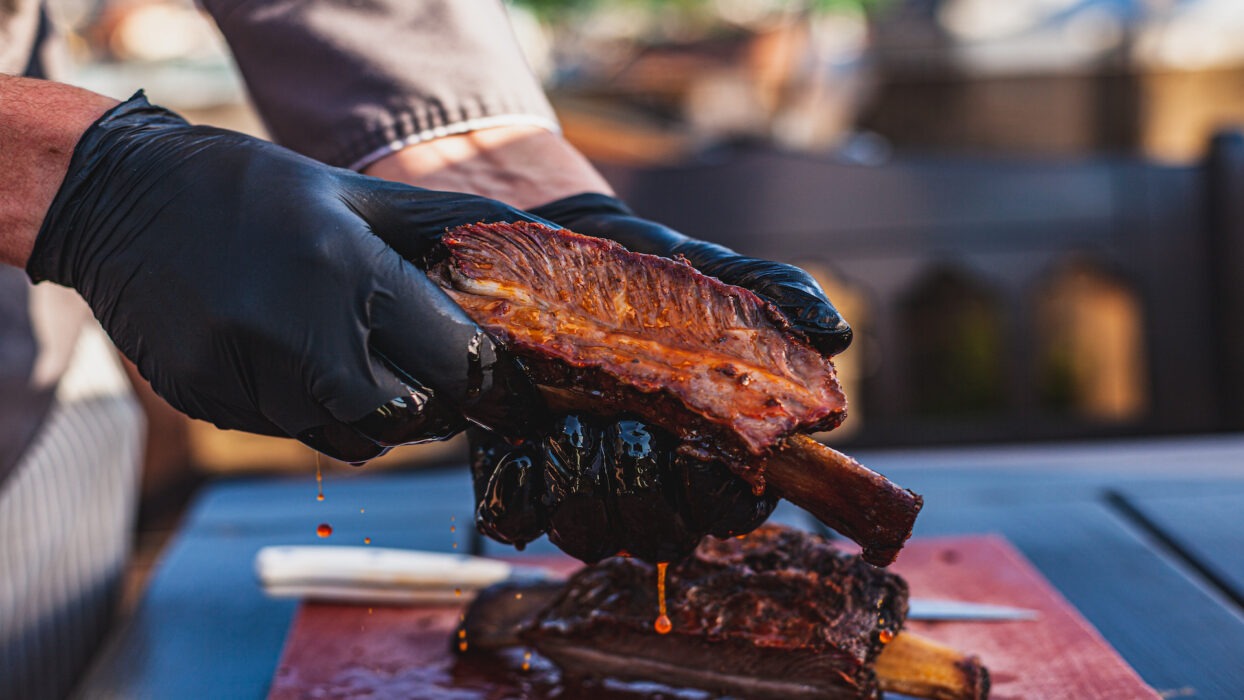
Tacos are the quintessential Mexican street food, and Houston does them justice with a variety of styles and fillings. From the classic al pastor, marinated pork cooked on a spit, to the more adventurous lengua, beef tongue, Houston’s taco scene offers something for every palate. The art of the taco lies in the balance of flavors, textures, and the quality of the ingredients, making each bite a delightful experience.

The Art of the Taco

The art of making the perfect taco is a skill that Houston’s street food vendors have mastered. It starts with the tortilla, which can be made from corn or flour, depending on the regional style. The filling is then carefully prepared, often with a blend of spices and herbs that enhance the natural flavors of the meat or vegetables. Toppings such as onions, cilantro, and salsas add layers of flavor and texture, making each taco a culinary masterpiece.

Beyond Tacos: The Diversity of Houston’s Mexican Street Food

While tacos are the star of the show, Houston’s Mexican street food scene offers much more. Here are some other delicious options to explore:

Tamales

Tamales, steamed corn dough filled with meat, cheese, or vegetables, are a traditional Mexican dish that has found a home in Houston’s street food scene. Vendors often sell tamales by the dozen, making them a perfect snack or meal on the go.

Elote

Elote, or Mexican street corn, is a popular snack that has gained a cult following in Houston. Grilled corn on the cob is slathered in a creamy sauce, sprinkled with cheese, and seasoned with chili powder and lime juice, creating a mouthwatering combination of flavors.

Quesadillas

Quesadillas, tortillas filled with cheese and other ingredients, are another favorite among Houston’s street food enthusiasts. Vendors offer a variety of fillings, from classic chicken and beef to more innovative options like mushrooms and goat cheese.

The Future of Mexican Street Food in Houston

As Houston continues to embrace its diverse culinary traditions, the Mexican street food scene is evolving. Young chefs and entrepreneurs are introducing new flavors and techniques, blending traditional Mexican cuisine with international influences. Food trucks and pop-up stalls are becoming more common, providing a platform for these culinary explorations.

Conclusion

Houston’s Mexican street food scene is a vibrant and dynamic part of the city’s culinary landscape. From the classic tacos to the innovative quesadillas, the street food of Houston offers a delightful exploration of authentic Mexican flavors. Whether you’re a local or a visitor, the street food of Houston is an adventure not to be missed.

The Coffee That Comes With a Hefty Price Tag: Kopi Luwak

In the world of coffee connoisseurship, there exists a beverage that stands apart from the rest, not only for its unique flavor profile but also for its extraordinary production process and exorbitant price tag. This coffee is none other than Kopi Luwak, often referred to as the most expensive coffee in the world. Originating from the Indonesian islands, this coffee’s story is as intriguing as its taste, involving a peculiar animal, a meticulous harvesting process, and a global demand that has led to its high cost.

The Origins of Kopi Luwak:
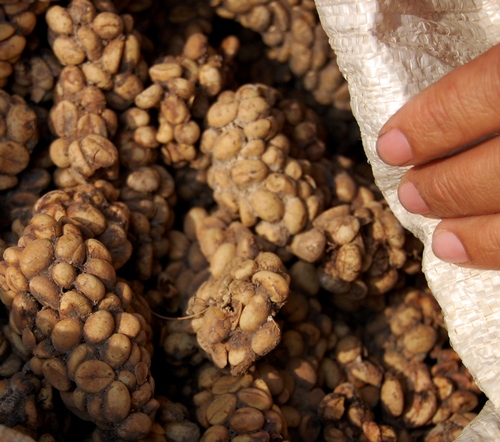
Kopi Luwak’s story begins with the Asian palm civet, a small, cat-like creature known locally as the luwak. These nocturnal mammals are native to the Indonesian islands, where they have a peculiar diet that includes coffee berries. The luwak consumes the berries, but during the digestion process, the beans inside the berries are left largely intact. These beans are then excreted by the luwak, and it is from this unusual source that the coffee gets its name.

The Unique Production Process:
The production of Kopi Luwak is unlike that of any other coffee. After the beans have been excreted by the luwak, local farmers collect them from the forest floor. The beans are then thoroughly washed to remove any remaining digestive enzymes and impurities. This washing process is crucial to ensure that the coffee does not taste like feces but instead develops a unique flavor profile that is attributed to the luwak’s digestive process.

The beans are then sun-dried, hulled, and roasted to bring out their complex flavors. The digestive enzymes of the luwak are believed to break down proteins that would normally turn into bitter acids during the roasting process, resulting in a coffee that is less acidic and has a smoother, more rounded taste.

The Hefty Price Tag:
The unique production process of Kopi Luwak, combined with its rarity, contributes to its high cost. The coffee can sell for hundreds of dollars per kilogram, making it one of the most expensive coffees in the world. The price is also driven up by the labor-intensive process of collecting the beans and the limited supply, as the luwak’s diet is not solely composed of coffee berries.

Ethical Concerns:
The high demand for Kopi Luwak has led to some ethical concerns regarding its production. In some cases, luwaks are captured and placed in battery cage systems, where they are force-fed coffee berries to increase production. This practice is detrimental to the animals’ welfare and has sparked a debate about the ethical implications of consuming Kopi Luwak.

To address these concerns, ethical coffee producers have begun to farm luwaks in more humane conditions, allowing them to roam freely and choose their diet, which includes coffee berries among other forest fruits. This approach ensures that the luwaks are not mistreated and that the coffee produced is truly a byproduct of the animals’ natural behavior.

Conclusion:
Kopi Luwak is a coffee that defies conventional production methods and has captured the imagination of coffee lovers worldwide. Its unique flavor, combined with its intriguing origin story, makes it a sought-after luxury item. However, the hefty price tag that accompanies this coffee is not just a reflection of its rarity and labor-intensive production process but also a reminder of the ethical considerations that should be taken into account when indulging in this exotic beverage. For those who can afford it and are willing to support ethical sourcing, Kopi Luwak offers a taste experience that is truly one of a kind.