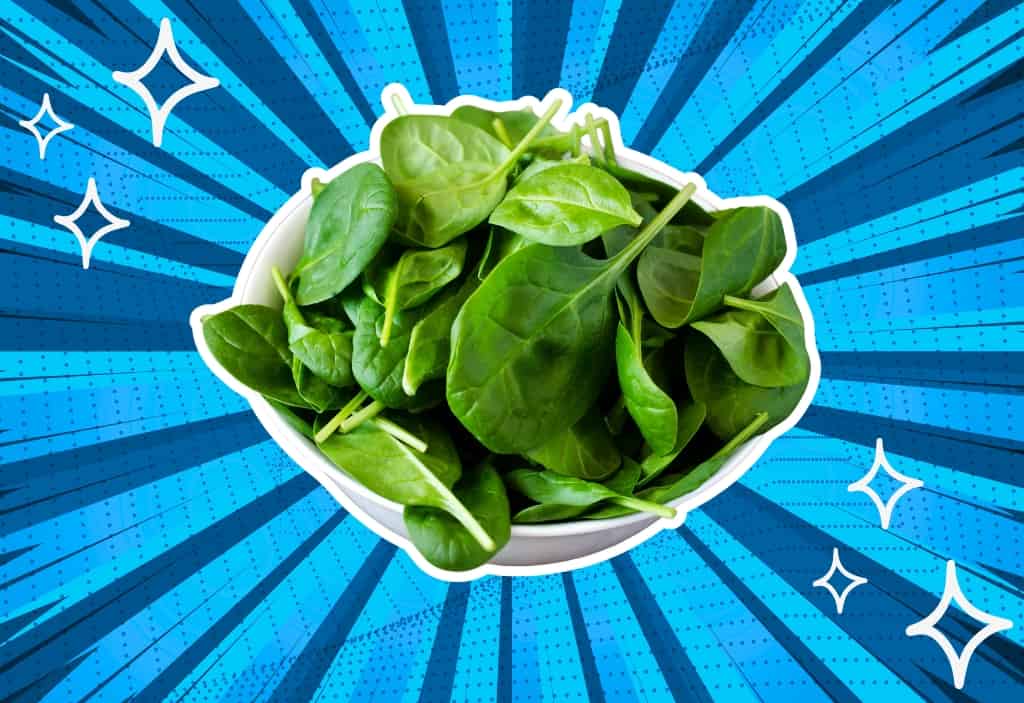
pivot62.com – Leafy green vegetables, including the ever-popular spinach, are nutritional powerhouses packed with vitamins, minerals, and antioxidants. These versatile greens form an integral part of healthy diets worldwide, offering a wide array of culinary applications, from fresh salads to cooked dishes like flavorful sauces, stews, and sides. This article explores the world of spinach and other leafy greens, delving into their varieties, nutritional benefits, culinary uses, and tips for incorporating them into your diet.
A World of Greens: Exploring the Variety
The term “leafy greens” encompasses a diverse group of vegetables, each with unique characteristics and nutritional profiles. Some of the most commonly consumed leafy greens include:
- Spinach (Spinacia oleracea): Known for its mild flavor and tender leaves, spinach is a versatile green that can be eaten raw or cooked.
- Kale (Brassica oleracea var. sabellica): A member of the cabbage family, kale is known for its slightly bitter flavor and sturdy leaves. It is often enjoyed in salads, smoothies, and cooked dishes.
- Collard Greens (Brassica oleracea var. viridis): Another member of the cabbage family, collard greens have a slightly bitter flavor and are often cooked slowly with smoked meats or other flavorings.
- Mustard Greens (Brassica juncea): These greens have a peppery, pungent flavor and are often cooked or added to salads.
- Romaine Lettuce (Lactuca sativa var. longifolia): A popular lettuce variety with crisp, elongated leaves, commonly used in salads like Caesar salad.
- Arugula (Eruca vesicaria): Also known as rocket, arugula has a peppery, slightly nutty flavor and is often used in salads and as a garnish.
- Swiss Chard (Beta vulgaris subsp. cicla): A leafy green related to beets, Swiss chard has a slightly bitter flavor and colorful stems.
- Turnip Greens (Brassica rapa subsp. rapa): The leafy tops of turnips, these greens have a slightly bitter and peppery flavor.
Nutritional Benefits: A Treasure Trove of Nutrients
Leafy greens are packed with essential nutrients that contribute to overall health and well-being.
- Vitamins: Leafy greens are excellent sources of vitamins A, C, K, and folate.
- Minerals: They are rich in minerals such as iron, calcium, potassium, and magnesium.
- Fiber: Leafy greens are high in fiber, which promotes digestive health and helps regulate blood sugar levels.
- Antioxidants: They contain various antioxidants, which help protect the body against cell damage.
- Low in Calories: Leafy greens are very low in calories, making them a great addition to weight-management diets.
Culinary Uses: From Fresh to Cooked
Leafy greens are incredibly versatile in the kitchen, offering a wide range of culinary applications.
- Salads: Many leafy greens, such as spinach, romaine lettuce, and arugula, are commonly eaten raw in salads.
- Smoothies: Leafy greens can be blended into smoothies for a nutritional boost.
- Sautéed or Stir-Fried: Leafy greens can be quickly sautéed or stir-fried with other vegetables, garlic, and spices.
- Steamed or Boiled: Leafy greens can be steamed or boiled until tender.
- Soups and Stews: Leafy greens can be added to soups and stews for added flavor and nutrition.
- Sauces: Leafy greens, particularly spinach, can be pureed into sauces, adding a vibrant green color and nutritional value. Examples include palak paneer (spinach and cheese) and creamed spinach.
- Baked Dishes: Leafy greens can be incorporated into baked dishes such as quiches, pies, and gratins.
Cooking Leafy Greens: Tips and Techniques
When cooking leafy greens, it’s important to avoid overcooking them, as this can make them mushy and reduce their nutritional value.
- Washing: Thoroughly wash leafy greens to remove any dirt or debris.
- Sautéing: Sautéing leafy greens in a little oil or butter is a quick and easy way to cook them.
- Steaming: Steaming leafy greens helps to retain their nutrients and vibrant color.
- Boiling: If boiling, use a minimal amount of water and cook for a short time.
Incorporating Leafy Greens into Your Diet
There are many ways to incorporate more leafy greens into your diet:
- Add spinach to your morning smoothie.
- Use romaine lettuce for wraps or sandwiches.
- Add kale to soups and stews.
- Sauté spinach or other greens as a side dish.
- Use arugula as a topping for pizza or pasta.
- Make a large salad with a variety of leafy greens.
Specific Examples of Leafy Green Sauces
- Palak Paneer (Indian): A creamy spinach sauce with paneer (Indian cheese).
- Creamed Spinach (Western): A classic side dish made with spinach, cream, and seasonings.
- Pesto (Italian): While traditionally made with basil, some variations use spinach or other greens.
- Green Goddess Dressing (American): A creamy dressing made with herbs, including parsley and often spinach.
Conclusion: A Vital Part of a Healthy Diet
Spinach and other leafy greens are an essential part of a healthy and balanced diet. Their rich nutritional content and culinary versatility make them a valuable addition to any meal. By incorporating these vibrant greens into your daily meals, you can reap their numerous health benefits and enjoy their diverse flavors.
