Causes, Course, and Consequences: The First World War

pivot62.com -The First World War, also known as the Great War, was a global conflict that lasted from 1914 to 1918, involving most of the world’s great powers, which were divided into two opposing alliances: the Allies (based around the Triple Entente of France, Russia, and the United Kingdom) and the Central Powers (principally Germany, Austria-Hungary, and the Ottoman Empire). This war was a watershed moment in modern history, reshaping the geopolitical landscape, altering the course of empires, and setting the stage for the Second World War.

Causes

The causes of the First World War are complex and multifaceted, rooted in a mix of short-term triggers and long-term structural factors. Key among these are:

  • Militarism: The arms race, especially between Germany and Britain, and the glorification of military power and war, contributed to an environment where war was seen as a viable solution to international disputes.
  • Alliance System: The complex web of alliances and treaties, intended to safeguard nations, paradoxically made war more likely by ensuring that a conflict between two countries would draw in their respective allies.
  • Imperialism: The competition for colonies and spheres of influence, particularly in Africa and Asia, heightened tensions between the European powers.
  • Nationalism: The rise of nationalist movements, especially in the Balkans, created instability and rivalries, particularly within the Austro-Hungarian Empire.
  • The Assassination of Archduke Franz Ferdinand: The immediate catalyst for the war was the assassination of the heir to the Austro-Hungarian throne by a Serbian nationalist in Sarajevo on June 28, 1914. This event set off a chain reaction of ultimatums and mobilizations that led to war.

Course

The war can be divided into several phases:

  • 1914: The initial German advance through Belgium into France was halted at the Marne. The Eastern Front saw Russia invade East Prussia and Austria-Hungary.
  • 1915-1917: The war settled into a stalemate on the Western Front, characterized by trench warfare, with battles resulting in massive casualties for little territorial gain. The Eastern Front saw Russia pushed back by Germany, while the Ottoman Empire joined the Central Powers.
  • 1917: The United States entered the war on the side of the Allies after the sinking of civilian ships by German U-boats. Russia withdrew from the war after the Bolshevik Revolution.
  • 1918: The Allies launched a series of successful offensives on the Western Front, leading to the collapse of the Central Powers. Germany, facing internal unrest and military defeat, signed an armistice on November 11, 1918.

Consequences

The consequences of the First World War were profound and far-reaching:

  • Political: The war led to the collapse of four empires (German, Austro-Hungarian, Ottoman, and Russian), the emergence of new nation-states in Europe, and the spread of communism with the Russian Revolution.
  • Economic: The war devastated economies, leading to inflation, debt, and economic instability. The United States emerged as a leading economic power.
  • Social: The war had a significant impact on society, with millions dead or wounded, and a generation of young men lost. It also led to changes in gender roles and social norms.
  • Technological: The war accelerated technological innovation, including advances in medicine, aviation, and weaponry.
  • Diplomatic: The Treaty of Versailles, signed in 1919, imposed harsh penalties on Germany, sowing the seeds for future conflict. The League of Nations was established to prevent future wars but proved ineffective.

In conclusion, the First World War was a transformative event that reshaped the world in ways both immediate and long-term. Its causes, course, and consequences continue to be studied and debated, offering valuable lessons on the complexities of international relations, the costs of war, and the challenges of peace.


Safeguarding Our Digital Future: Cyber Security Frontiers

pivot62.com – In an era where digital transformation has become the cornerstone of modern society, the frontiers of cyber security have never been more critical. As we navigate the complexities of a hyper-connected world, the need to safeguard our digital future has become paramount. Cyber security is no longer just a concern for IT departments; it is a strategic imperative that affects every individual, organization, and nation. This article explores the cutting-edge developments and challenges at the forefront of cyber security, highlighting the measures we must take to protect our digital assets and maintain the integrity of our online ecosystem.

The Evolving Threat Landscape:
The cyber threat landscape is constantly evolving, with new vulnerabilities and attack vectors emerging at an unprecedented rate. Cybercriminals are becoming more sophisticated, employing advanced techniques such as artificial intelligence (AI) and machine learning to evade traditional security measures. State-sponsored hacking groups are leveraging zero-day exploits to target critical infrastructure and intellectual property. Additionally, the rise of the Internet of Things (IoT) and the proliferation of connected devices have expanded the attack surface, creating new entry points for malicious actors.

Advancements in Cyber Defense:
To counter these threats, the cyber security industry is pushing the boundaries of innovation. AI and machine learning are being harnessed to enhance threat detection and response, enabling security systems to adapt and learn from new patterns of attack. The development of next-generation firewalls, advanced endpoint protection, and cloud security solutions is providing robust defenses against modern threats. Moreover, the adoption of a zero-trust security model, which assumes breach and verifies every access attempt, is gaining traction as a proactive approach to securing digital environments.

The Role of Quantum Computing:
One of the most significant frontiers in cyber security is the advent of quantum computing. Quantum computers have the potential to revolutionize computing by solving complex problems that are currently intractable. However, they also pose a significant threat to current encryption standards, which rely on mathematical problems that are difficult for classical computers to solve. The race is on to develop quantum-resistant encryption algorithms that can withstand the power of quantum computers, ensuring the security of our digital communications in the post-quantum era.

The Human Element:
Despite technological advancements, the human factor remains the weakest link in the cyber security chain. Social engineering attacks, phishing schemes, and insider threats continue to exploit human vulnerabilities. Education and awareness are crucial in strengthening this link. Organizations must invest in training programs that empower employees to recognize potential threats and adopt best practices for digital hygiene.

Collaboration and Regulation:
The digital future requires a collaborative approach to cyber security. Governments, industry leaders, and cybersecurity experts must work together to establish international standards and frameworks that promote security and resilience. Regulations such as the General Data Protection Regulation (GDPR) in Europe and the Cybersecurity Law in China are steps in the right direction, but a more unified global effort is needed to address the borderless nature of cyber threats.

Conclusion:
Safeguarding our digital future is a complex and ongoing challenge that requires vigilance, innovation, and collaboration. As we stand at the frontiers of cyber security, we must embrace new technologies, strengthen our defenses, and foster a culture of security awareness. By doing so, we can protect our digital assets, maintain the trust of our digital ecosystem, and ensure a secure and prosperous digital future for all.

Unveiling the Origins of Your Favorite Treats: Snacktime Stories

Snacktime is a universal pleasure, a moment of indulgence that breaks the monotony of the day. From the crunch of a freshly baked cookie to the sweet tang of a gummy bear, each snack has a story that’s as rich and satisfying as the treat itself. These stories often span centuries, continents, and cultures, reflecting the evolution of human tastes and ingenuity. In this article, we’ll explore the fascinating origins of some of the world’s most beloved snacks, uncovering the historical, cultural, and sometimes accidental moments that led to their creation.

The Humble Cookie:
The cookie, in its various forms, has been around for thousands of years. The ancient Persians are credited with inventing the cookie as we know it, using them to carry spices and flavors. The term “cookie” itself comes from the Dutch word “koekje,” meaning “little cake.” Cookies were initially hard and durable, making them ideal for long sea voyages. Over time, they evolved into the soft, chewy, and sweet treats we enjoy today, with each region adding its unique twist, from the buttery shortbread of Scotland to the spiced gingerbread of Germany.

The Sweet Tale of Chocolate:
Chocolate’s journey from a bitter drink in ancient Mesoamerica to the beloved candy bar is a tale of exploration and innovation. The Mayans and Aztecs revered cacao beans, using them as currency and to make a frothy, bitter drink. It wasn’t until the Spanish conquistadors brought chocolate to Europe that it began its transformation into the sweet treat we know today. The addition of sugar, milk, and vanilla in the 17th and 18th centuries revolutionized chocolate, leading to the creation of solid chocolate bars in the 19th century, thanks to the invention of the cocoa press by Dutch chemist Coenraad Johannes van Houten.

The Accidental Invention of Potato Chips:
Potato chips, or crisps as they’re known in some parts of the world, owe their existence to an act of culinary defiance. Legend has it that in 1853, a customer at Moon’s Lake House in Saratoga Springs, New York, complained that his fried potatoes were too thick. Chef George Crum, frustrated by the repeated complaints, sliced the potatoes paper-thin and fried them to a crisp, intending to mock the customer. To his surprise, the customer loved them, and the “Saratoga Chips” became a sensation, eventually leading to the mass-produced snack we enjoy today.

The Global Phenomenon of Instant Noodles:
Instant noodles, a staple in pantries around the world, were invented by Momofuku Ando in Japan in 1958. Ando, the founder of Nissin Foods, was inspired by the long lines for ramen after World War II. He wanted to create a quick, affordable, and easy-to-prepare noodle that would satisfy the hunger of the masses. After two years of experimentation, he invented the flash-frying technique that dehydrates the noodles, making them easy to cook and store. The result was “Chicken Ramen,” the first instant noodle product, which quickly became a global phenomenon.

The Colorful History of Gummy Bears:
Gummy bears, the chewy, fruity treats, were invented in 1922 by Hans Riegel, the founder of Haribo, in Bonn, Germany. Originally called “Dancing Bear” candies, they were inspired by the popular dancing bear shows of the time. The original gummy bears were much firmer than today’s versions and came in one flavor, fruit. Over the years, the recipe was perfected, and the bears became softer and more flavorful, leading to a variety of gummy shapes and flavors that have delighted children and adults alike.

Conclusion:
The stories behind our favorite snacks are as diverse and delightful as the treats themselves. From the ancient origins of cookies to the accidental invention of potato chips, each snack has a unique history that reflects the creativity and cultural influences of its creators. As we reach for that bag of chips or unwrap a chocolate bar, we can appreciate the journey that these simple pleasures have taken to become an integral part of our daily lives. So next time you indulge in a snack, take a moment to savor not just the taste, but the story behind it.

The Rise of Celebrity on Instagram: Insta-Famous

In the digital age, the concept of fame has undergone a significant transformation. Traditional pathways to celebrity status, such as acting, singing, or professional sports, are no longer the sole routes to recognition. The advent of social media platforms, particularly Instagram, has democratized fame, allowing individuals from all walks of life to gain a following and become “Insta-Famous.” This phenomenon has reshaped the entertainment industry, redefined the nature of celebrity, and influenced various aspects of modern culture.

The Birth of Insta-Fame

Instagram, launched in 2010, quickly became a hub for sharing photos and videos. Initially, it was a platform for friends and family to connect and share moments. However, as its user base grew, so did the potential for individuals to gain a large following. The platform’s visual nature, combined with its user-friendly interface and powerful algorithm, made it an ideal breeding ground for the rise of new-age celebrities.

The Types of Insta-Famous

Insta-Famous individuals can be categorized into several groups, each with their unique appeal:

  1. Influencers: These are individuals who have built a large following based on their lifestyle, fashion, beauty, or fitness content. They often collaborate with brands, turning their personal brand into a lucrative business.
  2. Memers and Comedians: With humor being a universal language, individuals who can make people laugh have found a home on Instagram. They create short, funny videos or memes that resonate with a wide audience.
  3. Niche Experts: From cooking to tech reviews, experts in various fields have leveraged Instagram to share their knowledge and passion, building a community of enthusiasts around them.
  4. Photographers and Artists: The visual nature of Instagram has allowed artists and photographers to showcase their work to a global audience, gaining recognition and opportunities they might not have found elsewhere.

The Impact of Insta-Fame

The rise of Insta-Famous individuals has had a profound impact on society and the economy:

  • Marketing and Advertising: Brands have recognized the influence these individuals wield over their followers, leading to the rise of influencer marketing. This has become a significant part of marketing strategies, with billions of dollars being spent on partnerships with Insta-Famous individuals.
  • Cultural Influence: These new-age celebrities set trends in fashion, beauty, and lifestyle, influencing the choices of their followers. They have become role models for a generation that values authenticity and relatability over traditional fame.
  • Economic Opportunities: Insta-Fame has opened up new avenues for income and entrepreneurship. Many have turned their online presence into businesses, selling products, offering services, or creating content for platforms beyond Instagram.

Challenges and Criticisms

Despite its positive aspects, the rise of Insta-Fame has not been without its challenges and criticisms:

  • Authenticity: There is a growing concern about the authenticity of the lives portrayed by Insta-Famous individuals. The pressure to maintain a perfect image can lead to unrealistic standards and negative impacts on mental health.
  • Privacy: The blurring lines between public and private life can lead to invasions of privacy and the exploitation of personal information.
  • Economic Disparity: The success of a few can overshadow the struggles of many. The dream of becoming Insta-Famous can lead to unrealistic expectations and disappointment for those who do not achieve the same level of success.

Conclusion

The rise of Insta-Famous individuals represents a shift in how fame and celebrity are perceived and achieved. Instagram has provided a platform for creativity, entrepreneurship, and connection, but it also comes with its challenges. As the platform continues to evolve, so too will the nature of Insta-Fame, reflecting the changing societal and cultural landscape. Whether as a source of inspiration, entertainment, or income, the impact of Insta-Famous individuals is undeniable and will continue to shape the digital world for years to come.

Malls as Entertainment Destinations: Experience Over Everything

In an era where online shopping has become the norm, brick-and-mortar retail spaces are facing the challenge of reinventing themselves to stay relevant. Malls, once the bustling hubs of commerce and community, are now transforming into entertainment destinations that prioritize medusa88 experience over everything. This shift is not just about survival; it’s about reimagining the role of malls in our society.

The traditional mall model, centered around shopping, is evolving. Retailers are increasingly competing with the convenience and variety offered by e-commerce platforms. To combat this, malls are redefining their purpose by integrating entertainment options that create memorable experiences for visitors. The mantra “experience over everything” is driving this transformation, with malls becoming places where people come not just to shop, but to be entertained, socialize, and even escape from the routines of daily life.

One of the key strategies malls are employing is the integration of entertainment venues. This includes everything from state-of-the-art cinemas and bowling alleys to arcades and virtual reality centers. These attractions draw crowds by offering activities that cannot be replicated online. For instance, the immersive experience of watching the latest blockbuster on a giant screen with surround sound is a compelling reason for people to leave their homes and visit a mall.

Moreover, malls are increasingly hosting events and experiences that cater to diverse interests. From live music performances and art exhibitions to pop-up markets and fitness classes, these events create a sense of community and encourage repeat visits. They also provide an opportunity for malls to engage with their audience on a deeper level, fostering a connection that goes beyond the transactional nature of shopping.

Food and dining experiences are another area where malls are focusing their efforts. Gone are the days of generic food courts with limited options. Today, malls are curating a diverse range of dining experiences, from gourmet restaurants and artisanal cafes to food halls that showcase local and international cuisines. These culinary offerings not only cater to the diverse tastes of visitors but also create a social space where people can gather, eat, and enjoy each other’s company.

The integration of green spaces and outdoor areas is another trend that reflects the shift towards experience. Malls are incorporating parks, gardens, and outdoor seating areas that provide a respite from the indoor, commercial environment. These spaces encourage visitors to linger, relax, and enjoy the surroundings, further enhancing the mall’s appeal as a destination.

Sustainability and social responsibility are also becoming integral to the mall experience. Many malls are adopting eco-friendly practices, such as using renewable energy sources and implementing recycling programs. They are also engaging with the community by supporting local businesses and hosting events that raise awareness about social and environmental issues.

In conclusion, the transformation of malls into entertainment destinations is a reflection of the changing landscape of retail and consumer expectations. By prioritizing experience over everything, malls are not only adapting to the challenges posed by online shopping but also reaffirming their role as vibrant community hubs. As these spaces continue to evolve, they will undoubtedly offer even more innovative and engaging experiences that keep visitors coming back for more. The future of malls is bright, and it’s all about creating unforgettable experiences that resonate with the hearts and minds of people.

Prince: Purple Reign of Musical Talent

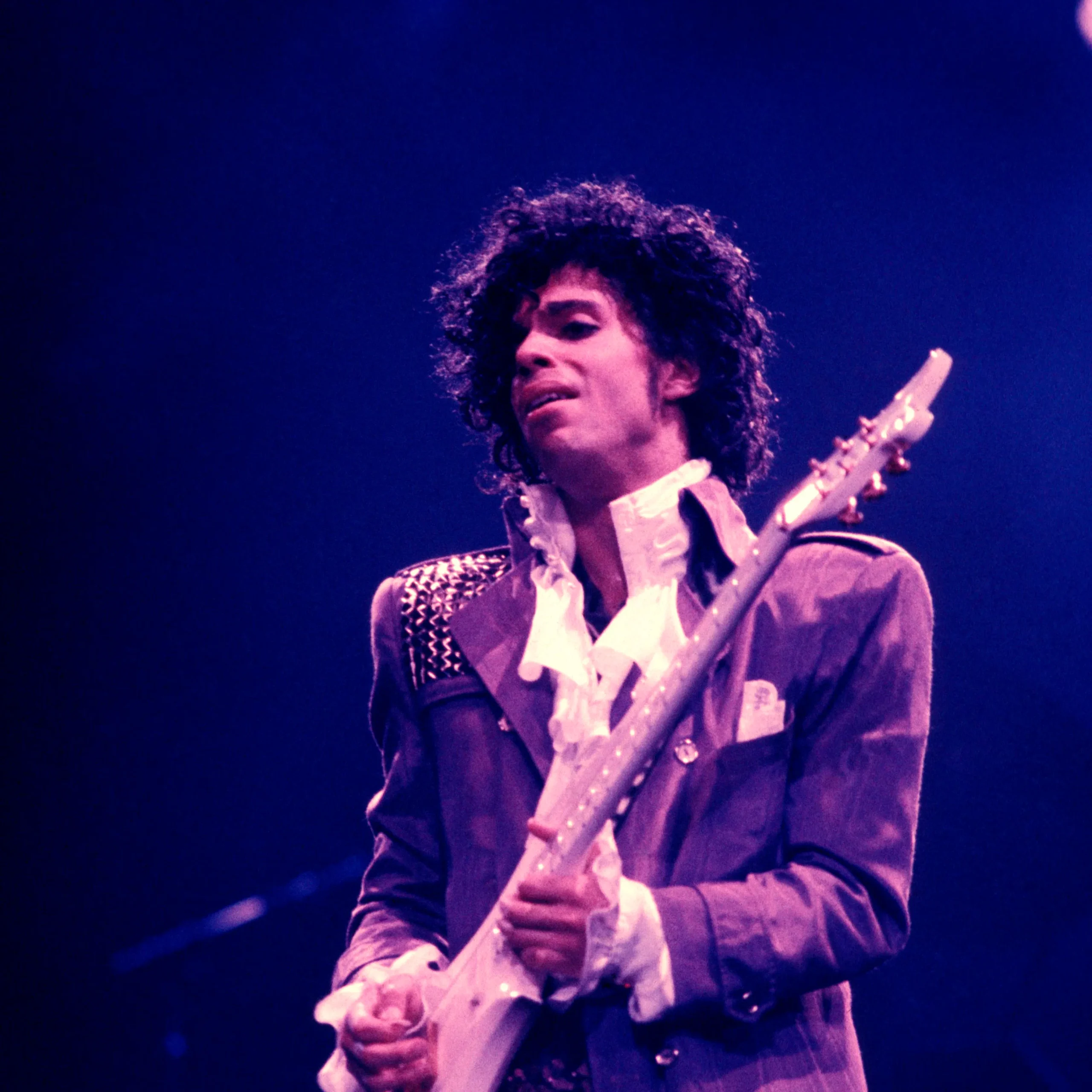
Prince Rogers Nelson, known to the world simply as Prince, was a musical prodigy whose influence transcended genres, breaking barriers and redefining the landscape of popular music. Born on June 7, 1958, in Minneapolis, Minnesota, Prince’s journey from a precocious child with a guitar to a global icon was nothing short of extraordinary. His untimely death on April 21, 2016, left a void in the music industry, but his legacy continues to inspire and influence artists and fans alike.

Prince’s career spanned more than four decades, during which he released more than 39 studio albums, sold over 100 million records worldwide, and earned seven Grammy Awards, an Academy Award, and a spot in the Rock and Roll Hall of Fame. His music was a fusion of rock, R&B, pop, funk, soul, and hip-hop, making him one of the most versatile and innovative artists of his time.

One of Prince’s most iconic moments came in 1984 with the release of “Purple Rain,” both the album and the film. The soundtrack, which included hits like “When Doves Cry” and the title track, won two Grammy Awards and an Oscar for Best Original Score. The film, which starred Prince alongside Apollonia Kotero and Morris Day, showcased his talents not only as a musician but also as an actor and filmmaker.

Prince was known for his flamboyant stage presence and his distinctive fashion sense, which included his signature ruffled shirts, high-heeled boots, and the iconic purple suit from “Purple Rain.” His androgynous look and open discussions about sexuality and gender fluidity made him a trailblazer in the fight for LGBTQ+ rights.

Beyond his music and fashion, Prince was a prolific songwriter, penning hits for other artists, including “Manic Monday” for The Bangles and “Nothing Compares 2 U,” famously covered by Sinead O’Connor. His ability to craft songs that resonated with a wide audience demonstrated his deep understanding of music and emotion.

Prince’s commitment to artistic control was evident in his battles with record labels over the rights to his music. In 1993, he famously changed his name to an unpronounceable symbol, often referred to as the “Love Symbol,” in protest against his record label, Warner Bros. This period, marked by legal disputes and a refusal to release new music, showed Prince’s determination to maintain ownership of his work.

Despite his legal battles, Prince remained prolific, releasing albums that continued to push the boundaries of music. His later work, including “Musicology” (2004) and “20Ten” (2010), showed that he had lost none of his creative edge or passion for music.

Prince’s death at the age of 57 shocked the world, but his legacy lives on. His music continues to be celebrated and discovered by new generations, and his influence can be heard in the work of countless artists. Prince was more than just a musician; he was a visionary whose impact on music, fashion, and culture will be felt for generations to come.

In the words of one of his most famous songs, Prince will indeed “party like it’s 1999,” forever immortalized in the hearts of his fans and in the annals of music history. His life and work serve as a testament to the power of creativity, the importance of artistic freedom, and the enduring legacy of a true musical genius.

Evolution of a Dream: Disneyland Through the Decades

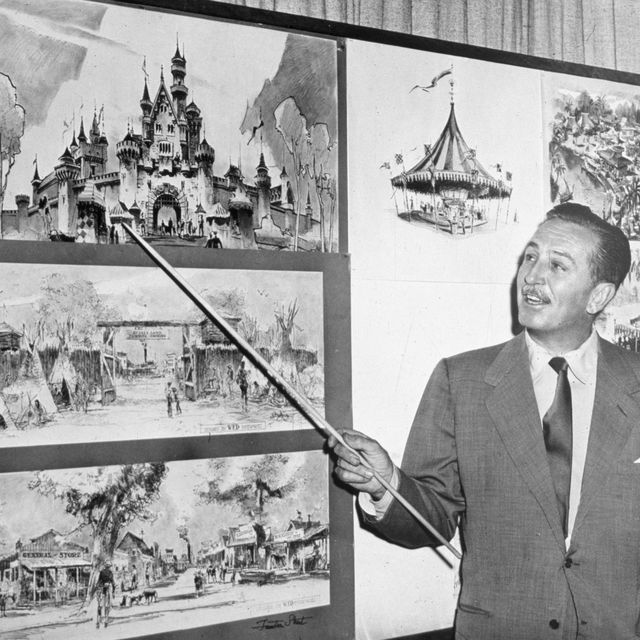
From its inception in 1955, Disneyland has been a symbol of innovation, imagination, and family entertainment. Conceived by Walt Disney as a place where both children and adults could experience the stories and characters from Disney films in real life, Disneyland has evolved over the decades, reflecting changes in technology, culture, and the Walt Disney Company itself. This article explores the evolution of Disneyland, tracing its journey from a post-war amusement park to a global icon of theme park entertainment.

The 1950s: A Dream is Born

Disneyland opened its gates on July 17, 1955, in Anaheim, California. The park was divided into themed “lands”: Main Street, U.S.A., Fantasyland, Frontierland, Adventureland, and Tomorrowland. Each land was designed to immerse guests in different eras and stories, from fairy tales to the Wild West. The opening day was marred by technical problems and overcrowding, but Walt Disney’s vision quickly captured the public’s imagination, and Disneyland became a must-visit destination.

The 1960s: Expansion and Innovation

The 1960s saw the introduction of new attractions and lands, including the Submarine Voyage, the Matterhorn Bobsleds, and the Monorail, which showcased Disney’s commitment to innovation and technology. In 1966, New Orleans Square was added, featuring the Pirates of the Caribbean ride, which would become one of the park’s most beloved attractions. Walt Disney’s death in 1966 marked the end of an era, but his vision continued to guide the park’s development.

The 1970s and 1980s: Growth and Change

The 1970s brought the addition of the Haunted Mansion and the Country Bear Jamboree, while the 1980s saw the introduction of Space Mountain, a major expansion of Fantasyland, and the creation of Mickey’s Toontown and Disneyland’s first parade. These decades also saw the park’s first major overhaul, with the renovation of Tomorrowland and the introduction of new technologies like Audio-Animatronics, which enhanced the guest experience.

The 1990s and 2000s: A New Millennium

The 1990s and 2000s were marked by significant changes and expansions. The Disneyland Resort was established with the opening of Disney California Adventure Park in 2001, offering guests a chance to explore the history and culture of California. Disneyland itself continued to evolve, with the addition of new lands like Critter Country and the reimagining of Tomorrowland. The park also embraced new technologies, including virtual reality and advanced animatronics, to create more immersive experiences.

The 2010s and Beyond: A Global Phenomenon

In the 2010s, Disneyland continued to expand its reach, both physically and culturally. The Star Wars franchise was integrated into the park with the opening of Star Wars: Galaxy’s Edge, a land that allows guests to step into the Star Wars universe. Disney California Adventure Park underwent a major transformation, with the addition of attractions like the Guardians of the Galaxy ride and the revamping of Paradise Pier.

As Disneyland looks to the future, it continues to evolve, with plans for new attractions and experiences that reflect the changing landscape of entertainment and technology. The park’s commitment to storytelling, innovation, and family fun remains unchanged, ensuring that Walt Disney’s dream continues to inspire new generations.

Disneyland’s evolution through the decades is a testament to its enduring appeal and the power of imagination. From its humble beginnings as a single theme park, Disneyland has grown into a global phenomenon, with parks around the world sharing the magic that started in Anaheim. As it continues to evolve, Disneyland remains a place where dreams come true, a legacy that Walt Disney would undoubtedly be proud of.

American Politics: The Power, Policy, and Public Opinion

The American political landscape is a complex tapestry woven from the threads of history, culture, and the ever-evolving dynamics of power and policy. At its core, American politics is a reflection of the country’s foundational principles, enshrined in the Constitution, which established a federal democratic republic with a system of checks and balances among three branches of government: the legislative, executive, and judicial. This framework, designed to prevent tyranny and protect individual liberties, has been the stage for the nation’s political drama for over two centuries.

The System: A Framework for Governance

The legislative branch, or Congress, is bicameral, consisting of the House of Representatives and the Senate. The House represents the population, with seats apportioned among the states based on the decennial census. The Senate, on the other hand, provides equal representation for each state, with two senators per state, regardless of population size. Congress is responsible for making laws, declaring war, and overseeing the federal budget.

The executive branch is headed by the President, who is elected every four years. The President is the head of state, commander-in-chief of the armed forces, and chief executive responsible for enforcing the laws passed by Congress. The President is assisted by the Vice President and a cabinet of department heads.

The judicial branch, led by the Supreme Court, interprets the Constitution and laws, ensuring that the government’s actions are consistent with the nation’s fundamental legal framework. The Supreme Court’s decisions can significantly impact American society, as seen in landmark rulings on issues such as civil rights, abortion, and same-sex marriage.

The Players: Parties, Politicians, and the Public

American politics is dominated by two major political parties: the Democratic Party and the Republican Party. These parties have evolved over time, with their platforms and priorities reflecting the shifting sands of public opinion and societal values. The Democratic Party generally advocates for a more active government role in addressing social and economic issues, while the Republican Party tends to emphasize limited government, free markets, and individual responsibility.

Politicians, ranging from local council members to members of Congress and the President, are the individuals who navigate the political system, crafting and implementing policies that affect the daily lives of Americans. Their success depends on their ability to understand and respond to the needs and desires of their constituents, as well as to navigate the complex web of alliances, negotiations, and compromises that characterize the political process.

The public plays a crucial role in American politics, with the power to elect representatives and influence policy through various forms of civic engagement, including voting, protesting, and lobbying. Public opinion, shaped by media, social networks, and personal experiences, can drive political agendas and hold elected officials accountable.

The Issues: Navigating the Challenges of the 21st Century

American politics today grapples with a myriad of issues, from healthcare and immigration to climate change and economic inequality. These issues are often deeply polarized, with stark divisions between the political parties and among the public.

Healthcare remains a contentious issue, with debates over the Affordable Care Act, the role of private insurance, and the push for a universal healthcare system. Immigration policy is another flashpoint, with disagreements over border security, the treatment of undocumented immigrants, and pathways to citizenship.

Climate change has emerged as an existential threat, with debates over the extent of government intervention in reducing carbon emissions and transitioning to renewable energy sources. Economic inequality, exacerbated by technological change and globalization, has led to calls for reforms to taxation, education, and labor laws.

The Future: Challenges and Opportunities

As American politics continues to evolve, it faces both challenges and opportunities. The digital age has transformed the way politicians communicate with the public and with each other, bringing both new avenues for engagement and new forms of division. The increasing diversity of the American population presents a challenge to traditional political coalitions and requires a rethinking of policy priorities and approaches.

In the face of these challenges, the American political system, with its roots in the Enlightenment ideals of democracy and liberty, remains a dynamic and resilient framework for governance. The players and the issues may change, but the fundamental principles of the American experiment in self-governance endure, offering a beacon of hope and a model for democratic governance around the world.

The Narratives Behind Traditional Clothing: Sewn Stories

Traditional clothing is more than just fabric and thread; it is a tapestry of stories, histories, and cultures. Each stitch, pattern, and color speaks volumes about the heritage, beliefs, and identity of the people who wear them. These garments are not merely worn; they are lived in, passed down through generations, and imbued with the narratives of their people. This article delves into the sewn stories behind traditional clothing, exploring how these garments serve as a visual narrative of cultural identity and continuity.

The Language of Patterns and Colors

Traditional clothing often employs specific patterns and colors that are rich in meaning. For instance, the Scottish kilt features tartan patterns that represent different clans and families. Each color and line in the tartan tells a story, signifying allegiance, history, and sometimes even battles fought. Similarly, the vibrant hues of Indian sarees and the intricate patterns of African kente cloth are not just aesthetic choices; they are symbolic representations of social status, religious beliefs, and cultural heritage.

Techniques and Craftsmanship: A Legacy of Skill

The techniques used in creating traditional clothing are often passed down through generations, with each garment being a testament to the skill and craftsmanship of its maker. Embroidery, weaving, dyeing, and beadwork are among the many techniques that require years of practice to master. These skills are not just about making clothes; they are about preserving cultural knowledge and ensuring that the stories woven into these garments continue to be told.

In many cultures, the creation of traditional clothing is a communal affair, with members of the community coming together to share stories, techniques, and knowledge. This collective effort strengthens the bonds within the community and ensures that the cultural heritage is preserved and celebrated.

Adaptation and Innovation

While traditional clothing is deeply rooted in history, it is also subject to change and innovation. As societies evolve, so too do their garments, incorporating new materials, designs, and influences while maintaining the essence of their cultural identity. This adaptation is a testament to the resilience and creativity of cultures around the world, ensuring that traditional clothing remains relevant and cherished in contemporary times.

The Role of Traditional Clothing in Modern Society

In today’s globalized world, traditional clothing serves as a powerful symbol of cultural identity and pride. It is worn during festivals, ceremonies, and special occasions, providing a connection to the past and a sense of belonging. Moreover, traditional clothing has gained international recognition, with fashion designers and enthusiasts around the world appreciating and incorporating these designs into modern fashion.

Conclusion

Traditional clothing is a living narrative, a visual representation of the stories, histories, and identities of people around the world. From the patterns and colors to the techniques and craftsmanship, each garment is a testament to the rich cultural heritage of its people. As we continue to navigate the complexities of our globalized world, traditional clothing remains an important symbol of cultural continuity and pride. By preserving and celebrating these sewn stories, we honor the legacy of our ancestors and ensure that their narratives continue to be told for generations to come.

The Coffee That Comes With a Hefty Price Tag: Kopi Luwak

In the world of coffee connoisseurship, there exists a beverage that stands apart from the rest, not only for its unique flavor profile but also for its extraordinary production process and exorbitant price tag. This coffee is none other than Kopi Luwak, often referred to as the most expensive coffee in the world. Originating from the Indonesian islands, this coffee’s story is as intriguing as its taste, involving a peculiar animal, a meticulous harvesting process, and a global demand that has led to its high cost.

The Origins of Kopi Luwak:
Kopi Luwak’s story begins with the Asian palm civet, a small, cat-like creature known locally as the luwak. These nocturnal mammals are native to the Indonesian islands, where they have a peculiar diet that includes coffee berries. The luwak consumes the berries, but during the digestion process, the beans inside the berries are left largely intact. These beans are then excreted by the luwak, and it is from this unusual source that the coffee gets its name.

The Unique Production Process:
The production of Kopi Luwak is unlike that of any other coffee. After the beans have been excreted by the luwak, local farmers collect them from the forest floor. The beans are then thoroughly washed to remove any remaining digestive enzymes and impurities. This washing process is crucial to ensure that the coffee does not taste like feces but instead develops a unique flavor profile that is attributed to the luwak’s digestive process.

The beans are then sun-dried, hulled, and roasted to bring out their complex flavors. The digestive enzymes of the luwak are believed to break down proteins that would normally turn into bitter acids during the roasting process, resulting in a coffee that is less acidic and has a smoother, more rounded taste.

The Hefty Price Tag:
The unique production process of Kopi Luwak, combined with its rarity, contributes to its high cost. The coffee can sell for hundreds of dollars per kilogram, making it one of the most expensive coffees in the world. The price is also driven up by the labor-intensive process of collecting the beans and the limited supply, as the luwak’s diet is not solely composed of coffee berries.

Ethical Concerns:
The high demand for Kopi Luwak has led to some ethical concerns regarding its production. In some cases, luwaks are captured and placed in battery cage systems, where they are force-fed coffee berries to increase production. This practice is detrimental to the animals’ welfare and has sparked a debate about the ethical implications of consuming Kopi Luwak.

To address these concerns, ethical coffee producers have begun to farm luwaks in more humane conditions, allowing them to roam freely and choose their diet, which includes coffee berries among other forest fruits. This approach ensures that the luwaks are not mistreated and that the coffee produced is truly a byproduct of the animals’ natural behavior.

Conclusion:
Kopi Luwak is a coffee that defies conventional production methods and has captured the imagination of coffee lovers worldwide. Its unique flavor, combined with its intriguing origin story, makes it a sought-after luxury item. However, the hefty price tag that accompanies this coffee is not just a reflection of its rarity and labor-intensive production process but also a reminder of the ethical considerations that should be taken into account when indulging in this exotic beverage. For those who can afford it and are willing to support ethical sourcing, Kopi Luwak offers a taste experience that is truly one of a kind.