
The Economic Impact of EU Accession on Montenegro

pivot62.com – The prospect of European Union (EU) accession has long been a cornerstone of Montenegro’s foreign policy and economic strategy. As a candidate country, Montenegro is poised to benefit from a range of economic advantages that come with EU membership. This article examines the potential economic benefits of Montenegro’s EU accession and the implications for its future development.

The Path to EU Accession

Montenegro’s journey towards EU accession began in earnest in 2006 when it declared independence from Serbia. Since then, the country has made significant progress in aligning its legislation and policies with EU standards, opening and closing several chapters of the accession negotiations.

Economic Benefits of EU Accession

Increased Trade and Investment

One of the most immediate benefits of EU accession for Montenegro would be increased trade and investment opportunities. As a member of the EU, Montenegro would have unfettered access to the single market, which comprises over 450 million consumers. This would likely lead to a surge in exports and attract foreign direct investment, stimulating economic growth.

Structural and Cohesion Funds

EU membership would also grant Montenegro access to structural and cohesion funds, which are designed to support economic development in less prosperous regions. These funds could be instrumental in improving Montenegro’s infrastructure, enhancing its competitiveness, and fostering regional development.

Enhanced Financial Stability

Adopting the euro and becoming part of the European Central Bank’s monetary policy would provide Montenegro with greater financial stability. This would reduce the country’s exposure to currency risks and potentially lower borrowing costs, making it more attractive for investors.

Improved Governance and Institutions

The process of EU accession requires Montenegro to strengthen its institutions and improve governance. This includes reforms in the judiciary, public administration, and the fight against corruption. Such improvements would not only be a prerequisite for EU membership but also contribute to a more favorable business environment and economic growth.

Challenges and Considerations

While the economic benefits of EU accession are significant, Montenegro must also navigate several challenges. These include the need for further economic reforms, the potential impact on certain sectors (such as agriculture), and the requirement to absorb and implement a vast amount of EU legislation.

Conclusion

The economic impact of EU accession on Montenegro is expected to be profoundly positive. By leveraging the opportunities presented by the EU single market, accessing structural funds, and benefiting from increased financial stability, Montenegro can accelerate its economic development and improve the living standards of its citizens. However, realizing these benefits will require continued commitment to reforms and the effective implementation of EU policies. As Montenegro moves closer to EU membership, the country stands on the threshold of a new era of economic prosperity.
Adapting to Climate Change for Growth: Benin’s Economic Outlook

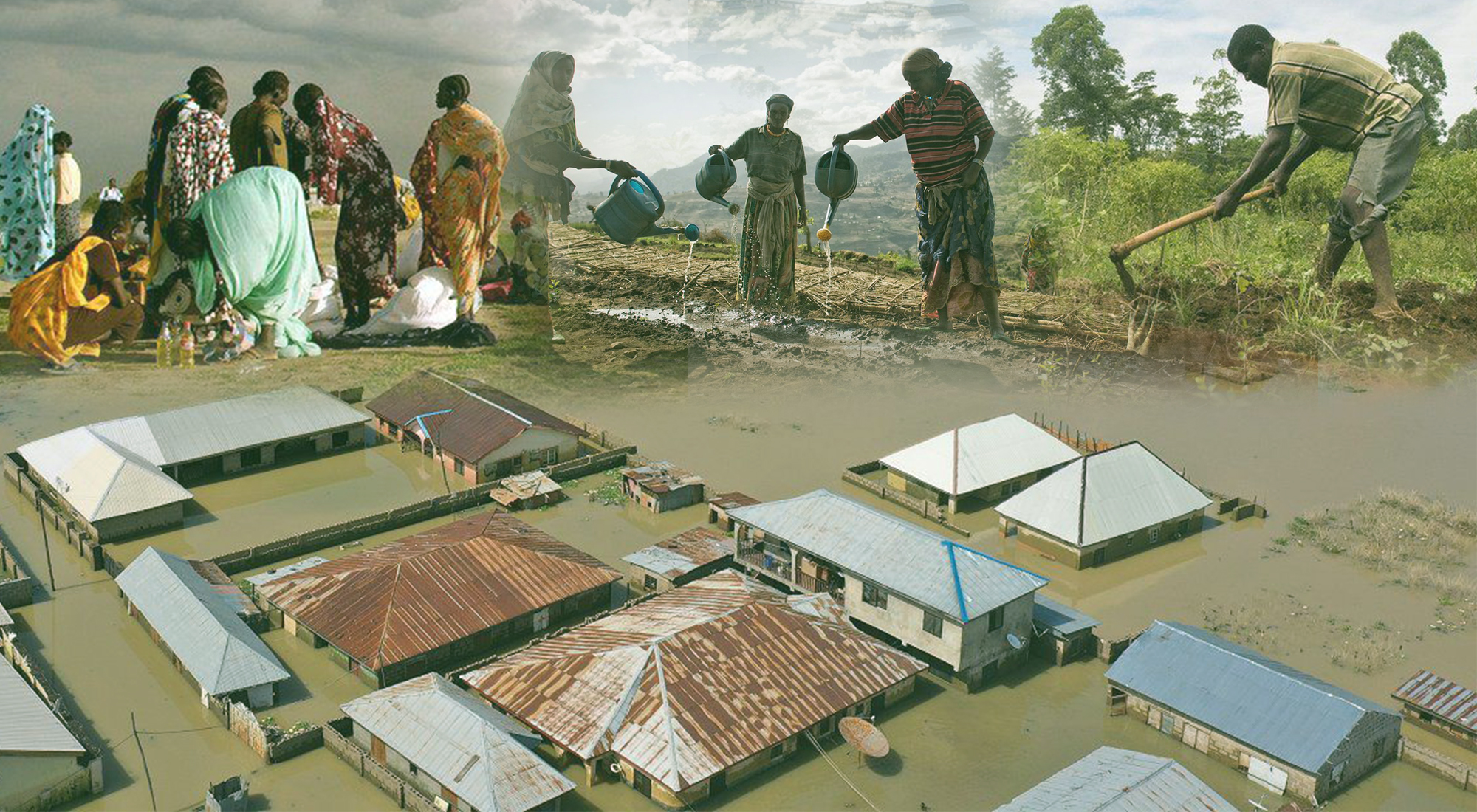
pivot62.com – Benin, a West African nation, has been steadily working towards economic growth and development. However, like many countries, it faces significant challenges posed by climate change. The impact of climate change on Benin’s economy is multifaceted, affecting agriculture, infrastructure, and public health. This article explores the economic outlook for Benin, focusing on how the country is adapting to climate change to foster sustainable growth.

The Economic Landscape of Benin

Benin’s economy is primarily driven by agriculture, which employs the majority of the workforce and contributes significantly to GDP. Other key sectors include industry and services. The government has been implementing various reforms to diversify the economy and improve its resilience.

Climate Change: A Growing Threat to Benin’s Economy

Climate change is exacerbating weather extremes in Benin, leading to droughts, floods, and erratic rainfall patterns. These events have a direct impact on agricultural productivity, threatening food security and livelihoods. Moreover, climate change poses risks to infrastructure, health, and water resources, further undermining economic stability.

Adapting to Climate Change: Strategies for Growth

Enhancing Agricultural Resilience

Benin is focusing on improving agricultural practices to withstand climate variability. This includes promoting climate-smart agriculture, such as drought-resistant crops and sustainable land management techniques. The government is also investing in rural infrastructure to improve market access and reduce post-harvest losses.

Diversifying the Economy

To reduce vulnerability, Benin is diversifying its economic base. The country is exploring opportunities in renewable energy, particularly solar power, given its abundant sunshine. Additionally, there is a push to develop the tourism sector, leveraging Benin’s rich cultural heritage and coastal attractions.

Strengthening Infrastructure

Investments in climate-resilient infrastructure are crucial for Benin’s economic growth. This involves building flood-resistant roads, improving drainage systems, and enhancing water supply networks. Such measures not only protect against immediate climate impacts but also support long-term development.

Fostering Climate Finance and Investment

Access to finance is critical for climate adaptation and mitigation efforts. Benin is working to attract both domestic and international investment in green projects. This includes creating enabling policies and incentives for private sector participation in renewable energy and sustainable agriculture.

Conclusion

Benin’s economic outlook is closely tied to its ability to adapt to climate change. By focusing on agricultural resilience, economic diversification, infrastructure strengthening, and climate finance, Benin can mitigate the adverse effects of climate change and foster sustainable growth. The journey is challenging, but with strategic planning and international cooperation, Benin can build a more resilient and prosperous future.