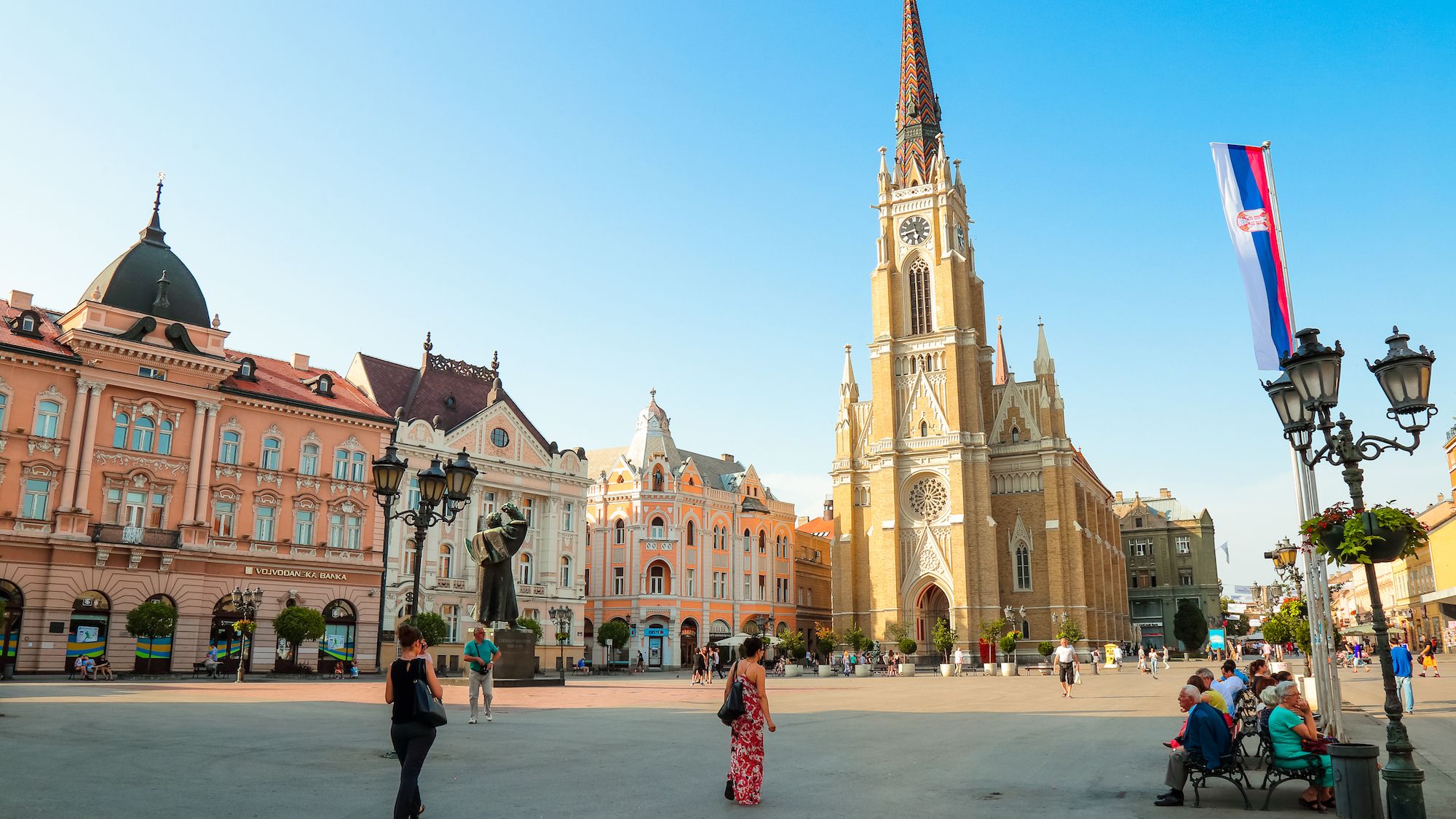
Novi Sad: A Charming City on the Danube – A Historical Tapestry

pivot62.com – Novi Sad, the second-largest city in Serbia, is a vibrant cultural hub with a rich history. Located on the banks of the Danube River, Novi Sad has been influenced by various cultures and empires throughout the centuries. The city’s strategic location and diverse population have contributed to its unique identity.

The city’s history dates back to the Roman era, when it was known as Cusum. Over the centuries, Novi Sad has been under the rule of the Hungarian Kingdom, the Ottoman Empire, and the Habsburg Monarchy. This diverse historical heritage is reflected in the city’s architecture, traditions, and customs.

A Cultural Hub

Novi Sad is renowned for its vibrant cultural scene. The city’s Petrovaradin Fortress, a majestic 18th-century fortress, hosts the Exit Festival, one of Europe’s largest music festivals. The festival attracts thousands of visitors from all over the world, who come to enjoy a diverse range of music genres, from rock and electronic to hip-hop and indie.

Novi Sad is also home to the Serbian National Theatre, one of the oldest theaters in the Balkans. The theater presents a variety of plays, operas, and ballets throughout the year. The city’s numerous museums, art galleries, and cultural centers offer a wide range of exhibitions and events.

A Natural Paradise

Novi Sad is surrounded by stunning natural beauty. The Danube River, with its picturesque landscapes and diverse wildlife, is a popular destination for boating, fishing, and swimming. The nearby Fruška Gora National Park offers opportunities for hiking, biking, and birdwatching.

The city’s parks and gardens provide peaceful retreats for relaxation and recreation. The Štrand, a popular beach on the Danube River, is a great place to soak up the sun and enjoy water sports.

A Modern City

Novi Sad has undergone significant development in recent years, transforming into a modern city with a strong focus on education, culture, and technology. The city’s universities and colleges offer a wide range of academic programs, attracting students from all over Serbia and the region.

Novi Sad is a city that offers a unique blend of history, culture, and natural beauty. Its vibrant atmosphere, friendly people, and diverse attractions make it a fascinating destination for travelers of all ages.
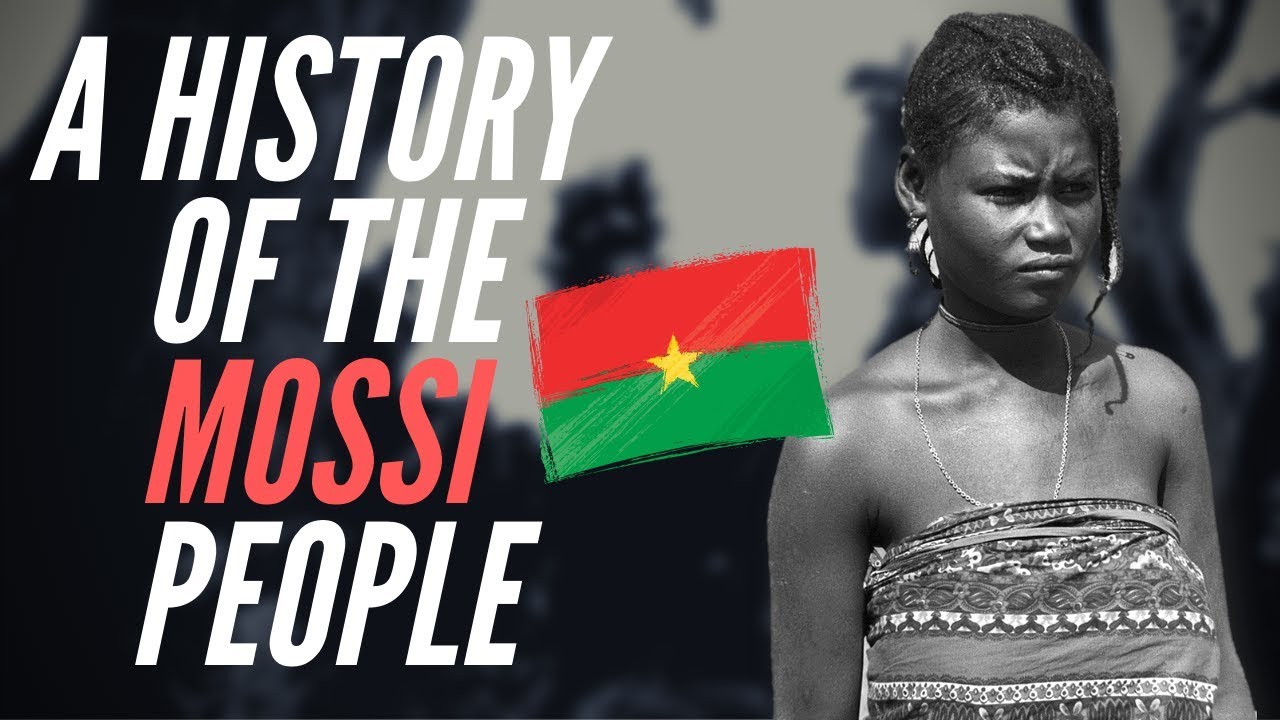
The Historical Overview: The Mossi Kingdoms

pivot62.com – The Mossi Kingdoms, located in what is now Burkina Faso, were a collection of powerful states that played a significant role in the history of West Africa. These kingdoms, which flourished from the 11th century onwards, were known for their military prowess, sophisticated governance, and rich cultural traditions. This article provides a historical overview of the Mossi Kingdoms, exploring their origins, development, and eventual decline.

Origins of the Mossi Kingdoms

The Mossi people are believed to have migrated from the north, possibly from the region of Lake Chad, and settled in the area that is now Burkina Faso. The exact origins of the Mossi are subject to debate, with various theories suggesting connections to other ethnic groups in the region.

The Founding of the Kingdoms

The Mossi Kingdoms were established in the 11th century, with the founding of the first kingdom, Yatenga. Over the centuries, several other kingdoms were established, including Ouagadougou, Tenkodogo, and Fada N’Gourma. These kingdoms were ruled by a hierarchy of kings, known as Moro Naba, who wielded significant power.

The Structure of the Mossi Kingdoms

The Mossi Kingdoms were characterized by a highly structured society with a clear division of labor and a strict hierarchy. The king, or Moro Naba, was considered a semi-divine figure and wielded both political and religious authority.

Governance and Administration

The Mossi Kingdoms were governed through a complex system of chiefs and sub-chiefs, each responsible for a specific territory. This system allowed for efficient administration and the effective mobilization of resources, including military forces.

Military Prowess

The Mossi Kingdoms were renowned for their military strength. They developed a formidable cavalry and were skilled in the use of spears and bows. This military prowess allowed them to defend their territories against invaders and to expand their influence through conquest.

Cultural and Economic Life

The Mossi Kingdoms were centers of cultural and economic activity. They developed a rich tradition of music, dance, and art, much of which continues to influence Burkinabé culture today.

Agriculture and Trade

The economy of the Mossi Kingdoms was based primarily on agriculture, with millet, sorghum, and cotton being the main crops. Trade was also an important aspect of the economy, with the Mossi Kingdoms serving as a crossroads for trade routes linking North Africa, the Sahel, and the forest regions to the south.

The Decline of the Mossi Kingdoms

The Mossi Kingdoms began to decline in the 19th century, due to a combination of internal conflicts and external pressures. The rise of powerful states such as the Ashanti Empire and the French colonial expansion posed significant threats to the Mossi Kingdoms.

Colonial Rule and Resistance

The French colonial conquest of the late 19th and early 20th centuries marked the end of the Mossi Kingdoms’ independence. However, the Mossi people resisted colonial rule, and their kingdoms maintained a degree of autonomy under French colonial administration.

Legacy of the Mossi Kingdoms

The legacy of the Mossi Kingdoms is evident in the cultural, social, and political landscape of modern Burkina Faso. The Mossi people continue to play a significant role in the country’s affairs, and their historical kingdoms are a source of pride and identity.

Preservation of Cultural Heritage

Efforts to preserve the cultural heritage of the Mossi Kingdoms include the establishment of museums and historical sites, as well as the continuation of traditional festivals and ceremonies. These initiatives help to ensure that the legacy of the Mossi Kingdoms endures for future generations.

Conclusion

The Mossi Kingdoms were a pivotal force in the history of West Africa, known for their military strength, sophisticated governance, and rich cultural traditions. Although they were eventually subsumed under colonial rule, their legacy continues to influence Burkinabé society. Understanding the history of the Mossi Kingdoms is essential for appreciating the complex tapestry of West African history and culture.