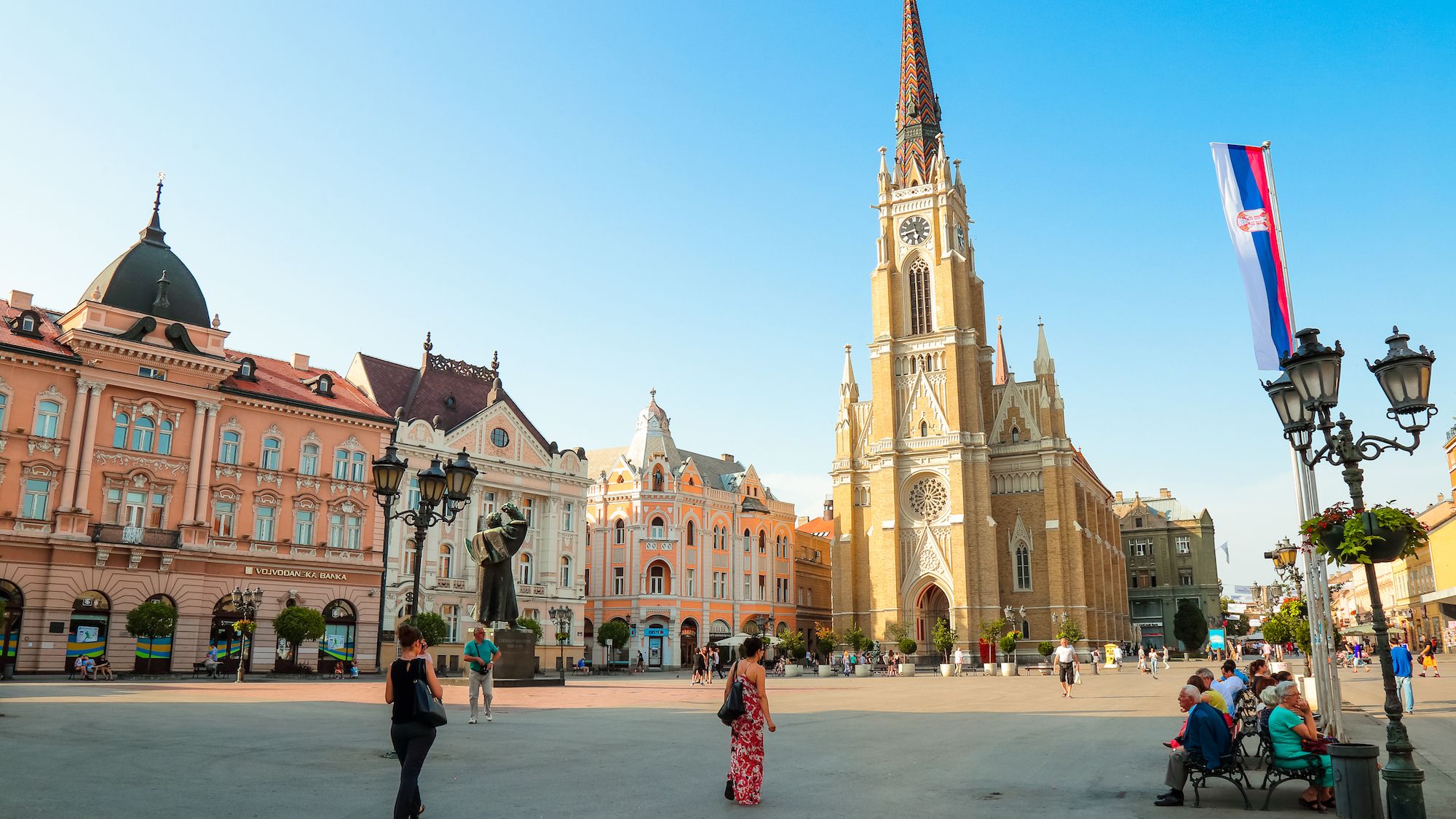
Novi Sad: A Charming City on the Danube – A Historical Tapestry

pivot62.com – Novi Sad, the second-largest city in Serbia, is a vibrant cultural hub with a rich history. Located on the banks of the Danube River, Novi Sad has been influenced by various cultures and empires throughout the centuries. The city’s strategic location and diverse population have contributed to its unique identity.

The city’s history dates back to the Roman era, when it was known as Cusum. Over the centuries, Novi Sad has been under the rule of the Hungarian Kingdom, the Ottoman Empire, and the Habsburg Monarchy. This diverse historical heritage is reflected in the city’s architecture, traditions, and customs.

A Cultural Hub

Novi Sad is renowned for its vibrant cultural scene. The city’s Petrovaradin Fortress, a majestic 18th-century fortress, hosts the Exit Festival, one of Europe’s largest music festivals. The festival attracts thousands of visitors from all over the world, who come to enjoy a diverse range of music genres, from rock and electronic to hip-hop and indie.

Novi Sad is also home to the Serbian National Theatre, one of the oldest theaters in the Balkans. The theater presents a variety of plays, operas, and ballets throughout the year. The city’s numerous museums, art galleries, and cultural centers offer a wide range of exhibitions and events.

A Natural Paradise

Novi Sad is surrounded by stunning natural beauty. The Danube River, with its picturesque landscapes and diverse wildlife, is a popular destination for boating, fishing, and swimming. The nearby Fruška Gora National Park offers opportunities for hiking, biking, and birdwatching.

The city’s parks and gardens provide peaceful retreats for relaxation and recreation. The Štrand, a popular beach on the Danube River, is a great place to soak up the sun and enjoy water sports.

A Modern City

Novi Sad has undergone significant development in recent years, transforming into a modern city with a strong focus on education, culture, and technology. The city’s universities and colleges offer a wide range of academic programs, attracting students from all over Serbia and the region.

Novi Sad is a city that offers a unique blend of history, culture, and natural beauty. Its vibrant atmosphere, friendly people, and diverse attractions make it a fascinating destination for travelers of all ages.
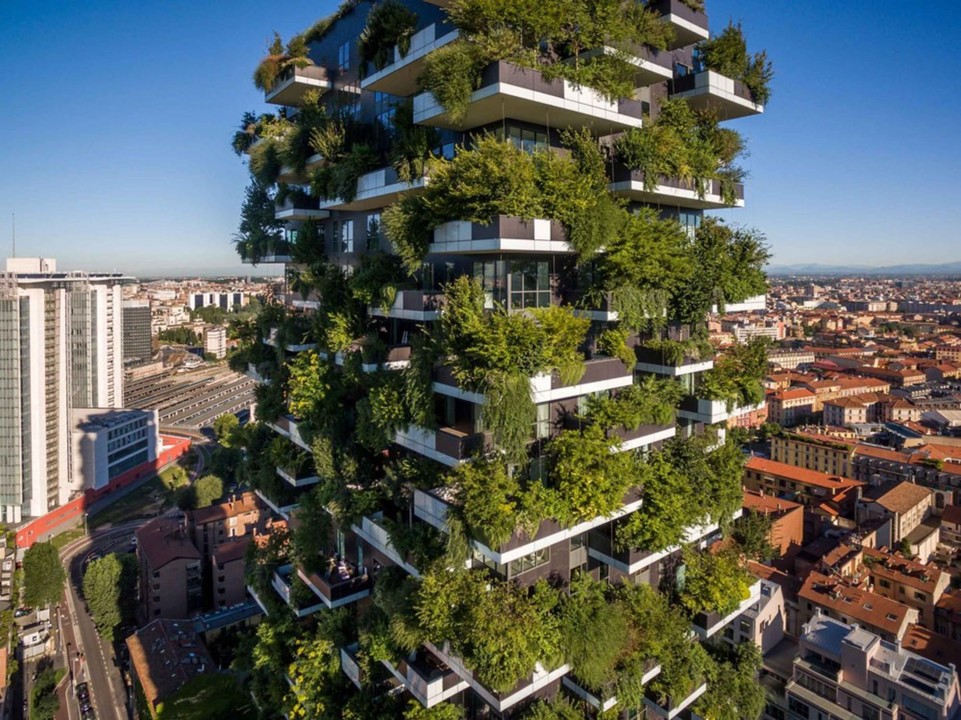
The Evolution of City Architecture: Urban Jungles

pivot62.com – “Urban Jungles: The Evolution of City Architecture” is a phrase that encapsulates the transformation of urban landscapes over time, highlighting the dense, complex, and often imposing nature of modern cityscapes. This concept can be explored through various lenses, including historical development, architectural styles, urban planning, and the impact on society and the environment.

Historical Development

Cities have evolved from ancient settlements to the sprawling metropolises of today. The evolution of city architecture reflects technological advancements, changes in societal needs, and shifts in cultural and aesthetic values. From the grid patterns of ancient cities like Mohenjo-Daro to the towering skyscrapers of Dubai, the urban jungle has taken many forms.

Architectural Styles

The architecture of cities has been shaped by various styles, each leaving its mark on the urban landscape. Gothic cathedrals, Art Deco skyscrapers, Brutalist government buildings, and modern glass towers are just a few examples of how architectural movements have influenced cityscapes. Each style brings its unique aesthetic and functional approach to urban living.

Urban Planning

Urban planning plays a crucial role in the evolution of city architecture. The layout of streets, the zoning of different areas, and the integration of green spaces all impact the character and functionality of urban environments. The Garden City movement, New Urbanism, and smart city concepts are examples of planning philosophies that have influenced the development of cities.

Impact on Society and the Environment

The evolution of city architecture has profound implications for society and the environment. High-density living can foster community and cultural exchange but also poses challenges in terms of social inequality and mental health. Environmentally, cities face issues such as pollution, heat islands, and the consumption of resources. Sustainable architecture and urban design seek to address these challenges, promoting green buildings, renewable energy, and livable public spaces.

Conclusion

“Urban Jungles: The Evolution of City Architecture” is a testament to human ingenuity and adaptation. As cities continue to grow and evolve, the challenge lies in creating urban environments that are not only architecturally innovative and aesthetically pleasing but also sustainable, inclusive, and responsive to the needs of their inhabitants and the planet. The future of city architecture will likely see a blend of traditional and futuristic elements, with a strong emphasis on environmental stewardship and social equity.