
5 Hal yang Harus Dihindari Saat Sedang Diet Ketat

pivot62.comDiet ketat sering jadi pilihan buat kamu yang pengen cepat turun berat badan. Tapi kenyataannya, semakin ketat dietnya, semakin besar juga risikonya gagal di tengah jalan. Nggak jarang, diet yang terlalu ekstrim malah bikin tubuh stres, lemas, bahkan berat badan naik lagi setelah selesai diet.

Supaya usaha kamu nggak sia-sia, penting banget buat tahu apa aja yang sebaiknya dihindari saat lagi diet ketat. Bukan cuma soal jenis makanan, tapi juga kebiasaan dan pola pikir yang bisa mengganggu keberhasilan dietmu. Nah, di artikel ini aku akan bahas 5 hal yang wajib banget kamu hindari biar diet ketatmu tetap sehat dan berjalan lancar.

1. Melewatkan Makan

Banyak yang berpikir kalau nggak makan itu cara paling cepat buat nurunin berat badan. Padahal, justru ini bisa jadi boomerang. Melewatkan makan bikin tubuh merasa kelaparan dan akhirnya menyimpan lebih banyak lemak saat kamu makan lagi. Metabolisme tubuh pun melambat karena mengira sedang dalam mode “bertahan hidup”.

Alih-alih melewatkan makan, cobalah makan dalam porsi kecil tapi sering. Pilih makanan tinggi protein dan serat yang bikin kenyang lebih lama. Di pivot62.com, kami percaya bahwa tubuh kamu butuh asupan yang seimbang untuk bisa bekerja optimal, bahkan saat diet ketat sekalipun.

2. Menghindari Semua Jenis Karbohidrat

Karbo sering banget dijadikan kambing hitam saat diet. Akhirnya, banyak orang menghindari karbo sama sekali. Padahal, nggak semua karbo itu jahat. Karbohidrat kompleks seperti nasi merah, ubi, dan quinoa justru penting sebagai sumber energi yang dilepaskan secara perlahan.

Kalau kamu sama sekali nggak makan karbo, tubuh bisa merasa lemas, pusing, dan akhirnya craving makanan tinggi gula. Ini berisiko bikin kamu kalap makan dan gagal diet. Yang penting adalah memilih jenis karbo yang sehat dan mengatur porsinya, bukan menghindarinya total.

3. Terlalu Fokus pada Timbangan

Nggak salah kok punya target berat badan. Tapi kalau kamu terlalu sering menimbang dan merasa cemas tiap angka naik sedikit, itu bisa bikin mental kamu drop. Perubahan berat badan bisa dipengaruhi banyak hal—retensi air, hormon, bahkan waktu kamu menimbang.

Cobalah ukur progres diet dari sisi lain, seperti pakaian yang mulai longgar, badan yang terasa lebih ringan, atau energi yang lebih stabil. Diet yang sehat bukan cuma soal angka di timbangan, tapi juga perubahan gaya hidup secara menyeluruh.

4. Kurang Minum Air Putih

Saat diet ketat, banyak orang terlalu fokus sama apa yang dimakan, tapi lupa minum air putih yang cukup. Padahal, air sangat penting buat proses metabolisme, pencernaan, dan bantu tubuh membuang racun. Kurang minum bisa bikin kamu merasa lapar padahal sebenarnya cuma haus.

Usahakan minum minimal 8 gelas air per hari. Bisa juga mulai kebiasaan minum segelas air sebelum makan supaya perut terasa lebih penuh dan kamu nggak makan berlebihan. Hindari minuman manis, soda, atau kopi berlebihan yang malah bikin dehidrasi.

5. Menyiksa Diri dengan Pantangan yang Terlalu Banyak

Diet itu bukan hukuman. Kalau kamu terlalu keras sama diri sendiri dan menolak semua makanan favorit, justru kamu akan merasa tersiksa dan cenderung cepat menyerah. Bahkan, bisa jadi kamu mengalami binge eating saat nggak tahan lagi.

Solusinya? Beri diri kamu ruang untuk “menikmati” diet. Misalnya, tetap makan makanan favorit seminggu sekali dalam porsi kecil atau cari versi yang lebih sehat. Misalnya, gorengan diganti dengan panggangan, atau es krim diganti dengan yoghurt beku. Diet tetap bisa fleksibel asal kamu sadar porsi dan tujuan.

Tips Tambahan Biar Diet Ketat Tetap Aman

  • Tidur cukup dan berkualitas, karena kurang tidur bisa meningkatkan hormon lapar.

  • Jangan bandingkan hasil dietmu dengan orang lain. Setiap orang punya metabolisme berbeda.

  • Konsultasi ke ahli gizi kalau kamu merasa bingung atau mengalami gangguan selama diet.

  • Lakukan olahraga ringan, meski diet, tubuh tetap perlu gerak biar proses pembakaran lemak lebih maksimal.

  • Berikan waktu untuk adaptasi, jangan harap perubahan drastis dalam semalam.

Penutup

Diet ketat memang bisa kasih hasil cepat, tapi bukan berarti harus dilakukan secara ekstrem dan membahayakan kesehatan. Dengan menghindari lima kesalahan umum di atas, kamu bisa menjalani diet dengan lebih nyaman, aman, dan tentunya hasil yang lebih tahan lama.

Di pivot62.com, kami percaya bahwa diet bukan cuma soal angka, tapi tentang bagaimana kamu bisa mencintai tubuhmu lewat kebiasaan yang sehat dan realistis. Ingat, menjaga tubuh tetap sehat dan bahagia adalah prioritas utama. Jadi, jalani dietmu dengan bijak dan penuh kesadaran, ya!
The Diet of the Olive Ridley Sea Turtle: A Versatile Feeder

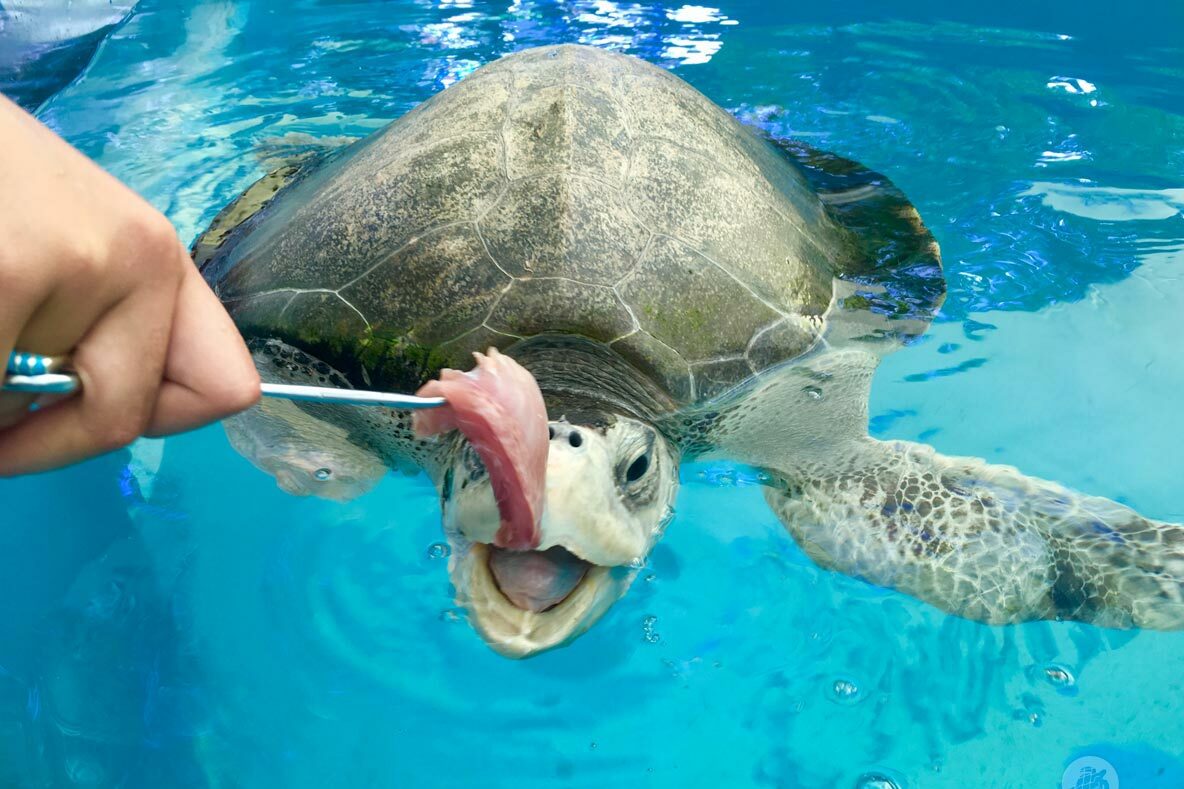
pivot62.com – The Olive Ridley sea turtle (Lepidochelys olivacea) is one of the most widespread and abundant sea turtles in the world, known for its mass nesting events called arribadas. These turtles are primarily found in tropical and subtropical oceans, where they play an essential role in marine ecosystems. Olive Ridley turtles are known for their highly adaptable and opportunistic feeding behavior, consuming a wide variety of food sources. In this article, we will explore the dietary habits of the Olive Ridley sea turtle, their feeding strategies, and their role in the marine food web.

A Varied and Omnivorous Diet

Olive Ridley sea turtles are omnivores, meaning they consume both plant and animal matter. This flexibility in their diet allows them to thrive in a variety of marine habitats and adapt to changing food availability. Unlike some other sea turtles that specialize in specific prey, Olive Ridleys have a more diverse diet, feeding on whatever is readily available.

1. Crustaceans and Mollusks

  • Crustaceans, such as crabs, shrimp, and lobsters, make up a significant portion of the Olive Ridley’s diet. These turtles use their strong jaws to crush the hard shells of their prey, making crustaceans an easily accessible and nutritious food source.
  • Mollusks, including clams, mussels, and snails, are another common prey item. Olive Ridleys are adept at prying open shells to access the soft tissue inside, which provides them with essential nutrients like protein and fats.

2. Jellyfish and Other Soft-Bodied Prey

  • Olive Ridleys, like other sea turtles, are known to consume jellyfish. Despite the stinging tentacles of jellyfish, these turtles can safely consume them thanks to their thick skin and specialized feeding techniques.
  • In addition to jellyfish, Olive Ridleys will eat other soft-bodied invertebrates such as sea anemones and tunicates, which are commonly found in coastal and open-ocean environments.

3. Algae and Seagrass

  • While primarily carnivorous, Olive Ridley turtles also consume algae and seagrass when other food sources are scarce or unavailable. These plant materials provide important vitamins and fiber that help maintain the turtles’ digestive health.
  • This plant-based diet is more common in juvenile turtles, which may feed in coastal areas where algae and seagrass beds are abundant, offering easy access to these plant resources.

4. Fish and Fish Eggs

  • Olive Ridley turtles will also feed on small fish and fish eggs, especially when foraging in coastal or reef areas. These protein-rich foods are often consumed opportunistically and can be found in the diets of turtles in both pelagic (open ocean) and coastal habitats.

Feeding Behavior and Habitat

Olive Ridley sea turtles are primarily found in tropical and subtropical waters, where they inhabit coastal regions, estuaries, and open ocean environments. Their feeding behavior is highly adaptable, allowing them to forage in a range of habitats depending on their life stage and the availability of food.

1. Pelagic Foraging

  • Adult Olive Ridleys are often found in the open ocean, where they feed on pelagic (open water) prey such as jellyfish, floating crustaceans, and fish. Their ability to dive to significant depths (up to 150 meters or 490 feet) enables them to access prey in deeper waters.
  • While in the pelagic zone, Olive Ridleys also feed on planktonic organisms and debris, making them important contributors to nutrient cycling in the ocean.

2. Coastal Feeding

  • Olive Ridleys will also forage in coastal waters, particularly during their nesting seasons when they come closer to shore. In these areas, they feed on benthic (bottom-dwelling) organisms such as crabs, mollusks, and sea cucumbers.
  • Coastal areas also provide access to seagrass beds, which are particularly important for juvenile Olive Ridleys. These younger turtles may rely more on plant material as they transition to a fully carnivorous diet.

3. Opportunistic Feeding

  • Olive Ridleys are opportunistic feeders, meaning they take advantage of whatever food sources are readily available. This ability to adapt to different environments and food supplies allows them to survive in a variety of habitats and contributes to their widespread distribution.

Ecological Role of Olive Ridley Turtles

Olive Ridley sea turtles play an important role in maintaining the balance of marine ecosystems. Their feeding habits help regulate prey populations and contribute to the health of marine habitats.

1. Controlling Jellyfish Populations

  • By consuming large quantities of jellyfish, Olive Ridley turtles help regulate jellyfish populations. Without natural predators like sea turtles, jellyfish blooms can occur, which can have negative impacts on fish populations and marine ecosystems.

2. Nutrient Cycling in Marine Ecosystems

  • Olive Ridleys contribute to nutrient cycling by consuming a variety of prey and excreting waste that provides nutrients to marine environments. This helps support the growth of seagrass and algae, which in turn supports other marine species.

3. Prey for Predators

  • Despite being skilled predators themselves, Olive Ridley turtles are preyed upon by large sharks, orcas, and saltwater crocodiles. Their eggs and hatchlings are also vulnerable to a variety of predators, including birds, crabs, and mammals.

Threats to Olive Ridley Feeding Habits

Although Olive Ridley sea turtles are considered the most abundant sea turtle species, they still face numerous threats that impact their feeding behavior and habitats.

1. Overfishing and Bycatch

  • Olive Ridley turtles are often caught as bycatch in fishing nets, particularly in trawl, gillnet, and longline fisheries. Accidental capture in fishing gear can result in injury or death, reducing turtle populations and affecting their ability to feed and reproduce.

2. Marine Pollution

  • Marine pollution, particularly plastic debris, poses a significant threat to Olive Ridley turtles. Turtles may mistake plastic bags and other debris for jellyfish or other prey, leading to ingestion that can cause blockages in their digestive system or other health issues.

3. Coastal Development and Habitat Loss

  • Coastal development and habitat destruction can reduce the availability of seagrass beds and benthic prey, especially for juveniles. Loss of feeding grounds may force Olive Ridleys to travel longer distances in search of food, increasing their risk of predation and human-related threats.

Conservation Efforts for Olive Ridley Sea Turtles

Efforts to protect Olive Ridley sea turtles focus on reducing bycatch, protecting nesting sites, and addressing marine pollution.

1. Bycatch Reduction Technologies

  • The use of turtle excluder devices (TEDs) in fishing nets has proven to be an effective measure in reducing bycatch and helping to protect Olive Ridleys from accidental capture.

2. Marine Protected Areas

  • Establishing marine protected areas (MPAs) in regions where Olive Ridleys forage and nest can help safeguard important habitats and ensure the availability of food resources.

3. Pollution Control and Cleanup Efforts

  • Reducing marine pollution, particularly plastic waste, through cleanup efforts, public awareness campaigns, and better waste management practices is essential for protecting Olive Ridleys and other marine species from the dangers of ingesting debris.

Conclusion

The Olive Ridley sea turtle is a versatile and opportunistic feeder, capable of consuming a wide variety of marine organisms, including crustaceans, mollusks, jellyfish, and algae. This adaptability has contributed to the species’ widespread distribution and ability to thrive in both coastal and pelagic environments. However, human activities such as overfishing, pollution, and habitat destruction pose significant threats to the feeding habits and survival of these turtles. Conservation efforts are essential to ensure that Olive Ridley turtles continue to play their vital role in marine ecosystems for generations to come.

Marmot Food: The Diet of These Ground-Dwelling Herbivores

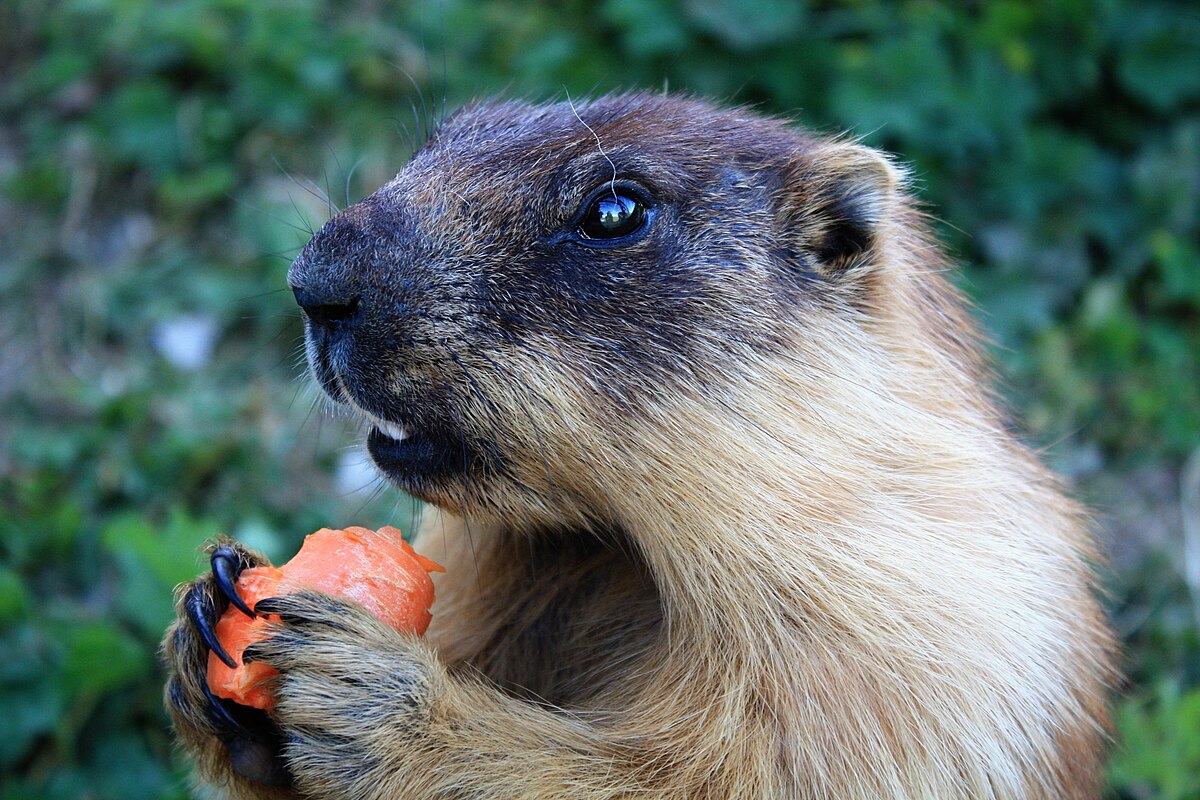
pivot62.com – Marmots are large, ground-dwelling rodents found in mountainous regions and meadows across the Northern Hemisphere. Known for their hibernation habits and social nature, marmots are herbivores that rely on a plant-based diet for survival. Their eating habits are influenced by seasonal changes, as they must consume enough food to store fat reserves for their long hibernation period. This article explores the diet of marmots, the types of food they prefer, and how their feeding behavior adapts to their environment.

1. Marmot Diet Overview: Primarily Herbivorous

Marmots are strictly herbivorous, meaning their diet consists almost entirely of plant matter. They feed on grasses, flowers, and other vegetation that grows in their alpine or meadow habitats. Marmots are grazers and spend a significant portion of their active months consuming food to prepare for hibernation.

Key Components of a Marmot’s Diet:

  • Grasses and herbs: The bulk of their diet.
  • Flowers: Consumed for added nutrients and variety.
  • Vegetables: Leaves, stems, and roots of various plants.
  • Fruits and berries: Seasonal foods that provide additional nutrients.

Their diet is entirely plant-based, and marmots graze throughout the day to meet their nutritional needs.

2. Grasses and Herbs: The Staple of a Marmot’s Diet

Grasses and herbs make up the majority of a marmot’s diet. These foods provide the essential carbohydrates, fiber, and nutrients marmots need for energy and overall health. Marmots graze on a variety of grasses found in their habitats.

Common Grasses and Herbs Eaten by Marmots:

  • Timothy grass: A favorite food source in alpine meadows.
  • Fescue grass: Frequently found in marmot habitats.
  • Clover: A highly nutritious herb that marmots enjoy.
  • Dandelions: Both the leaves and flowers are eaten by marmots.

These plants are abundant in the mountainous regions where marmots live, making them an essential part of their daily diet.

3. Flowers: Nutrient-Rich Seasonal Treats

During the warmer months, marmots also consume flowers, which provide additional nutrients like vitamins and minerals. Flowers are especially important during the summer when they are plentiful in alpine meadows.

Common Flowers Eaten by Marmots:

  • Buttercups: A colorful addition to a marmot’s diet.
  • Asters: Marmots enjoy grazing on these wildflowers.
  • Daisies: Found in meadows, daisies are eaten by marmots for variety.
  • Alpine wildflowers: Marmots feed on a range of wildflowers that grow in high-altitude environments.

Flowers add diversity to the marmot’s diet, giving them access to a wider range of nutrients.

4. Vegetables and Plant Matter: An Important Food Source

Marmots also eat other parts of plants, including leaves, stems, and roots. These foods help marmots meet their nutritional needs, particularly when grasses are less abundant.

Common Plant Matter Eaten by Marmots:

  • Plant stems: Marmots will eat the stems of various meadow plants.
  • Leaves: Tender leaves from a variety of plants are a key part of their diet.
  • Roots: Marmots sometimes dig up and eat the roots of certain plants, particularly when other food is scarce.

These plant materials provide fiber and additional nutrients that help marmots maintain their health throughout the year.

5. Fruits and Berries: Occasional Delicacies

Although not a major part of their diet, marmots do eat fruits and berries when they are available. These foods are more common in late summer and early fall and provide important sugars and vitamins.

Common Fruits and Berries Eaten by Marmots:

  • Wild berries: Marmots consume berries such as blackberries or raspberries.
  • Alpine fruits: In some regions, marmots may eat fruits like wild apples or small alpine fruits.

These foods are typically consumed when they are abundant, offering marmots a sweet, energy-rich snack before hibernation.

6. Feeding Behavior: Preparing for Hibernation

Marmots are known for their preparation for hibernation, which typically lasts from late fall until early spring. During their active months, marmots consume large amounts of food to build up fat reserves. They can spend up to 60% of their waking hours foraging for food in the summer.

Hibernation and Fat Storage:

  • Weight gain: Marmots need to double or triple their body weight in fat to survive the winter months.
  • Foraging intensity: As winter approaches, marmots increase the amount of time they spend eating.

This feeding behavior is crucial to their survival, as marmots rely entirely on their fat stores to last through the long hibernation period.

7. Seasonal Changes in Diet

The availability of food changes with the seasons, which directly impacts what marmots eat. In the spring and early summer, marmots focus on eating fresh grasses and herbs. As the season progresses, they turn to flowers, fruits, and other plants that become available. By late summer and early fall, marmots are in a feeding frenzy, consuming as much food as possible to prepare for hibernation.

Seasonal Foods:

  • Spring: Fresh grasses and herbs.
  • Summer: Grasses, flowers, and some fruits.
  • Fall: Late-season berries, plants, and root vegetables.

Marmots must take advantage of each season’s offerings to ensure they have enough food to store fat for the winter.

8. Feeding Marmots in Captivity

If you are caring for a marmot in captivity, it’s important to provide a diet that closely resembles their natural food sources. Fresh grasses, leafy greens, and vegetables should make up the bulk of their diet, with occasional treats of fruits and flowers.

Ideal Foods for Captive Marmots:

  • Fresh grass: Provide a variety of grasses similar to what they would eat in the wild.
  • Leafy greens: Dandelion greens, clover, and timothy hay are good options.
  • Vegetables: Offer carrots, sweet potatoes, and other root vegetables.
  • Fruits: Small amounts of apples or berries as occasional treats.

Always ensure they have access to fresh water and avoid feeding them processed or sugary foods.

9. Conclusion

Marmots are herbivores with a plant-based diet that includes grasses, flowers, fruits, and vegetables. Their feeding behavior is closely linked to the seasons, with their diet shifting to match the availability of different plants throughout the year. As they prepare for hibernation, marmots consume large quantities of food to build up the fat reserves they need to survive the long winter. Whether in the wild or captivity, marmots require a varied and nutritious diet to thrive. Understanding their dietary needs helps support their health and well-being throughout the year.