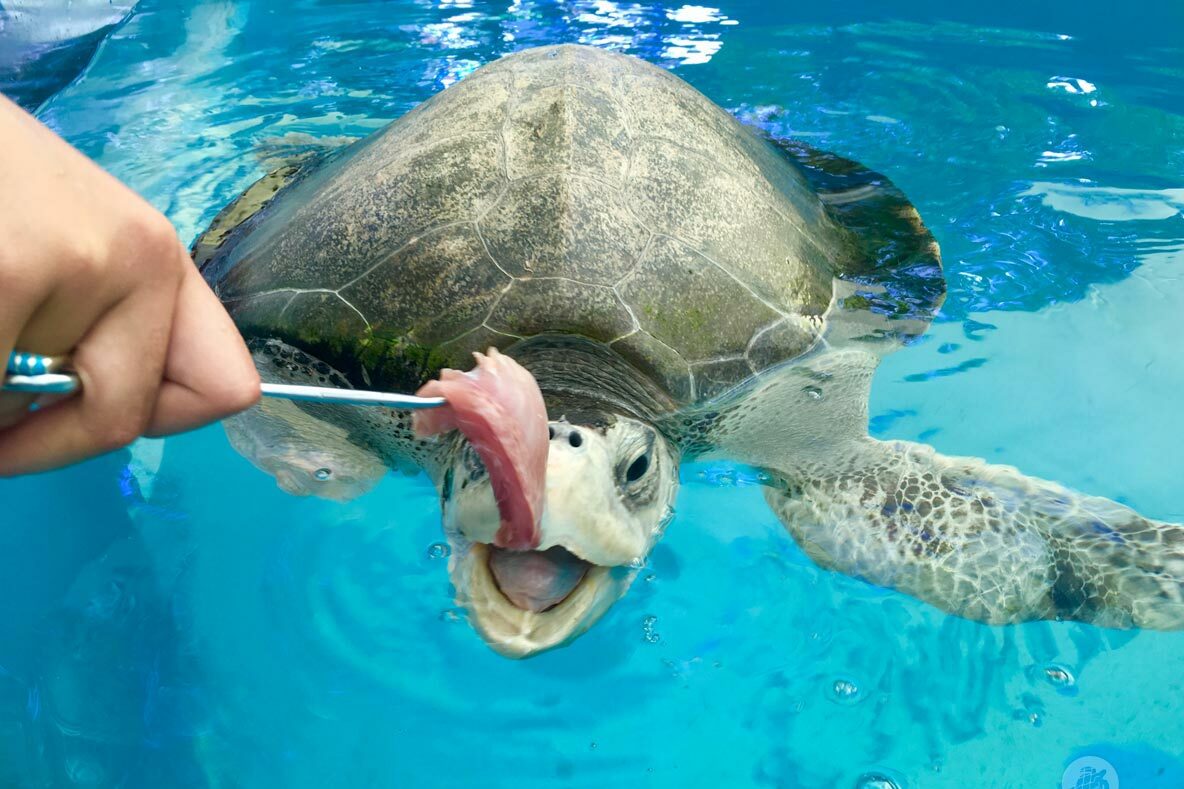
pivot62.com – The Olive Ridley sea turtle (Lepidochelys olivacea) is one of the most widespread and abundant sea turtles in the world, known for its mass nesting events called arribadas. These turtles are primarily found in tropical and subtropical oceans, where they play an essential role in marine ecosystems. Olive Ridley turtles are known for their highly adaptable and opportunistic feeding behavior, consuming a wide variety of food sources. In this article, we will explore the dietary habits of the Olive Ridley sea turtle, their feeding strategies, and their role in the marine food web.
A Varied and Omnivorous Diet
Olive Ridley sea turtles are omnivores, meaning they consume both plant and animal matter. This flexibility in their diet allows them to thrive in a variety of marine habitats and adapt to changing food availability. Unlike some other sea turtles that specialize in specific prey, Olive Ridleys have a more diverse diet, feeding on whatever is readily available.
1. Crustaceans and Mollusks
- Crustaceans, such as crabs, shrimp, and lobsters, make up a significant portion of the Olive Ridley’s diet. These turtles use their strong jaws to crush the hard shells of their prey, making crustaceans an easily accessible and nutritious food source.
- Mollusks, including clams, mussels, and snails, are another common prey item. Olive Ridleys are adept at prying open shells to access the soft tissue inside, which provides them with essential nutrients like protein and fats.
2. Jellyfish and Other Soft-Bodied Prey
- Olive Ridleys, like other sea turtles, are known to consume jellyfish. Despite the stinging tentacles of jellyfish, these turtles can safely consume them thanks to their thick skin and specialized feeding techniques.
- In addition to jellyfish, Olive Ridleys will eat other soft-bodied invertebrates such as sea anemones and tunicates, which are commonly found in coastal and open-ocean environments.
3. Algae and Seagrass
- While primarily carnivorous, Olive Ridley turtles also consume algae and seagrass when other food sources are scarce or unavailable. These plant materials provide important vitamins and fiber that help maintain the turtles’ digestive health.
- This plant-based diet is more common in juvenile turtles, which may feed in coastal areas where algae and seagrass beds are abundant, offering easy access to these plant resources.
4. Fish and Fish Eggs
- Olive Ridley turtles will also feed on small fish and fish eggs, especially when foraging in coastal or reef areas. These protein-rich foods are often consumed opportunistically and can be found in the diets of turtles in both pelagic (open ocean) and coastal habitats.
Feeding Behavior and Habitat
Olive Ridley sea turtles are primarily found in tropical and subtropical waters, where they inhabit coastal regions, estuaries, and open ocean environments. Their feeding behavior is highly adaptable, allowing them to forage in a range of habitats depending on their life stage and the availability of food.
1. Pelagic Foraging
- Adult Olive Ridleys are often found in the open ocean, where they feed on pelagic (open water) prey such as jellyfish, floating crustaceans, and fish. Their ability to dive to significant depths (up to 150 meters or 490 feet) enables them to access prey in deeper waters.
- While in the pelagic zone, Olive Ridleys also feed on planktonic organisms and debris, making them important contributors to nutrient cycling in the ocean.
2. Coastal Feeding
- Olive Ridleys will also forage in coastal waters, particularly during their nesting seasons when they come closer to shore. In these areas, they feed on benthic (bottom-dwelling) organisms such as crabs, mollusks, and sea cucumbers.
- Coastal areas also provide access to seagrass beds, which are particularly important for juvenile Olive Ridleys. These younger turtles may rely more on plant material as they transition to a fully carnivorous diet.
3. Opportunistic Feeding
- Olive Ridleys are opportunistic feeders, meaning they take advantage of whatever food sources are readily available. This ability to adapt to different environments and food supplies allows them to survive in a variety of habitats and contributes to their widespread distribution.
Ecological Role of Olive Ridley Turtles
Olive Ridley sea turtles play an important role in maintaining the balance of marine ecosystems. Their feeding habits help regulate prey populations and contribute to the health of marine habitats.
1. Controlling Jellyfish Populations
- By consuming large quantities of jellyfish, Olive Ridley turtles help regulate jellyfish populations. Without natural predators like sea turtles, jellyfish blooms can occur, which can have negative impacts on fish populations and marine ecosystems.
2. Nutrient Cycling in Marine Ecosystems
- Olive Ridleys contribute to nutrient cycling by consuming a variety of prey and excreting waste that provides nutrients to marine environments. This helps support the growth of seagrass and algae, which in turn supports other marine species.
3. Prey for Predators
- Despite being skilled predators themselves, Olive Ridley turtles are preyed upon by large sharks, orcas, and saltwater crocodiles. Their eggs and hatchlings are also vulnerable to a variety of predators, including birds, crabs, and mammals.
Threats to Olive Ridley Feeding Habits
Although Olive Ridley sea turtles are considered the most abundant sea turtle species, they still face numerous threats that impact their feeding behavior and habitats.
1. Overfishing and Bycatch
- Olive Ridley turtles are often caught as bycatch in fishing nets, particularly in trawl, gillnet, and longline fisheries. Accidental capture in fishing gear can result in injury or death, reducing turtle populations and affecting their ability to feed and reproduce.
2. Marine Pollution
- Marine pollution, particularly plastic debris, poses a significant threat to Olive Ridley turtles. Turtles may mistake plastic bags and other debris for jellyfish or other prey, leading to ingestion that can cause blockages in their digestive system or other health issues.
3. Coastal Development and Habitat Loss
- Coastal development and habitat destruction can reduce the availability of seagrass beds and benthic prey, especially for juveniles. Loss of feeding grounds may force Olive Ridleys to travel longer distances in search of food, increasing their risk of predation and human-related threats.
Conservation Efforts for Olive Ridley Sea Turtles
Efforts to protect Olive Ridley sea turtles focus on reducing bycatch, protecting nesting sites, and addressing marine pollution.
1. Bycatch Reduction Technologies
- The use of turtle excluder devices (TEDs) in fishing nets has proven to be an effective measure in reducing bycatch and helping to protect Olive Ridleys from accidental capture.
2. Marine Protected Areas
- Establishing marine protected areas (MPAs) in regions where Olive Ridleys forage and nest can help safeguard important habitats and ensure the availability of food resources.
3. Pollution Control and Cleanup Efforts
- Reducing marine pollution, particularly plastic waste, through cleanup efforts, public awareness campaigns, and better waste management practices is essential for protecting Olive Ridleys and other marine species from the dangers of ingesting debris.
Conclusion
The Olive Ridley sea turtle is a versatile and opportunistic feeder, capable of consuming a wide variety of marine organisms, including crustaceans, mollusks, jellyfish, and algae. This adaptability has contributed to the species’ widespread distribution and ability to thrive in both coastal and pelagic environments. However, human activities such as overfishing, pollution, and habitat destruction pose significant threats to the feeding habits and survival of these turtles. Conservation efforts are essential to ensure that Olive Ridley turtles continue to play their vital role in marine ecosystems for generations to come.