The Lively Set (1964): A High-Octane Adventure

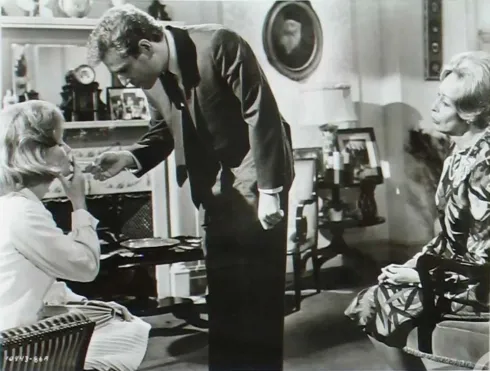
pivot62.com – “The Lively Set” is a 1964 American action-drama film that captures the excitement and thrill of car racing during the golden era of motoring. Directed by Jack Arnold, the film features a compelling mix of drama, speed, and innovation, appealing to car enthusiasts and adventure seekers alike.

Plot Overview

The film centers around Casey Owens, a young mechanic and aspiring car designer played by James Darren. Casey dreams of breaking the land speed record with a revolutionary turbine car engine he has developed. His journey takes a turn when he crosses paths with a wealthy playboy, Stanford Rogers, who hires him to build a car capable of setting a new speed record. Along the way, Casey must navigate the challenges of ambition, rivalry, and romance, all while pursuing his dream of automotive greatness.

Cast and Characters

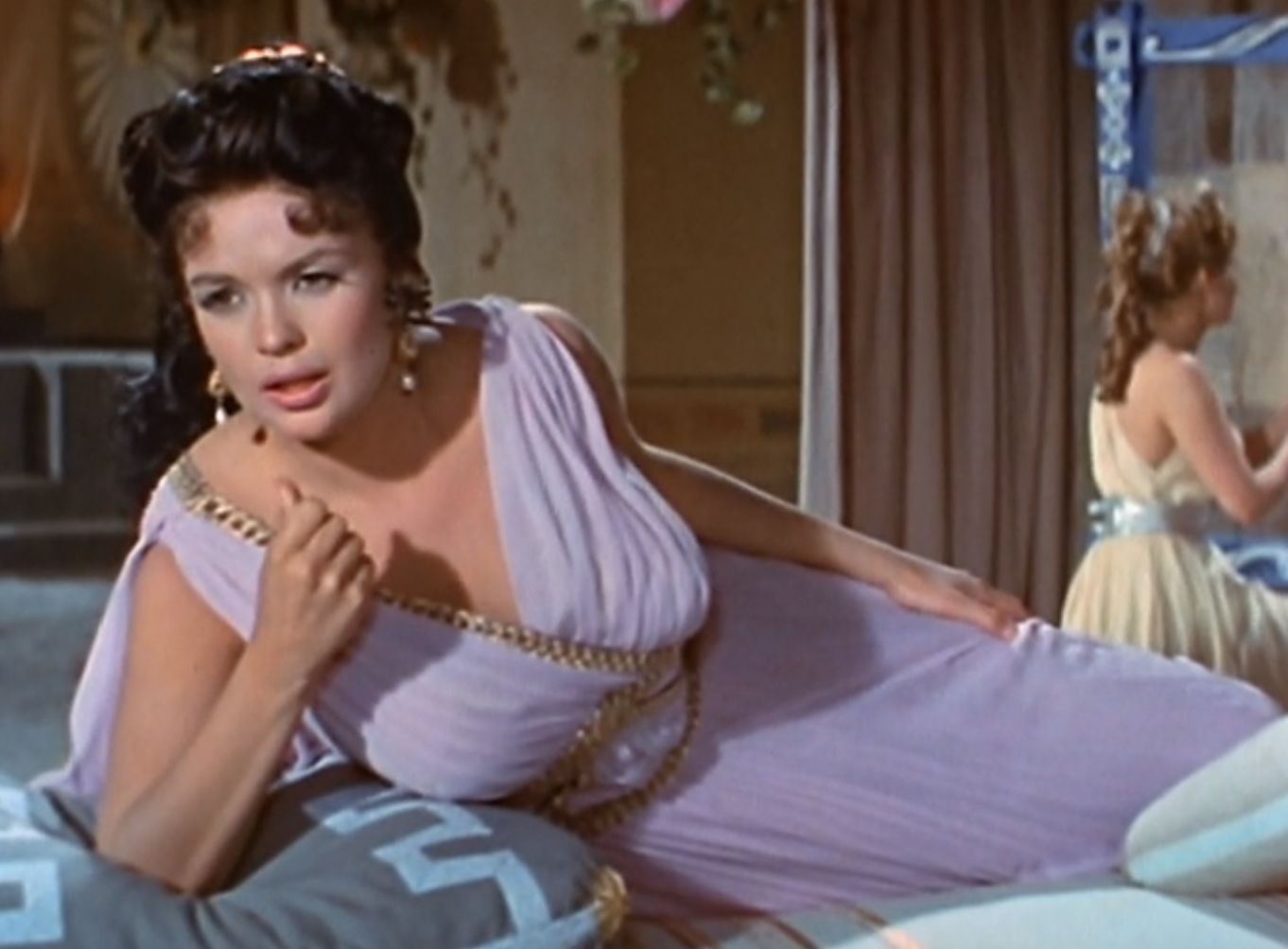
“The Lively Set” boasts a talented cast, including James Darren as Casey Owens, Pamela Tiffin as Eadie Manning, Doug McClure as Chuck Manning, and Joanie Sommers as Doreen Grey. The chemistry between the characters adds depth to the film, with each actor delivering performances that highlight the personal stakes and emotional beats of the story.

Music and Score

The film’s score, composed by Bobby Darin, complements the fast-paced action and emotional undertones of the narrative. The music enhances the film’s atmosphere, capturing the spirit of the 1960s and the adrenaline-fueled world of car racing.

Themes and Reception

“The Lively Set” explores themes of innovation, ambition, and the pursuit of dreams. It reflects the burgeoning car culture of the 1960s and the fascination with speed and technology. While the film received mixed reviews upon release, it remains a nostalgic piece for fans of classic car films and those interested in the era’s automotive advancements.

Conclusion

“The Lively Set” (1964) offers a thrilling glimpse into the world of car racing, combined with a story of personal ambition and innovation. Its engaging plot and dynamic performances make it a memorable film that continues to resonate with audiences who appreciate the thrill of the race and the pursuit of dreams.

The Transformative Journey in “When the Circus Came to Town” (1981)

pivot62.com – “When the Circus Came to Town” is a heartwarming 1981 TV movie that chronicles a woman’s transformative journey with a traveling circus. Directed by Boris Sagal, the film weaves a tale of self-discovery, adventure, and personal growth, set against the vibrant backdrop of a circus. This article delves into the film’s plot, its central characters, and the themes that make it a touching story of renewal and change.

Plot Overview

The story follows Mary Flynn, portrayed by Elizabeth Montgomery, a woman who has lived a quiet and uneventful life in a small town. Feeling trapped by her mundane existence, Mary seizes the opportunity to join a traveling circus, embarking on a journey that will change her life forever. The circus becomes a symbol of freedom and possibility, offering Mary a chance to reinvent herself and explore the world beyond her familiar surroundings.

As Mary immerses herself in the circus life, she encounters a colorful array of characters, each contributing to her journey of self-discovery. Through her experiences, Mary learns about friendship, love, and the courage it takes to pursue one’s dreams.

Character Dynamics

Elizabeth Montgomery brings depth and warmth to the character of Mary Flynn, capturing her initial hesitance and eventual blossoming as she embraces her new life. Her portrayal highlights the resilience and adaptability required to step outside one’s comfort zone.

The ensemble cast, including Christopher Plummer as Duke Royal, the charismatic circus manager, adds richness to the narrative. Duke becomes both a mentor and a friend to Mary, guiding her through the challenges and joys of circus life. The interactions between Mary and the circus performers illustrate the importance of community and support in personal transformation.

Themes and Cinematic Style

“When the Circus Came to Town” explores themes of self-discovery, courage, and the pursuit of happiness. Mary’s journey reflects the universal desire for change and the willingness to take risks in order to find fulfillment. The circus, with its vibrant and unpredictable nature, serves as a metaphor for life’s possibilities and the excitement of the unknown.

The film’s visual style captures the whimsy and spectacle of the circus, creating a colorful and enchanting atmosphere that enhances the story’s emotional depth. The juxtaposition of Mary’s quiet past with the lively world of the circus emphasizes her growth and the transformative power of new experiences.

Conclusion

“When the Circus Came to Town” is a delightful tale of self-discovery and adventure, offering a poignant reminder of the importance of following one’s dreams. Through its engaging characters and uplifting narrative, the film delivers a message of hope and renewal that resonates with audiences seeking inspiration and change. Elizabeth Montgomery’s performance, combined with the film’s vibrant setting, makes “When the Circus Came to Town” a memorable and heartening cinematic experience.

Unveiling the Magic: “The Cave of the Golden Rose” (Fantaghirò)

pivot62.com – “The Cave of the Golden Rose,” originally titled “Fantaghirò,” is an Italian fantasy miniseries that first captivated audiences in the early 1990s. With its enchanting blend of fairy tale elements, adventure, and romance, the series has become a beloved classic, especially among European viewers.

A Tale of Courage and Destiny

The story follows Fantaghirò, a courageous and spirited princess played by Alessandra Martines. Unlike traditional fairy tale heroines, Fantaghirò defies gender norms by taking up arms and embarking on daring quests. Her journey is filled with challenges, magical encounters, and an epic battle against the dark forces threatening her kingdom.

The Cast and Their Enchanting Performances

Alessandra Martines’ portrayal of Fantaghirò is both strong and endearing, capturing the character’s bravery and heart. The series also features a talented ensemble cast, including Kim Rossi Stuart as Prince Romualdo, who becomes Fantaghirò’s ally and love interest. Their chemistry adds depth and charm to the narrative, making their adventures more compelling.

Visuals and Fantasy Elements

“The Cave of the Golden Rose” is renowned for its imaginative set designs and special effects, which bring its magical world to life. From lush forests to mystical caves, the series creates an immersive fantasy realm that draws viewers into its enchanting narrative. The use of practical effects and creative costuming enhances the fairy tale atmosphere, lending authenticity and allure to the story.

Themes of Empowerment and Love

At its core, “The Cave of the Golden Rose” explores themes of empowerment, love, and the struggle between good and evil. Fantaghirò’s journey is not only a physical quest but also a path of self-discovery and empowerment, challenging traditional roles and inspiring audiences with her resilience and determination.

Reception and Lasting Legacy

Upon its release, “The Cave of the Golden Rose” received widespread acclaim for its storytelling, performances, and production quality. It has since gained a devoted fan base, appreciated for its timeless appeal and its ability to transport viewers to a world of magic and adventure. The series has spawned several sequels, further expanding its fantastical universe.

Conclusion: The Enduring Charm of “The Cave of the Golden Rose”

“The Cave of the Golden Rose” (Fantaghirò) remains a cherished part of fantasy folklore, celebrated for its enchanting story and its empowering heroine. As audiences continue to seek out tales of adventure and wonder, Fantaghirò’s legacy endures, reminding us of the power of courage, love, and the magic that lies within every great story.

Carnal Knowledge (1971): Sexuality and Relationships

pivot62.com – “Carnal Knowledge,” a 1971 American comedy-drama film directed by Mike Nichols, is a bold and incisive exploration of sexuality and relationships. Written by Jules Feiffer, the film stars Jack Nicholson, Art Garfunkel, Candice Bergen, and Ann-Margret. It provides a candid look at the complexities of male sexual desire and the evolving nature of relationships over several decades, from college days to middle age.

Plot Overview

The film follows the lives of two friends, Jonathan (played by Jack Nicholson) and Sandy (played by Art Garfunkel), who meet in college and develop a lifelong friendship. As they navigate their way through various romantic entanglements, the film chronicles their changing attitudes towards women and sexuality. The narrative unfolds through a series of vignettes that capture the key moments in their personal and sexual lives, highlighting their triumphs, failures, and frustrations.

Themes and Analysis

“Carnal Knowledge” delves into themes of sexual liberation, male insecurity, and the objectification of women. The film critiques the superficial nature of relationships built on physical attraction and the societal pressures that shape male identity. Through Jonathan and Sandy, the film examines how men often grapple with their desires and insecurities, leading to dysfunctional relationships and a lack of fulfillment.

Mike Nichols’ direction provides a stark, unflinching look at the characters’ struggles, making “Carnal Knowledge” a provocative commentary on the sexual revolution and its impact on personal relationships. The film’s candid dialogue and raw portrayal of intimacy challenge viewers to reflect on their own perceptions of love and sexuality.

Performances and Direction

Jack Nicholson delivers a powerful performance as Jonathan, capturing the character’s charisma and underlying vulnerability. Art Garfunkel, in one of his first major film roles, portrays Sandy with a subtlety that contrasts sharply with Nicholson’s intensity. Ann-Margret, who plays one of Jonathan’s lovers, earned an Academy Award nomination for her role, showcasing the emotional depth and complexity of her character.

Mike Nichols’ direction is both daring and insightful, using the film’s minimalist setting to focus on the characters’ psychological and emotional journeys. The screenplay by Jules Feiffer complements Nichols’ vision, offering sharp, incisive dialogue that drives the film’s exploration of its themes.

Cultural Impact

Upon its release, “Carnal Knowledge” was both controversial and critically acclaimed, praised for its honest portrayal of adult relationships and its exploration of taboo subjects. The film’s bold approach to sexuality and its critique of societal norms resonated with audiences, making it a significant contribution to the era’s cinematic landscape.

Conclusion

“Carnal Knowledge” stands as a provocative and thought-provoking film that challenges viewers to examine the complexities of human relationships and the societal constructs that influence them. Its exploration of sexual dynamics and personal identity remains relevant, making it a compelling piece of cinema that continues to provoke discussion and analysis.

Bossam: The Delightful Korean Boiled Pork Wraps

pivot62.com – Bossam is a cherished Korean dish that showcases the art of wrapping tender slices of boiled pork in fresh vegetables. Known for its rich flavors and interactive dining experience, Bossam is a popular choice for gatherings and celebrations. This dish combines savory pork, crunchy vegetables, and a variety of condiments, offering a harmonious blend of textures and tastes.

Historical Background and Cultural Significance

Bossam has its origins in Korean culinary traditions dating back centuries. It was traditionally prepared during kimjang, the annual kimchi-making season, as a way to celebrate and complement the fresh kimchi. Over time, Bossam has become a beloved dish enjoyed throughout the year, synonymous with communal dining and festive occasions. Its preparation and presentation reflect the importance of sharing and togetherness in Korean culture.

Key Ingredients and Flavor Profile

The main ingredients in Bossam include pork, usually pork belly or shoulder, and a selection of fresh vegetables and herbs for wrapping. The dish is accompanied by various sides and condiments, enhancing its flavor:

  • Pork: Boiled until tender, the pork is seasoned with spices such as garlic, ginger, and bay leaves, resulting in a juicy and flavorful meat.
  • Vegetables: Commonly used wrappers include lettuce, napa cabbage, and perilla leaves, providing a fresh and crisp contrast to the rich pork.
  • Condiments: Includes ssamjang (spicy dipping sauce), kimchi, garlic slices, and pickled radish, adding layers of flavor and spice.

Preparation Method

  1. Boiling the Pork: Begin by boiling the pork with garlic, ginger, and bay leaves until it becomes tender and flavorful. This usually takes about 1.5 to 2 hours, depending on the cut of meat.
  2. Preparing the Wraps: While the pork is cooking, wash and prepare the vegetables. Separate the leaves and arrange them on a platter for easy wrapping.
  3. Making the Ssamjang Sauce: Mix together doenjang (soybean paste), gochujang (red pepper paste), minced garlic, sesame oil, and a touch of sugar to create the savory ssamjang sauce.
  4. Assembling the Wraps: Once the pork is cooked, slice it into thin pieces. To assemble a wrap, take a vegetable leaf, place a slice of pork on top, add a dollop of ssamjang, a piece of kimchi, and any other desired condiments. Roll it up, and enjoy!

Serving Suggestions

Bossam is best served as a communal dish, allowing diners to customize their wraps to their liking. It is often accompanied by a variety of banchan (side dishes) and is traditionally enjoyed with a bowl of steaming rice. A popular pairing is with makgeolli, a Korean rice wine, which complements the flavors of the dish perfectly.

Conclusion

Bossam is a testament to the beauty of Korean cuisine, emphasizing the joy of sharing and the harmony of flavors. Its combination of tender pork, fresh vegetables, and flavorful condiments creates a delicious and interactive dining experience. Whether enjoyed with family or friends, Bossam offers a taste of Korean culinary tradition that is both satisfying and memorable.

O. Henry’s Full House (1952): A Anthology of Literary Classics

pivot62.com – “O. Henry’s Full House” is a 1952 American anthology film that brings to the screen five of the most beloved short stories by the renowned author O. Henry. This unique film, directed by five different directors, showcases the wit, irony, and charm that characterize O. Henry’s storytelling. With an ensemble cast, the film captures the essence of early 20th-century America through its diverse and compelling narratives.

Plot Overview

The film is divided into five segments, each directed by a different filmmaker and featuring a distinct story by O. Henry:

  1. “The Cop and the Anthem” – Directed by Henry Koster and starring Charles Laughton and Marilyn Monroe, this segment follows Soapy, a homeless man in New York City, as he attempts to get arrested to secure shelter for the winter. His comedic yet poignant endeavors highlight the unpredictability of life.
  2. “The Clarion Call” – Directed by Henry Hathaway, this story features a detective, played by Dale Robertson, who must grapple with his personal ethics when he encounters a criminal from his past, portrayed by Richard Widmark.
  3. “The Last Leaf” – Jean Negulesco directs this touching tale about friendship and hope, starring Anne Baxter and Jean Peters. Set in Greenwich Village, the story revolves around a young woman stricken with pneumonia and her artist neighbor’s struggle to keep her spirits alive.
  4. “The Ransom of Red Chief” – Directed by Howard Hawks, this comedic story stars Fred Allen and Oscar Levant as two hapless kidnappers who find themselves at the mercy of their young captive, a mischievous boy more than capable of handling his own.
  5. “The Gift of the Magi” – Directed by Henry King, this classic tale of selfless love stars Jeanne Crain and Farley Granger as a young couple who sacrifice their most prized possessions to buy each other meaningful Christmas gifts, only to discover the true meaning of love and giving.

Key Themes

The film beautifully encapsulates O. Henry’s signature themes of irony, love, sacrifice, and the twists of fate that often define human experience. Each segment offers a unique moral lesson, delivered with the author’s characteristic wit and emotional depth.

Cinematic Significance

“O. Henry’s Full House” is significant for its ambitious attempt to translate literary classics into cinematic form. The film showcases the talents of its diverse cast and directors, each bringing their own style and interpretation to O. Henry’s stories. The anthology format allows viewers to experience a range of emotions, from laughter to tears, within a single film.

Conclusion

“O. Henry’s Full House” remains a testament to the timeless appeal of O. Henry’s storytelling. Its engaging narratives and memorable performances make it a cherished piece of cinematic history, offering audiences a chance to experience the humor and humanity that define O. Henry’s work.

4bia (2008): A Thrilling Anthology of Supernatural Tales

pivot62.com – “4bia” (also known as “Phobia”), released in 2008, is a Thai horror anthology film that delivers four distinct yet interwoven tales of the supernatural. Directed by a team of talented filmmakers — Banjong Pisanthanakun, Parkpoom Wongpoom, Paween Purikitpanya, and Yongyoot Thongkongtoon — the film showcases a variety of horror styles, from psychological suspense to outright terror.

Segment Summaries

1. Happiness

The first story, directed by Yongyoot Thongkongtoon, centers on a young woman named Pin who is confined to her apartment due to a broken leg. Isolated and lonely, she begins to communicate with a mysterious stranger via text messages. As the conversation progresses, Pin discovers that her new acquaintance may not be as benign as he seems. This segment explores themes of loneliness and the dangers of digital communication, building suspense through an atmosphere of claustrophobia and isolation.

2. Tit for Tat

Directed by Paween Purikitpanya, the second tale takes a darker, more intense turn. It follows a group of teenagers who are cursed after bullying a classmate. As the curse begins to exact its gruesome vengeance, the story delves into themes of retribution and the consequences of one’s actions. Known for its fast-paced and visually striking style, this segment combines elements of supernatural horror with a moral lesson on bullying.

3. In the Middle

Banjong Pisanthanakun directs the third story, which infuses humor into horror. It follows a group of friends on a camping trip in the jungle. After a night of ghost stories, one of the friends goes missing during a rafting accident. The remaining friends are left to confront their fears as eerie events unfold. This segment cleverly plays with horror clichés and adds a comedic twist, making it both frightening and entertaining.

4. Last Fright

The final story, directed by Parkpoom Wongpoom, is a chilling narrative set aboard a plane. A flight attendant, Pim, is tasked with accompanying the body of a deceased princess on a private flight. Alone in the cabin, Pim’s journey becomes a nightmare as she is haunted by unsettling occurrences. This segment is a study in suspense and isolation, expertly building tension through its confined setting and psychological horror elements.

Themes and Analysis

“4bia” explores a range of themes, including isolation, retribution, fear of the unknown, and the supernatural. Each story offers a unique perspective on these themes, showcasing the directors’ diverse approaches to horror. The anthology format allows the film to experiment with different tones and styles, keeping audiences engaged and on edge.

Cinematic Techniques

The film is notable for its use of practical effects, atmospheric music, and creative storytelling. Each director brings their own flair to their segment, using lighting, sound, and camera angles to heighten suspense and fear. The anthology format allows for a rich variety of horror experiences, from psychological to supernatural.

Conclusion

“4bia” stands out as an innovative and compelling entry in the horror genre, offering a diverse array of stories that cater to different horror tastes. Its blend of suspense, humor, and supernatural elements, combined with strong storytelling and direction, makes it a memorable watch for fans of horror anthologies.

Exploring Lijiang Ancient Town: A Journey Through Time

pivot62.com – Nestled in the foothills of the majestic Jade Dragon Snow Mountain in Yunnan Province, Lijiang Ancient Town is a UNESCO World Heritage Site renowned for its well-preserved architecture and vibrant cultural heritage. Often referred to as the “Venice of the East,” Lijiang is a captivating blend of natural beauty and historical intrigue, drawing visitors with its picturesque canals, cobblestone streets, and traditional Naxi culture.

Historical Background of Lijiang Ancient Town

Origins and Development

Lijiang Ancient Town dates back over 800 years, its origins rooted in the Song Dynasty. It flourished as a trading hub on the ancient Tea Horse Road, a network of caravan trails that facilitated trade between China, Tibet, and beyond. The town’s strategic location and rich cultural exchanges contributed to its unique architectural style and multicultural atmosphere.

Naxi Culture and Heritage

The town is home to the Naxi people, an ethnic minority with a rich cultural heritage. The Naxi are known for their ancient Dongba script, a pictographic language used in religious texts and ceremonies. Their traditional music, known as Naxi Ancient Music, is a fascinating blend of Han, Tibetan, and local influences and is often performed in the town’s teahouses and cultural venues.

Architectural Features of Lijiang Ancient Town

Traditional Naxi Architecture

Lijiang Ancient Town is celebrated for its distinctive Naxi architecture, characterized by wooden structures, tiled roofs, and intricately carved windows. The buildings seamlessly integrate with the natural landscape, reflecting the Naxi philosophy of harmony between humans and nature. This architectural style offers a glimpse into the town’s historical and cultural evolution.

Canals and Bridges

One of Lijiang’s most enchanting features is its network of canals and stone bridges. Fed by the waters of the nearby mountains, these canals wind through the town, creating a serene and picturesque setting. The bridges, each with its own unique design, connect the town’s labyrinthine streets and serve as charming vantage points for photography and reflection.

Exploring Lijiang Ancient Town

Sifang Street

At the heart of Lijiang Ancient Town is Sifang Street, a bustling square that has been the town’s commercial and social center for centuries. Lined with shops, restaurants, and teahouses, Sifang Street is the perfect place to experience the local culture, sample traditional Naxi cuisine, and shop for handicrafts and souvenirs.

Mu Family Mansion

A visit to Lijiang would be incomplete without exploring the Mu Family Mansion, the former residence of the ruling Mu clan. This expansive complex showcases the wealth and influence of the Mu family and offers insight into the town’s historical governance. The mansion’s beautiful gardens and ornate architecture make it a highlight of any Lijiang itinerary.

Conclusion

Lijiang Ancient Town is a living museum that transports visitors back in time, offering a glimpse into the rich tapestry of China’s ethnic diversity and historical legacy. Its harmonious blend of natural beauty, cultural richness, and historical preservation make it a must-visit destination for anyone seeking an authentic and immersive travel experience. Whether you are wandering its charming streets or enjoying the melodies of Naxi Ancient Music, Lijiang promises a journey filled with discovery and enchantment.

Tempeh: The Nutrient-Rich Fermented Soybean Cake

pivot62.com – Tempeh, a traditional Indonesian food, has been celebrated for centuries as a nutritious and versatile ingredient. This fermented soybean cake is gaining popularity worldwide for its high protein content, unique texture, and health benefits. In this article, we will explore the history, preparation, nutritional value, and culinary uses of tempeh.

The Origins of Tempeh

Tempeh originated on the island of Java in Indonesia, where it has been a staple in the local diet for hundreds of years. The fermentation process used to make tempeh is believed to have been developed by the Javanese as a way to preserve soybeans and enhance their nutritional value. Over time, tempeh has become a significant part of Indonesian cuisine and has spread to other parts of Southeast Asia and beyond.

How Tempeh is Made

The process of making tempeh involves fermenting cooked soybeans with a specific type of mold, usually Rhizopus oligosporus. The soybeans are soaked, dehulled, cooked, and then mixed with the mold spores. The mixture is then spread into a thin layer and incubated at a warm temperature for about 24 to 48 hours. During this time, the mold grows and binds the soybeans into a firm, cake-like structure with a distinct, nutty flavor.

Nutritional Benefits of Tempeh

Tempeh is highly regarded for its nutritional profile, making it an excellent addition to a balanced diet. It is an excellent source of plant-based protein, providing all essential amino acids, which makes it a popular choice among vegetarians and vegans. Additionally, tempeh is rich in vitamins and minerals, including calcium, iron, and magnesium. The fermentation process also enhances the bioavailability of nutrients and introduces beneficial probiotics that support gut health.

Culinary Uses of Tempeh

Tempeh’s firm texture and robust flavor make it a versatile ingredient in various dishes. It can be sliced, cubed, or crumbled and incorporated into a range of recipes. Tempeh can be grilled, sautéed, steamed, or baked, and it readily absorbs flavors from marinades and sauces. Popular dishes featuring tempeh include tempeh stir-fries, sandwiches, salads, and curries. Its adaptability makes it a valuable ingredient for both traditional and modern culinary creations.

Tempeh in Global Cuisine

Beyond its Indonesian roots, tempeh has gained recognition in global cuisine as a nutritious meat alternative. In Western countries, it is often used as a protein-rich substitute in vegetarian and vegan dishes. Chefs around the world have embraced tempeh’s versatility, incorporating it into a variety of international cuisines, from Asian-inspired dishes to Mediterranean and American fare.

Conclusion

Tempeh is a testament to the ingenuity of traditional Indonesian food preservation methods, offering a delicious and healthful option for those seeking plant-based nutrition. Its rich protein content, unique texture, and adaptability in the kitchen have made it a favorite among health-conscious eaters and culinary enthusiasts alike. Whether enjoyed in its traditional form or as part of a contemporary dish, tempeh continues to be celebrated as a nutrient-rich fermented treasure.

Halloween 2024: The Curse of the Black Cat

pivot62.com – Throughout history, black cats have been shrouded in mystery and superstition. Often associated with witches and dark magic, these feline creatures have been both feared and revered. As Halloween 2024 approaches, the theme “The Curse of the Black Cat” invites us to explore the rich folklore and cultural significance of these enigmatic animals, casting them as the stars of this year’s spooky celebrations.

The Superstitions and Myths

Historical Background

The association between black cats and Halloween dates back to ancient times. In medieval Europe, black cats were often believed to be witches’ familiars, companions that aided in casting spells and performing magical tasks. This belief contributed to the superstition that crossing paths with a black cat could bring bad luck or a curse.

Cultural Interpretations

While black cats have been linked to bad luck in many Western cultures, they are considered symbols of good fortune in others. In Japan, for instance, owning a black cat is thought to attract positive energy and prosperity. This duality adds to their allure, making them a fascinating subject for Halloween tales.

The Legend of the Curse

A Halloween Tale

The theme “The Curse of the Black Cat” conjures images of haunted houses, shadowy figures, and eerie encounters. According to legend, a mischievous black cat with glowing eyes roams the streets on Halloween night, bringing mischief and mystery wherever it goes. Some say that if you catch a glimpse of this elusive feline, you’ll be both blessed with good luck and cursed with a night of spine-tingling adventures.

Embracing the Theme

This Halloween, communities and individuals are encouraged to embrace “The Curse of the Black Cat” by incorporating the theme into their celebrations. From black cat-themed decorations and costumes to storytelling sessions featuring tales of mystery and magic, there are countless ways to bring this legend to life.

Halloween Celebrations 2024

Costume Ideas

For those looking to embody the spirit of the black cat, costumes can range from classic cat ears and tails to elaborate witch and familiar ensembles. DIY enthusiasts can craft unique outfits using black fabrics, face paint, and shimmering accessories to capture the mystique of these creatures.

Themed Parties and Events

Halloween parties and events are a perfect opportunity to explore the theme further. Consider hosting a “Curse of the Black Cat” party with themed games, decorations, and snacks. Create a haunting atmosphere with dim lighting, shadowy silhouettes, and, of course, a few black cat figurines strategically placed to surprise guests.

The Magic of Embracing Superstition

Reflecting on Tradition

While the idea of black cats as harbingers of doom is rooted in superstition, Halloween 2024 offers a chance to reflect on and reinterpret these beliefs. By embracing the theme, we can celebrate the mystery and magic that make Halloween such a beloved holiday, while also appreciating the beauty and grace of black cats.

Conclusion: A Night of Enchantment

As Halloween 2024 unfolds, “The Curse of the Black Cat” promises a night filled with enchantment, storytelling, and a touch of the supernatural. Whether you’re planning a themed party, dressing up in a creative costume, or simply enjoying a spooky movie marathon, let the legend of the black cat inspire your Halloween celebrations. Embrace the magic and mystery of the season, and remember that sometimes, the most captivating stories are those that leave a little room for the unknown.