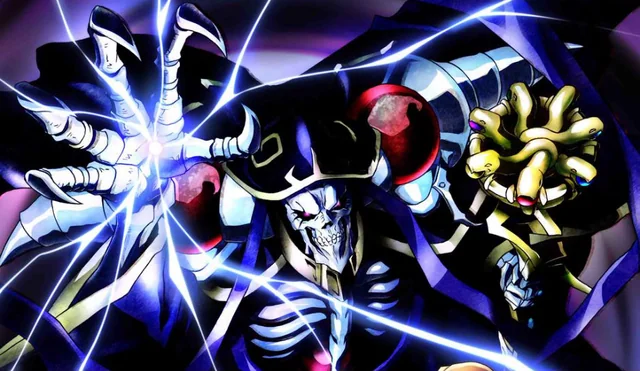
Overlord: A Fantasy Isekai with a Powerful Undead Protagonist

pivot62.com – Overlord is a dark fantasy isekai anime and light novel series that presents a unique take on the genre. Instead of a typical hero striving for justice, the protagonist is an immensely powerful undead sorcerer who finds himself trapped in a new world with his loyal NPC subordinates.   

Momonga and the Great Tomb of Nazarick in a New World

The story begins in the year 2138, with the popular Dive Massively Multiplayer Online Role-Playing Game (DMMORPG) Yggdrasil about to be shut down. Momonga, the leader of the powerful guild Ainz Ooal Gown, decides to stay logged in until the servers close as a final farewell to the game and his memories. However, instead of being logged out, he finds himself transported to a new world along with the Great Tomb of Nazarick, the guild’s headquarters, and its loyal NPC inhabitants.

Ainz Ooal Gown: The Undead Sorcerer Seeking to Understand His New Reality

Now trapped in this new world as his skeletal avatar, Ainz Ooal Gown (formerly Momonga) grapples with his new reality. He is immensely powerful, possessing the full extent of his game character’s abilities and items. However, he is also emotionally detached due to his undead nature, making it difficult for him to connect with others on a human level.

A Dark Fantasy Setting with Complex Moral Ambiguity

Overlord is set in a dark fantasy world filled with danger, political intrigue, and moral ambiguity. Ainz, while not inherently evil, prioritizes the safety and prosperity of Nazarick above all else, often leading to morally questionable actions. The series explores the consequences of immense power and the complexities of leadership in a world where traditional notions of good and evil are blurred.   

Strategic Planning and Overwhelming Power: A Unique Power Dynamic

A key aspect of Overlord is the dynamic between Ainz and his loyal subordinates. The NPCs of Nazarick, now possessing their own personalities and motivations, are fiercely loyal to Ainz and interpret his every word as a command. This dynamic, combined with Ainz’s overwhelming power, leads to strategic planning and often decisive victories against their enemies.

A Compelling Exploration of Power and Leadership

Overlord offers a compelling exploration of power, leadership, and the challenges of adapting to a new reality. It’s a dark and engaging isekai series that stands out for its unique protagonist, complex world-building, and morally ambiguous themes.
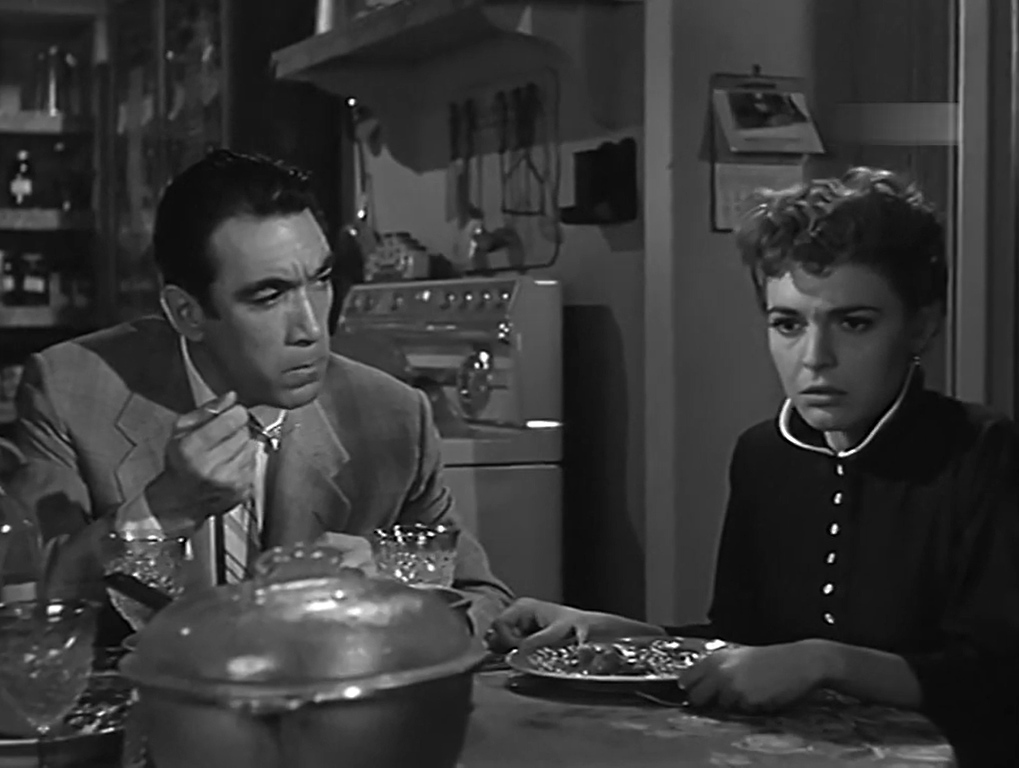
The Naked Street: A Gritty Noir Gem – A Dark & Twisted Tale

www.pivot62.com – The Naked Street is a 1955 film noir that delves into the seedy underbelly of New York City. Directed by Maxwell Shane, the film offers a gritty and realistic portrayal of the criminal underworld, marked by violence, betrayal, and moral ambiguity.   

A Family Bound by Crime

The film centers around the Regal family, a clan of ruthless gangsters. Anthony Quinn delivers a powerful performance as Phil Regal, a volatile and protective brother who will stop at nothing to safeguard his family. His younger sister, Rosalie (played by a young Anne Bancroft), is a naive and vulnerable woman who becomes entangled in the criminal world.   

A Twist of Fate

When Rosalie becomes pregnant by a convicted criminal, Nick Branda (Farley Granger), Phil intervenes to secure his release from prison. However, as Nick proves to be irresponsible and untrustworthy, Phil’s loyalty is tested. The film explores the complex dynamics of family, love, and betrayal, as the characters navigate a dangerous world with high stakes.   

A Classic Noir Aesthetic

The Naked Street is a classic example of the film noir genre. Its dark and shadowy cinematography, evocative score, and morally ambiguous characters create a sense of suspense and doom. The film’s gritty realism and unflinching portrayal of violence set it apart from other crime dramas of the era.   

A Forgotten Gem

Despite its strong performances and compelling narrative, The Naked Street is often overlooked in discussions of classic film noir. It is a hidden gem that deserves to be rediscovered by a new generation of film lovers.

Maleficent: The Dark Fairy – Origins and Character Design

pivot62.com – Maleficent, known as “The Dark Fairy,” is one of Disney’s most iconic and complex villains. Originating from the classic animated film “Sleeping Beauty,” Maleficent has captivated audiences with her striking appearance and formidable magical powers. This article delves into Maleficent’s character, exploring her origins, motivations, and the impact she has had on popular culture.

Origins and Character Design

Maleficent first appeared in Disney’s 1959 animated film “Sleeping Beauty,” based on Charles Perrault’s fairy tale and the Brothers Grimm’s version. She is characterized by her dramatic, dark attire, horned headdress, and flowing cape, which contribute to her menacing presence. Her design, inspired by medieval and gothic art, emphasizes her role as a powerful and sinister force.

Personality and Powers

Maleficent is portrayed as a vengeful and cunning fairy, wielding immense magical abilities. Her powers include shape-shifting, weather manipulation, and the casting of powerful curses. Driven by a desire for revenge after being snubbed by King Stefan and Queen Leah, Maleficent curses their daughter, Princess Aurora, to fall into an eternal sleep upon pricking her finger on a spinning wheel. Her motivations are rooted in a sense of betrayal and a desire to assert her dominance.

Role in “Sleeping Beauty”

In “Sleeping Beauty,” Maleficent serves as the central antagonist, orchestrating a plan to ensure Aurora’s fate is sealed. Her actions drive the plot forward, creating a sense of urgency for the other characters to prevent the curse from taking effect. Despite her villainous intentions, Maleficent’s character exudes a certain charisma and elegance, making her a compelling figure to audiences.

Reimagining and Redemption

The 2014 live-action film “Maleficent” reimagined the character, providing a backstory and exploring her complexities. Portrayed by Angelina Jolie, Maleficent is depicted as a misunderstood figure whose actions stem from past trauma and betrayal. This reinterpretation adds depth to her character, transforming her from a one-dimensional villain into a multifaceted anti-heroine.

Cultural Impact

Maleficent has become a cultural icon, representing the archetype of the “dark fairy” in popular media. Her image is synonymous with elegance and power, and she has been featured in various adaptations, merchandise, and theme park attractions. Maleficent’s character has inspired discussions on the nature of villainy and the possibility of redemption, influencing how villains are portrayed in modern storytelling.

Conclusion

Maleficent, The Dark Fairy, remains a towering figure in the pantheon of Disney villains. Her blend of beauty, power, and complexity continues to captivate audiences, ensuring her place in the annals of cinematic history. As interpretations of her character evolve, Maleficent’s legacy as both a villain and a misunderstood figure underscores the enduring appeal of stories that challenge traditional notions of good and evil.