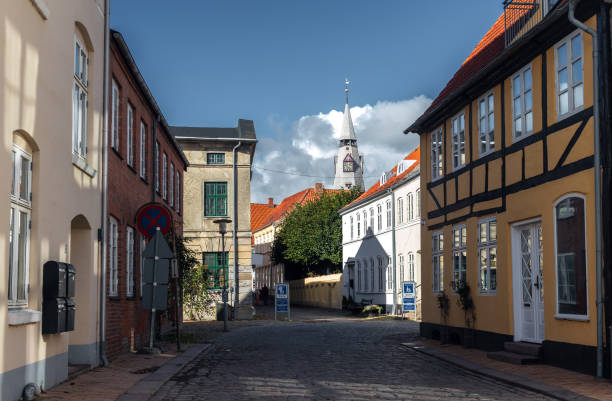
Syddanmark (South Denmark): The Sunny South of Denmark

pivot62.com – Syddanmark, or South Denmark, is the southernmost region of Denmark, known for its stunning coastline, historic castles, and vibrant cities. This region offers a unique blend of urban excitement, rural tranquility, and outdoor adventure.

A Coastal Paradise

Syddanmark’s coastline is a highlight of the region. With its sandy beaches, charming coastal towns, and picturesque islands, it’s a haven for nature lovers and water sports enthusiasts.

  • Fyn: This beautiful island is known for its historic castles, charming villages, and stunning coastline.
  • Ærø: A picturesque island with beautiful beaches, historic towns, and unique cultural traditions.
  • Als: This island offers stunning scenery, historic sites, and delicious local cuisine.

A Historic Journey

Syddanmark is steeped in history, with numerous castles, manor houses, and ancient sites.

  • Sønderborg Castle: This impressive Renaissance castle is one of the most iconic landmarks in South Denmark.
  • Koldinghus: A magnificent Renaissance castle that houses a fascinating museum.
  • Tønder: A historic town with well-preserved medieval architecture and a charming atmosphere.

A Culinary Delight

Syddanmark is a foodie’s paradise, with a focus on fresh, local ingredients.

  • Smørrebrød: Open-faced sandwiches are a Danish staple, and South Denmark offers unique variations with local ingredients.
  • Fiskekasser: Traditional fish shops offer a wide variety of fresh seafood, including herring, cod, and mackerel.
  • Æblekage: Apple cake is a popular dessert, and South Denmark is known for its delicious apple varieties.

A Modern and Vibrant Region

Despite its historic charm, Syddanmark is a modern and dynamic region. The cities of Odense and Kolding offer a vibrant cultural scene, with world-class music festivals, art exhibitions, and culinary experiences.

  • Odense: The birthplace of Hans Christian Andersen, Odense is a charming city with beautiful parks, historic buildings, and a thriving cultural scene.
  • Kolding: This historic city offers a mix of old and new, with a beautiful castle, modern shopping centers, and a vibrant nightlife.

Syddanmark is a region that offers a perfect blend of history, culture, and natural beauty. Whether you’re exploring the stunning coastline, visiting historic castles, or indulging in delicious local cuisine, you’re sure to be enchanted by the charm and diversity of this beautiful region.

Raekwon: The Chef of Hip-Hop – Culinary Contribution to Rap

pivot62.com – Raekwon, a founding member of the legendary Wu-Tang Clan, has made an indelible mark on the hip-hop landscape with his vivid storytelling and gritty lyricism. Known as “The Chef” for his ability to cook up intricate rhymes and compelling narratives, Raekwon has been instrumental in shaping the sound and style of East Coast rap. This article delves into the life, career, and legacy of Raekwon, exploring his contributions to music and culture.

Early Life and Introduction to Music

Born Corey Woods on January 12, 1970, in Staten Island, New York, Raekwon grew up in a neighborhood that would become a breeding ground for hip-hop talent. The harsh realities of his surroundings heavily influenced his music, giving him a raw and authentic voice that resonated with listeners.

Raekwon’s introduction to the music scene came in the early 1990s when he joined the Wu-Tang Clan, a group that revolutionized hip-hop with their unique sound and collective approach. Together, they released their debut album, “Enter the Wu-Tang (36 Chambers),” in 1993, which quickly became a classic and solidified their place in hip-hop history.

Solo Career and “Only Built 4 Cuban Linx…”

In 1995, Raekwon released his solo debut album, “Only Built 4 Cuban Linx…,” a project that is widely regarded as one of the greatest hip-hop albums of all time. The album, often referred to as “The Purple Tape” due to its unique cassette color, showcased Raekwon’s storytelling prowess and cinematic approach to music.

“Only Built 4 Cuban Linx…” is credited with popularizing the “mafioso rap” subgenre, blending vivid narratives of street life with a cinematic flair reminiscent of gangster films. Tracks like “Ice Cream” and “Incarcerated Scarfaces” highlight Raekwon’s ability to craft intricate and compelling stories, earning him critical acclaim and a loyal fan base.

Collaborations and Artistic Evolution

Raekwon’s career has been marked by numerous collaborations with fellow Wu-Tang Clan members and other notable artists in the industry. His work with Ghostface Killah, in particular, has been highly celebrated, with the duo often referred to as one of hip-hop’s greatest partnerships.

Over the years, Raekwon has continued to evolve as an artist, experimenting with different sounds and themes while staying true to his roots. Albums like “Shaolin vs. Wu-Tang” and “The Wild” showcase his ability to adapt to the changing musical landscape while maintaining his signature style.

Legacy and Influence

Raekwon’s influence on hip-hop is profound. His contributions to the genre extend beyond his music, as he has inspired countless artists with his innovative storytelling and dedication to his craft. As a member of the Wu-Tang Clan, Raekwon helped pave the way for future generations of rappers, demonstrating the power of collaboration and the importance of authenticity.

In addition to his musical achievements, Raekwon has ventured into entrepreneurship, launching his own label and exploring opportunities in fashion and film. His multifaceted career is a testament to his creativity and resilience, solidifying his legacy as a true icon in hip-hop.

Conclusion

Raekwon’s journey from the streets of Staten Island to the forefront of hip-hop is a testament to his talent, vision, and perseverance. With a career that spans over three decades, he continues to inspire and influence through his music and ventures. As “The Chef” of hip-hop, Raekwon remains a vital force in the industry, cooking up rhymes and narratives that capture the essence of his experiences and the world around him.

Culinary Arts in the Age of Majesty: The Renaissance of Flavor

pivot62.com – In the grand tapestry of history, few periods have been as illustrious and transformative as the Renaissance. A time of profound cultural rebirth, the Renaissance was not just a revival of art, literature, and science; it was also a golden age for the culinary arts. This era, spanning from the 14th to the 17th century, witnessed a renaissance of flavor, where the culinary world was revolutionized, and the art of cooking was elevated to new heights of majesty and sophistication.

The Dawn of a New Culinary Era

The Renaissance marked a significant shift in culinary practices and attitudes towards food. It was a period of exploration and discovery, both geographically and gastronomically. The spice trade flourished, introducing Europeans to a world of exotic flavors from the East, including cinnamon, nutmeg, and pepper. These spices were not only used for seasoning but also as a display of wealth and status.

The Art of Presentation

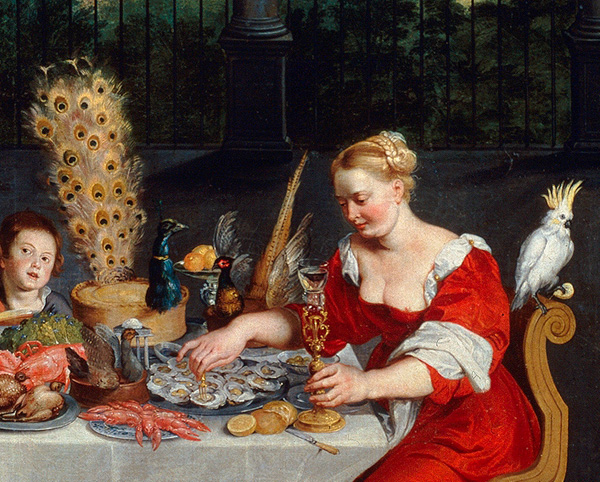
One of the hallmarks of Renaissance cuisine was the emphasis on presentation. Meals were not just about sustenance; they were a feast for the senses, where appearance and creativity played a pivotal role. Elaborate dishes were designed to impress and entertain, with food often sculpted into shapes of animals, mythological creatures, and even architectural structures. This artistry extended to the dining experience itself, with meals becoming elaborate affairs, showcasing the host’s wealth and sophistication.

The Influence of the Printing Press

The invention of the printing press by Johannes Gutenberg in the mid-15th century had a profound impact on the culinary world. For the first time, cookbooks could be mass-produced, making recipes accessible to a wider audience. This democratization of culinary knowledge led to a flourishing of culinary creativity and experimentation. One of the most famous cookbooks of the era, “De Honesta Voluptate et Valetudine” (On Right Pleasure and Good Health) by Bartolomeo Sacchi, known as Platina, was published in 1475 and became a cornerstone of Renaissance cuisine.

The Role of the Court

The courts of Europe were the epicenters of culinary innovation during the Renaissance. Monarchs and nobles competed to host the most lavish banquets, employing the finest chefs to create dishes that were as much a spectacle as they were a meal. The French court, under the reign of Catherine de’ Medici, played a particularly influential role in shaping the culinary landscape of the Renaissance. Catherine’s Italian chefs introduced French cuisine to a variety of new ingredients and cooking techniques, leading to the development of the French haute cuisine that would dominate European culinary trends for centuries to come.

The Legacy of Renaissance Cuisine

The Renaissance of Flavor left an indelible mark on the culinary world. It was a period of experimentation and innovation, where the boundaries of what was possible in the kitchen were pushed further than ever before. The legacy of Renaissance cuisine can be seen in the culinary traditions of Europe and beyond, from the emphasis on presentation and creativity to the use of spices and the development of haute cuisine.

As we continue to explore the rich tapestry of culinary history, the Renaissance stands out as a beacon of creativity and sophistication. It was an age where the culinary arts were elevated to new heights, and the world of flavor was forever transformed. The Renaissance of Flavor is not just a chapter in history; it is a testament to the enduring power of culinary innovation and the universal quest for culinary excellence.