Pretty Maids All in a Row: A Controversial Cult Classic

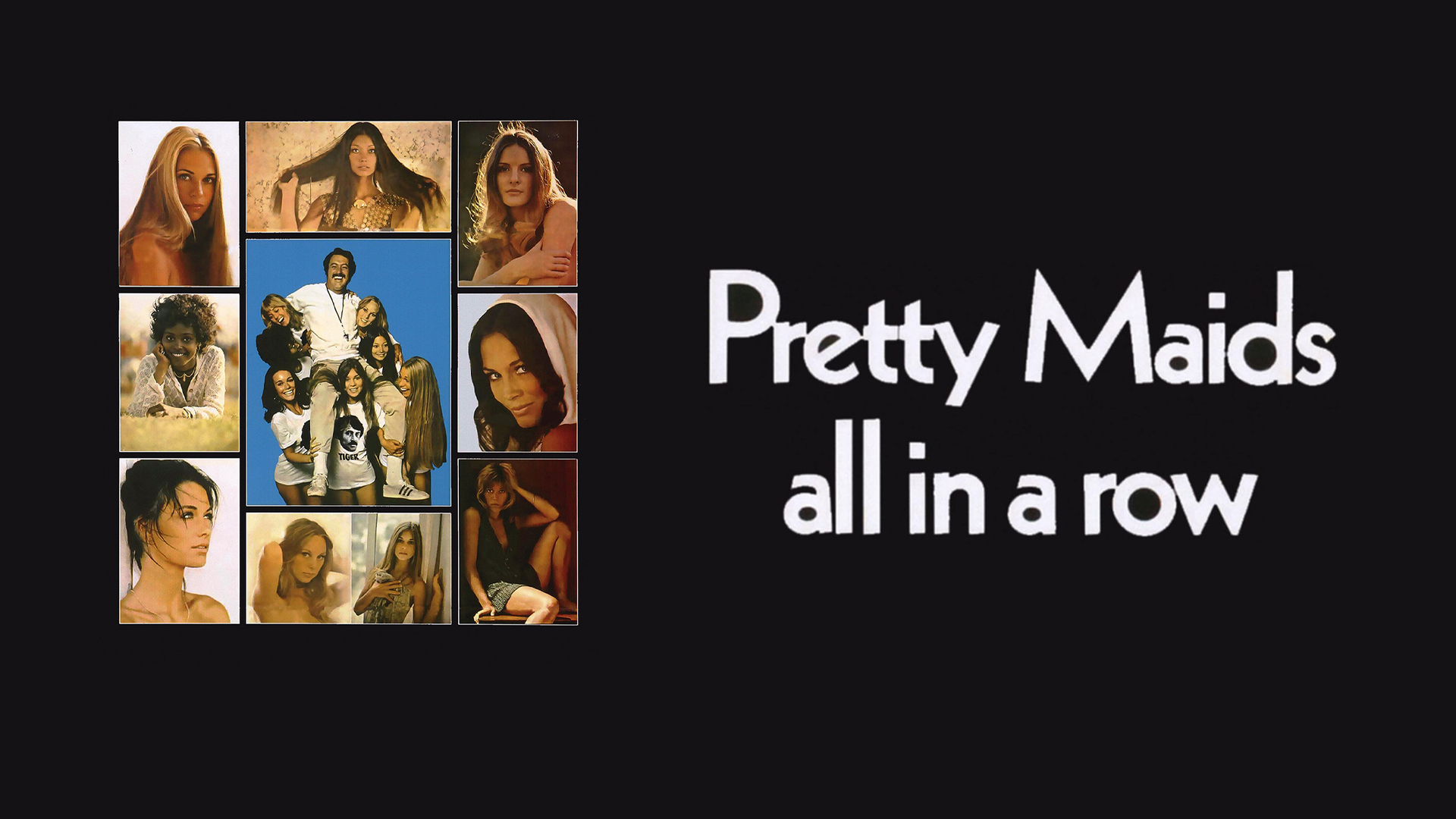
pivot62.com – Pretty Maids All in a Row (1971) is a provocative and controversial film that blends elements of mystery, thriller, and sexploitation. Directed by Roger Vadim and starring Rock Hudson, Angie Dickinson, and Telly Savalas, the film is set in a California high school where a series of murders takes place.   

A Suspicious Guidance Counselor

At the heart of the film is Rock Hudson’s character, Michael “Tiger” McDrew, a charismatic but morally ambiguous guidance counselor. His involvement with the students, both professionally and personally, makes him a prime suspect in the eyes of the police, led by Captain Sam Surcher (Telly Savalas).   

Angie Dickinson’s Sultry Role

Angie Dickinson portrays Betty Smith, a seductive substitute teacher who becomes entangled in the mystery. Her character is both glamorous and dangerous, adding a layer of intrigue to the already suspenseful plot. Dickinson’s performance is captivating, and her on-screen chemistry with Hudson is undeniable.   

A Divisive Film

Pretty Maids All in a Row was a highly controversial film upon its release. Its explicit sexual content and provocative themes sparked debate and criticism. However, the film also garnered a cult following, particularly among fans of 70s exploitation cinema.

A Unique Blend of Genres

The film’s unique blend of genres, combined with its stylish direction and memorable performances, has contributed to its enduring popularity. It remains a fascinating and disturbing exploration of sexuality, morality, and the dark side of human nature.

Way…Way Out: A Quirky Space Adventure

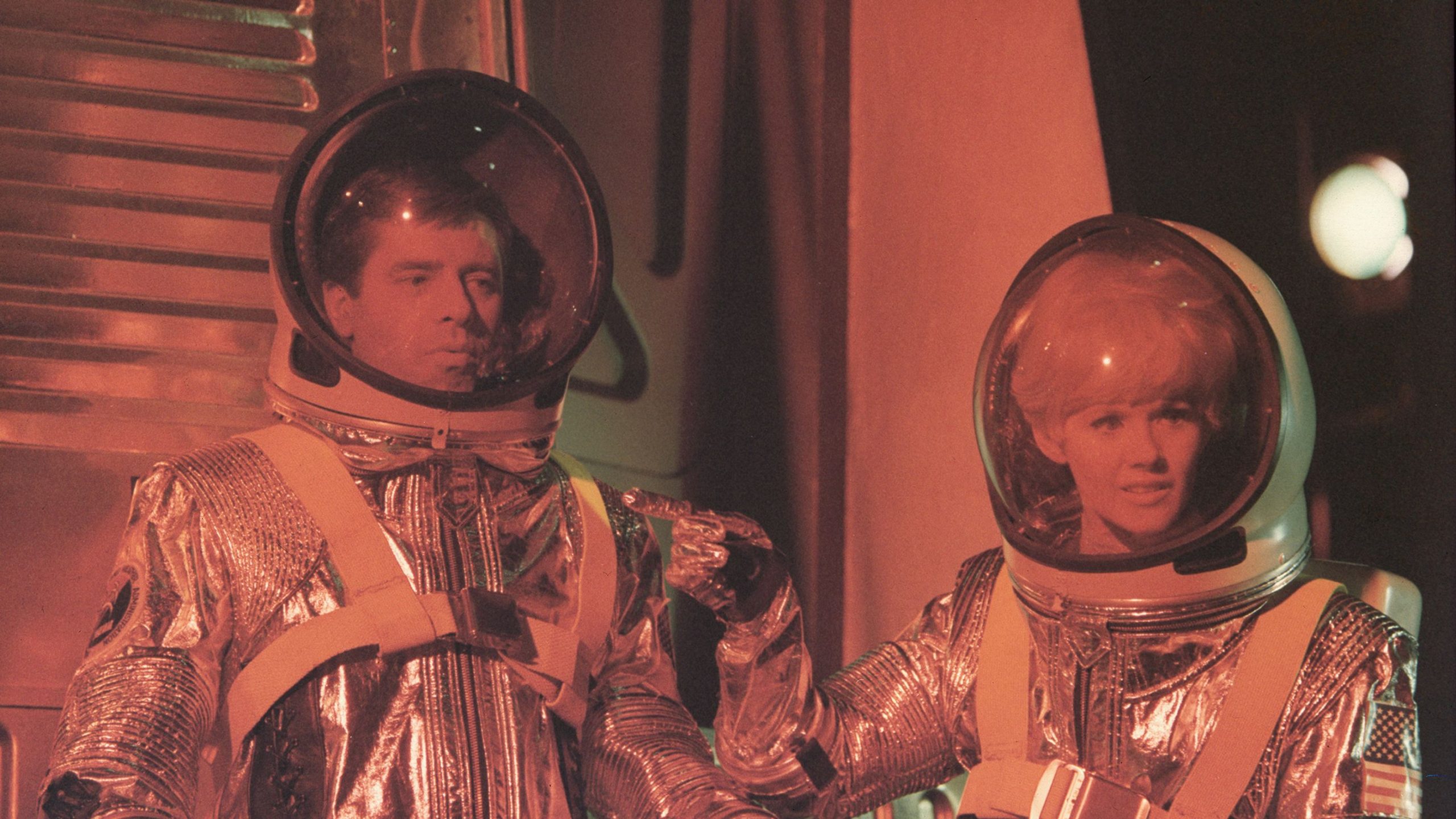
pivot62.comWay…Way Out is a 1966 American science fiction comedy film directed by Gordon Douglas and starring Jerry Lewis. This quirky space adventure, while not one of Lewis’s most critically acclaimed films, offers a blend of humor, slapstick, and futuristic gadgetry.   

A Marriage of Convenience

The film centers around Peter Mattemore (Jerry Lewis), an astronaut chosen for a mission to the moon. However, he needs a wife to accompany him, as NASA believes a married couple would be more stable and less likely to cause trouble in space. Faced with a limited pool of female astronauts, Peter reluctantly agrees to a marriage of convenience with Eileen Forbes (Connie Stevens).   

A Moonbound Misadventure

Once on the moon, the newlywed astronauts encounter a series of comedic mishaps and misunderstandings. Their mission is further complicated by the presence of a rival Soviet crew, led by a bumbling cosmonaut. The film is filled with slapstick humor, visual gags, and outlandish situations, typical of Jerry Lewis’s comedic style.

A Mixed Reception

Upon its release, Way…Way Out received mixed reviews from critics. While some praised Lewis’s comedic timing and physical humor, others criticized the film’s thin plot and dated special effects. Despite its flaws, the film has developed a cult following over the years, particularly among fans of Jerry Lewis’s unique brand of comedy.

A Nostalgic Trip to the Moon

Way…Way Out offers a nostalgic glimpse into the space race era, with its futuristic sets and retro-futuristic technology. While the film’s scientific accuracy may be questionable, it remains a fun and entertaining watch for fans of classic comedy.   

A Quirky Gem in the Jerry Lewis Filmography

While it may not be one of Lewis’s most iconic films, Way…Way Out is still a charming and humorous adventure. Its blend of slapstick comedy, space exploration, and romantic misadventures makes it a unique and memorable entry in the Jerry Lewis filmography.

The Loves of Hercules: A Campy Classic – A Visual Feast

pivot62.com – The Loves of Hercules (1960) is a campy Italian sword-and-sandal epic that stars Jayne Mansfield and her then-husband Mickey Hargitay. This film is a delightful blend of action, romance, and over-the-top theatricality that has become a cult classic.   

A Tale of Love and Heroism

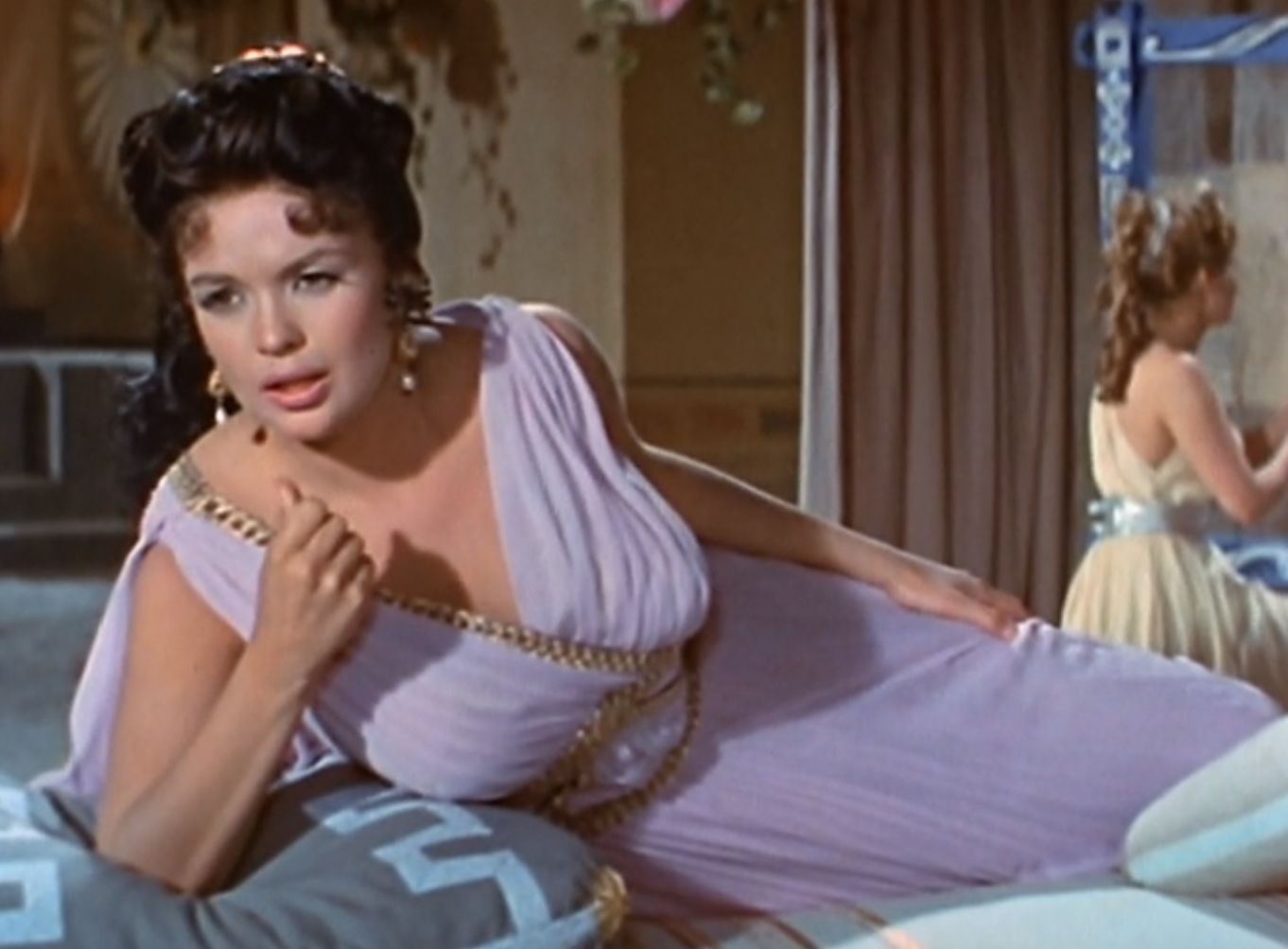
The film follows the legendary hero Hercules (Mickey Hargitay) as he embarks on a series of daring adventures. Along the way, he encounters a variety of colorful characters, including the seductive and scheming Queen Omphale (Jayne Mansfield). As Hercules battles mythical creatures and saves damsels in distress, he must also navigate the complexities of love and desire.   

A Visual Feast

The Loves of Hercules is a visually stunning film, with elaborate sets, colorful costumes, and impressive special effects for its time. The film’s epic battles and fantastical creatures are sure to entertain audiences of all ages.

Jayne Mansfield’s Iconic Performance

Jayne Mansfield’s performance as the alluring Queen Omphale is one of the film’s highlights. Her iconic beauty and dramatic flair elevate the film to new heights of campiness.

A Nostalgic Trip to the Past

The Loves of Hercules is a nostalgic trip back to the golden age of sword-and-sandal films. Its blend of action, adventure, and romance, combined with its over-the-top performances and cheesy dialogue, makes it a fun and entertaining watch.

Why You Should Watch The Loves of Hercules

  • A Campy Classic: The film’s over-the-top performances and cheesy dialogue make it a fun and entertaining watch.
  • Jayne Mansfield’s Iconic Performance: Mansfield’s magnetic presence and dramatic flair elevate the film.
  • Stunning Visuals: The film’s elaborate sets, colorful costumes, and impressive special effects are a feast for the eyes.
  • A Nostalgic Trip to the Past: The film transports viewers back to the golden age of sword-and-sandal films.

The Lively Set (1964): A High-Octane Adventure

pivot62.com – “The Lively Set” is a 1964 American action-drama film that captures the excitement and thrill of car racing during the golden era of motoring. Directed by Jack Arnold, the film features a compelling mix of drama, speed, and innovation, appealing to car enthusiasts and adventure seekers alike.

Plot Overview

The film centers around Casey Owens, a young mechanic and aspiring car designer played by James Darren. Casey dreams of breaking the land speed record with a revolutionary turbine car engine he has developed. His journey takes a turn when he crosses paths with a wealthy playboy, Stanford Rogers, who hires him to build a car capable of setting a new speed record. Along the way, Casey must navigate the challenges of ambition, rivalry, and romance, all while pursuing his dream of automotive greatness.

Cast and Characters

“The Lively Set” boasts a talented cast, including James Darren as Casey Owens, Pamela Tiffin as Eadie Manning, Doug McClure as Chuck Manning, and Joanie Sommers as Doreen Grey. The chemistry between the characters adds depth to the film, with each actor delivering performances that highlight the personal stakes and emotional beats of the story.

Music and Score

The film’s score, composed by Bobby Darin, complements the fast-paced action and emotional undertones of the narrative. The music enhances the film’s atmosphere, capturing the spirit of the 1960s and the adrenaline-fueled world of car racing.

Themes and Reception

“The Lively Set” explores themes of innovation, ambition, and the pursuit of dreams. It reflects the burgeoning car culture of the 1960s and the fascination with speed and technology. While the film received mixed reviews upon release, it remains a nostalgic piece for fans of classic car films and those interested in the era’s automotive advancements.

Conclusion

“The Lively Set” (1964) offers a thrilling glimpse into the world of car racing, combined with a story of personal ambition and innovation. Its engaging plot and dynamic performances make it a memorable film that continues to resonate with audiences who appreciate the thrill of the race and the pursuit of dreams.

The Transformative Journey in “When the Circus Came to Town” (1981)

pivot62.com – “When the Circus Came to Town” is a heartwarming 1981 TV movie that chronicles a woman’s transformative journey with a traveling circus. Directed by Boris Sagal, the film weaves a tale of self-discovery, adventure, and personal growth, set against the vibrant backdrop of a circus. This article delves into the film’s plot, its central characters, and the themes that make it a touching story of renewal and change.

Plot Overview

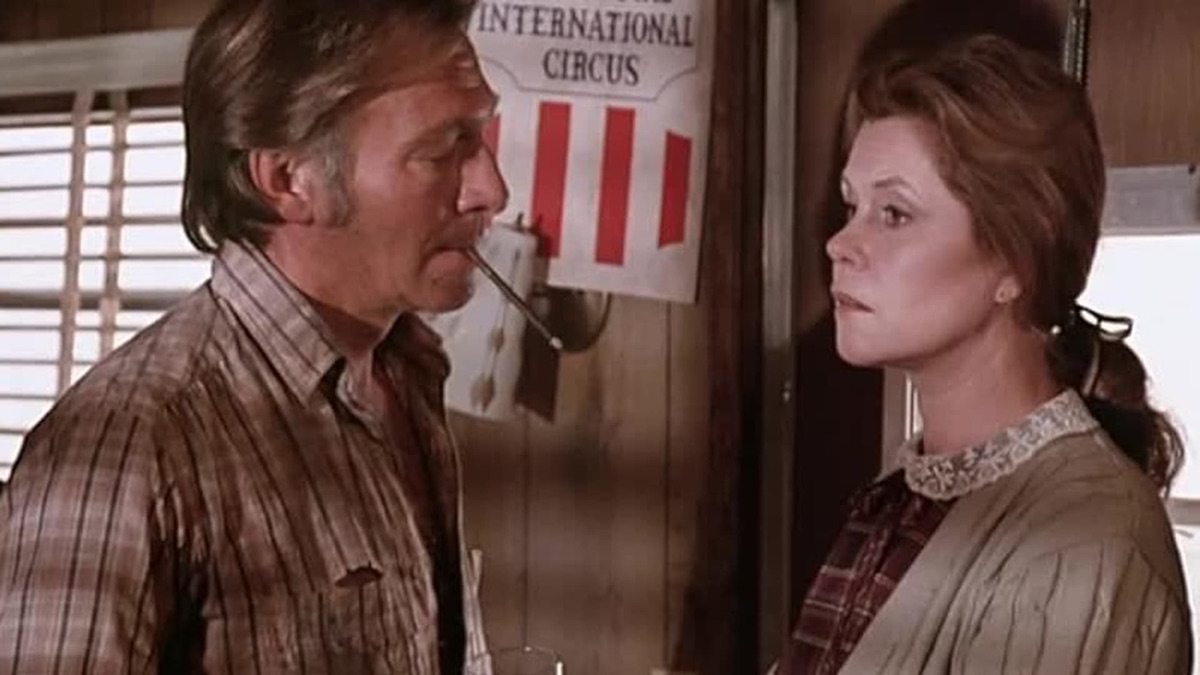
The story follows Mary Flynn, portrayed by Elizabeth Montgomery, a woman who has lived a quiet and uneventful life in a small town. Feeling trapped by her mundane existence, Mary seizes the opportunity to join a traveling circus, embarking on a journey that will change her life forever. The circus becomes a symbol of freedom and possibility, offering Mary a chance to reinvent herself and explore the world beyond her familiar surroundings.

As Mary immerses herself in the circus life, she encounters a colorful array of characters, each contributing to her journey of self-discovery. Through her experiences, Mary learns about friendship, love, and the courage it takes to pursue one’s dreams.

Character Dynamics

Elizabeth Montgomery brings depth and warmth to the character of Mary Flynn, capturing her initial hesitance and eventual blossoming as she embraces her new life. Her portrayal highlights the resilience and adaptability required to step outside one’s comfort zone.

The ensemble cast, including Christopher Plummer as Duke Royal, the charismatic circus manager, adds richness to the narrative. Duke becomes both a mentor and a friend to Mary, guiding her through the challenges and joys of circus life. The interactions between Mary and the circus performers illustrate the importance of community and support in personal transformation.

Themes and Cinematic Style

“When the Circus Came to Town” explores themes of self-discovery, courage, and the pursuit of happiness. Mary’s journey reflects the universal desire for change and the willingness to take risks in order to find fulfillment. The circus, with its vibrant and unpredictable nature, serves as a metaphor for life’s possibilities and the excitement of the unknown.

The film’s visual style captures the whimsy and spectacle of the circus, creating a colorful and enchanting atmosphere that enhances the story’s emotional depth. The juxtaposition of Mary’s quiet past with the lively world of the circus emphasizes her growth and the transformative power of new experiences.

Conclusion

“When the Circus Came to Town” is a delightful tale of self-discovery and adventure, offering a poignant reminder of the importance of following one’s dreams. Through its engaging characters and uplifting narrative, the film delivers a message of hope and renewal that resonates with audiences seeking inspiration and change. Elizabeth Montgomery’s performance, combined with the film’s vibrant setting, makes “When the Circus Came to Town” a memorable and heartening cinematic experience.

Unveiling the Magic: “The Cave of the Golden Rose” (Fantaghirò)

pivot62.com – “The Cave of the Golden Rose,” originally titled “Fantaghirò,” is an Italian fantasy miniseries that first captivated audiences in the early 1990s. With its enchanting blend of fairy tale elements, adventure, and romance, the series has become a beloved classic, especially among European viewers.

A Tale of Courage and Destiny

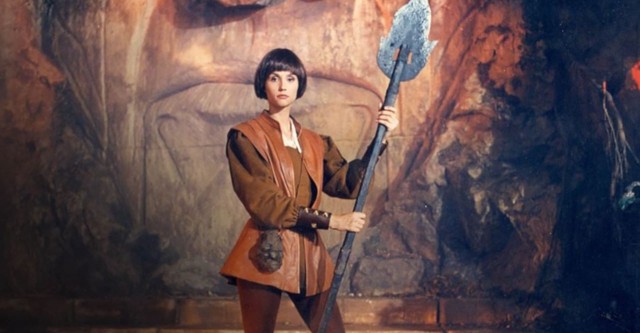
The story follows Fantaghirò, a courageous and spirited princess played by Alessandra Martines. Unlike traditional fairy tale heroines, Fantaghirò defies gender norms by taking up arms and embarking on daring quests. Her journey is filled with challenges, magical encounters, and an epic battle against the dark forces threatening her kingdom.

The Cast and Their Enchanting Performances

Alessandra Martines’ portrayal of Fantaghirò is both strong and endearing, capturing the character’s bravery and heart. The series also features a talented ensemble cast, including Kim Rossi Stuart as Prince Romualdo, who becomes Fantaghirò’s ally and love interest. Their chemistry adds depth and charm to the narrative, making their adventures more compelling.

Visuals and Fantasy Elements

“The Cave of the Golden Rose” is renowned for its imaginative set designs and special effects, which bring its magical world to life. From lush forests to mystical caves, the series creates an immersive fantasy realm that draws viewers into its enchanting narrative. The use of practical effects and creative costuming enhances the fairy tale atmosphere, lending authenticity and allure to the story.

Themes of Empowerment and Love

At its core, “The Cave of the Golden Rose” explores themes of empowerment, love, and the struggle between good and evil. Fantaghirò’s journey is not only a physical quest but also a path of self-discovery and empowerment, challenging traditional roles and inspiring audiences with her resilience and determination.

Reception and Lasting Legacy

Upon its release, “The Cave of the Golden Rose” received widespread acclaim for its storytelling, performances, and production quality. It has since gained a devoted fan base, appreciated for its timeless appeal and its ability to transport viewers to a world of magic and adventure. The series has spawned several sequels, further expanding its fantastical universe.

Conclusion: The Enduring Charm of “The Cave of the Golden Rose”

“The Cave of the Golden Rose” (Fantaghirò) remains a cherished part of fantasy folklore, celebrated for its enchanting story and its empowering heroine. As audiences continue to seek out tales of adventure and wonder, Fantaghirò’s legacy endures, reminding us of the power of courage, love, and the magic that lies within every great story.

Carnal Knowledge (1971): Sexuality and Relationships

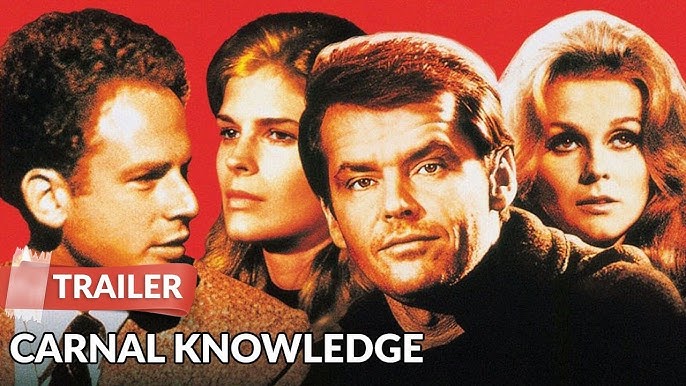
pivot62.com – “Carnal Knowledge,” a 1971 American comedy-drama film directed by Mike Nichols, is a bold and incisive exploration of sexuality and relationships. Written by Jules Feiffer, the film stars Jack Nicholson, Art Garfunkel, Candice Bergen, and Ann-Margret. It provides a candid look at the complexities of male sexual desire and the evolving nature of relationships over several decades, from college days to middle age.

Plot Overview

The film follows the lives of two friends, Jonathan (played by Jack Nicholson) and Sandy (played by Art Garfunkel), who meet in college and develop a lifelong friendship. As they navigate their way through various romantic entanglements, the film chronicles their changing attitudes towards women and sexuality. The narrative unfolds through a series of vignettes that capture the key moments in their personal and sexual lives, highlighting their triumphs, failures, and frustrations.

Themes and Analysis

“Carnal Knowledge” delves into themes of sexual liberation, male insecurity, and the objectification of women. The film critiques the superficial nature of relationships built on physical attraction and the societal pressures that shape male identity. Through Jonathan and Sandy, the film examines how men often grapple with their desires and insecurities, leading to dysfunctional relationships and a lack of fulfillment.

Mike Nichols’ direction provides a stark, unflinching look at the characters’ struggles, making “Carnal Knowledge” a provocative commentary on the sexual revolution and its impact on personal relationships. The film’s candid dialogue and raw portrayal of intimacy challenge viewers to reflect on their own perceptions of love and sexuality.

Performances and Direction

Jack Nicholson delivers a powerful performance as Jonathan, capturing the character’s charisma and underlying vulnerability. Art Garfunkel, in one of his first major film roles, portrays Sandy with a subtlety that contrasts sharply with Nicholson’s intensity. Ann-Margret, who plays one of Jonathan’s lovers, earned an Academy Award nomination for her role, showcasing the emotional depth and complexity of her character.

Mike Nichols’ direction is both daring and insightful, using the film’s minimalist setting to focus on the characters’ psychological and emotional journeys. The screenplay by Jules Feiffer complements Nichols’ vision, offering sharp, incisive dialogue that drives the film’s exploration of its themes.

Cultural Impact

Upon its release, “Carnal Knowledge” was both controversial and critically acclaimed, praised for its honest portrayal of adult relationships and its exploration of taboo subjects. The film’s bold approach to sexuality and its critique of societal norms resonated with audiences, making it a significant contribution to the era’s cinematic landscape.

Conclusion

“Carnal Knowledge” stands as a provocative and thought-provoking film that challenges viewers to examine the complexities of human relationships and the societal constructs that influence them. Its exploration of sexual dynamics and personal identity remains relevant, making it a compelling piece of cinema that continues to provoke discussion and analysis.

O. Henry’s Full House (1952): A Anthology of Literary Classics

pivot62.com – “O. Henry’s Full House” is a 1952 American anthology film that brings to the screen five of the most beloved short stories by the renowned author O. Henry. This unique film, directed by five different directors, showcases the wit, irony, and charm that characterize O. Henry’s storytelling. With an ensemble cast, the film captures the essence of early 20th-century America through its diverse and compelling narratives.

Plot Overview

The film is divided into five segments, each directed by a different filmmaker and featuring a distinct story by O. Henry:

  1. “The Cop and the Anthem” – Directed by Henry Koster and starring Charles Laughton and Marilyn Monroe, this segment follows Soapy, a homeless man in New York City, as he attempts to get arrested to secure shelter for the winter. His comedic yet poignant endeavors highlight the unpredictability of life.
  2. “The Clarion Call” – Directed by Henry Hathaway, this story features a detective, played by Dale Robertson, who must grapple with his personal ethics when he encounters a criminal from his past, portrayed by Richard Widmark.
  3. “The Last Leaf” – Jean Negulesco directs this touching tale about friendship and hope, starring Anne Baxter and Jean Peters. Set in Greenwich Village, the story revolves around a young woman stricken with pneumonia and her artist neighbor’s struggle to keep her spirits alive.
  4. “The Ransom of Red Chief” – Directed by Howard Hawks, this comedic story stars Fred Allen and Oscar Levant as two hapless kidnappers who find themselves at the mercy of their young captive, a mischievous boy more than capable of handling his own.
  5. “The Gift of the Magi” – Directed by Henry King, this classic tale of selfless love stars Jeanne Crain and Farley Granger as a young couple who sacrifice their most prized possessions to buy each other meaningful Christmas gifts, only to discover the true meaning of love and giving.

Key Themes

The film beautifully encapsulates O. Henry’s signature themes of irony, love, sacrifice, and the twists of fate that often define human experience. Each segment offers a unique moral lesson, delivered with the author’s characteristic wit and emotional depth.

Cinematic Significance

“O. Henry’s Full House” is significant for its ambitious attempt to translate literary classics into cinematic form. The film showcases the talents of its diverse cast and directors, each bringing their own style and interpretation to O. Henry’s stories. The anthology format allows viewers to experience a range of emotions, from laughter to tears, within a single film.

Conclusion

“O. Henry’s Full House” remains a testament to the timeless appeal of O. Henry’s storytelling. Its engaging narratives and memorable performances make it a cherished piece of cinematic history, offering audiences a chance to experience the humor and humanity that define O. Henry’s work.

4bia (2008): A Thrilling Anthology of Supernatural Tales

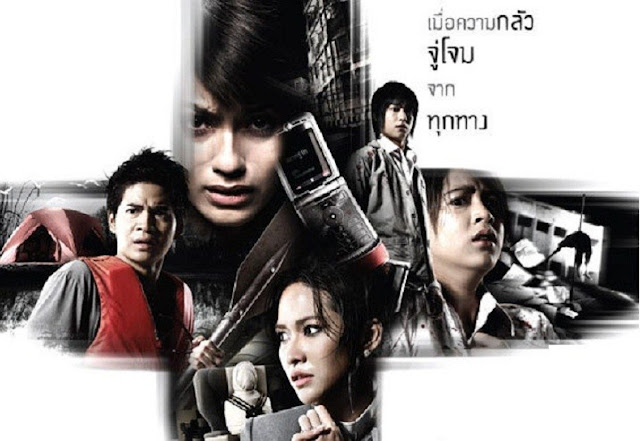
pivot62.com – “4bia” (also known as “Phobia”), released in 2008, is a Thai horror anthology film that delivers four distinct yet interwoven tales of the supernatural. Directed by a team of talented filmmakers — Banjong Pisanthanakun, Parkpoom Wongpoom, Paween Purikitpanya, and Yongyoot Thongkongtoon — the film showcases a variety of horror styles, from psychological suspense to outright terror.

Segment Summaries

1. Happiness

The first story, directed by Yongyoot Thongkongtoon, centers on a young woman named Pin who is confined to her apartment due to a broken leg. Isolated and lonely, she begins to communicate with a mysterious stranger via text messages. As the conversation progresses, Pin discovers that her new acquaintance may not be as benign as he seems. This segment explores themes of loneliness and the dangers of digital communication, building suspense through an atmosphere of claustrophobia and isolation.

2. Tit for Tat

Directed by Paween Purikitpanya, the second tale takes a darker, more intense turn. It follows a group of teenagers who are cursed after bullying a classmate. As the curse begins to exact its gruesome vengeance, the story delves into themes of retribution and the consequences of one’s actions. Known for its fast-paced and visually striking style, this segment combines elements of supernatural horror with a moral lesson on bullying.

3. In the Middle

Banjong Pisanthanakun directs the third story, which infuses humor into horror. It follows a group of friends on a camping trip in the jungle. After a night of ghost stories, one of the friends goes missing during a rafting accident. The remaining friends are left to confront their fears as eerie events unfold. This segment cleverly plays with horror clichés and adds a comedic twist, making it both frightening and entertaining.

4. Last Fright

The final story, directed by Parkpoom Wongpoom, is a chilling narrative set aboard a plane. A flight attendant, Pim, is tasked with accompanying the body of a deceased princess on a private flight. Alone in the cabin, Pim’s journey becomes a nightmare as she is haunted by unsettling occurrences. This segment is a study in suspense and isolation, expertly building tension through its confined setting and psychological horror elements.

Themes and Analysis

“4bia” explores a range of themes, including isolation, retribution, fear of the unknown, and the supernatural. Each story offers a unique perspective on these themes, showcasing the directors’ diverse approaches to horror. The anthology format allows the film to experiment with different tones and styles, keeping audiences engaged and on edge.

Cinematic Techniques

The film is notable for its use of practical effects, atmospheric music, and creative storytelling. Each director brings their own flair to their segment, using lighting, sound, and camera angles to heighten suspense and fear. The anthology format allows for a rich variety of horror experiences, from psychological to supernatural.

Conclusion

“4bia” stands out as an innovative and compelling entry in the horror genre, offering a diverse array of stories that cater to different horror tastes. Its blend of suspense, humor, and supernatural elements, combined with strong storytelling and direction, makes it a memorable watch for fans of horror anthologies.

Crouching Tiger, Hidden Dragon: Martial Arts and Emotion

pivot62.com – “Crouching Tiger, Hidden Dragon,” directed by Ang Lee, is a film that transcends the boundaries of traditional martial arts cinema to deliver a captivating narrative filled with emotional depth and breathtaking visuals. Released in 2000, this wuxia epic has garnered international acclaim, revolutionizing the genre and leaving a lasting impact on audiences worldwide.

Introduction: A New Dawn in Martial Arts Cinema

“Crouching Tiger, Hidden Dragon” emerged at the turn of the millennium, offering a fresh perspective on the martial arts genre. While staying true to the traditional elements of wuxia films, such as intricate fight choreography and fantastical storytelling, Ang Lee infused the film with a profound narrative that explores themes of love, honor, and destiny. The film’s title itself, derived from a Chinese proverb, hints at the hidden talents and potential within each character, setting the stage for a tale of intrigue and introspection.

Plot Summary: A Tale of Love, Revenge, and Redemption

Set against the backdrop of 19th-century Qing Dynasty China, the film follows the journey of two warriors, Li Mu Bai (Chow Yun-Fat) and Yu Shu Lien (Michelle Yeoh), as they navigate a world of betrayal and unrequited love. The story unfolds as the legendary Green Destiny sword is stolen, leading to a pursuit that intertwines the lives of a rebellious young aristocrat, Jen Yu (Zhang Ziyi), and a bandit with a mysterious past, Lo (Chang Chen). As the characters’ paths collide, the film delves into their inner struggles, revealing the complexities of their relationships and the choices they must make.

Themes: The Duality of Strength and Vulnerability

“Crouching Tiger, Hidden Dragon” masterfully explores the duality of strength and vulnerability, both in martial prowess and emotional resonance. The film’s characters are portrayed with depth and nuance, each grappling with their desires and demons. Li Mu Bai’s quest for redemption and inner peace contrasts with Jen Yu’s rebellious spirit and quest for freedom. These themes are intricately woven into the fabric of the narrative, adding layers of meaning to the film’s visually stunning action sequences.

Cinematic Achievements: A Visual and Auditory Marvel

Ang Lee’s direction, combined with Peter Pau’s breathtaking cinematography, creates a visual feast that transports viewers into a world of ethereal beauty and fluid motion. The film’s iconic fight scenes, choreographed by legendary martial artist Yuen Woo-Ping, are meticulously crafted, showcasing a blend of elegance and intensity that has become a hallmark of the genre. Complementing the visuals is Tan Dun’s evocative score, which enhances the emotional depth and cultural authenticity of the film.

Legacy and Impact: Redefining Global Cinema

“Crouching Tiger, Hidden Dragon” broke barriers in global cinema, earning critical acclaim and commercial success worldwide. It received numerous accolades, including four Academy Awards, and paved the way for increased appreciation and recognition of Asian cinema on the international stage. The film’s success also highlighted the universal appeal of stories that transcend cultural boundaries, resonating with audiences through its universal themes of love, honor, and self-discovery.

Conclusion: A Timeless Classic

More than two decades after its release, “Crouching Tiger, Hidden Dragon” remains a timeless classic, celebrated for its artistic excellence and narrative depth. Ang Lee’s visionary approach, coupled with stellar performances by its cast, continues to inspire and captivate new generations of film enthusiasts. As a quintessential example of the wuxia genre, the film stands as a testament to the power of storytelling and the enduring allure of martial arts cinema.