Tropical Ecstasy (1978): A Provocative Exploration of Desire

pivot62.com – Tropical Ecstasy (1978) is an Argentine-Brazilian erotic drama film directed by Armando Bó and starring the iconic Isabel Sarli. This provocative film delves into themes of love, lust, obsession, and the complexities of human relationships.   

A Tale of Love and Lust

The film follows the story of a passionate woman who returns to her native fishing village, where her childhood sweetheart still awaits her. However, her past as a prostitute and the presence of a dangerous pimp complicate her desire for a simple life of love and happiness. The film explores the intense emotions that arise from a love triangle, showcasing the power of desire to both unite and destroy.   

The Erotic Cinema of Armando Bó

Armando Bó was a prominent figure in Argentine cinema, known for his explicit and controversial films that pushed the boundaries of censorship. Tropical Ecstasy is a quintessential example of Bó’s work, featuring stunning visuals, passionate performances, and explicit love scenes. The film’s eroticism is both sensual and provocative, exploring the depths of human desire.

The Enduring Legacy of Isabel Sarli

Isabel Sarli, the leading lady of Tropical Ecstasy, is often referred to as the “Argentine sex symbol.” Her performances in Bó’s films helped to redefine the image of women in Argentine cinema, challenging traditional stereotypes and exploring the complexities of female sexuality. Sarli’s portrayal of passionate and independent women continues to inspire and captivate audiences.   

A Product of Its Time

Tropical Ecstasy is a product of its time, reflecting the social and cultural climate of the late 1970s. The film’s explicit content and provocative themes were a response to the sexual revolution and the growing openness to discussions about sexuality. However, it is important to view the film through a historical lens, recognizing the limitations of its time and the evolving understanding of gender and sexuality.

Conclusion

Tropical Ecstasy remains a controversial and divisive film, but it has undeniably left a lasting impact on cinema. It is a testament to the enduring power of love, lust, and obsession. The film continues to spark debate and controversy, prompting viewers to consider the ethical implications of explicit content and the representation of women in film. Despite its provocative nature, Tropical Ecstasy is a captivating and visually stunning film that offers a glimpse into the complexities of human desire.
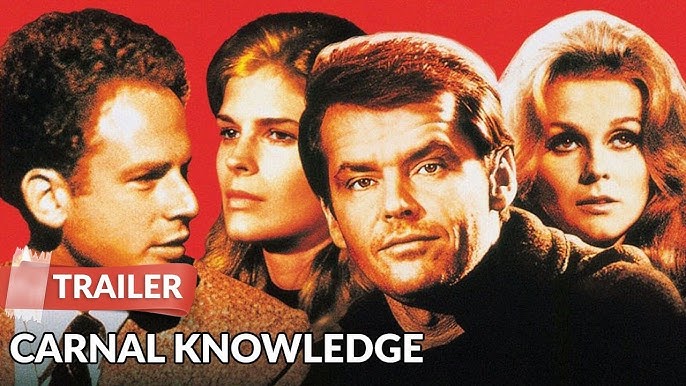
Carnal Knowledge (1971): Sexuality and Relationships

pivot62.com – “Carnal Knowledge,” a 1971 American comedy-drama film directed by Mike Nichols, is a bold and incisive exploration of sexuality and relationships. Written by Jules Feiffer, the film stars Jack Nicholson, Art Garfunkel, Candice Bergen, and Ann-Margret. It provides a candid look at the complexities of male sexual desire and the evolving nature of relationships over several decades, from college days to middle age.

Plot Overview

The film follows the lives of two friends, Jonathan (played by Jack Nicholson) and Sandy (played by Art Garfunkel), who meet in college and develop a lifelong friendship. As they navigate their way through various romantic entanglements, the film chronicles their changing attitudes towards women and sexuality. The narrative unfolds through a series of vignettes that capture the key moments in their personal and sexual lives, highlighting their triumphs, failures, and frustrations.

Themes and Analysis

“Carnal Knowledge” delves into themes of sexual liberation, male insecurity, and the objectification of women. The film critiques the superficial nature of relationships built on physical attraction and the societal pressures that shape male identity. Through Jonathan and Sandy, the film examines how men often grapple with their desires and insecurities, leading to dysfunctional relationships and a lack of fulfillment.

Mike Nichols’ direction provides a stark, unflinching look at the characters’ struggles, making “Carnal Knowledge” a provocative commentary on the sexual revolution and its impact on personal relationships. The film’s candid dialogue and raw portrayal of intimacy challenge viewers to reflect on their own perceptions of love and sexuality.

Performances and Direction

Jack Nicholson delivers a powerful performance as Jonathan, capturing the character’s charisma and underlying vulnerability. Art Garfunkel, in one of his first major film roles, portrays Sandy with a subtlety that contrasts sharply with Nicholson’s intensity. Ann-Margret, who plays one of Jonathan’s lovers, earned an Academy Award nomination for her role, showcasing the emotional depth and complexity of her character.

Mike Nichols’ direction is both daring and insightful, using the film’s minimalist setting to focus on the characters’ psychological and emotional journeys. The screenplay by Jules Feiffer complements Nichols’ vision, offering sharp, incisive dialogue that drives the film’s exploration of its themes.

Cultural Impact

Upon its release, “Carnal Knowledge” was both controversial and critically acclaimed, praised for its honest portrayal of adult relationships and its exploration of taboo subjects. The film’s bold approach to sexuality and its critique of societal norms resonated with audiences, making it a significant contribution to the era’s cinematic landscape.

Conclusion

“Carnal Knowledge” stands as a provocative and thought-provoking film that challenges viewers to examine the complexities of human relationships and the societal constructs that influence them. Its exploration of sexual dynamics and personal identity remains relevant, making it a compelling piece of cinema that continues to provoke discussion and analysis.