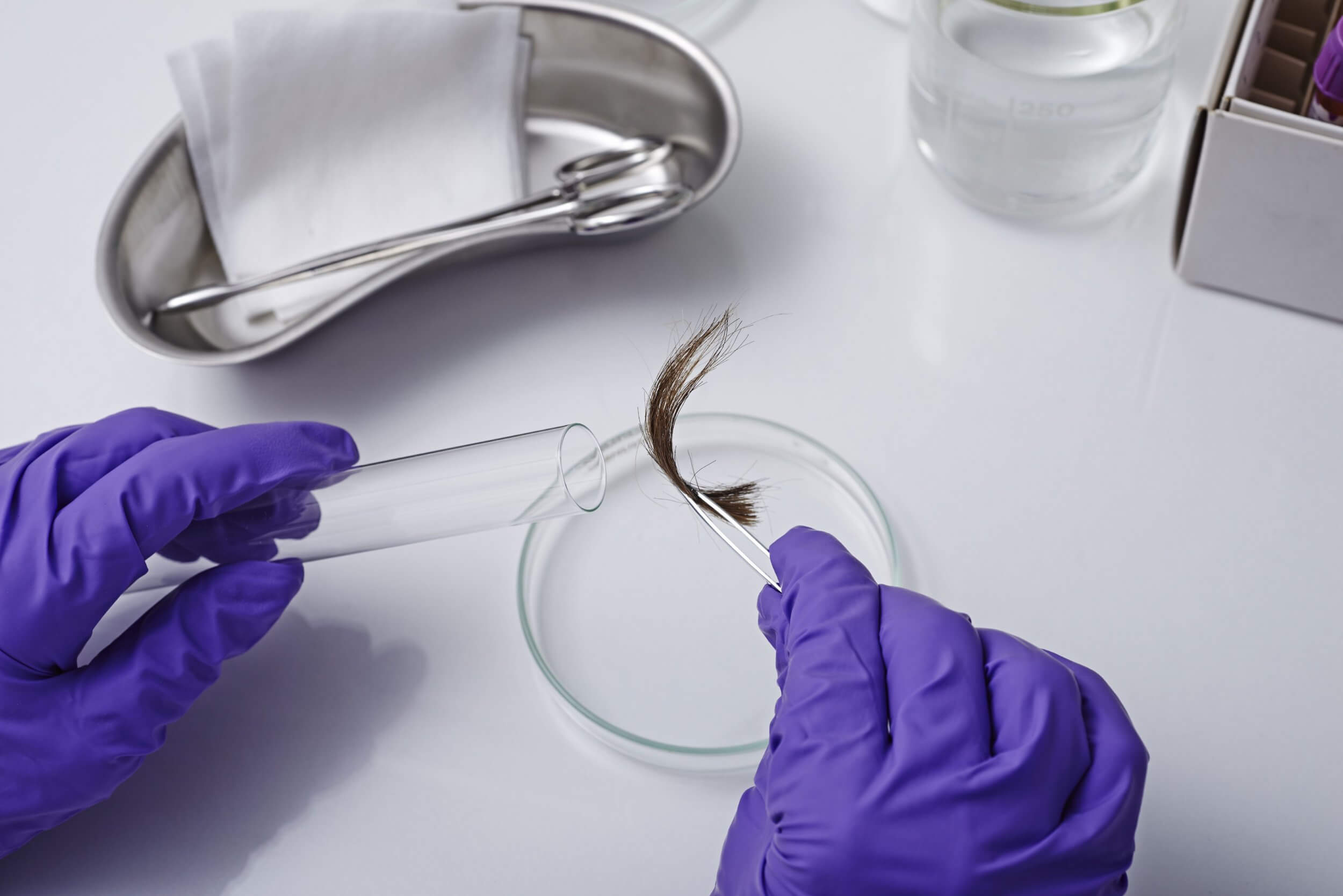
pivot62.com – Hair is composed of keratin, a type of protein that also makes up nails and skin. The hair shaft is made up of three layers: the cuticle, the cortex, and the medulla. The cuticle is the outermost layer and acts as a protective shield. The cortex contains melanin, which gives hair its color, and the medulla is the innermost layer that may not be present in all hair types.
The Role of Nutrition in Hair Health
A balanced diet rich in vitamins and minerals is crucial for maintaining healthy hair. Vitamins such as A, C, D, and E, as well as B vitamins, particularly biotin, play significant roles in hair growth and maintenance. Minerals like zinc, iron, and selenium are also essential for hair health. Deficiencies in these nutrients can lead to hair loss and brittle hair.
Hydration and Hair Care
Proper hydration is key to preventing dry, brittle hair. Drinking enough water helps to keep the hair shaft hydrated, which in turn makes hair less prone to breakage and more resilient to damage. Additionally, using moisturizing hair care products can help to lock in moisture and keep hair looking shiny and healthy.
The Impact of Hair Care Practices
Regular hair care practices can either support or detract from hair health. Over-washing hair can strip it of its natural oils, leading to dryness and damage. Conversely, using the right shampoo and conditioner, and adopting a suitable washing frequency for your hair type, can help maintain hair health. Heat styling tools, when used excessively or without proper protection, can cause significant damage to the hair shaft.
Protecting Hair from Environmental Stressors
Environmental factors such as UV radiation, pollution, and harsh weather conditions can wreak havoc on hair health. Using protective hair care products, such as those with UV filters, and adopting practices like wearing a hat in the sun, can help shield hair from these damaging elements.
The Science of Hair Growth
Hair growth is a complex process that occurs in cycles: anagen (growth phase), catagen (transitional phase), and telogen (resting phase). Factors that can affect hair growth include genetics, hormonal changes, and certain medical conditions. Understanding these cycles can help in diagnosing and treating hair loss issues.
Conclusion
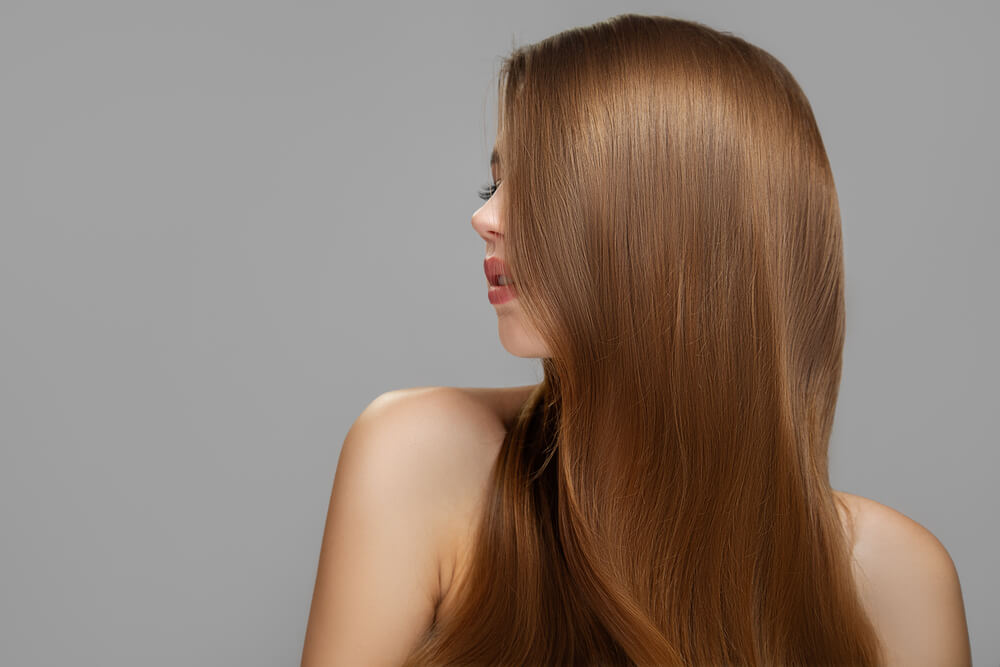
Achieving strong, shiny locks is a multifaceted endeavor that involves understanding the science behind hair health. By focusing on nutrition, hydration, and adopting healthy hair care practices, individuals can support their hair’s natural beauty and resilience. Protecting hair from environmental stressors and understanding the science of hair growth can further contribute to maintaining healthy, vibrant hair.