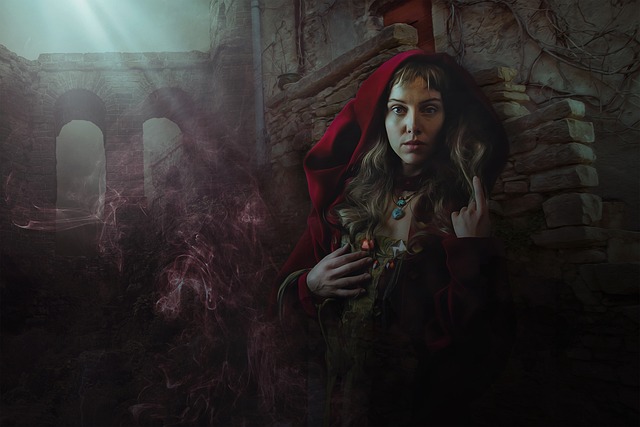
The Enigmatic Sorceress: Morgana from Arthurian Legend

pivot62.com – Morgana, often known as Morgan le Fay, is a complex and multifaceted character who appears in various forms across Arthurian legends. As a powerful sorceress and a prominent figure in the tales of King Arthur, Morgana’s character has been reimagined in numerous adaptations, each exploring different facets of her personality and motivations. This article delves into the origins, character traits, and cultural significance of Morgana.

Origins and Mythological Roots

Morgana’s character has roots in Celtic mythology, where she is associated with the Otherworld and often depicted as a fairy or goddess. In Arthurian legend, she is typically portrayed as the half-sister of King Arthur, with magical abilities that rival those of the wizard Merlin. Her character has evolved over time, with early depictions casting her as a healer and protector, while later versions emphasize her role as a villain and antagonist to Arthur.

Personality and Motivations

Morgana is characterized by her intelligence, ambition, and mastery of magic. Her motivations vary across different narratives, ranging from a desire for power and revenge to a complex blend of loyalty and betrayal. Often depicted as a misunderstood figure, Morgana’s actions are sometimes driven by personal grievances, such as perceived injustices or betrayals by those she once trusted. This duality makes her a compelling and enigmatic character.

Role in Arthurian Legend

In many Arthurian tales, Morgana plays a pivotal role as both an adversary and a catalyst for key events. Her actions often challenge Arthur’s rule and test the loyalty of his knights. In some stories, Morgana is responsible for the downfall of Camelot, using her sorcery to manipulate events and sow discord. Her relationship with Arthur and other characters, such as Merlin and Sir Lancelot, adds depth to her role, showcasing her as both a formidable foe and a tragic figure.

Legacy and Cultural Impact

Morgana has left a lasting legacy in literature and popular culture. Her character has been adapted in various forms, from medieval romances to modern films and television series. Morgana’s portrayal often reflects contemporary themes, such as the struggle for power, the complexity of familial relationships, and the exploration of female agency. Her enduring presence in the Arthurian mythos underscores her significance as a symbol of the mystical and the rebellious.

Conclusion

Morgana remains an intriguing and influential character in the realm of Arthurian legend. Her multifaceted personality and evolving narrative have made her a subject of fascination for centuries. As interpretations of her character continue to evolve, Morgana’s legacy as the enigmatic sorceress endures, captivating audiences with her blend of magic, ambition, and complexity.

Bloodthirsty Legends Through the Ages: The Vampire

pivot62.com – Vampires, those enigmatic creatures of the night, have captivated human imagination for centuries. Their stories, steeped in blood and mystery, have evolved through the ages, reflecting the fears, desires, and cultural shifts of different societies. From ancient folklore to modern-day movies, the vampire remains an enduring symbol of the eternal struggle between life and death, good and evil.

Ancient Origins: The Birth of a Myth

The roots of vampire legends can be traced back to ancient civilizations. In Mesopotamia, the demon Lilitu, often depicted as a winged female, was believed to prey on infants and pregnant women at night. This figure is considered by some scholars to be an early precursor of the vampire. Similarly, ancient Greece had tales of the Lamia, a beautiful queen cursed by the gods to feed on the blood of children. These early myths set the stage for the vampire’s evolution as a creature of the night, feared for its insatiable thirst for blood.

Medieval Europe: The Spread of Fear

During the Middle Ages, Europe was gripped by the fear of vampires. Epidemics of diseases, such as the bubonic plague, led to mass deaths, and the lack of understanding of medicine contributed to the belief in vampires. People believed that the souls of the deceased could return to torment the living, a belief that was further fueled by the practice of exhuming bodies to find evidence of vampirism, such as blood in the mouth or the body not decomposing.

The 18th Century: The Vampire Craze

The 18th century saw a resurgence of vampire folklore, particularly in Eastern Europe. Reports of vampire attacks in places like Serbia and Hungary led to public executions of suspected vampires, with bodies being exhumed, staked, and beheaded to prevent them from rising again. This period also marked the first literary appearances of vampires, with works like John Polidori’s “The Vampyre” (1819) introducing the concept of the aristocratic, seductive vampire that would later be popularized by Bram Stoker’s “Dracula” (1897).

Bram Stoker’s Dracula: The Definitive Vampire

Published in 1897, Bram Stoker’s “Dracula” is arguably the most influential vampire story ever written. It introduced Count Dracula, a complex character who embodies both the allure and the terror of the vampire. Stoker’s novel popularized many of the vampire traits that are now considered classic, such as the aversion to garlic, the ability to transform into a bat, and the vulnerability to sunlight. “Dracula” set the standard for vampire literature and paved the way for the countless adaptations and reinterpretations that followed.

Modern Interpretations: From Horror to Romance

In the 20th and 21st centuries, the vampire has undergone a transformation from a figure of terror to one of romance and even anti-heroism. Movies like “Nosferatu” (1922) and “Dracula” (1931) brought the vampire to the silver screen, while television shows and novels have explored the vampire’s humanity and the possibility of redemption. Series like “Buffy the Vampire Slayer,” “True Blood,” and “The Vampire Diaries” have further blurred the lines between good and evil, presenting vampires as complex characters with their own struggles and desires.

Conclusion: The Enduring Appeal of Vampires

The vampire’s enduring appeal lies in its ability to embody our deepest fears and desires. As a creature that straddles the line between life and death, the vampire represents the ultimate outsider, a being that is both fascinating and terrifying. Through the ages, the vampire has been reimagined countless times, reflecting the changing cultural and social landscape. Yet, at its core, the vampire remains a powerful symbol of the eternal battle between darkness and light, a battle that continues to captivate the human imagination.

The Enduring Allure of Legend: Heroes, and the Human Spirit

In the vast tapestry of human culture, legends serve as a bridge between the past and the present, weaving tales of valor, wisdom, and the extraordinary. These stories, often passed down through generations, encapsulate the collective imagination and aspirations of societies. Legends are not merely stories; they are mirrors reflecting the values, fears, and dreams of the people who tell them. This article delves into the essence of legend, exploring its significance, the heroes that populate these narratives, and the enduring impact on human civilization.

The Nature of Legend:
A legend is a traditional story, typically involving supernatural elements, that has been embellished and passed down through generations. Unlike myths, which are often sacred and explain the origins of the world, legends focus on human heroes and their interactions with the divine or the extraordinary. Legends are set in a historical or semi-historical context, blurring the lines between fact and fiction, and they often contain a moral or lesson.

Heroes of Legend:
At the heart of many legends are heroes—larger-than-life figures who embody the virtues of their culture. These heroes, such as King Arthur, Robin Hood, or Hercules, undertake epic quests, battle mythical creatures, and overcome insurmountable odds. They represent the triumph of good over evil, the resilience of the human spirit, and the pursuit of justice. Heroes of legend are not just individuals; they are symbols of the collective hopes and aspirations of their people.

The Role of Legend in Society:
Legends play a crucial role in shaping the identity of a community or nation. They provide a shared narrative that binds people together, offering a sense of continuity and belonging. Legends also serve as a means of teaching moral values and cultural norms, illustrating through storytelling the consequences of certain actions and the rewards of virtue.

The Enduring Appeal of Legend:
Despite the advent of modernity and the rise of scientific explanations for natural phenomena, legends continue to captivate the human imagination. They offer an escape from the mundane, a glimpse into a world where the impossible is possible, and where heroes can change the course of destiny. The enduring appeal of legend lies in its ability to inspire, to evoke wonder, and to remind us of the enduring power of storytelling.

Conclusion:
Legends are more than just tales of old; they are a testament to the human capacity for creativity, imagination, and storytelling. They remind us of our shared humanity, the values we cherish, and the stories that have shaped our collective consciousness. As long as there are people to tell them, legends will continue to inspire and enchant, serving as a beacon of the human spirit’s unquenchable thirst for adventure, meaning, and connection.