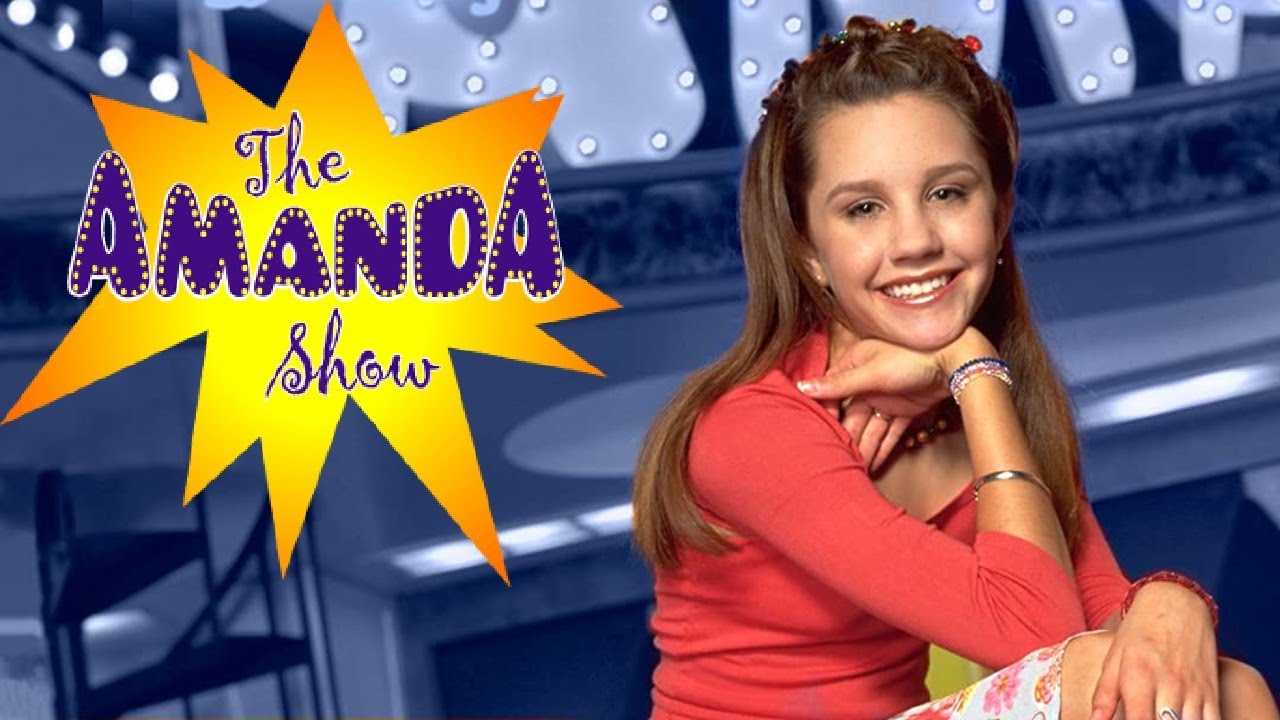
The Amanda Show: A Sketch Comedy Classic

pivot62.com – The Amanda Show is an American sketch comedy television series that aired on Nickelodeon from October 16, 1999, to September 21, 2002. Created by Dan Schneider, the show starred Amanda Bynes as the host of her own variety show, featuring a mix of sketches, parodies, and original characters. The Amanda Show was a spin-off of All That, another popular Nickelodeon sketch comedy series.

Premise and Format

The Amanda Show followed a traditional sketch comedy format, with Amanda Bynes introducing and starring in various sketches. Each episode typically included several recurring segments, such as “The Judge,” “Penelope Taynt,” and “Ask Ashley,” alongside one-off sketches and parodies of popular culture. The show was known for its slapstick humor, physical comedy, and Bynes’s energetic performance.

Main Characters and Recurring Segments

Amanda Bynes

Amanda Bynes played multiple characters throughout the series, showcasing her versatility and comedic talent. Some of her most memorable roles included:

  • The Judge: A parody of courtroom dramas, where Bynes played a young and unconventional judge who handed down bizarre and humorous sentences.
  • Penelope Taynt: A character who would “taynt” (taint) situations by causing trouble and mischief.
  • Ask Ashley: A segment where Bynes played Ashley, a know-it-all teenager who gave absurd advice to her peers.

Supporting Cast

The show also featured a supporting cast of actors who played various characters across the sketches, including Drake Bell, Nancy Sullivan, Raquel Lee, and Josh Peck.

Unique Aspects

Physical Comedy and Slapstick

The Amanda Show was known for its use of physical comedy and slapstick humor, with Bynes often engaging in exaggerated and comedic physical performances. This style of humor was a hallmark of the show and contributed to its popularity among young audiences.

Recurring Characters and Sketches

The show’s reliance on recurring characters and sketches allowed for the development of a rich and varied comedic universe. Viewers could look forward to seeing their favorite characters and sketches return, while also being introduced to new and equally hilarious segments.

Critical Reception and Legacy

The Amanda Show received positive reviews for its humor, creativity, and Amanda Bynes’s performance. The series was a ratings success for Nickelodeon and helped establish Bynes as a star in the world of comedy. Although the show ended in 2002, its legacy continues to influence the world of children’s television and sketch comedy.

Conclusion

The Amanda Show stands as a classic example of sketch comedy, blending physical humor, parody, and original characters to create a unique and entertaining viewing experience. Amanda Bynes’s energetic performance and the show’s creative writing have left a lasting impact on the genre, making it a beloved series among fans of comedy and children’s television.
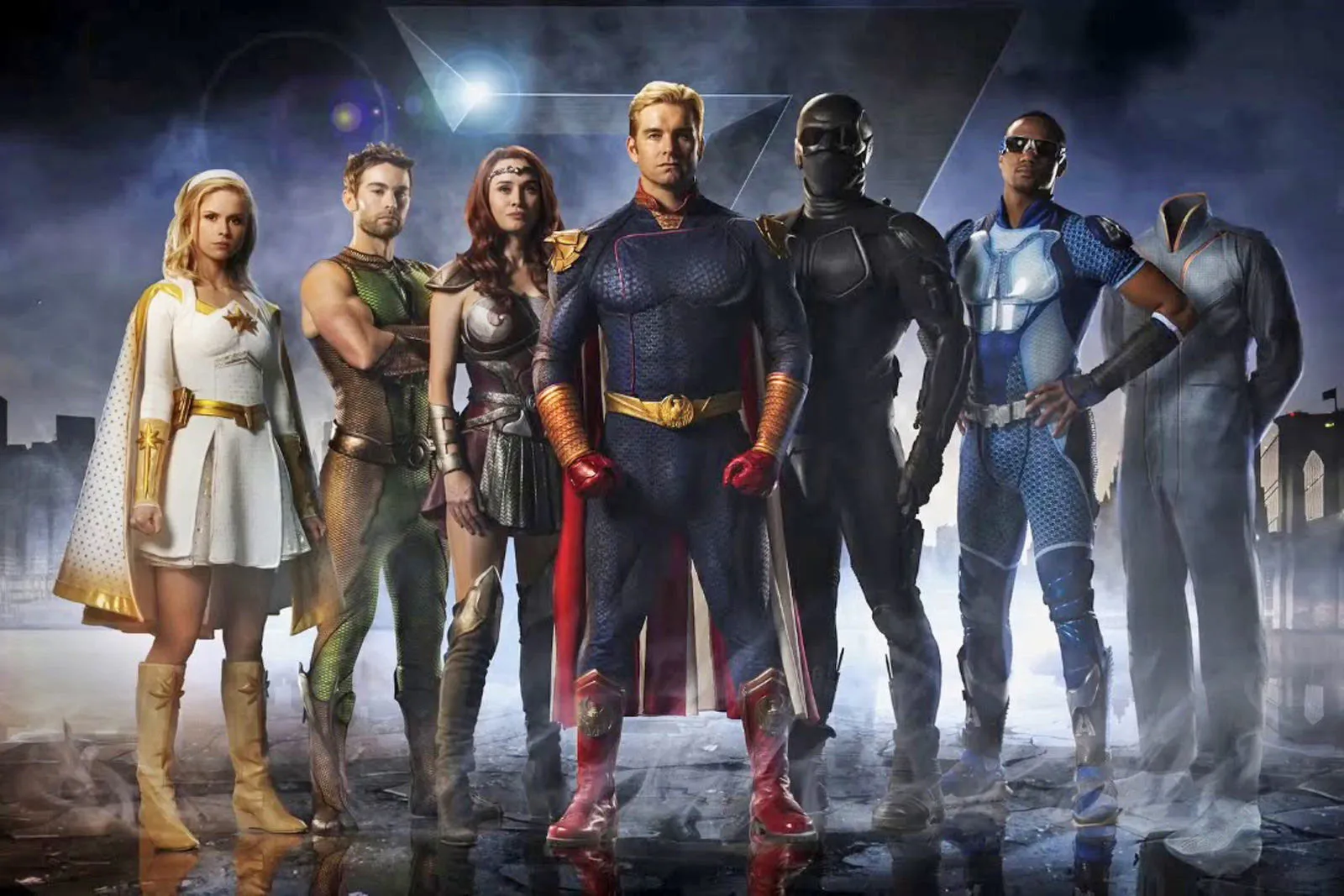

The Boys: The World of Superheroes Gone Wrong

pivot62.com – The Boys, a dark and gritty take on the superhero genre, has captivated audiences with its unapologetic portrayal of flawed heroes and the corrupt systems that support them. This article explores the show’s narrative, characters, and themes, providing a comprehensive look at why it has become a cultural phenomenon.

The Premise

Set in a world where superheroes are real but far from perfect, The Boys follows a group of vigilantes known as “The Seven,” who are tasked with taking down corrupt superheroes. The show’s premise is a stark contrast to the traditional superhero narratives, offering a raw and unfiltered look at the dark side of heroism.

Key Characters

Billy Butcher

Billy Butcher, played by Karl Urban, is the leader of The Boys. His character is a complex mix of determination and bitterness, driven by a personal vendetta against the superhero system.

Hughie Campbell

Hughie Campbell, portrayed by Jack Quaid, is a regular guy who becomes entangled in the world of superheroes. His journey from a naive bystander to a key player in the fight against corruption is a central thread in the show.

Starlight

Starlight, played by Erin Moriarty, is a young and idealistic superhero who begins to question the morality of her actions and the organization she serves.

Themes and Messages

Corruption and Power

One of the central themes of The Boys is the corrupting influence of power. The show exposes the hypocrisy and moral decay within the superhero community, highlighting how those with immense power often abuse it.

Media and Public Perception

The Boys also delves into the role of media in shaping public perception. The show critiques how the media can be manipulated to create a false narrative, often at the expense of the truth.

Morality and Ethics

The series raises questions about morality and ethics, challenging viewers to consider what it truly means to be a hero. The characters’ struggles with their own moral compasses add depth to the narrative.

Impact and Reception

The Boys has received critical acclaim for its bold storytelling and complex characters. The show has sparked discussions about the superhero genre and has influenced other works in the same vein. Its success has also led to the development of spin-offs and additional content.

Conclusion

The Boys is more than just a superhero show; it is a commentary on power, corruption, and the human condition. By subverting the traditional superhero narrative, the series offers a fresh and thought-provoking perspective that resonates with audiences worldwide.

The Voice: A Captivating Journey of Musical Talent & Discovery

pivot62.com – “The Voice” has become a global phenomenon, revolutionizing the way we discover and appreciate musical talent. This hit television show, which first premiered in the Netherlands in 2010, has since been adapted in over 60 countries, including the United States, the United Kingdom, Australia, and many others. The format’s unique approach to talent competition has struck a chord with audiences worldwide, offering a fresh perspective on the traditional singing competition genre.

The Concept Behind The Voice

At its core, “The Voice” is a singing competition that aims to find the world’s next great vocal talent. What sets it apart from other talent shows is its emphasis on the quality of the contestants’ voices, rather than their physical appearance or stage presence. The show’s innovative “blind audition” format, where judges initially face away from the performers and only turn their chairs if they like what they hear, ensures that the decision to advance an artist is based purely on vocal ability.

The Coaches and Their Role

A key component of “The Voice” is its panel of coaches, which typically consists of well-known musicians and industry professionals. These coaches not only judge the performances but also mentor and guide the contestants throughout the competition. The dynamic between the coaches and their teams adds a layer of personal investment to the show, as viewers get to see the development of the artists under their mentorship.

The Journey of the Contestants

Contestants on “The Voice” embark on a journey that begins with the blind auditions. Those who successfully turn a chair and join a coach’s team then compete in battle rounds, knockouts, and live performances, with the public and the coaches voting to determine who advances. The journey is as much about personal growth as it is about vocal prowess, with many contestants finding their voice and gaining confidence as they progress.

The Impact of The Voice

“The Voice” has had a significant impact on the music industry, launching the careers of numerous artists who have gone on to achieve significant success. The show’s ability to unearth talent from diverse backgrounds and genres has broadened the musical landscape, offering a platform for artists who might otherwise have struggled to be heard.

Moreover, “The Voice” has fostered a sense of community among music lovers, bringing together audiences from all walks of life to celebrate the universal language of music. The show’s format, which encourages collaboration and mentorship, has also set a precedent for how talent competitions can be conducted with integrity and respect for the artists involved.

Conclusion

“The Voice” is more than just a television show; it’s a cultural phenomenon that has redefined the way we discover and appreciate musical talent. Through its innovative format, emphasis on vocal ability, and the guidance of esteemed coaches, it has provided a platform for artists to share their voices with the world. As the show continues to evolve and inspire, its legacy as a beacon for musical talent and discovery is sure to endure.