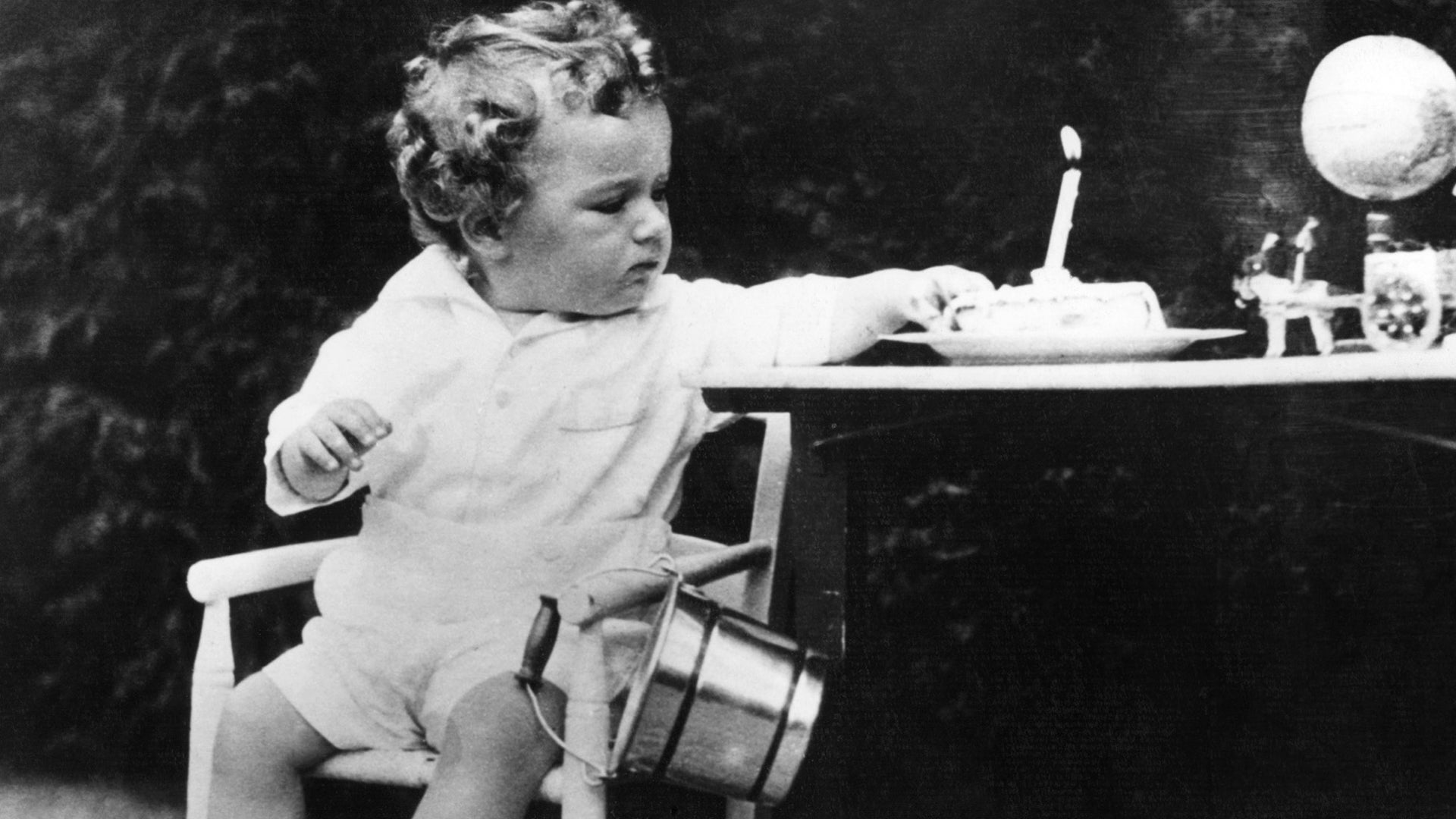
A Nation’s Unsolved Tragedy: The Lindbergh Baby Kidnapping

pivot62.com – The kidnapping of Charles Augustus Lindbergh Jr., known as the Lindbergh baby, remains one of the most notorious crimes in American history. It not only shattered the peace of a celebrated family but also captivated and horrified the nation, leaving a legacy of unresolved questions and lingering sorrow.

The Celebrated Family

Charles Lindbergh, the father, was a national hero, having made the first solo non-stop flight across the Atlantic Ocean in 1927. His wife, Anne Morrow Lindbergh, was the daughter of a prominent American diplomat. Together, they were the epitome of American success and were adored by the public. The birth of their first child, Charles Jr., on June 22, 1930, was celebrated as a joyous event, not just for the Lindberghs but for the entire nation.

The Kidnapping

On the night of March 1, 1932, tragedy struck the Lindbergh estate in Hopewell, New Jersey. The 20-month-old Charles Jr. was taken from his crib, and a ransom note demanding $50,000 was left behind. Despite the family’s efforts to comply with the kidnappers’ demands, the ransom was never successfully delivered, and the baby’s remains were found several months later, in May 1932, in a wooded area near the Lindbergh home.

A Nation in Shock

The kidnapping and subsequent death of the Lindbergh baby sent shockwaves through the United States. It was a crime that seemed to defy the very notion of safety and security, targeting one of the nation’s most beloved families. The public was gripped by the unfolding drama, and the media coverage was unprecedented, setting the stage for the modern era of crime reporting.

The Investigation

The investigation into the kidnapping was extensive and fraught with challenges. It involved local, state, and federal law enforcement agencies, including the newly formed Bureau of Investigation, which would later become the FBI. Despite numerous suspects and leads, the case remained unsolved for several years.

The Trial of Bruno Hauptmann

In 1934, Bruno Richard Hauptmann, a German immigrant, was arrested and charged with the kidnapping and murder of Charles Lindbergh Jr. The trial, which began in January 1935, was a media spectacle, with Hauptmann maintaining his innocence throughout. He was found guilty and sentenced to death. Hauptmann was executed in April 1936, but doubts about his guilt and the fairness of the trial persist to this day.

A Legacy of Uncertainty

The execution of Bruno Hauptmann did not bring closure to the case. Questions about his guilt, the involvement of others, and the conduct of the investigation have continued to fuel speculation and debate. The Lindbergh baby kidnapping remains an unsolved tragedy, a haunting reminder of the fragility of security and the complexities of justice.

Conclusion

The Lindbergh baby kidnapping is more than a historical footnote; it is a story that captures the fears and fascinations of a nation. It reflects the challenges of law enforcement, the power of the media, and the enduring human desire for justice. As the years pass, the details of the case may fade, but the questions it raises about truth, guilt, and the nature of crime will continue to resonate.

True Crime Analysis of Psychopathic Killers: The Mind of a Monster

pivot62.com – The human mind is a complex labyrinth, filled with dark corners and shadowy depths that often remain unexplored. In the realm of true crime, there exists a particularly chilling subset of individuals whose minds are not just mysterious but outright terrifying. These are the psychopathic killers, individuals who commit heinous acts of violence with a cold, calculated demeanor that defies our understanding of empathy and morality. This article delves into the psychological underpinnings of these monsters, examining what makes them tick and how their minds differ from the rest of society.

The Psychopath’s Mind:
Psychopathy is a personality disorder characterized by a lack of empathy, shallow emotions, grandiose sense of self-worth, and a propensity to manipulate and exploit others. Psychopathic killers take these traits to an extreme, using their charm and intelligence to lure victims and evade capture. Their minds are often devoid of remorse, allowing them to commit unspeakable acts without the pangs of conscience that would plague a normal person.

The Making of a Monster:
The origins of psychopathy are complex and multifaceted, involving a combination of genetic predisposition and environmental factors. Childhood trauma, abuse, or neglect can contribute to the development of antisocial behaviors. However, not all individuals who experience adversity become psychopaths, suggesting that there is a critical interplay between nature and nurture.

Case Studies:
To understand the mind of a psychopathic killer, it is instructive to examine case studies of notorious figures such as Ted Bundy, Charles Manson, and Jeffrey Dahmer. Each of these individuals displayed a unique blend of psychopathic traits, yet all shared a profound disconnect from the emotional and moral norms that govern society.

Ted Bundy, for example, was a charismatic and intelligent individual who used his likability to lure and murder numerous young women. His ability to maintain a facade of normalcy, even while committing brutal crimes, is a hallmark of psychopathic manipulation.

Charles Manson, on the other hand, was a master manipulator who formed a cult of followers and orchestrated a series of gruesome murders. His charisma and persuasive abilities enabled him to exert control over his disciples, leading them to commit acts of violence in his name.

Jeffrey Dahmer’s case is particularly disturbing, as it involves not just murder but also necrophilia and cannibalism. His detached and methodical approach to killing suggests a profound disconnect from human emotions and a complete disregard for the sanctity of life.

The Psychology of Evil:
The study of psychopathic killers raises profound questions about the nature of evil and the capacity for human cruelty. Psychologists and criminologists have long debated whether these individuals are born or made, with evidence suggesting that both biological and environmental factors play a role.

Treatment and Prevention:
The question of whether psychopathic killers can be rehabilitated is a contentious one. While some argue that therapy and medication can mitigate antisocial behaviors, others believe that the core traits of psychopathy are immutable. Prevention strategies focus on early intervention in at-risk individuals, with the hope of diverting them from a path of violence.

Conclusion:
The mind of a psychopathic killer is a landscape of darkness, where empathy and remorse are absent, and the drive to dominate and destroy reigns supreme. Understanding these individuals requires a multidisciplinary approach, combining insights from psychology, neuroscience, and criminology. While the true nature of evil may always elude us, the study of psychopathic killers offers a glimpse into the abyss, challenging our understanding of humanity and our capacity for both good and unspeakable cruelty.