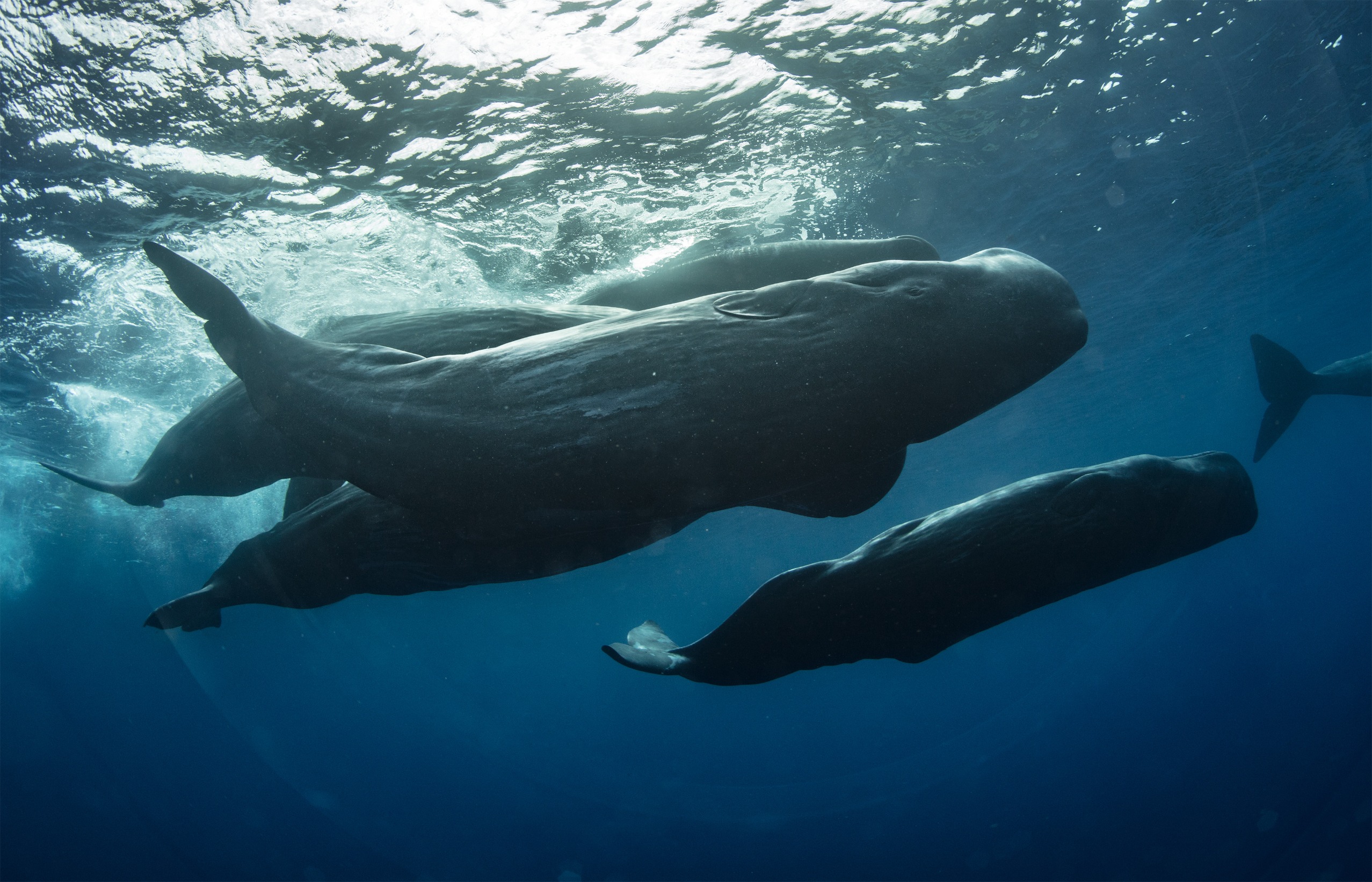
pivot62.com – The ocean is a vast and mysterious realm, teeming with life and hidden wonders. One of the most intriguing aspects of marine biology is the way in which creatures of the deep communicate with each other. From the haunting songs of whales to the subtle flashes of light from deep-sea fish, the ocean’s secret language is a complex and fascinating form of communication. This article explores the diverse methods of communication used by marine animals, shedding light on the intricate ways they interact in their underwater world.
The Symphony of the Sea: Whale Communication
Whales are among the most vocal of marine animals, with some species capable of producing sounds that can travel for hundreds of miles underwater. The most famous of these are the songs of the humpback whale, complex melodies that can last for up to 30 minutes and are repeated for hours. Scientists believe these songs play a crucial role in mating rituals and social bonding.
The Mysterious Songs of the Blue Whale
Blue whales, the largest animals on Earth, produce some of the loudest and lowest-frequency sounds in the ocean. Their calls can reach up to 188 decibels and can be heard from hundreds of kilometers away. The purpose of these sounds is not fully understood, but they are thought to be used for long-distance communication.
Light in the Darkness: Bioluminescence
In the deep sea, where sunlight cannot penetrate, many creatures have evolved the ability to produce their own light through a process called bioluminescence. This phenomenon is used for a variety of purposes, including attracting mates, luring prey, and camouflaging against the dark backdrop of the ocean.
The Flashy Displays of Anglerfish
Anglerfish are perhaps the most well-known bioluminescent creatures. They use a specialized organ called a photophore to emit light from a lure on their heads, which they wave to attract prey. Once an unsuspecting fish comes close enough, the anglerfish strikes with lightning speed.
The Language of Electricity: Electric Communication
Some marine animals have developed the ability to generate and detect electric fields, using them to navigate, find food, and communicate with each other. This form of communication is particularly prevalent among species of fish that inhabit murky waters or the deep sea.
The Electric Sense of Sharks
Sharks have an extraordinary sense of electroreception, which allows them to detect the weak electric fields generated by the muscle contractions of their prey. This ability, combined with their acute sense of smell, makes them formidable predators in the ocean.
Vibrations and Waves: Physical Communication
In addition to sound and light, many marine animals use physical movements and vibrations to communicate. These can range from the simple touch of a tentacle to the complex mating dances of certain fish species.
The Mating Dances of Fiddler Crabs
Fiddler crabs are known for their elaborate mating dances, which involve waving their oversized claws to attract females. These dances are a form of visual communication that plays a crucial role in the reproductive success of the species.
Conclusion
The ocean’s secret language is a testament to the incredible diversity and adaptability of marine life. From the haunting songs of whales to the flashy displays of bioluminescent creatures, the ways in which animals communicate in the deep are as varied as they are fascinating. Understanding these forms of communication not only enriches our knowledge of the natural world but also highlights the importance of protecting the ocean’s ecosystems for the benefit of all life on Earth.
