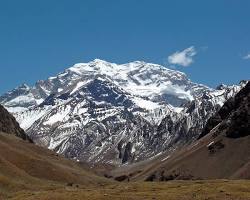
Aconcagua: The Colossal Peak of the Americas

pivot62.com – Aconcagua, the highest mountain in the Americas, stands as a majestic giant at 6,962 meters (22,841 feet) above sea level. Located in the Andes mountain range in Argentina, this colossal peak has captivated climbers and adventurers for decades.

A Mountain of Superlatives

Aconcagua holds several notable distinctions: it’s the highest peak outside of Asia, the highest mountain in the Southern Hemisphere, and the highest mountain in the Western Hemisphere. Its imposing presence and challenging terrain make it a coveted goal for mountaineers worldwide.

A Popular Climbing Destination

While Aconcagua is a technically straightforward climb, its extreme altitude and harsh weather conditions make it a formidable challenge. The most common route to the summit is the Normal Route, which ascends the mountain’s western flank. This route, while technically easy, requires excellent physical conditioning and acclimatization to high altitude.

Other routes, such as the Polish Direct and the Polish Glacier routes, offer more technical challenges and are reserved for experienced climbers. These routes involve steep ice climbing and exposure to significant avalanche risk.

A Unique Ecosystem

Despite its harsh environment, Aconcagua supports a unique ecosystem. The lower slopes of the mountain are home to a variety of plant and animal life, including condors, vicuñas, and guanacos. As you ascend, the vegetation thins out, giving way to barren, rocky terrain.

A Cultural Icon

Aconcagua has long been revered by indigenous cultures, who consider it a sacred mountain. The Inca people believed that the mountain was the dwelling place of the gods, and it continues to hold spiritual significance for many.

In recent decades, Aconcagua has become a popular destination for mountaineers from around the world. Its challenging terrain, stunning scenery, and unique cultural significance make it a truly iconic peak.
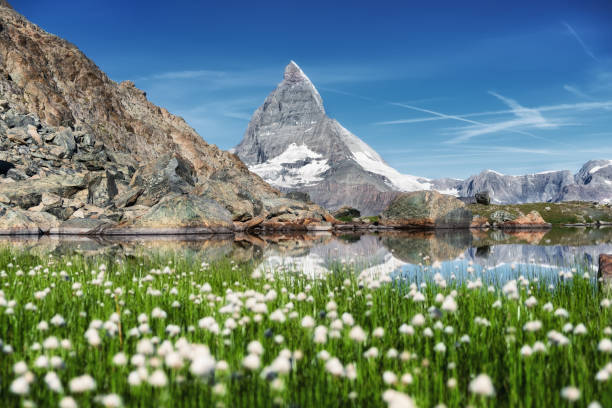
The Pyramid Peak of the Swiss Alps: Matterhorn

pivot62.com – Nestled within the majestic Swiss Alps, the Matterhorn stands as an iconic symbol of natural beauty and mountaineering challenge. Its distinctive pyramidal peak, visible from miles around, has become an emblem not only of Switzerland but of the spirit of adventure itself. This article delves into the geological marvel, historical significance, and cultural impact of the Matterhorn, exploring why it remains one of the most revered mountains in the world.

Geological Marvel

The Matterhorn, known in German as “Der Berg mit der weißen Dame” (The Mountain with the White Lady), is a geological marvel that has fascinated scientists and adventurers alike. Its unique pyramidal shape is the result of glacial erosion over millions of years, carving the mountain into the striking figure we see today. Standing at 4,478 meters (14,692 feet) above sea level, the Matterhorn is part of the Alps mountain range, straddling the border between Switzerland and Italy.

Formation and Composition

The Matterhorn’s composition primarily consists of gneiss and granite, which have contributed to its resilience against erosion. The mountain’s formation is a testament to the tectonic forces that shaped the Alps, making it a subject of interest for geologists studying the Earth’s history.

Historical Significance

The Matterhorn’s history is as storied as its peak is striking. It was first summited on July 14, 1865, by a British mountaineer, Edward Whymper, along with a team of guides. This ascent marked a milestone in the history of mountaineering, as it was one of the last great Alpine peaks to be climbed. Tragically, the descent was marred by an accident that resulted in the deaths of four of the climbers, a reminder of the mountain’s formidable nature.

Mountaineering Legacy

Since Whymper’s ascent, the Matterhorn has become a rite of passage for climbers from around the globe. Its north face, in particular, is considered one of the greatest challenges in the Alps, having claimed the lives of many who dared to attempt it. Despite the risks, the allure of standing atop this iconic peak continues to draw adventurers year after year.

Cultural Impact

Beyond its natural beauty and mountaineering history, the Matterhorn has left an indelible mark on culture and society. Its image is instantly recognizable, appearing on postcards, in films, and even as the inspiration for Disney’s iconic theme park ride. The mountain has become synonymous with Switzerland itself, embodying the country’s rugged beauty and spirit of adventure.

Tourism and the Matterhorn

Tourism in the region surrounding the Matterhorn, particularly in the Swiss towns of Zermatt and Breuil-Cervinia on the Italian side, thrives on the mountain’s allure. Visitors flock to these areas to catch a glimpse of the mountain, partake in outdoor activities, or attempt to climb it. The Matterhorn has thus become an economic cornerstone for the region, supporting local businesses and providing jobs.

Conclusion

The Matterhorn stands as more than just a mountain; it is a symbol of enduring natural beauty, a testament to human courage and determination, and an emblem of Switzerland’s rich cultural heritage. Its pyramidal peak, visible from afar, beckons adventurers and inspires awe in all who gaze upon it. As we continue to explore and appreciate the wonders of our world, the Matterhorn remains a beacon of the majesty and mystery of the natural world.